Weight Loss After Pregnancy in the UK: What New Mothers Should Know
Weight loss after pregnancy is usually safest and most sustainable when recovery, nutrition, and healthy habits come first.
Last updated Jun 17, 2026
 9 min read

After having a baby, many women expect the extra weight to reduce quickly. In reality, weight loss after pregnancy often takes longer because the body is adjusting to physical changes after childbirth while hormone levels, energy needs, and daily routines continue to evolve. Every mother’s experience is different, and gradual progress is usually more realistic than rapid results.
Breastfeeding, interrupted sleep, emotional adjustment, and limited time for exercise can all influence weight management during the months after birth. Focusing on balanced nutrition, gentle activity, and recovery can support long-term wellbeing, but there are several factors that many new mothers do not expect to affect their progress.
Mounjaro
- ✔ ~22.5% average body weight loss
- ✔ Significant weight reduction
- ✔ Improves blood sugar levels
- ✔ Clinically proven weight loss
Wegovy
- ✔ ~16.9% average body weight loss
- ✔ Boosts metabolic & cardiovascular health
- ✔ Proven, long-established safety profile
- ✔ Weekly injection, easy to use
Key Facts: Postpartum Weight Loss Guide
- Weight loss after pregnancy is a gradual process influenced by recovery, hormones, breastfeeding, sleep, and lifestyle changes.
- Sustainable progress comes from balanced nutrition, hydration, gentle movement, and realistic expectations.
- New mothers should prioritise recovery and nourishment rather than restrictive diets or rapid weight-loss methods.
- Simple habits like meal planning, short walks, and consistent routines can support long-term postpartum weight management.
- Factors such as stress, sleep disruption, and hormonal changes can affect progress, making each journey different.
- Professional support may help some women through a personalised approach based on individual health needs and circumstances.
What Is a Realistic Weight Loss Timeline After Pregnancy?
Weight loss after pregnancy is usually a gradual process. Health guidance suggests that a steady loss of around 0.5kg to 1kg per week is considered realistic for many women. While some mothers return to their pre-pregnancy weight within 6 to 12 months, progress can vary depending on breastfeeding, sleep quality, hormone changes, diet, and daily activity levels.
Some weight is naturally lost after birth through the delivery process and fluid changes. However, hormonal shifts, breastfeeding, sleep disruption, and recovery can all affect postpartum weight loss. Many women notice the greatest changes during the first few months, with gradual progress often continuing throughout the first year.
Several factors can affect post pregnancy weight loss, including:
- Breastfeeding
- Hormonal changes
- Sleep quality
- Stress levels
- Physical activity
- Pre-pregnancy weight
- Caesarean section recovery
For many women, losing weight after pregnancy becomes more manageable when expectations remain realistic and healthy habits are maintained over time. Every journey is different, and sustainable pregnancy weight loss is often achieved through patience, consistency, and healthy daily habits rather than rapid changes.
How to Lose Pregnancy Weight Safely Without Affecting Recovery
Safe weight loss after pregnancy focuses on supporting overall health while encouraging gradual and sustainable progress. Balanced nutrition, hydration, gentle movement, and consistent habits can support gradual progress. Factors such as breastfeeding, sleep, hormones, and recovery after birth can all influence postpartum weight loss, making every mother’s experience unique.
Avoiding Crash Diets
Restricting calories too aggressively can leave new mothers feeling fatigued and may make it harder to meet their nutritional needs during the postnatal period. Your body needs energy to heal, restore hormone balance, and support daily demands, particularly if you are breastfeeding. For long-term post pregnancy weight loss, nourishment is generally more effective than extreme dieting.
Balanced Eating Routine
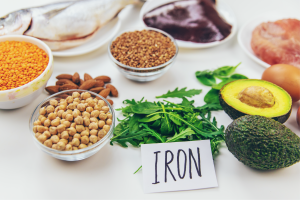
A balanced eating pattern can help support recovery while encouraging healthy weight loss after giving birth. Aim to include lean protein, fibre-rich foods, healthy fats, and plenty of vegetables throughout the day. Eating regular meals may also help maintain energy levels and reduce unnecessary snacking driven by hunger.
Breastfeeding Consideration
Breastfeeding can influence appetite, calorie needs, and weight changes, although experiences vary between women. While some mothers notice gradual weight changes after childbirth, others may experience slower progress. It is important to avoid severe calorie restriction and focus on meeting both recovery and nutritional needs.
Staying Hydrated
Adequate hydration supports energy levels, milk production, and normal bodily functions during the postnatal period. Drinking enough fluids may also help maintain energy levels and support milk production for breastfeeding mothers. Keeping water close by throughout the day can make healthy hydration habits easier to maintain.
Gentle Movement
Returning to exercise gradually is often the safest approach. Gentle activities such as walking, stretching, or postnatal exercise can help support pregnancy weight loss without placing unnecessary stress on the body. Building activity levels slowly allows recovery to remain the priority.
The Importance of Sleep
Sleep plays an important role in recovery and postpartum weight loss. Poor sleep may influence hunger, cravings, energy levels, and overall wellbeing. While uninterrupted rest can be challenging with a newborn, making time for recovery whenever possible can support healthier long-term progress.
Achieve Sustainable Weight Loss
-
 Balanced Nutrition Plan
 -
Clinically Proven Treatments
-
Expert Professional Guidance

Practical Postpartum Weight Loss Tips for Busy New Mothers
Flexible habits that fit around a baby’s routine are often easier to maintain than strict plans. For many women, simple daily habits can support post pregnancy weight loss while fitting around the demands of caring for a newborn.
Simple Meal Planning Strategies
Healthy eating does not need to be complicated. Consider:
- Preparing meals in batches
- Keeping healthy snacks within reach
- Choosing simple, balanced meals
- Stocking convenient protein-rich foods
Options such as overnight oats, boiled eggs, yoghurt, fruit, and pre-cut vegetables can make nutritious eating easier on busy days.
Gentle Movement and Activity
A gradual return to activity can support weight loss after giving birth without placing too much stress on the body. Helpful options include:
- Short daily walks
- Gentle stretching
- Postnatal exercise classes
- Increasing movement through everyday tasks
Even a short walk with a pram can contribute to long-term progress.
Creating Realistic Habits
Sustainable postpartum weight loss is often built through consistency rather than perfection. Focus on:
- Setting small weekly goals
- Building routines around childcare
- Tracking progress, not speed
- Avoiding all-or-nothing thinking
Small habits repeated consistently can have a greater impact than short periods of intense effort.
How Hormones and Stress Can Affect Weight After Pregnancy
Hormone levels continue to change for weeks and months after childbirth, which can influence appetite, energy levels, fluid retention, and overall weight management. These natural adjustments may affect postpartum weight loss, even when healthy eating and physical activity habits are in place.
At the same time, caring for a newborn can bring disrupted sleep, emotional challenges, and increased stress. These factors may influence eating habits, activity levels, and motivation. Prioritising self-care, seeking support when needed, and maintaining realistic expectations can help support both wellbeing and weight loss after pregnancy.
When to Consider Additional Weight Management Support After Pregnancy
Balanced nutrition, regular movement, quality sleep, and consistent daily habits remain important foundations for long-term weight management. However, some women may find that progress is slower than expected despite making consistent lifestyle changes.
For women who have completed their initial recovery period and are looking for additional support, clinician-led weight management services may be worth exploring. Mayfair Weight Loss Clinic provides personalised weight-management support, with treatment options assessed individually based on medical history, health goals, and overall suitability.
Before considering any weight-loss treatment after pregnancy, it is important to take the following into account:
- Stage of postpartum recovery
- Breastfeeding status
- Recovery from a Caesarean section or birth complications
- Existing medical conditions
- Current medications
- Advice from a qualified healthcare professional
Weight-loss treatments are not usually recommended during pregnancy or while breastfeeding. For this reason, eligibility should always be assessed on an individual basis by a qualified clinician. Women interested in learning more about post pregnancy weight loss support can explore the clinic’s website, available treatment options, where suitability is determined following a clinical assessment.
Conclusion: Sustainable Progress After Pregnancy
Successful weight management after childbirth is rarely determined by how quickly weight is lost. The months following childbirth are a time of recovery, adjustment, and learning to balance your own wellbeing with the needs of a new baby. By focusing on nutritious food, regular hydration, gentle movement, and realistic expectations, many women can achieve steady and sustainable progress over time.
Weight changes after childbirth can vary considerably, and successful postpartum weight loss should never come at the expense of overall health. Small, consistent habits often have the greatest long-term impact. Whether you are working towards losing weight after pregnancy through lifestyle changes alone or exploring additional professional support, patience and consistency remain the foundations of lasting results.
FAQs About Weight Loss After Pregnancy
How long does weight loss after pregnancy take?
The timeline varies between individuals. Some women notice gradual changes within a few months, while others may take longer depending on recovery, lifestyle, breastfeeding, and hormonal factors.
How to lose baby weight safely?
Focus on balanced nutrition, adequate protein, hydration, gentle activity, and realistic goals. Avoid crash diets and allow your body time to recover.
Is postpartum weight loss different from normal weight loss?
Yes. Recovery from childbirth, hormonal changes, breastfeeding, and sleep disruption all influence weight management after pregnancy.
Can breastfeeding help with weight loss?
Breastfeeding may contribute to increased energy expenditure for some women, but results vary and should not be relied upon as a weight-loss strategy.
What foods support weight loss after giving birth?
Protein-rich foods, vegetables, fruit, whole grains, healthy fats, and plenty of fluids can support both recovery and gradual weight management.
When can you start exercising after pregnancy?
This depends on individual recovery and medical advice. Many women begin with gentle walking before gradually increasing activity levels.
Why is losing weight after pregnancy difficult?
Hormonal changes, sleep deprivation, stress, breastfeeding demands, and recovery from childbirth can all affect progress.
How can new mothers create healthy habits?
Start with small, manageable changes such as meal planning, regular hydration, short walks, and consistent daily routines that fit around childcare responsibilities.
Mounjaro
- ✔ ~22.5% average body weight loss
- ✔ Significant weight reduction
- ✔ Improves blood sugar levels
- ✔ Clinically proven weight loss
Wegovy
- ✔ ~16.9% average body weight loss
- ✔ Boosts metabolic & cardiovascular health
- ✔ Proven, long-established safety profile
- ✔ Weekly injection, easy to use