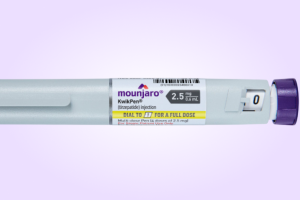
How Can You Relieve Stomach Pain While Taking Mounjaro? UK Patient Guide
Mild stomach pain on Mounjaro is often linked to slower digestion and can usually be improved with smaller meals, hydration, and gradual eating habits
Last updated May 21, 2026
 11 min read

Feeling unusually full after small meals, sudden bloating, or stomach cramps can surprise some people during treatment with Mounjaro. As the medication slows digestion to support appetite control, some users may experience nausea, trapped wind, or stomach pain on Mounjaro, especially during dose increases. Smaller meals, hydration, and lighter foods may help ease discomfort more comfortably.
For many UK patients, these digestive symptoms improve as the body adjusts to treatment over time. However, severe abdominal pain, repeated vomiting, or symptoms that interfere with eating should never be ignored. Some common daily habits can quietly make stomach discomfort worse during treatment, and many people do not realise the cause until symptoms continue to return.
Mounjaro
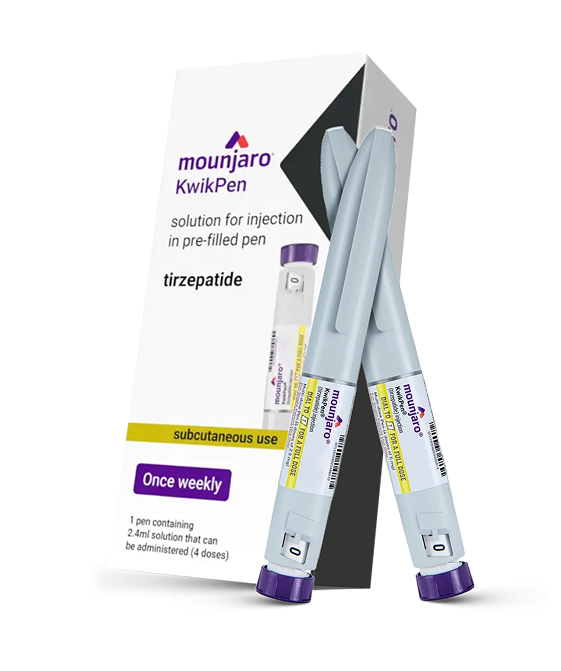
Key Takeaways: Stomach Pain While Taking Mounjaro
- Mild stomach pain, bloating, and cramps are common digestive side effects during Mounjaro treatment, especially after dose increases.
- Eating smaller meals slowly and avoiding greasy or spicy foods may help reduce stomach discomfort.
- Good hydration and balanced fibre intake can support digestion and lower the risk of constipation-related pain.
- Overeating, skipping water intake, or increasing doses too quickly may make digestive symptoms worse.
- Severe abdominal pain, vomiting, fever, or pain spreading to the back should be assessed by a healthcare professional urgently.
Why Mounjaro Can Cause Stomach Pain and Digestive Discomfort
Stomach pain on Mounjaro can happen when the medication changes how the digestive system handles food and appetite signals. These digestive changes may lead to bloating, nausea, trapped wind, cramping, or bowel changes, particularly during the early stages of treatment while the body adjusts to the medication.
How Mounjaro Affects Digestion and Stomach Comfort
- Food may move through the digestive system more slowly during treatment, leaving some people feeling overly full after smaller meals.
- Digestive symptoms often become stronger after takeaway meals, fizzy drinks, overeating, or eating too quickly.
- Some patients experience stomach discomfort after eating while taking Mounjaro, particularly after greasy or heavy foods.
- Changes in digestion may also affect bowel habits, leading to constipation, loose stools, or abdominal bloating.
- What many people do not realise is that dehydration may quietly worsen nausea, cramping, and stomach pressure during treatment.
- Digestive symptoms are often more noticeable during dose escalation phases while the body adapts gradually to treatment.
Different Types of Stomach Pain People Experience on Mounjaro
Digestive discomfort during treatment can feel very different from person to person. Some people notice bloating and trapped wind, while others develop cramping, burning sensations, or lower abdominal discomfort linked to digestive changes. Understanding these symptom patterns may help patients recognise which symptoms are mild and which may require medical advice.
Trapped Wind and Bloating
Pressure from trapped wind may sometimes create a swollen or tight feeling around the abdomen during treatment with Mounjaro. Some people notice this discomfort more after fizzy drinks, large portions, or eating too quickly, particularly during the early stages of treatment while the digestive system is still adjusting.
Cramping After Meals
Some people notice stomach cramps shortly after eating while taking Mounjaro, especially when meals are large, rich, or eaten too quickly. This discomfort may feel like tightening or pressure around the abdomen and can sometimes become more noticeable during the early stages of treatment or after dose increases.
Burning or Acid-Related Discomfort
A burning feeling in the chest or upper stomach may happen when stomach acid lingers for longer than usual after meals. Symptoms of an upset stomach on Mounjaro may feel worse after spicy foods, caffeine, or lying down too soon after eating.
Dull Stomach Aches vs Sharp Pain
Mild digestive discomfort often feels like heaviness, fullness, or a dull ache that improves gradually with time. Sharp or severe abdominal pain while taking Mounjaro should not be ignored, especially if symptoms become persistent or spread toward the back.
Pain Linked to Constipation or Diarrhoea
Changes in bowel habits can also contribute to digestive discomfort during treatment. Constipation may increase pressure around the lower abdomen, while diarrhoea can trigger cramping and dehydration. In some cases, these digestive changes may trigger lower abdominal pain on Mounjaro, particularly when hydration levels are low.
Find Out If Mounjaro is Clinically Suitable
Start Your Free Consultation Now
 Clinician-led medical assessment
Personalised dosing and nutrition support
Ongoing clinical monitoring throughout treatment
Clinician-led medical assessment
Personalised dosing and nutrition support
Ongoing clinical monitoring throughout treatment 
Best Ways to Relieve Stomach Pain While Taking Mounjaro
Stomach pain on Mounjaro often improves with smaller meals, hydration, lighter foods, and practical digestion-supporting habits. Symptoms are commonly more noticeable during the first weeks of treatment or after dose adjustments, but simple routine changes may help improve comfort significantly.
Smaller Meals May Reduce Pressure
Large meals may overstretch the stomach and increase bloating or discomfort during treatment. Many patients tolerate 4–6 smaller meals more comfortably than three large meals each day. Eating slowly and stopping before feeling overly full may also help reduce stomach cramping and nausea.
Easier Foods for Digestion
Simple foods are often gentler on digestion during treatment. Foods such as bananas, oats, rice, toast, soup-based meals, crackers, and lean proteins may feel easier to tolerate than processed or takeaway foods. Patients struggling with food choices during treatment can also read what to eat on Mounjaro for additional dietary guidance.
Hydration Matters
Poor hydration may make digestive symptoms feel more intense during treatment, particularly when appetite changes reduce normal fluid intake. Drinking water consistently throughout the day may support better digestive comfort and bowel regularity. Patients looking for hydration guidance during treatment can also read Mounjaro hydration guide.
Avoid Common Triggers
Greasy meals, spicy foods, alcohol, acidic foods, and fizzy drinks may increase digestive discomfort after eating. Some patients notice symptoms become worse in the evening, particularly after late-night meals or lying down too quickly after dinner.
Timing Meals Carefully
Very large meals around injection time may sometimes increase digestive discomfort or fullness during treatment. Some patients find that lighter meals and steadier eating patterns on injection days feel easier on the stomach while the body adjusts gradually to Mounjaro.
Gentle Movement Helps
Eating very large meals close to injection time may increase digestive discomfort for some people using Mounjaro. Many patients feel more comfortable with lighter meals on injection days and more balanced meal spacing throughout the day, which may help reduce feelings of heaviness, bloating, or nausea after eating.
Hidden Habits That Worsen Symptoms
One overlooked trigger is eating too little during the day and then overeating later in the evening once hunger suddenly returns. This pattern may place extra strain on digestion and worsen stomach discomfort during Mounjaro treatment. Keeping a simple food and symptom tracker may help patients identify hidden triggers that are easy to miss.
Mistakes That Can Make Mounjaro Stomach Pain Worse
Some digestive symptoms improve naturally during treatment, but certain habits may quietly make discomfort feel worse or last longer. Avoiding these common mistakes may help reduce stomach pain on Mounjaro and support smoother digestion.
- Increasing doses too quickly may trigger stronger nausea, bloating, or stomach cramps.
- Overeating after long periods without food may place extra pressure on digestion and worsen discomfort after meals.
- Skipping water intake may increase constipation, trapped wind, and lower abdominal discomfort during treatment.
- Taking injections inconsistently may make digestive side effects feel more unpredictable from week to week.
- Ignoring persistent symptoms such as severe pain, vomiting, or ongoing bloating may delay important medical advice.
- What many people do not realise is that eating too quickly while appetite is reduced can still overstretch the stomach and worsen digestive discomfort.
When Stomach Pain on Mounjaro Could Be Serious
Most digestive side effects improve gradually as the body adjusts to treatment. Mild bloating, nausea, or temporary cramps are commonly reported during dose increases. However, severe or persistent abdominal discomfort should never be assumed to be a normal part of treatment without proper medical advice.
Severe or Persistent Abdominal Pain
Abdominal pain that becomes unusually intense, repeatedly returns, or feels different from typical digestive discomfort should not be ignored. Symptoms that interfere with normal eating, sleeping, movement, or daily activities may require prompt medical assessment, particularly if the pain continues worsening instead of gradually improving over time.
Symptoms Linked to Pancreatitis or Gallbladder Problems
Pain spreading toward the back, particularly with nausea, vomiting, or fever, may sometimes be linked to inflammation of the pancreas. Pain around the upper right side of the stomach, especially after fatty foods, may also suggest gallbladder-related issues.
Vomiting, Dehydration, or Inability to Eat
Repeated vomiting or difficulty keeping fluids down can increase dehydration risk during treatment. Feeling dizzy, weak, or unable to eat properly for long periods should be discussed with a healthcare provider.
When to Contact a Healthcare Provider
Patients should seek medical advice if digestive symptoms continue worsening, interfere with daily activities, or do not improve after several days. What many people do not realise is that ongoing digestive discomfort is not always linked to normal treatment adjustment and may occasionally require further investigation.
If digestive symptoms continue worsening or become difficult to manage, you can book a free consultation with us to discuss your treatment, symptoms, and whether any changes may help improve your comfort while taking Mounjaro.
Conclusion: Managing Stomach Pain on Mounjaro Safely
Mild bloating, nausea, cramps, or stomach pain on Mounjaro are commonly reported during the early stages of treatment or after dose increases. In many cases, symptoms improve gradually with smaller meals, hydration, balanced eating habits, and consistent dosing routines that reduce digestive strain.
However, severe or persistent abdominal pain should never be ignored, especially if symptoms interfere with eating, drinking, or daily comfort. What many people do not realise is that ongoing digestive symptoms may sometimes require medical assessment rather than simple dietary adjustments. You can book a free consultation with Mayfair Weight Loss Clinic for further guidance and support.
FAQs About Mounjaro and Stomach Pain
Does Mounjaro cause stomach pain?
Yes, mild digestive discomfort such as bloating, nausea, trapped wind, or stomach cramps can happen during treatment with Mounjaro. These symptoms are more commonly reported during the first few weeks of treatment or after dose increases while the body adjusts to slower digestion.
How to stop stomach pain on Mounjaro?
Smaller meals, lighter foods, good hydration, and avoiding greasy or spicy meals may help reduce digestive discomfort during treatment. Many patients also find that eating slowly and avoiding overeating helps improve bloating and stomach cramps more comfortably.
Is stomach pain normal after increasing Mounjaro dose?
Mild digestive symptoms can become more noticeable after moving to a higher dose while the body adjusts to treatment changes. Bloating, nausea, stomach discomfort, or changes in bowel habits often improve gradually within days or weeks for many patients.
What foods help settle an upset stomach on Mounjaro?
Simple foods such as toast, oats, rice, bananas, soup-based meals, crackers, and lean proteins are often easier to digest during treatment. Heavy takeaway meals, fried foods, and spicy meals may sometimes worsen nausea or abdominal discomfort.
Can dehydration make Mounjaro stomach pain worse?
Yes, dehydration may worsen bloating, constipation, nausea, and lower abdominal discomfort during treatment. Drinking water regularly throughout the day may help support digestion and reduce symptoms linked to slower bowel movement.
When should I worry about abdominal pain on Mounjaro?
Severe abdominal pain, repeated vomiting, fever, dehydration, or pain spreading toward the back should never be ignored. Persistent symptoms that interfere with eating, drinking, or daily activities may require prompt medical assessment.
Does Mounjaro cause stomach pain after eating?
Some patients notice digestive discomfort after eating while taking Mounjaro, particularly after large, greasy, or high-fat meals. Eating smaller portions more slowly may help reduce pressure and improve comfort after meals.
Can constipation on Mounjaro cause lower stomach pain?
Yes, constipation during treatment may increase pressure in the lower abdomen and lead to bloating, cramping, or discomfort. Drinking enough water, increasing movement, and maintaining balanced fibre intake may help support more comfortable digestion.
Mounjaro
Wegovy