
Can Mounjaro Cause Bloating? Causes Symptoms and Relief Tips
Find out why Mounjaro bloating can happen during treatment and learn practical ways to reduce digestive discomfort safely.
Last updated May 19, 2026

 9 min read

During the initial weeks of Mounjaro treatment, some patients experience Mounjaro bloating, a feeling of fullness, or trapped wind. These effects occur as the medication slows gastric emptying, temporarily altering digestion and how the stomach processes meals. Adjustments in appetite and portion sizes can also contribute, making mild bloating a fairly common and manageable side effect.
Understanding what triggers bloating and learning practical ways to relieve it can help maintain comfort and treatment consistency. Hydration, gentle movement, and dietary tweaks often ease symptoms, but patients may still notice unexpected digestive responses that warrant careful attention.
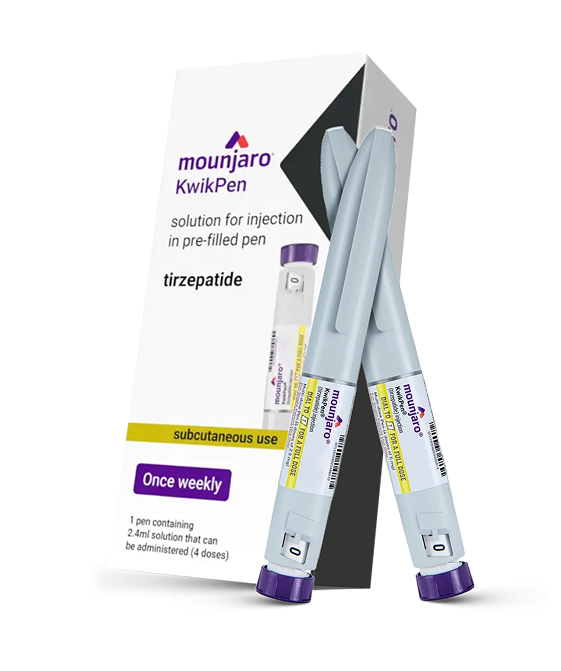
Mounjaro
Key Insights on Mounjaro Bloating
- Mounjaro slows stomach emptying, which can increase fullness, gas, and bloating.
- Large meals, fizzy drinks, and certain high-fibre foods may worsen digestive discomfort.
- Smaller, slower meals, gentle walking, and hydration can help relieve bloating.
- Foods rich in easily digestible protein and balanced fibre may reduce gas.
- Persistent or severe abdominal pain, ongoing vomiting, or swelling should prompt medical advice.
- Mild digestive changes usually improve as the body adjusts, especially after dose increases.
Why Does Mounjaro Cause Bloating?
When you begin Mounjaro, your digestive system may need time to adjust to a slower pace. This can cause Mounjaro bloating, as food remains in the stomach longer, giving natural digestive processes more time to produce gas and creating that familiar sense of fullness or trapped wind.
Many patients notice it more after dose increases as the body fine-tunes to the higher hormone activity. What often surprises patients is how subtle choices such as eating quickly, having a late-night snack, or slightly increasing fibre can amplify bloating. Some discover that spreading meals into smaller, measured portions or gently adjusting fibre intake makes a tangible difference.
Keeping a simple diary of meals and symptoms can uncover hidden patterns, offering a surprising edge in managing discomfort effectively. Even small tweaks can change how your stomach reacts, revealing insights most people wouldn’t expect.
Find Out If Mounjaro is Clinically Suitable
Start Your Free Consultation Now
 Clinician-led medical assessment
Personalised dosing and nutrition support
Ongoing clinical monitoring throughout treatment
Clinician-led medical assessment
Personalised dosing and nutrition support
Ongoing clinical monitoring throughout treatment 
Common Triggers That Can Make Mounjaro Bloating Worse
Identifying what makes Mounjaro bloating worse can help you manage discomfort before it builds up. Even small habits or common foods can amplify gas and fullness if your digestive system is adjusting to treatment.
- Eating Too Quickly: Swallowing air while eating fast can increase trapped wind and make bloating more noticeable.
- Large or High-Fat Meals: Big portions or fatty foods slow digestion, leaving you feeling full for longer.
- Fizzy Drinks and Artificial Sweeteners: Carbonation and sugar substitutes can generate extra gas, adding to bloating.
- Constipation and Dehydration: Slow bowel movements or inadequate fluid intake can intensify discomfort.
- Gas-Prone Foods: Beans, lentils, cabbage, onions, and broccoli are more likely to produce gas during digestion.
- Lack of Movement: Remaining sedentary after meals can slow digestion and prolong fullness.
Patient experiences show that small adjustments such as chewing food thoroughly, spacing out high-fibre foods, or taking short walks after meals can significantly reduce bloating and improve overall comfort during Mounjaro treatment.
Best Ways to Relieve Bloating While Taking Mounjaro
Understanding how small adjustments in daily habits and meal routines can influence digestion is key to staying comfortable during treatment. Practical strategies make a real difference in managing Mounjaro bloating effectively.
Smaller and Slower Meals
Eating smaller portions and taking time to chew each bite thoroughly helps the stomach digest food more efficiently. Patients often find that splitting meals into manageable sizes prevents sudden fullness and reduces gas buildup. This approach supports smoother digestion, reduces bloating, and allows the body to adjust naturally to changes in appetite during Mounjaro treatment.
Stay Hydrated
Drinking enough water is essential to support normal bowel movements and reduce bloating. Mild dehydration can silently worsen trapped wind, even if you feel only slightly thirsty. Maintaining consistent hydration throughout the day helps soften stool, improves digestion, and can make a noticeable difference in easing discomfort related to Mounjaro bloating. Learn more about hydration on Mounjaro in our hydration guide.
Gentle Post-meal Walking
Engaging in short walks after meals stimulates digestion and helps release trapped wind. Light movement encourages intestinal motility, preventing gas from lingering. Many patients notice that even a five-minute walk after lunch or dinner reduces fullness and discomfort, making digestive symptoms more manageable while helping the body adjust to Mounjaro’s effect on gastric emptying.
Peppermint tea
Sipping warm herbal teas such as peppermint or applying a warm compress over the stomach can relax digestive muscles and ease tension. Patients report that gentle warmth combined with sitting upright encourages the release of trapped gas, helping relieve mild bloating. These methods provide comfort and are simple strategies to support digestion alongside other lifestyle adjustments.
Manage Constipation Naturally
Balanced fibre intake, adequate hydration, and gentle exercise prevent stool buildup that can worsen bloating. Subtle lifestyle habits, like taking a morning walk or maintaining regular water intake, can make a big difference. Patients who monitor these factors often notice fewer episodes of trapped wind and improved overall digestive comfort while on Mounjaro.
Over-the-Counter Remedies
Simethicone-based products can help relieve occasional trapped gas, but they should not replace healthy eating and lifestyle habits. Patients find these remedies useful when used alongside smaller meals, hydration, and movement. Consulting a clinician before use ensures safety and effectiveness, helping manage Mounjaro bloating while maintaining comfort during treatment.
Symptoms usually improve gradually as the body adapts. For example, a patient who noticed increased bloating after a dose change found that combining smaller meals, slower eating, short walks, and consistent hydration significantly reduced discomfort over several weeks, highlighting the importance of tracking habits and observing patterns.
What to Eat and Avoid to Reduce Gas on Mounjaro
Diet plays a crucial role in managing bloating:
- Easy-to-digest foods: White fish, eggs, and soft vegetables may be gentler on the stomach.
- Protein choices: Whey protein shakes or small portions of lean meat can reduce heavy digestion demands.
- Fibre balance: Include fibre gradually to avoid excess fermentation and gas.
- Limit gas-producing foods: Beans, lentils, cruciferous vegetables, and high-fat fried foods may worsen bloating.
- Meal timing: Space meals evenly and avoid late-night heavy dinners.
- Hydration support: Adequate fluids improve gut motility and prevent bloating from constipation.
These dietary adjustments help patients maintain comfort without restricting essential nutrients. Balanced eating also supports Mounjaro treatment efficacy and overall well-being. Learn more about maintaining proper nutrition during treatment in our balanced eating guide.
When Mounjaro Bloating Requires Medical Advice
While mild bloating is usually temporary, certain warning signs warrant medical review:
- Severe or persistent abdominal pain
- Ongoing vomiting or nausea
- Symptoms possibly related to pancreatitis or gallbladder issues
- Constipation or swelling that disrupts daily life
- Signs of dehydration such as dizziness, dry mouth, or reduced urine output
It’s important to maintain open communication with a clinician. Medical advice ensures that treatment remains safe, effective, and comfortable for each individual.
Conclusion: Managing Mounjaro Bloating Safely
Mild bloating and trapped wind are common digestive adjustments during Mounjaro treatment and usually improve as your body adapts. Simple changes such as eating smaller meals, staying hydrated, adjusting fibre intake, and incorporating gentle movement can significantly ease discomfort.
Persistent or severe symptoms, however, should always be reviewed by a healthcare professional to ensure safe and effective treatment. If your bloating or digestive discomfort continues, contact the expert team at Mayfair Weight Loss Clinic. Our clinicians provide personalised advice and safe, evidence-based strategies to manage Mounjaro bloating, helping you stay comfortable and confident throughout your weight loss journey.
FAQs About Mounjaro and Bloating
How long do Wegovy side effects last?
Mild digestive side effects such as nausea, bloating, or gas usually ease within a few weeks as your body adjusts to the medication. Symptom duration can vary between patients, with some noticing improvements sooner while others may take slightly longer to adapt.
What are the side effects of Wegovy?
Common side effects include mild nausea, bloating, constipation, and occasional trapped wind. These are generally temporary, but if symptoms are severe, persistent, or interfere with daily life, professional medical advice should be sought promptly.
How to get rid of bloating on Wegovy?
Smaller meals, slower eating, gentle post-meal walking, and adequate hydration can help reduce bloating. Adjusting fibre intake and avoiding gas-prone foods can further support digestive comfort during treatment.
How to stop bloating on Mounjaro?
Eat smaller, more frequent meals and avoid foods that commonly cause gas. Staying hydrated and incorporating light activity after eating, such as short walks, can ease bloating and help the digestive system adjust more comfortably.
Is trapped wind common on Mounjaro?
Yes, mild trapped wind is common as the digestive system adapts to slower gastric emptying. Symptoms usually improve over time, especially when paired with dietary adjustments and hydration strategies.
Does constipation make Mounjaro bloating worse?
Yes, slow bowel movements can increase bloating and gas buildup. Maintaining hydration, balanced fibre intake, and gentle exercise can help alleviate constipation and reduce associated bloating.
What foods help reduce bloating on Mounjaro?
Easily digestible proteins, soft vegetables, and gradually introduced fibre help reduce bloating. It is also beneficial to limit large, fatty, or gas-producing meals, which can prolong digestive discomfort.
When should bloating become a concern?
Seek medical advice if bloating is severe, persistent, or accompanied by pain, vomiting, swelling, or significant disruption to daily life. Timely consultation ensures that more serious digestive issues are addressed safely.
Mounjaro
Wegovy