
How Much Weight Can You Lose Monthly on Mounjaro?
Understand how Mounjaro supports gradual, medically supervised weight loss over time in the UK.
Last updated Feb 19, 2026


If you’re thinking about how much weight you can lose each month with Mounjaro for weight loss, it’s important to remember that results depend on individual health, lifestyle, and clinical guidance. In the UK, Mounjaro is prescribed as part of a structured, medically supervised programme, focusing on gradual and sustainable progress.
Mounjaro (tirzepatide) is a once-weekly, prescription-only injection that helps regulate appetite and support blood sugar control. When combined with a healthy diet, regular exercise, and ongoing clinical review, it can support steady weight management, helping set realistic expectations for long-term results.
Mounjaro
- ✔ ~22.5% average body weight loss
- ✔ Significant weight reduction
- ✔ Improves blood sugar levels
- ✔ Clinically proven weight loss
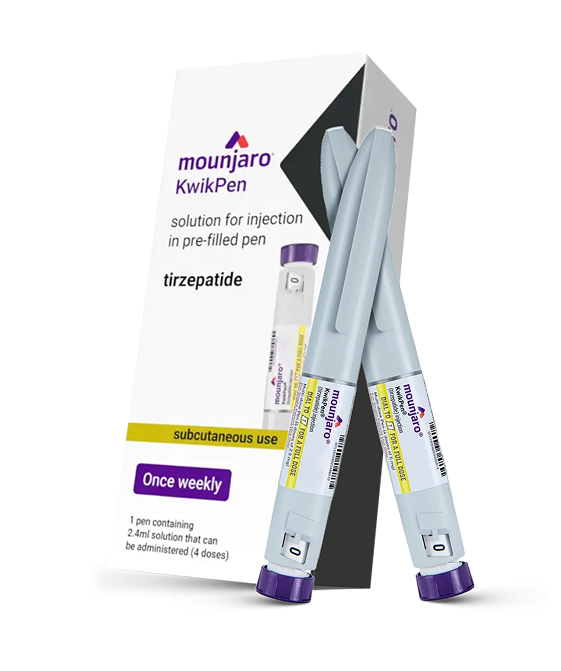
Facts You Need to Know About Mounjaro’s Role in Appetite Control
- Mounjaro (tirzepatide) helps control appetite and boost metabolism, working best with a balanced diet and exercise under medical supervision.
- Weight loss varies, with some losing up to 22.5% of their body weight over 72 weeks, depending on lifestyle and dosage.
- Long-term success relies on healthy habits like diet and exercise, with regular check-ups to adjust treatment as needed.
- Side effects like nausea are temporary, and dosage changes should be guided by a healthcare provider.
- Mounjaro should always be used as part of a supervised weight loss plan, with ongoing adjustments discussed with your healthcare professionals.

Month-by-Month Mounjaro Weight Loss Timeline: What to Expect?
Weight changes with Mounjaro can differ from person to person and are influenced by factors such as starting weight, dose increases, lifestyle habits, and clinical supervision. Clinical studies indicate that some individuals lost up to 22.5% of their body weight over a period of around 72 weeks on the 15 mg dose, though results vary. Weight loss usually occurs gradually, and monthly changes are not guaranteed. The information below is provided as a general guide and should not be taken as a prediction of individual results.
Month 1 – Starting dose (2.5 mg)
Treatment usually begins at a low dose to help the body adjust. During this stage, some people notice small changes on the scale, often linked to early appetite regulation and fluid changes rather than fat loss. You may feel fuller sooner and start forming healthier eating routines.
Month 2 – Dose increase (5 mg)
As the dose increases, appetite control may feel more consistent. Some individuals begin to see steadier weight changes alongside improved portion awareness and energy levels, particularly when treatment is supported by balanced meals and regular activity.
Month 3 – Dose progression (7.5 mg)
At this stage, gradual fat loss may become more noticeable for some people. Clothing fit and body shape changes can occur, though progress remains individual and should be monitored clinically.
Month 4 – Continued adjustment (10 mg)
Weight changes often continue at a measured pace. Many people report better hunger control and greater confidence with meal planning while using the weight loss injection Mounjaro as part of a supervised programme.
Month 5 – Higher dose range (12.5 mg)
Progress may continue steadily, with some individuals noticing changes in areas where weight previously felt harder to manage. Mobility and overall comfort can also improve when lifestyle habits remain consistent.
Month 6 – Maximum maintenance dose (15 mg)
By this point, some people reach a maintenance dose under medical supervision. Cumulative weight change reflects months of consistent treatment rather than rapid shifts, highlighting why the weight loss shot Mounjaro is intended for long-term, clinically guided weight management rather than quick results.
For safe and effective use of Mounjaro, always consult with a healthcare professional before making dose changes. May Fair Weight Loss Clinic recommends regular treatment reviews.

What Can Influence Your Weight Loss Results With Mounjaro
Weight changes can vary widely between individuals using prescription treatments. While Mounjaro for weight loss is prescribed as part of a medically supervised programme, outcomes depend on several personal and clinical factors. Understanding these can help set realistic expectations and support safe, sustainable progress over time.
Diet and Hydration Habits
A balanced, calorie-controlled diet plays an important role alongside treatment. Focusing on whole foods such as vegetables, fruit, wholegrains, lean proteins, and healthy fats can support appetite regulation and overall health. Staying well hydrated may also help manage hunger and reduce common early side effects such as nausea or headaches.
Highly processed foods, sugary drinks, and frequent alcohol intake may limit progress and reduce the overall benefit of treatment.
Physical Activity and Daily Movement
Regular movement supports weight management, metabolic health, and wellbeing. National guidance recommends aiming for around 150 minutes of moderate-intensity activity each week, adapted to your ability and lifestyle. This might include brisk walking, swimming, gardening, or structured exercise classes.
Even small changes, such as using stairs or walking short distances, can complement a weekly weight loss injection when maintained consistently.
Age, Metabolism, and General Health
As people age, natural metabolic changes can make weight loss slower. This does not prevent progress but may mean results appear more gradually. Maintaining healthy routines, including diet, activity, and sleep, remains important regardless of age.
General health status also plays a role. Factors such as hormonal balance, energy levels, and recovery can influence how the body responds to treatment.
Medical Conditions, Sleep, and Stress Levels
Underlying health conditions such as thyroid disorders, diabetes, or depression may affect weight regulation and should always be considered during clinical assessment. Sleep quality is equally important, as poor sleep can disrupt appetite hormones and increase stress-related eating.
Managing stress through techniques such as gentle exercise, mindfulness, or relaxation practices may support more consistent results when using a weight loss injection Mounjaro as part of a wider care plan.
Dose Progression, Time, and Plateaus
Mounjaro treatment typically begins at a low dose and increases gradually to allow the body to adjust safely. Some individuals may not notice significant changes until they reach a stable maintenance dose, as advised by their healthcare professionals.
Weight loss often occurs gradually over many months rather than quickly. Temporary plateaus are common and do not mean treatment is ineffective. Continuing prescribed treatment, reviewing lifestyle habits, and seeking medical advice if progress stalls can help ensure safe and appropriate use.

Common Mistakes That Can Slow Progress
- Weight management treatments work best when used consistently and alongside healthy habits. Sometimes, small behaviours can limit progress, but these can usually be addressed with the right support.
- Missing or delaying injections can affect how the medicine works in the body. Following the agreed weekly schedule helps maintain steady appetite regulation and supports gradual weight management.
- Overeating despite reduced appetite may reduce potential benefits. While the treatment can help control hunger, balanced meals and mindful portion sizes remain important.
- Not following dose adjustments recommended by a prescribing team may slow results. Dose changes are planned carefully to support tolerance and effectiveness, so it’s important not to alter the schedule independently.
- Relying on medication alone without making lifestyle changes can limit outcomes. Regular movement and nutritious eating play a key role alongside treatment.
- Stopping too early during plateaus is also common. Temporary pauses in weight change can happen. Staying consistent and discussing concerns with a healthcare professional helps ensure safe and appropriate ongoing use.


Can Mounjaro Help with Maintaining Weight Loss Long-Term?
Mounjaro, containing tirzepatide, has been shown in clinical trials to support weight loss by suppressing appetite and improving metabolic functions. However, it is essential that its use is combined with a healthy diet and regular physical activity for long-term success. UK health authorities, including the MHRA, emphasise that Mounjaro should be part of a structured plan, with balanced and factual information provided to users.
While Mounjaro can assist with weight reduction, its effectiveness for long-term weight management depends on lifestyle changes. Once a target weight is reached, stopping Mounjaro should be done under healthcare guidance. Ongoing weight management through proper nutrition and exercise is vital for sustaining results and ensuring long-term success in weight loss.
Maintaining Safe and Sustainable Weight Loss with Mounjaro
Mounjaro for weight loss can be an effective part of a structured weight management plan when combined with a balanced diet and regular physical activity. UK health authorities, including the MHRA, stress that Mounjaro should be used under professional supervision for the best results.
Long-term success with Mounjaro relies on maintaining healthy lifestyle habits, including proper nutrition and exercise. It’s essential to follow healthcare guidance when adjusting doses or stopping treatment to ensure continued safe and effective weight management.
Frequently Asked Questions
How does Mounjaro help with weight loss?
Mounjaro, containing tirzepatide, works by regulating appetite and supporting metabolic functions, helping individuals manage their weight alongside a balanced diet and regular physical activity.
Can Mounjaro be used for long-term weight management?
Yes, Mounjaro can support long-term weight management when used as part of a medically supervised programme that includes lifestyle changes such as diet and exercise.
What are the typical side effects of Mounjaro for weight loss?
Common side effects include nausea, headache, and changes in appetite. These are usually temporary and subside as the body adjusts to the medication.
How much weight can I expect to lose with Mounjaro?
Weight loss varies by individual, but Mounjaro may help reduce body weight gradually when used alongside lifestyle changes. Results differ depending on factors like diet, exercise, and dose adjustments.
Do I need to follow a specific diet while using Mounjaro?
Yes, for optimal results, Mounjaro should be used with a balanced, calorie-controlled diet rich in whole foods like fruits, vegetables, and lean proteins.
Can I stop Mounjaro after reaching my target weight?
It’s essential to discuss stopping Mounjaro with your healthcare provider, as continued support through healthy habits like nutrition and exercise is necessary to maintain weight loss.
Is Mounjaro suitable for everyone?
Mounjaro is prescribed to eligible adults as part of a structured weight management programme. It’s important to consult a healthcare provider to ensure it’s suitable based on individual health conditions.
How often should I use Mounjaro for weight loss?
Mounjaro is a once-weekly injection, and the dose may be adjusted over time based on your progress, under the supervision of your healthcare provider.
Mounjaro
- ✔ ~22.5% average body weight loss
- ✔ Significant weight reduction
- ✔ Improves blood sugar levels
- ✔ Clinically proven weight loss
Wegovy
- ✔ ~16.9% average body weight loss
- ✔ Boosts metabolic & cardiovascular health
- ✔ Proven, long-established safety profile
- ✔ Weekly injection, easy to use