
Can You Take Mounjaro If You Have Osteoarthritis? Safety and Benefits Explained
Learn how Mounjaro may support weight management, mobility, and joint comfort in adults living with osteoarthritis, alongside important safety and monitoring considerations.
Last updated May 13, 2026

 10 min read

Living with osteoarthritis can make weight management more difficult, especially when joint pain limits movement and daily activity. For some eligible adults, a clinically supervised plan involving a Mounjaro injection may support gradual weight reduction alongside healthier lifestyle changes, which could help reduce pressure on weight bearing joints over time.
Although Mounjaro is not approved specifically to treat osteoarthritis, healthcare professionals may still consider it suitable for some adults managing obesity related joint discomfort after a medical assessment. Many patients are now exploring whether treatment could improve mobility and daily comfort, but there are also important safety factors that should be understood before starting.
Mounjaro
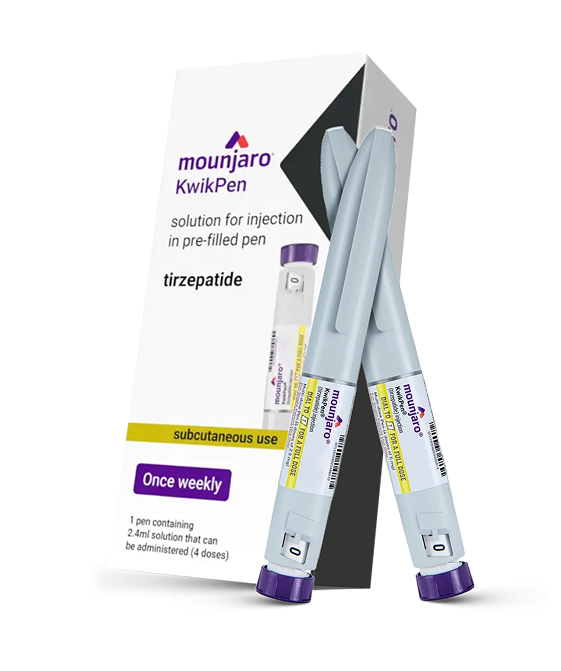
Can You Take Mounjaro Injection If You Have Osteoarthritis?
Many adults living with osteoarthritis may still be eligible for treatment with a Mounjaro injection following a professional medical assessment. Weight reduction achieved during treatment may help reduce pressure on the knees, hips, and other weight bearing joints, which could support improved comfort and mobility over time.
Clinical studies suggest that tirzepatide may also help support lower inflammation linked with obesity related joint strain and long term weight concerns. Even for individuals managing advanced osteoarthritis, healthcare professionals will usually assess overall health, current medicines, mobility, and treatment suitability before prescribing ongoing weight management treatment.
Key Insights About Mounjaro and Osteoarthritis
- Weight reduction during Mounjaro treatment may help reduce pressure on weight bearing joints and support better daily mobility.
- Clinical studies suggest tirzepatide may help lower inflammation linked with obesity related joint strain and stiffness.
- Regular monitoring is important to manage nutrition, muscle strength, hydration, and possible treatment side effects safely.
- Low impact exercise, balanced protein intake, and gradual activity increases may help protect long term joint health during weight loss.
- Mounjaro is not approved specifically to treat osteoarthritis, but healthcare professionals may consider it suitable for eligible adults after assessment.
How Mounjaro Weight Loss May Help Osteoarthritis Symptoms?
Excess weight can increase pressure on the joints and often worsen stiffness, swelling, and reduced mobility linked with osteoarthritis. Clinical studies suggest that weight reduction achieved with Mounjaro for weight loss may help ease strain on weight bearing joints while supporting better movement, comfort, and overall metabolic health.
Reduced Mechanical Load
Excess body weight can place ongoing strain on the knees, hips, ankles, and lower back throughout daily movement. Losing weight during treatment may help reduce pressure across these joints, which could support relief from chronic joint pain and improve overall physical comfort during routine activities.
Reduced Systemic Inflammation
Obesity is linked with inflammatory processes that may contribute to cartilage damage and worsening arthritis symptoms over time. Clinical studies suggest that tirzepatide may help lower certain inflammatory markers, which could potentially help adults experiencing Mounjaro knee pain alongside weight related joint stress.
Improved Mobility and Function
As body weight decreases and discomfort becomes easier to manage, many individuals may find movement and exercise more achievable again. Better mobility can also support muscle strength around vulnerable joints, which may help reduce stiffness and support those living with osteoarthritis hip problems.
Better Metabolic Health Support
Improved blood sugar balance, lower body fat levels, and healthier metabolic function may all contribute to improved long term joint management. Healthcare professionals often recognise that metabolic health and aching joints can sometimes be closely connected, particularly in adults living with obesity.
Support for Everyday Physical Activity
Reduced discomfort may gradually help individuals return to more consistent low impact physical activity such as walking, stretching, or swimming. Maintaining regular movement can support flexibility, joint stability, and long term physical independence when combined with appropriate medical guidance.
A regulated Mounjaro online consultation may help determine whether treatment is appropriate based on medical history, weight management goals, and existing joint conditions.
Find Out If Mounjaro is Clinically Suitable
Start Your Free Consultation Now
 Clinician-led medical assessment
Personalised dosing and nutrition support
Ongoing clinical monitoring throughout treatment
Clinician-led medical assessment
Personalised dosing and nutrition support
Ongoing clinical monitoring throughout treatment 
Why Monitoring Matters During Mounjaro Treatment for Osteoarthritis?
Regular monitoring is important when using a Mounjaro injection alongside osteoarthritis management, as healthcare professionals may need to review weight loss progress, side effects, nutrition, mobility, and joint function throughout treatment. Ongoing clinical support can also help identify changes in symptoms or muscle strength early, particularly in adults managing long term joint conditions.
Managing Rapid Weight Loss and Muscle Support
Gradual weight reduction is often considered safer for protecting muscles that support vulnerable joints. Losing weight too quickly may reduce muscle strength around the knees, hips, and lower back, which could affect balance, stability, and overall movement in adults already living with joint pain.
Identifying New or Worsening Symptoms
Some individuals may experience temporary muscle discomfort or body aches during the early stages of treatment. Careful symptom monitoring can help healthcare professionals determine whether these changes are linked to treatment adjustment, existing arthritis symptoms, or worsening aching joints requiring further assessment.
Preventing Nutritional Deficiencies
Reduced appetite during treatment may sometimes lower intake of nutrients important for bone and joint health, including calcium, protein, and vitamin D. Routine clinical monitoring may help identify nutritional deficiencies early and support safer long term weight management.
Managing Gastrointestinal Side Effects
Digestive side effects such as nausea, constipation, diarrhoea, or reduced fluid intake can occasionally contribute to dehydration and fatigue. Maintaining hydration and monitoring symptoms carefully may help reduce physical discomfort and support better day to day recovery during treatment.
Monitoring Other Medicines
Because tirzepatide may slow stomach emptying, absorption of some oral medicines could occasionally be affected during treatment. Regular medication reviews can help ensure that existing osteoarthritis treatments and pain management plans continue working effectively.
Supporting Mobility and Joint Function
Healthcare professionals may also monitor physical activity levels, flexibility, and mobility improvements throughout treatment. Gradual weight reduction may help reduce strain linked with osteoarthritis hip discomfort while supporting safer movement and better long term joint function.
What Are the Side Effects of Osteoarthritis on Mounjaro?
- Joint pain is not commonly listed as a direct side effect of Mounjaro, although some adults may notice temporary muscle or body discomfort during treatment.
- Changes in body weight and movement patterns during rapid weight loss may sometimes affect existing osteoarthritis symptoms or joint stability.
- The most commonly reported side effects are digestive related and may include nausea, diarrhoea, constipation, vomiting, stomach discomfort, or reduced appetite.
- Some individuals may also experience mild redness, swelling, or irritation around the injection site after administration.
- Fatigue, dizziness, or headaches can occasionally occur during treatment, particularly during dose increases or reduced food intake.
- Low blood sugar may develop in some individuals, especially when tirzepatide is used alongside other diabetes related medicines.
Tips to Support Joint Health While Taking Mounjaro Injection
Maintaining joint health during treatment often involves more than weight reduction alone. Healthcare professionals usually recommend combining lifestyle support, balanced nutrition, gradual physical activity, and regular monitoring to help protect mobility and reduce unnecessary strain on the joints.
Adults using Mounjaro for weight loss may benefit from building healthy daily habits that support muscle strength, flexibility, and long term physical wellbeing throughout treatment.
Stay Physically Active Safely
Low impact activities such as walking, swimming, stretching, or cycling may help improve flexibility and support joint movement without placing excessive stress on vulnerable areas. Gentle movement can also help reduce stiffness linked with reduced mobility.
Focus on Protein Intake
Protein plays an important role in supporting muscle maintenance during weight reduction. Including balanced protein sources within meals may help preserve strength, support recovery, and improve overall physical function throughout treatment.
Protect Muscle Mass During Weight Loss
Rapid weight reduction may sometimes lead to muscle loss if nutrition and physical activity are not properly managed. Maintaining muscle support around the joints can help improve stability, balance, and long term mobility.
Wear Supportive Footwear
Supportive footwear may help reduce unnecessary pressure on the knees, hips, ankles, and lower back during everyday movement. Proper cushioning and stability can become especially important for adults managing existing joint discomfort.
Avoid Rapid Overexertion
Increasing physical activity too quickly may worsen fatigue, stiffness, or muscle discomfort during treatment. Gradual progression with exercise and recovery time is often considered safer for protecting long term joint health.
Stay Hydrated Throughout Treatment
Proper hydration may help support muscle function, circulation, and overall physical recovery during treatment. Drinking enough fluids can also help reduce the risk of dehydration linked with digestive side effects such as nausea or diarrhoea.
Conclusion: Understanding Mounjaro and Osteoarthritis Support
For some eligible adults living with osteoarthritis and obesity related health concerns, a Mounjaro injection may support gradual weight reduction, which could help reduce pressure on weight bearing joints and improve overall mobility. Healthcare professionals will usually assess medical history, current medicines, and long term suitability before treatment begins.
Although Mounjaro is not approved specifically as an arthritis treatment, clinical studies suggest that medically supervised weight management may support better joint comfort, movement, and physical wellbeing over time. Regular monitoring, balanced nutrition, hydration, and safe physical activity can all play an important role in protecting long term joint health during treatment.
FAQs
Can Mounjaro help with osteoarthritis?
Mounjaro is not licensed to treat osteoarthritis directly, but weight reduction achieved during treatment may help reduce pressure on weight bearing joints and support improved mobility in some adults.
Can losing weight reverse osteoarthritis?
Weight loss cannot fully reverse osteoarthritis, as joint damage may already be present. However, reducing excess weight may help ease strain on the joints and improve everyday comfort and movement.
Does Mounjaro help with joint pain?
Some adults may notice improvements in joint discomfort as body weight decreases during treatment. Reduced pressure on the knees, hips, and lower back may support better physical function over time.
Is Mounjaro safe for adults with arthritis?
Healthcare professionals may consider Mounjaro suitable for some adults with arthritis after reviewing medical history, current medicines, and overall treatment suitability through a clinical assessment.
Can rapid weight loss affect joint health?
Losing weight too quickly may sometimes contribute to muscle loss, which can affect joint stability and physical strength. Gradual and medically supervised weight reduction is usually recommended.
What exercises are best during Mounjaro treatment?
Low impact activities such as walking, swimming, stretching, or cycling are often considered more suitable for supporting mobility while reducing unnecessary strain on the joints.
Can dehydration worsen joint discomfort during treatment?
Digestive side effects such as diarrhoea or vomiting may occasionally increase dehydration risk, which can sometimes worsen muscle discomfort, fatigue, or physical recovery during treatment.
Should adults with osteoarthritis monitor nutrition while using Mounjaro?
Yes. Reduced appetite during treatment may lower intake of nutrients important for muscle, bone, and joint health, so balanced nutrition and regular monitoring are often recommended.
Mounjaro
Wegovy