Can You Take Mounjaro After Pregnancy and C-Section? What You Should Know
There is no fixed waiting period for starting Mounjaro after giving birth or a C-section, as suitability depends on postpartum recovery and individual clinical circumstances.
Last updated Sep 01, 2026

 10 min read

Mounjaro (tirzepatide) should not be used during pregnancy. After giving birth, there is no single waiting period that applies to everyone, as suitability for treatment depends on postpartum recovery, breastfeeding, medical history and whether you meet the clinical criteria for weight management.
Recovery after a C-section may require additional consideration because the body is healing from major abdominal surgery. A healthcare professional can assess your recovery, nutritional needs and any pregnancy or delivery-related complications before deciding when Mounjaro may be appropriate.
Mounjaro
- ✔ ~22.5% average body weight loss
- ✔ Significant weight reduction
- ✔ Improves blood sugar levels
- ✔ Clinically proven weight loss
Key Takeaways for Mounjaro After Pregnancy
- There is no fixed waiting period for starting Mounjaro after giving birth; timing depends on individual health and recovery.
- Recovery from a C-section, including wound healing, nutrition and any complications, should be considered before treatment.
- Mounjaro may be considered during breastfeeding following an individual assessment with a healthcare professional.
- A history of gestational diabetes may require additional blood glucose and metabolic follow-up after pregnancy.
- If you are not breastfeeding, Mounjaro may be considered if you meet the clinical eligibility criteria for weight management.
- A healthcare professional should assess your postpartum health and treatment suitability before Mounjaro is started.
Can You Take Mounjaro During Pregnancy?
No, you should not take Mounjaro while pregnant. There is not enough human data to establish whether tirzepatide is safe for a developing baby, while animal studies have shown reproductive risks, including effects on fetal growth and development.
Mounjaro also reduces appetite and supports weight loss, whereas pregnancy requires adequate calorie and nutrient intake to support maternal health and fetal development. If you become pregnant while taking Mounjaro, speak to your healthcare professional about stopping treatment. If you are planning a pregnancy, Mounjaro should be stopped at least one month before trying to conceive.
Can You Take Mounjaro After Having a Baby?
Mounjaro may be considered after having a baby if you meet the eligibility criteria for weight management and your prescriber considers treatment appropriate. Although Mounjaro should not be used during pregnancy, having recently given birth does not automatically rule out treatment.
For women considering Mounjaro postpartum, suitability depends on individual health and circumstances. Specific considerations around treatment timing, C-section recovery and breastfeeding are discussed in the sections below.
When Can You Start Mounjaro After Giving Birth?
There is no fixed number of weeks after giving birth when Mounjaro should be started. Timing is determined by whether you meet the clinical eligibility criteria for weight management and whether any postnatal health concerns require further assessment. Your clinician may consider factors such as breastfeeding, nutritional intake and pregnancy-related conditions including gestational diabetes.
Any complications following childbirth may also need to be reviewed before treatment begins. Mounjaro should therefore be considered according to your current clinical needs rather than simply the amount of time that has passed since delivery.
Can I Take Mounjaro After a C-Section?
Having a C-section does not have a specific Mounjaro waiting period, but recovery from the procedure should be considered before treatment begins. A caesarean section is major abdominal surgery, so your immediate priority is adequate healing, nutrition and postnatal recovery.
Before considering Mounjaro after a C-section, a healthcare professional may assess how well you are recovering, including wound healing, mobility, nutritional intake and whether you have experienced any post-operative or postnatal complications. This is particularly important because Mounjaro can cause gastrointestinal side effects such as nausea, vomiting and diarrhoea, which may make maintaining adequate food and fluid intake more difficult.
The appropriate starting point therefore varies between individuals. Instead of following a general C-section timeline, Mounjaro should be considered when your recovery is progressing appropriately and a clinician has confirmed that weight management treatment is suitable for you.
Can You Take Mounjaro While Breastfeeding?
Mounjaro may be considered during breastfeeding, but the decision should be made individually with a healthcare professional. Current UK prescribing information reports that tirzepatide was undetectable or present at very low levels in breast milk following a single 5 mg dose in a small study of 11 women.
However, it is not known whether the reduced food intake associated with tirzepatide could affect the composition or nutritional content of breast milk. Your prescriber should therefore consider your health, nutritional needs, breastfeeding circumstances and overall postpartum recovery before deciding whether Mounjaro is appropriate.
If you are not breastfeeding or have stopped breastfeeding, Mounjaro may be considered if you meet the clinical eligibility criteria for weight management. Your suitability should still be assessed individually, particularly following pregnancy, a C-section or other delivery-related complications.
How the Mounjaro Pen Works After Pregnancy
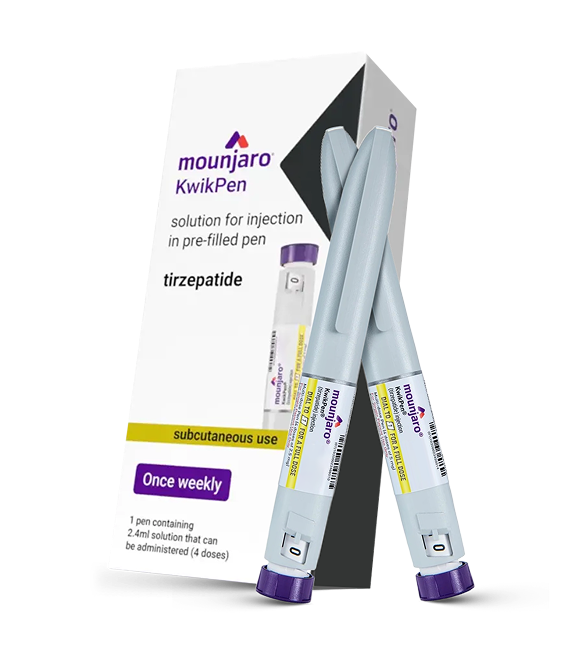
The Mounjaro Pen contains tirzepatide, which activates GIP and GLP-1 receptors involved in appetite and blood glucose regulation. It can help reduce hunger, increase feelings of fullness and slow gastric emptying, which may support a lower calorie intake.
As a weight-loss treatment, Mounjaro can also improve blood glucose control and may reduce persistent thoughts about food, sometimes described as “food noise”. Clinical studies have shown average weight reductions of around 15–22.5% over 72 weeks at different tirzepatide doses when treatment was combined with lifestyle intervention.
After pregnancy, these effects should be considered alongside your nutritional needs and overall health. Mounjaro should therefore form part of an individually assessed weight-management plan when a healthcare professional considers treatment appropriate.
Why is Postpartum Weight Loss Difficult?
Weight loss after pregnancy can vary considerably as the body continues to recover from pregnancy and childbirth. Hormonal changes, disrupted sleep, fatigue and changes in appetite can influence eating habits, energy levels and the ability to return to regular physical activity, particularly following a C-section or complicated delivery.
For women exploring Mounjaro postpartum as part of their weight-management options, these recovery factors remain important. Breastfeeding can increase nutritional and energy requirements, while caring for a newborn may make regular meals, adequate sleep and exercise more difficult to maintain. Together, these factors can influence both the pace of postpartum weight loss and how easily sustainable weight-management habits can be established.
Mounjaro vs Other Postpartum Weight Loss Options
Medical treatment is only one part of safe and effective postpartum care. Many women benefit from combining multiple supportive approaches, such as:
- Nutritional guidance to restore energy and support hormonal balance
- Postnatal physiotherapy to rebuild strength and improve mobility
- Sleep optimisation to help regulate metabolism and appetite hormones
- Structured medical support with clinician-led monitoring and guidance
These strategies help the body recover while supporting gradual, sustainable fat loss. Compared to lifestyle changes alone, the Mounjaro Pen may offer additional support by improving appetite regulation and metabolic control. The most appropriate combination of these approaches will depend on individual recovery, health needs and weight-management goals.
Creating a Long-Term Postpartum Weight Management Plan
Long-term postpartum weight management should focus on sustainable habits rather than rapid weight loss. A balanced approach may include nutritious meals, gradually increasing physical activity when appropriate, adequate rest and realistic weight-management goals that can be maintained alongside the demands of caring for a baby.
For women considering Mounjaro postpartum, treatment can be incorporated into a longer-term weight-management plan when clinically appropriate. Ongoing review can help assess progress, treatment response and whether the overall approach continues to meet your changing health and weight-management needs.
When to Speak to a Healthcare Professional
If you are considering the weight loss injection Mounjaro after pregnancy, a clinician-led review is important to determine whether treatment is appropriate for you. A healthcare professional should review your circumstances if any of the following apply:
- You are unsure whether you meet the BMI and clinical eligibility criteria
- You have a history of gestational diabetes
- You experience persistent fatigue or low energy levels
- You have thyroid-related symptoms, such as unexplained weight changes
- You are finding weight management difficult despite consistent diet and lifestyle changes
It is also important to understand key treatment considerations:
- Common side effects may include nausea, diarrhoea, constipation or vomiting, particularly when starting treatment or increasing the dose
- Reduced appetite may make it harder to meet your nutritional needs, making a balanced, nutrient-rich diet important
- Mounjaro may affect the effectiveness of oral hormonal contraceptives, so additional or alternative contraception may be advised at certain stages of treatment
A full medical assessment can identify metabolic, nutritional or recovery-related factors that may influence treatment and help determine an appropriate postpartum weight-management plan.
Conclusion: Mounjaro After Pregnancy
Starting Mounjaro after pregnancy requires careful consideration of your health and how your body has recovered following childbirth. Rather than focusing only on weight loss, treatment should fit appropriately within your wider postnatal care and support your health as your needs continue to change.
At Mayfair Weight Loss Clinic, a clinician-led assessment can help establish whether Mounjaro is suitable for you. Ongoing clinical support can also help you manage treatment, monitor your progress and work towards sustainable weight-management goals over the longer term.
FAQs on Mounjaro and Postpartum Weight Loss
Do you need a postnatal check before starting Mounjaro?
A postnatal review can help identify health or recovery concerns that may need attention before weight management treatment is considered. If you are interested in Mounjaro, your prescriber will carry out an appropriate clinical assessment to determine whether you meet the treatment criteria and whether it is suitable for your circumstances.
Can you take Mounjaro after gestational diabetes?
A history of gestational diabetes does not automatically prevent you from being considered for Mounjaro. However, follow-up after pregnancy is important because gestational diabetes is associated with an increased future risk of type 2 diabetes. Your blood glucose and overall metabolic health may therefore need to be reviewed before treatment.
Can you take Mounjaro after a vaginal birth?
Having a vaginal birth does not create a specific Mounjaro waiting period. Your individual health, postnatal recovery and eligibility for weight management treatment still need to be considered before starting. Any complications experienced during or after delivery should also be discussed with your healthcare professional.
Can you use Mounjaro if you plan to have another baby?
Mounjaro should not be used during pregnancy. If you are planning another pregnancy, discuss your treatment with your prescriber in advance so Mounjaro can be stopped within the recommended timeframe before trying to conceive. Your weight-management plan can then be adjusted appropriately.
Does Mounjaro affect contraception after pregnancy?
Mounjaro can reduce the effectiveness of oral hormonal contraceptives because delayed gastric emptying may affect their absorption, particularly when treatment is started and after dose increases. Women using an oral hormonal contraceptive should discuss additional or alternative contraception with their healthcare professional.
Can you take Mounjaro postpartum if you are not breastfeeding?
Mounjaro may be considered postpartum if you are not breastfeeding, provided you meet the clinical criteria for treatment. Your prescriber should still assess your recovery, nutritional status, medical history and any pregnancy or delivery-related complications before deciding whether treatment is appropriate.
Can you restart Mounjaro after having a baby if you used it before pregnancy?
Previous Mounjaro use does not mean you should automatically restart at your former dose after pregnancy. Your current eligibility, health and circumstances should be reassessed, and your prescriber can determine an appropriate treatment plan rather than simply continuing your previous regimen.
Mounjaro
- ✔ ~22.5% average body weight loss
- ✔ Significant weight reduction
- ✔ Improves blood sugar levels
- ✔ Clinically proven weight loss
Wegovy
- ✔ ~16.9% average body weight loss
- ✔ Boosts metabolic & cardiovascular health
- ✔ Proven, long-established safety profile
- ✔ Weekly injection, easy to use