Weight Loss Treatments
We offer the following weight loss injections treatment options to help you in your weight loss journey. You can request weight loss injections online at Mayfair Weight Loss Clinic. All treatment options are subject to approval by our UK-registered prescribers following the completion and assessment of the medical consultation form. View the weight loss treatment options below for more information.
Wegovy Injection (Semaglutide Injections)
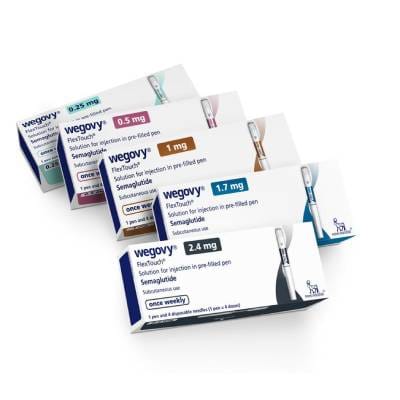
Mounjaro (Tirzepatide Injections)
Wegovy Pills
Saxenda-2 Saxenda Injection
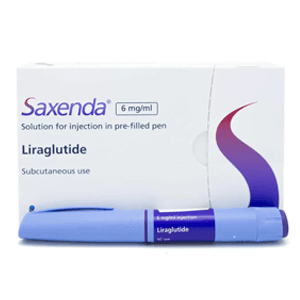
Saxenda Injection (Liraglutide)
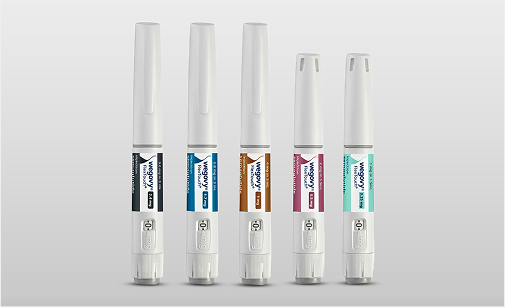
Wegovy Injection 2 (Tirzepatide Injections)
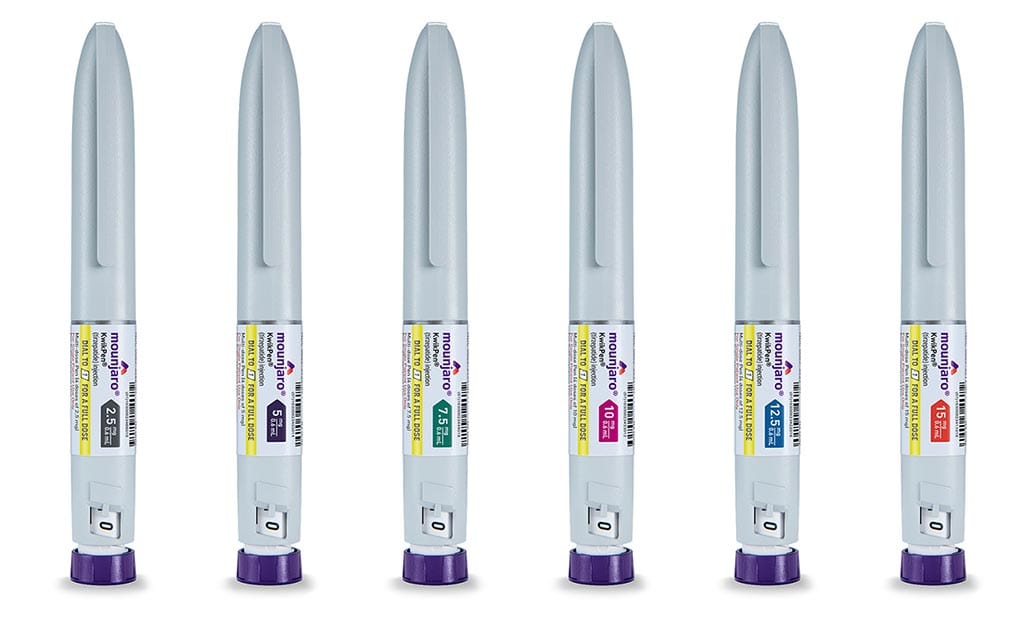
Mounjaro Injection (Tirzepatide Injections)

Private & Confidential

Genuine Medication

No Hidden Fees

Next Day Delivery
Benefits of Using Our Online Services
- Easy treatment access – Our fully remote online doctor consultation service makes it simple and convenient. There’s no appointment waiting time, no need for in-person visits, and your requests are processed quickly.
- Clear Pricing – We have no hidden charges, and our prices remain competitive. The amount shown when you place your request is exactly what you will pay.
- Private, discreet delivery – After your prescription is approved, your treatment is delivered discreetly to the address you choose.
- Ongoing Free Clinical Support – Our clinicians provide continuous guidance and support throughout your treatment journey.
- Needles provided – Needles can be supplied upon request as part of your weight loss injection treatment.
Which Weight Loss Treatments Are Available for Obesity?
There are several effective weight loss treatments available to help individuals achieve and maintain a healthier weight. Our service focuses on prescription weight loss injections, supported by clinician guidance on diet, exercise and ongoing care. For the best results, injections should be combined with a balanced diet and regular physical activity.
Weight Loss Medication
We offer prescription weight loss injections as part of our treatment approach.
The currently licensed options available in the UK include:
- Wegovy
- Mounjaro
- Saxenda
Eligibility for these medications depends on specific clinical criteria, typically based on body mass index (BMI) and the presence of weight-related health conditions. Each medication may have slightly different eligibility requirements.
Weight loss injections in the UK are prescription-only treatments. A clinician will assess your suitability before prescribing to ensure safe and effective results. When using weight loss medication, it is important to follow a structured low-calorie diet and maintain a consistent exercise routine to maximise effectiveness.
To support your progress, our clinicians provide comprehensive guidance on medication use, nutrition strategies to enhance weight loss and minimise side effects, and practical advice for building sustainable exercise habits. Ongoing support is also available through your patient account, where our medical team can assist you with any questions or concerns at any time.
Weight Loss Injections
Weight loss injections work by helping to reduce appetite and increase feelings of fullness between meals. They achieve this by acting on areas of the brain that regulate hunger and satiety.
Wegovy and Mounjaro are administered once weekly, while Saxenda is taken once daily.
Through our service, weight loss injections may be prescribed if you meet the following BMI criteria:
- A BMI of 30 or higher
- A BMI between 27 and 30, along with a weight-related health condition or risk factor such as high blood pressure or sleep apnoea
It is essential to provide complete and accurate medical information to your doctor. This is important because these medications may lead to serious health complications or significant side effects if used when not medically appropriate.
Weight Loss Injections Comparison
If you are unsure which weight loss injection may be most suitable for you, we have provided a comparison of the three most commonly prescribed treatments. You can also speak with one of our doctors, who can assess your circumstances and help determine the most appropriate option for you.
| Feature | Mounjaro | Wegovy | Saxenda |
|---|---|---|---|
| Active Ingredient | Tirzepatide (a GLP-1 and GIP receptor agonist) | Semaglutide (a GLP-1 receptor agonist) | Liraglutide (a GLP-1 receptor agonist) |
| How does it work? | By reducing your appetite | By reducing your appetite | By reducing your appetite |
| Dosage Schedule | Increased every 4 weeks to a maximum maintenance dose of 15mg | Increased every 4 weeks to a maximum maintenance dose of 7.2mg | Increased every week to a maximum maintenance dose of 3.0mg |
| How often do you take it? | Once a week, at the same time and day | Once a week, at the same time and day | Once a day, at the same time |
| How do you take it? | With an injectable pen that contains 4 prefilled doses | With an injectable pen that contains 4 prefilled doses | With an injectable pen that contains prefilled doses |
| Effectiveness (Clinical Studies) | People lost up to 22.5% of their body weight after 72 weeks on 15mg | People lost an average of around 20.7% of their body weight after 72 weeks on the 7.2mg dose | People lost around 8% of their body weight after 56 weeks on 3.0mg |
| Cost | From £189.00 | From £139.00 | From £74.99 |
| Very Common Side Effects | Nausea, diarrhoea, vomiting, constipation, stomach pain | Nausea, diarrhoea, vomiting, constipation, headache, stomach pain | Nausea, diarrhoea, vomiting, constipation, headache, feeling weak or tired |
| Prescription only? | Yes | Yes | Yes |
Weight Loss Injections Overview
Wegovy (Semaglutide)
Wegovy is a once-weekly injectable weight loss treatment that contains semaglutide, a glucagon-like peptide-1 (GLP-1) receptor agonist.
How Wegovy works
Wegovy mimics the action of the natural GLP-1 hormone, which is released in the gut after eating. This hormone communicates with the brain to promote feelings of fullness and reduce hunger. It also supports blood sugar regulation by stimulating insulin release.
How to take Wegovy
Wegovy is administered via a subcutaneous injection once a week. Treatment begins at 0.25 mg, with the dose gradually increased over approximately 20 weeks to help the body adjust. The maintenance dose is typically 7.2 mg weekly, though in some cases it may differ depending on clinical guidance.
How Effective is Wegovy
Clinical studies show people can lose around 20.7% of their body weight after around 72 weeks on the 7.2 mg dose. Results vary between individuals.
Semaglutide was originally used in lower doses under the name Ozempic for type 2 diabetes. Wegovy contains a higher, weight-management-specific dose and is licensed for obesity treatment. Type 2 diabetes medications are not recommended for weight loss use outside their approved indications.
Mounjaro (tirzepatide)
Mounjaro is a once-weekly injection used for weight management and type 2 diabetes, containing the active ingredient tirzepatide.
How Mounjaro works
Tirzepatide is a dual receptor agonist, meaning it acts on both GLP-1 and glucose-dependent insulinotropic polypeptide (GIP) pathways. These hormones are naturally released after eating and help regulate appetite, satiety, and blood sugar levels. By enhancing these signals, Mounjaro reduces hunger and supports calorie reduction.
Because Mounjaro and Wegovy use different active ingredients, individuals may respond differently and experience varying side effect profiles.
How to take Mounjaro
Mounjaro is injected once weekly, typically into the abdomen or thigh. Treatment starts at 2.5 mg per week and is gradually increased every few weeks as tolerated, up to a maximum maintenance dose of 15 mg weekly.
How Effective is Mounjaro
Clinical trials show that Mounjaro can result in significant weight loss, with participants losing up to 22.5% of their starting body weight after around 72 weeks at the highest dose.
Saxenda (liraglutide)
Saxenda is a once-daily injectable weight loss treatment containing liraglutide, another GLP-1 receptor agonist.
How Saxenda works
Saxenda mimics the GLP-1 hormone naturally released after eating. It signals the brain to reduce appetite and increase feelings of fullness. It also slows gastric emptying and helps regulate blood sugar by enhancing insulin secretion when needed.
How to take Saxenda
Saxenda is injected once daily under the skin, usually in the abdomen, thigh, or upper arm. Treatment begins at 0.6 mg per day and is increased weekly over 5 weeks until the maintenance dose of 3 mg daily is reached. This gradual titration helps reduce side effects and improve tolerability.
How Effective is Saxenda
Clinical trials indicate that Saxenda can help individuals lose approximately 8–10% of their starting body weight over 56 weeks when combined with a reduced-calorie diet and regular physical activity. Results vary depending on adherence to treatment and lifestyle changes. Liraglutide was originally developed at lower doses for type 2 diabetes under the brand name Victoza. At higher doses, it is specifically licensed for weight management as Saxenda.
Weight Loss Medications and Effectiveness in Clinical Trials
All licensed weight loss medications have demonstrated effectiveness in clinical trials, which is why they are approved for use in the UK. However, trial designs differ in terms of participant numbers, duration, and dosing, so results are not directly comparable in a strict sense. The figures below provide a general indication of expected outcomes.
It is important to note that results are significantly improved when medication is combined with a reduced-calorie diet and regular physical activity.
| Weight Loss Medication | Effectiveness in Clinical Studies |
|---|---|
| Mounjaro | Participants lost up to 22.5% of their starting body weight after 72 weeks on the 15 mg maintenance dose |
| Wegovy | Participants lost an average of around 20.7% of their starting body weight after 72 weeks on the 7.2 mg maintenance dose |
| Saxenda | Participants lost around 8% of their starting body weight after 56 weeks on the maintenance dose |
Side Effects of Weight Loss Treatment
Weight loss treatments may cause side effects in some individuals. These effects can vary depending on the specific medication and how your body responds.
Common side effects may include:
- Abdominal pain
- Diarrhoea or constipation
- Headache
- Nausea or vomiting
- Changes in taste
- Fatigue
Rapid weight loss can also lead to physical changes in the body. You may notice skin becoming looser in areas where fat has reduced. Stretch marks can also develop as the skin expands and contracts during weight changes.
In females, weight loss and changes in body weight can affect the menstrual cycle. While being overweight can contribute to irregular or missed periods, weight loss itself may also temporarily disrupt cycle regularity. Once a stable, healthy weight is achieved, menstrual cycles may become more consistent over time.
Diet on Weight Loss Medications
Adjusting your diet is one of the most effective ways to support weight loss, particularly by reducing overall calorie intake. Calories represent the energy contained in food and drinks. When you consume more calories than your body uses, the excess is stored as fat.
As a general guideline, adult men require around 2,500 calories per day and adult women around 2,000 calories. However, individual needs vary depending on age, body size, and activity levels. For safe and sustainable weight loss, the NHS recommends following a balanced diet and reducing daily calorie intake by approximately 600 calories.
You can check food packaging for nutritional information, including calorie content, to help you make informed choices.
Physical Activity on Weight Loss Medications
Regular exercise is an important part of weight management. It helps burn calories, improves overall fitness, and supports a healthy metabolism.
A common recommendation is around 30 minutes of moderate activity per day, such as brisk walking, swimming, or cycling. Alternatively, at least 75 minutes per week of vigorous activity can be performed, including running, weight training, football, basketball, or boxing. Consistent physical activity also reduces the risk of conditions such as type 2 diabetes and high blood pressure. It can improve mood, support mental wellbeing, increase energy levels, and contribute to better sleep quality.
Can I Switch Weight Loss Injections?
Yes, it is possible to switch from one weight loss injection to another. However, these treatments are not directly interchangeable, so any change must be reviewed and approved by a doctor before proceeding.
Switching between Mounjaro and Wegovy
| Feature | Wegovy | Mounjaro |
|---|---|---|
| Cost | From £139.00 | From £189.00 |
| Active ingredient | Semaglutide (GLP-1) | Tirzepatide (GLP-1 and GIP) |
| How often do you take it? | Weekly | Weekly |
| How do you take it? | Injected with a self-injectable pen | Injected with a self-injectable pen |
| Effectiveness for weight loss | On average, around 15% weight loss was achieved on the highest maintenance dose after approximately 68 weeks.* | 22.5% weight loss from starting weight over 72 weeks on highest maintenance dose.* |
| Licensed for reducing risk in people with heart disease? | Yes, for eligible adults with established cardiovascular disease. | No |
Switching from Mounjaro to Wegovy
If you are new to our service, to switch from Mounjaro to Wegovy, you can request Wegovy treatment through your patient account. A doctor will review your medical history and confirm whether you meet the eligibility criteria:
- BMI between 27 and 30 with a weight-related health condition, or
- BMI of 30 or above
If you are already a patient with us, you can simply complete a short health questionnaire in your patient account to request a switch. Many patients who are eligible for Mounjaro may also be suitable for Wegovy, but our doctors will always review your case to ensure Wegovy is safe and appropriate for you.
If approved, your doctor will prescribe a suitable starting dose of Wegovy based on your current Mounjaro dose. You will usually need to wait 7 days after your last Mounjaro injection before starting Wegovy.
Explore WegovySwitching from Wegovy to Mounjaro
To switch from Wegovy to Mounjaro, new patients should request Mounjaro treatment through their patient account. A doctor will assess your eligibility, medical history, and current Wegovy dose before confirming whether Mounjaro is suitable.
If you are already registered with us, you do not need to start a new application. Simply complete a short questionnaire in your account, and our clinicians will review whether Mounjaro is appropriate for you.
If approved, you will begin on the recommended starting dose of Mounjaro and gradually increase to a maintenance dose that is safe, effective, and tailored to your needs.
Explore MounjaroSwitching from Mounjaro to Saxenda
Switching from Mounjaro to Saxenda may be recommended if you experience side effects, find the medication difficult to tolerate, or prefer a daily injection instead of a weekly one. Your suitability for switching will depend on your medical history and weight loss goals.
Both treatments reduce appetite and increase feelings of fullness, but they work in slightly different ways. Mounjaro acts on both GLP-1 and GIP receptors, while Saxenda acts only on GLP-1. When switching, your body moves from a dual-hormone approach to a single-hormone mechanism, which may affect appetite control and weight loss response.
Any switch should only be done under medical supervision. Typically, Mounjaro is stopped and Saxenda is started at 0.6 mg daily, with gradual increases up to 3 mg over several weeks. Saxenda remains an effective weight loss treatment, although average weight loss outcomes may be slightly lower compared to Mounjaro, depending on individual response and adherence.
Explore SaxendaSwitching from Saxenda to Mounjaro
Switching from Saxenda to Mounjaro may be considered if weight loss results are not sufficient or if you prefer a once-weekly injection instead of a daily one. It may also be recommended if a stronger treatment effect is clinically appropriate.
Saxenda works only through GLP-1 receptors, whereas Mounjaro acts on both GLP-1 and GIP receptors. This dual mechanism may provide greater appetite suppression, improved blood sugar control, and potentially higher weight loss outcomes.
When switching, Saxenda is usually stopped and Mounjaro is started at 2.5 mg once weekly. The dose is then gradually increased over time as tolerated. Clinical studies suggest Mounjaro may produce greater average weight loss than Saxenda, with some individuals achieving over 20% reduction in body weight.
Explore MounjaroWhy Testing Cholesterol and Blood Sugar Matters
Your weight is influenced by more than diet and exercise alone. Blood sugar and cholesterol levels play an important role in how your body processes and stores energy. Checking these levels can help identify underlying factors that may make weight management more difficult.
HbA1c (Blood Sugar)
HbA1c measures the amount of glucose attached to red blood cells. It reflects your average blood sugar levels over the past few months and helps identify prediabetes or diabetes. When the body cannot regulate glucose effectively, sugar levels can build up in the blood.
High HbA1c levels may indicate an increased risk of diabetes and can also affect energy levels and weight management.
Cholesterol (Heart Health)
Cholesterol is a naturally occurring fat produced by the liver and found in some foods. It is essential for producing hormones, vitamin D, and bile for digestion.
However, having too many of certain types can be harmful. There are two main types:
- HDL (good cholesterol) – helps remove excess cholesterol from the bloodstream
- LDL (bad cholesterol) – can build up in arteries and increase the risk of heart disease
Triglycerides are another type of fat in the blood. High levels can increase the risk of heart attack and stroke.
What Your Results Mean
Your results show how effectively your body is processing sugar and fats. If your levels fall outside the healthy range, our doctors can explain what they mean and advise on next steps. This may include dietary changes, lifestyle adjustments, or further testing. Understanding your results is often the first step toward improving long-term health and supporting weight management.
Frequently asked questions about weight loss
Who is eligible for weight loss medication?
Each weight loss medication has its own prescribing requirements. A clinician will review your medical history and any current medications to ensure the treatment is appropriate and safe for you.
If you request treatment through our service, our doctors will prescribe it if you meet the eligibility criteria. If you are not eligible, we can discuss suitable alternatives that work in a similar way.
How do weight loss injections work?
Weight loss injections work by mimicking natural hormones in the body that regulate hunger and appetite.
GLP-1–based treatments (such as semaglutide and liraglutide) and dual-action treatments that also target GIP work by sending signals to the brain that increase feelings of fullness after eating, even when less food is consumed. They also slow down how quickly the stomach empties, helping you feel fuller for longer.
Many people find it difficult to reduce calorie intake or snack less when dieting because hunger signals remain strong. By reducing appetite, weight loss injections can make it easier to follow a reduced-calorie diet and support weight loss efforts.
What weight loss treatment is best for me?
The most suitable weight loss treatment depends on several factors, including your BMI, medical history, current medications, and personal preferences
If you are unsure after reading the information provided, you can speak with one of our doctors. We can assess your situation and help you choose the most appropriate treatment option for you.
Can I switch from one weight loss injection to another?
Yes, switching from one weight loss injection to another is possible with medical approval. You usually need to stop your current treatment and wait about 7 days before starting the new one, but the exact timing and dose depend on your doctor’s guidance. A clinician will review your health history to confirm the new treatment is suitable and determine the correct starting dose based on your previous medication.
Start free Consultation
Speak with our clinical team and get personalised advice.