Does Mounjaro Affect Iron Levels or Cause Iron Deficiency? Key Facts
Get to know whether Mounjaro may affect iron levels and how balanced nutrition can help support healthy iron intake during treatment.
Last updated May 14, 2026
 9 min read

Weight loss treatment can sometimes change eating habits more than people expect. As appetite reduces and meals become smaller during treatment, some individuals begin questioning whether they are still getting enough essential nutrients. This is one reason why concerns around Mounjaro and Iron Deficiency continue to grow among patients using the medication.
Current evidence does not show that Mounjaro directly lowers iron levels or affects iron absorption. However, reduced food intake, digestive side effects, and rapid weight loss may sometimes contribute to nutritional gaps during treatment. Since low iron symptoms can overlap with common treatment effects, long-term use may occasionally require nutritional monitoring based on individual symptoms and dietary intake.
Key Facts About Iron Levels on Mounjaro
- Current evidence does not show that Mounjaro and iron deficiency are directly linked in most patients.
- Reduced appetite and digestive side effects may indirectly lower iron intake during treatment.
- Persistent tiredness, dizziness, or pale skin may sometimes suggest low iron on Mounjaro and should be reviewed properly.
- Balanced meals, iron-rich foods, and symptom monitoring can help support healthy nutrition during weight loss.
- Blood testing may help identify whether symptoms relate to iron deficiency or other treatment-related factors.
- Clinician-led guidance can support safer long-term weight management and nutritional monitoring.
Can Mounjaro Lower Iron Levels? What Current Research Shows
Current research does not show that Mounjaro directly lowers iron levels or causes iron deficiency in most patients. Concerns around Mounjaro and iron deficiency continue to grow among people using tirzepatide, although iron deficiency is not currently recognised as a direct adverse effect of treatment based on available clinical evidence.
Current Research on Mounjaro and Iron Levels
- Clinical studies have not identified iron deficiency as a common direct side effect of Mounjaro
- Current evidence does not suggest tirzepatide damages normal iron absorption pathways
- Symptoms such as tiredness or weakness should not automatically be assumed to relate to low iron
- Individual dietary intake and medical history may influence iron status during long-term treatment
- Persistent symptoms may require clinical review and blood testing for accurate assessment
- Ongoing monitoring can help support safer weight management and nutritional stability
How Mounjaro’s Side Effects May Affect Iron Absorption and Intake
Mounjaro does not directly cause iron deficiency, but appetite suppression, nausea, smaller meals, and digestive side effects may indirectly lower iron intake in some individuals during treatment. Concerns around Mounjaro nutritional deficiencies often arise when ongoing tiredness, restricted eating, or rapid weight loss begin affecting overall dietary balance.
Reduced Appetite
Mounjaro commonly reduces hunger levels, which often leads to smaller portion sizes and fewer daily meals. When overall food intake drops significantly, people may unintentionally consume lower amounts of iron from foods such as lean meats, spinach, beans, and fortified cereals.
Digestive Symptoms
Digestive side effects may occasionally reduce meal variety during treatment. Some individuals begin avoiding vegetables, protein-rich foods, or heavier meals because they worsen nausea, bloating, or stomach discomfort, which can gradually affect nutrient intake.
Slower Digestion
Mounjaro slows stomach emptying to support appetite control and blood sugar management. Although current evidence does not confirm direct iron absorption problems, slower digestion may sometimes affect meal tolerance and make consistent eating patterns harder to maintain.
Rapid Weight Loss
Rapid weight loss combined with highly restrictive eating patterns may increase the risk of dietary imbalances over time. Some individuals rely on plain, low-nutrient foods during periods of nausea, which may provide fewer vitamins and minerals compared with balanced meals containing iron-rich ingredients.
Signs of Low Iron Levels to Watch for While Taking Mounjaro
Some symptoms of iron deficiency can overlap with normal treatment adjustment effects, which may create confusion early on.
Possible iron deficiency symptoms on Mounjaro may include:
- Persistent tiredness or weakness
- Dizziness or headaches
- Pale skin
- Shortness of breath
- Hair thinning
- Brittle nails
- Reduced exercise tolerance
Mild fatigue on Mounjaro can occur during the early stages of treatment while the body adapts to appetite changes and lower calorie intake. This type of tiredness often improves gradually with hydration, balanced meals, and dose stabilisation, though persistent or worsening symptoms should still be medically reviewed.
Ongoing fatigue on Mounjaro alongside dizziness, breathlessness, pale skin, or hair changes may sometimes suggest nutritional issues worth investigating. However, low iron on Mounjaro should not be assumed without proper testing, as similar symptoms may also relate to dehydration, poor sleep, or other underlying health factors.
Best Foods to Support Healthy Iron Levels on Mounjaro
Maintaining balanced nutrition becomes increasingly important when appetite reduces during Mounjaro treatment. Eating smaller portions does not always mean nutritional needs are being fully met, which is why focusing on iron-rich foods may help support healthier energy levels and overall wellbeing during weight loss.
Focus on Easy-to-Tolerate Iron-Rich Foods
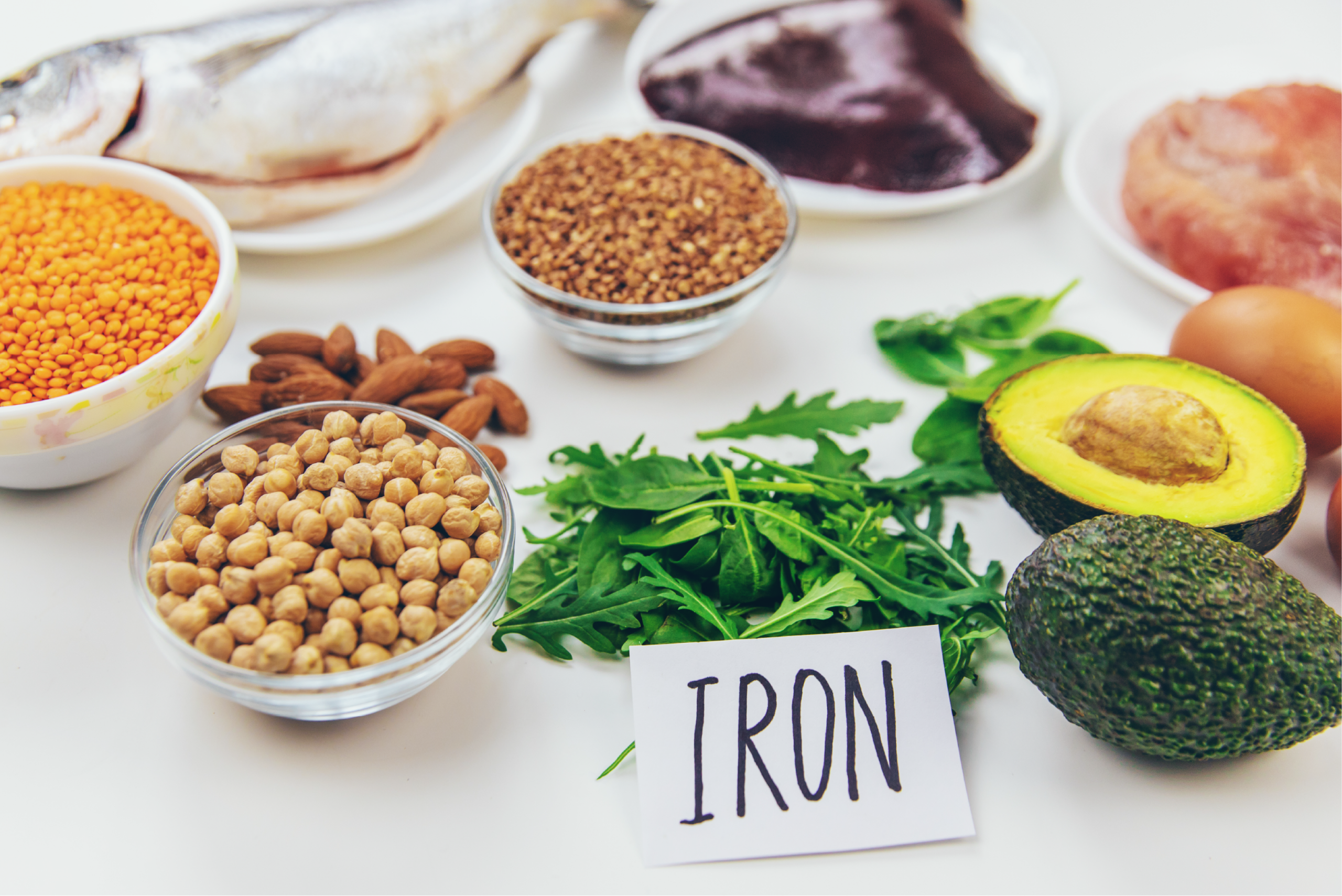
Some individuals tolerate smaller, nutrient-dense meals more comfortably than heavier portions during treatment. Foods that may help support healthy iron intake include:
- Eggs
- Lean beef or chicken
- Tuna or salmon
- Lentils
- Spinach
- Fortified cereals
- Tofu
- Pumpkin seeds
Understand Heme and Non-Heme Iron
Iron from animal-based foods is generally absorbed more efficiently than plant-based iron sources. However, combining plant-based iron with vitamin C may help improve absorption naturally.
Helpful combinations may include:
- Spinach with lemon juice
- Lentils with peppers
- Fortified cereal with berries
Foods That May Reduce Iron Absorption
Tea, coffee, and high-calcium foods may reduce iron absorption when consumed too close to iron-rich meals. Spacing these foods apart may help support better nutritional balance during treatment.
Small Meal Ideas for Reduced Appetite
People researching Mounjaro and iron tablets may often benefit from improving daily nutrition before considering supplements unnecessarily. Simple meal ideas that may feel easier to tolerate during reduced food intake include:
- Scrambled eggs with spinach
- Greek yoghurt with fortified cereal
- Chicken soup with lentils
- Berry and spinach smoothies
- Toast with peanut butter and seeds
Some individuals managing Mounjaro and iron levels may still require tailored dietary support or medical review if appetite remains consistently low during long-term treatment. Patients can also benefit from understanding the role of balanced eating while on weight loss injections during long-term weight management.
When to Test Iron Levels During Mounjaro Treatment
Some individuals may benefit from iron testing during Mounjaro treatment, particularly if symptoms persist or nutritional intake becomes consistently limited over time. Ongoing dizziness, pale skin, breathlessness, worsening weakness, or reduced stamina may sometimes require medical assessment to identify whether nutrient deficiencies are contributing to symptoms.
Who Is More at Risk of Low Iron on Mounjaro?
People who may require closer monitoring include:
- Individuals with a history of anemia
- Those following highly restrictive diets
- Patients with heavy menstrual bleeding
- People experiencing ongoing digestive side effects
- Individuals losing weight very rapidly
Clinicians may sometimes recommend blood tests assessing ferritin, hemoglobin, vitamin B12, folate, and overall iron stores depending on symptoms, medical history, and dietary intake.
Why Iron Supplements Should Be Clinician Guided
Questions around Mounjaro and iron tablets should always involve professional guidance rather than self-prescribing supplements unnecessarily. Taking iron without confirmed deficiency may sometimes lead to constipation, nausea, stomach discomfort, or worsening digestive symptoms.
People concerned about Mounjaro nutritional deficiencies often benefit more from balanced eating habits, symptom tracking, and regular clinical reviews than assuming deficiencies without proper testing. Patients considering treatment can also understand who is eligible for weight loss injections in the UK before starting long-term weight management support.
Conclusion: Managing Iron Levels on Mounjaro Safely
Current evidence does not show that Mounjaro directly causes iron deficiency, although reduced appetite, digestive side effects, smaller meals, and rapid weight loss may sometimes affect nutritional intake during treatment. Balanced eating, symptom awareness, and regular monitoring can help support healthier iron levels and overall wellbeing throughout long-term weight management.
People experiencing ongoing tiredness, restrictive eating, or persistent digestive symptoms may benefit from professional medical review rather than assuming nutritional deficiencies independently. Mayfair Weight Loss Clinic provides clinician-led weight management support where treatment suitability, nutritional concerns, and patient safety are assessed through an appropriate medical review process.
FAQs About Mounjaro and Iron Levels
Can Mounjaro cause vitamin deficiency?
Mounjaro is not currently known to directly cause vitamin deficiencies. However, appetite suppression, smaller meals, and rapid weight loss during treatment may sometimes lower overall nutrient intake if eating habits become too restrictive over time. Regular monitoring and balanced nutrition can help reduce this risk safely.
Should I take iron supplements while on Mounjaro?
Iron supplements should only be taken following proper medical assessment or blood testing confirming deficiency. Self-prescribing iron unnecessarily may sometimes worsen digestive symptoms such as constipation, nausea, or stomach discomfort during treatment.
Can weight loss injections affect nutrient levels?
Weight loss injections may indirectly affect nutrient intake when appetite decreases significantly or meals become less balanced. Some individuals may unintentionally consume lower amounts of iron, protein, vitamins, or fibre while adjusting to treatment-related eating changes.
Why do I feel tired on Mounjaro?
Mild tiredness can occur during the early stages of treatment while the body adjusts to reduced calorie intake, appetite changes, and weight loss. However, persistent fatigue, dizziness, or weakness may sometimes require medical review to rule out dehydration or nutritional deficiencies.
What foods help maintain iron levels during weight loss?
Iron-rich foods such as eggs, lean meats, lentils, spinach, fortified cereals, tofu, and seeds may help support healthier iron intake during treatment. Pairing plant-based iron foods with vitamin C sources may also help improve iron absorption naturally.
Are blood tests necessary during Mounjaro treatment?
Blood tests may sometimes be recommended if symptoms suggest possible nutritional deficiencies or if dietary intake becomes consistently limited during long-term treatment. Clinicians may assess iron stores, ferritin, hemoglobin, vitamin B12, and folate depending on symptoms and medical history.
Can digestive side effects affect nutrition on Mounjaro?
Digestive side effects such as nausea, vomiting, constipation, diarrhea, or reduced appetite may occasionally make balanced eating more difficult during treatment. Over time, this may indirectly affect nutrient intake if food variety and meal quality become too limited.
Can rapid weight loss increase the risk of low iron levels?
Rapid weight loss may sometimes increase the risk of nutritional gaps if calorie intake becomes too low or meals lack iron-rich foods consistently. People losing weight quickly during treatment may benefit from balanced meal planning and medical monitoring to help maintain healthy iron levels.