
Does Mounjaro Affect Your Bladder or Cause UTIs? Symptoms Explained
Learn why some adults experience urinary or bladder changes during Mounjaro treatment, which symptoms should never be ignored, and how simple habits may help support safer urinary health.
Last updated May 14, 2026
 8 min read

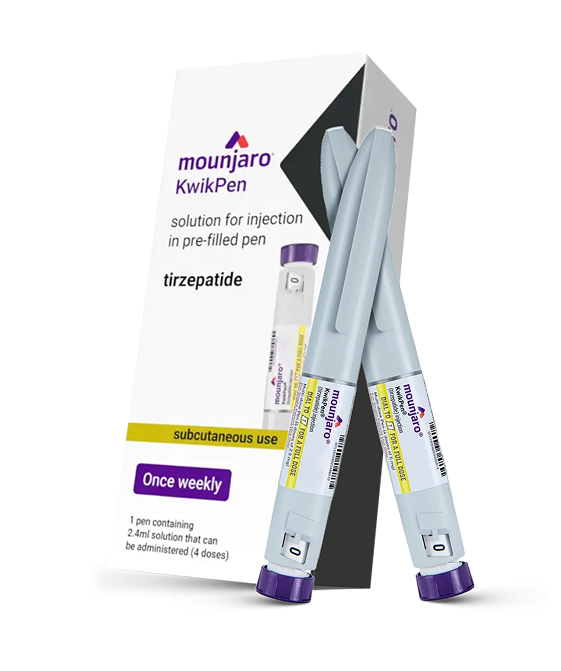
Unexpected urinary changes can sometimes catch adults off guard during the early stages of Mounjaro treatment, especially when appetite, hydration, and digestion begin adjusting at the same time. Although current medical guidance does not recognise bladder damage or UTIs as direct expected side effects, some individuals still report increased urination or mild irritation while adapting to a Mounjaro pen.
Growing patient interest in Mounjaro and uti symptoms has led to more discussion around how hydration levels, dietary changes, and shifting blood sugar patterns may influence urinary health during treatment. While mild symptoms may improve naturally over time, persistent burning, fever, discomfort, or pain when passing urine should always be assessed carefully because some early warning signs may seem surprisingly easy to dismiss at first.
Mounjaro
Key Facts About Urinary Symptoms on Mounjaro Pen
- Increased urination or mild bladder discomfort during treatment is often linked with hydration and digestion changes rather than direct bladder damage.
- Dehydration caused by nausea, vomiting, or reduced fluid intake may sometimes worsen urinary irritation or discomfort.
- Symptoms such as burning while urinating, fever, pelvic pain, or blood in the urine should always be medically assessed promptly.
- Good hydration, balanced nutrition, and regular symptom monitoring may help support better urinary health during treatment.
- Most urinary changes are usually temporary, but persistent or worsening symptoms should never be ignored during ongoing treatment.
What Causes Urinary or Bladder Changes on Mounjaro Injection?
Urinary changes during Mounjaro treatment are usually linked with dehydration, digestion changes, appetite suppression, and shifting blood sugar levels rather than direct bladder damage. Although these effects are not officially recognised as common side effects, discussion around Mounjaro and uti symptoms continues to grow as some adults report increased urination, urgency, or mild discomfort while adjusting to a Mounjaro pen during weight loss treatment.
Dehydration From Digestive Side Effects
Digestive side effects such as vomiting, diarrhoea, nausea, and reduced appetite may sometimes lower daily fluid intake during treatment. When dehydration develops, urine may become more concentrated, which can occasionally irritate the bladder or increase urinary discomfort. Some adults experiencing Mounjaro uti concerns may actually be dealing with hydration related changes rather than infection itself.
Blood Sugar Changes
Poorly controlled blood sugar levels can already increase the risk of urinary tract infections in some adults, particularly before treatment begins. As blood sugar control improves during treatment, the body may temporarily respond differently to hydration and urination patterns. This may partly explain why some people report Mounjaro urination changes during the adjustment period.
Reduced Appetite and Fluid Intake
Reduced appetite can sometimes cause adults to unintentionally drink less water throughout the day. Smaller meals, reduced thirst awareness, and nausea may all contribute to lower fluid intake without it being immediately noticed. This combination may occasionally lead to urinating frequently and losing weight at the same time during treatment.
Rapid Weight Loss and Metabolic Adjustment
Rapid weight loss can place temporary pressure on the body’s fluid balance and metabolic processes while the system adapts to changing energy intake. These adjustments may sometimes affect bladder sensitivity or urinary frequency differently from person to person. Most symptoms are usually temporary, although persistent changes should still be medically reviewed.
Existing Health Conditions and Medication Factors
Underlying conditions such as diabetes, previous urinary infections, kidney concerns, or certain medicines may also influence urinary symptoms during treatment. Healthcare professionals therefore often assess wider medical history before prescribing treatment to help support safer long term management and symptom monitoring throughout treatment.
Adults concerned about urinary changes, hydration, or digestive symptoms during treatment may benefit from a professional Mounjaro online consultation to review symptoms, medical history, and ongoing treatment suitability safely.
What Are the Symptoms of a Urinary Tract Infection on Mounjaro?
Adults using Mounjaro for weight loss should monitor persistent urinary symptoms carefully, particularly if dehydration, digestive side effects, or reduced fluid intake develop during treatment. Discussion around Mounjaro and uti symptoms often includes the following warning signs:
- Burning or pain while passing urine
- Needing to urinate more often or more urgently than usual
- Cloudy, dark, or unusually strong-smelling urine
- Lower tummy discomfort or pelvic pressure
- Feeling feverish, unusually tired, or generally unwell
- Blood appearing in the urine, including pink, red, or darker coloured urine
Persistent urinary discomfort or bladder changes during treatment should always be medically assessed promptly. May Fair Weight Loss Clinic provides clinically guided information to support safer symptom awareness and treatment monitoring.
Find Out If Mounjaro is Clinically Suitable
Start Your Free Consultation Now
 Clinician-led medical assessment
Personalised dosing and nutrition support
Ongoing clinical monitoring throughout treatment
Clinician-led medical assessment
Personalised dosing and nutrition support
Ongoing clinical monitoring throughout treatment 
Tips to Help Reduce UTI and Bladder Irritation Risk on Mounjaro
Simple hydration, hygiene, and symptom monitoring habits may help reduce urinary discomfort and bladder irritation during Mounjaro for weight loss treatment. Although urinary tract infections are not recognised as a direct common side effect, dehydration, digestive symptoms, and changing blood sugar levels may still affect bladder comfort in some adults during treatment.
Stay Hydrated Throughout the Day
Drinking water regularly throughout the day may help support kidney function and reduce concentrated urine that can irritate the bladder. Hydration becomes especially important if nausea, vomiting, or diarrhoea develop during treatment. Small frequent sips may sometimes feel easier than large amounts at once.
Avoid Holding Urine for Long Periods
Delaying urination for long periods may sometimes increase bladder irritation or discomfort. Emptying the bladder regularly may help reduce bacterial build up and support urinary health. Adults experiencing urgency or discomfort should monitor symptoms carefully rather than ignoring persistent changes.
Maintain Good Personal Hygiene
Good personal hygiene habits may help lower the risk of irritation and infection around the urinary area. Wearing breathable clothing and maintaining daily hygiene routines may support better urinary comfort during treatment. Gentle hygiene practices are usually recommended to avoid unnecessary irritation.
Reduce Excess Sugar Intake
High sugar intake may sometimes worsen blood sugar control and increase the risk of urinary infections in some adults. Balanced meals with controlled sugar intake may help support steadier glucose levels alongside treatment. This may become particularly important for adults with type 2 diabetes.
Monitor Symptoms Carefully During Dose Increases
Digestive and hydration related side effects may occasionally become more noticeable after dose increases. Paying attention to changes such as burning, fever, urgency, or unusual discomfort may help identify symptoms requiring medical review. Persistent symptoms should always be assessed professionally.
Conclusion: Urinary Changes Safely During Mounjaro Treatment
Urinary discomfort, urgency, or bladder irritation during treatment can sometimes feel concerning, particularly during the early stages of adjusting to a Mounjaro pen. Although current medical guidance does not recognise UTIs or bladder damage as direct common side effects, dehydration, digestion changes, reduced fluid intake, and shifting blood sugar levels may still influence urinary symptoms in some adults.
Most urinary changes during treatment are usually temporary and may improve with hydration, balanced nutrition, and careful symptom monitoring. However, persistent burning, fever, blood in the urine, pelvic pain, or worsening discomfort should always be medically assessed promptly to help reduce potential complications and support safer long term treatment management.
FAQs
Can Mounjaro directly cause urinary tract infections?
Current medical evidence does not identify Mounjaro as a direct common cause of urinary tract infections, although dehydration and reduced fluid intake may sometimes increase susceptibility in certain adults.
Why do some people urinate more often on Mounjaro?
Changes in hydration, blood sugar control, appetite, and digestion during treatment may temporarily affect urination patterns in some adults.
Can dehydration during Mounjaro treatment affect the bladder?
Yes. Vomiting, diarrhoea, nausea, and reduced fluid intake may sometimes lead to dehydration, which can irritate the bladder and concentrate urine.
When should urinary symptoms during treatment be medically assessed?
Symptoms such as burning pain, fever, blood in the urine, severe pelvic discomfort, or worsening urinary urgency should always be reviewed by a healthcare professional.
Can reduced appetite increase the risk of urinary discomfort?
Reduced appetite may sometimes lead to unintentionally drinking less water, which can affect hydration levels and urinary comfort during treatment.
Is cloudy or strong smelling urine normal on Mounjaro?
Cloudy or unusually strong smelling urine may sometimes relate to dehydration, although persistent changes should still be medically assessed to rule out infection.
Can blood sugar changes affect urinary symptoms during treatment?
Yes. Poor blood sugar control itself may increase the risk of urinary infections, while changing glucose levels during treatment may temporarily affect urination patterns.
How can adults help reduce bladder irritation while taking Mounjaro?
Maintaining hydration, avoiding excessive sugar intake, practising good hygiene, and monitoring symptoms during dose increases may help support urinary health during treatment.
Mounjaro
Wegovy