Is a Lump After Mounjaro Injection Normal? Causes and Advice
Understand why a lump after Mounjaro injection can occur, what it means, and how to manage it safely without unnecessary concern.
Last updated Apr 15, 2026
 10 min read

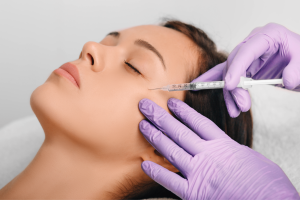
You press the pen, everything seems fine, and then a small raised area appears under the skin. That moment often raises concern. In most cases, a lump after Mounjaro injection is simply the medication sitting in the fatty layer before it spreads and absorbs, rather than a sign that anything has gone wrong.
This can happen more noticeably if the injection is given slightly too quickly, in the same spot, or into firmer tissue. The body may also create a mild local response as it processes the fluid. These changes usually settle on their own, but the detail that often gets overlooked is why some lumps disappear quickly while others take longer and that’s where the real understanding begins.
Mounjaro
- ✔ ~22.5% average body weight loss
- ✔ Significant weight reduction
- ✔ Improves blood sugar levels
- ✔ Clinically proven weight loss
Key Insights on Mounjaro Injection Reactions
- A lump after Mounjaro injection is common and usually harmless
- Often caused by medication sitting under the skin temporarily
- Injection technique plays a key role in preventing reactions
- Most lumps settle within a few days without treatment
- Bruising and swelling can occur alongside lumps
- Persistent or painful lumps should be assessed clinically
Is It Normal to Get Bubbles or Lumps After Mounjaro Injections?
Yes, small lumps or bubble-like swelling after a Mounjaro injection are common and usually harmless. They occur because the medication temporarily sits under the skin before being absorbed, and in most cases, they settle within 24 to 72 hours without affecting how the treatment works.
Mounjaro is delivered into the subcutaneous layer, where absorption happens gradually rather than instantly. This means a small amount of fluid may remain localised for a short time, creating a raised or firm area. The size and feel of the lump can vary, but it is generally mild, short-lived, and part of the normal injection response rather than a cause for concern.
What Causes Lumps, or Skin Reactions After Mounjaro?
Lumps or skin reactions after a Mounjaro injection are usually caused by the medication briefly pooling beneath the surface before it is absorbed. This is a common and temporary effect of subcutaneous delivery, where fluid sits in the fatty layer and may form a small lump that typically settles within a few days.
Subcutaneous Fluid Pooling
Mounjaro is injected into the fatty layer beneath the skin, where it is designed to absorb gradually. This can create a small localised pocket of fluid, sometimes felt as a lump or swelling. It is part of the normal absorption process rather than a sign of incorrect use.
Repeated Use of the Same Injection Site
Injecting into the same area repeatedly can lead to changes in the underlying tissue. Over time, this may cause thicker or firmer areas under the skin, making lumps more noticeable or slower to resolve compared to occasional injection site reactions.
Mild Inflammatory Response
The body may respond to the injection with a mild, localised reaction. This can include slight redness, swelling, or sensitivity around the site. These effects are usually short-lived and reflect the body’s normal response to a substance being introduced under the skin.
Injection Depth and Technique
If the injection is too shallow or delivered too quickly, the medication may not disperse evenly. This can increase the likelihood of a visible or firm lump forming near the surface, as the fluid remains concentrated in one area before gradually absorbing.
Find Out If Mounjaro is Clinically Suitable
-
 Clinician-led medical assessment
 -
Personalised dosing and nutrition support
-
Ongoing clinical monitoring throughout treatment

How to Inject Mounjaro Correctly to Prevent Lumps
Using the correct injection technique can significantly reduce the chances of developing a Mounjaro injection site lump or other skin reactions. Most cases of a lump after injection are linked to how the dose is delivered, so improving consistency in placement and technique helps the medication absorb more evenly and comfortably.
Choose the Right Injection Sites
Mounjaro should be injected into the fatty layer of the abdomen, thigh, or upper arm. The abdomen is often preferred for steady absorption, but all areas are suitable. Avoid injecting into bruised or sensitive skin, as this can increase the chance of a lump from injection forming.
For our complete step-by-step guide on how to use your Mounjaro weight loss injection, including site rotation, priming, and troubleshooting common issues.
Follow a Practical Rotation Pattern
Rather than using the same spot, rotate within a defined area. For example, move around the abdomen in a circular pattern, spacing each injection a few centimetres apart. This reduces repeated pressure on the same tissue and helps prevent persistent lumps or skin thickening.
Maintain Proper Needle Angle and Depth
Ensure the needle reaches the subcutaneous layer rather than staying too close to the surface. A shallow injection can cause fluid to collect unevenly, increasing the likelihood of a visible lump. Holding the pen steady and allowing full needle insertion improves distribution under the skin.
Avoid Air Bubbles and Leakage
Check the pen before use and follow the recommended steps to remove air if needed. After injecting, keep the needle in place for a few seconds before removing it. This reduces the chance of Mounjaro liquid on skin after injection and ensures the full dose is delivered correctly.
Control Injection Speed and Pressure
Inject the medication slowly and with steady pressure. Pushing too quickly can force the fluid into one concentrated area, increasing the risk of a lump after injection. A controlled pace allows the medication to spread more evenly within the tissue.
Focusing on these steps can help reduce discomfort and improve how your body responds to each dose. Small adjustments in technique often make a noticeable difference in preventing injection site reactions.
How to Treat and Manage Injection Site Lumps
Injection site lumps after a Mounjaro injection are usually mild and settle on their own within a few days. In most cases, they can be managed with simple measures such as reducing irritation, supporting absorption, and avoiding repeated pressure on the same area, without affecting treatment effectiveness.
Allow Natural Absorption
A lump forms because the medication sits temporarily in fluid concentration beneath the surface before being absorbed. The body gradually disperses this fluid, so the most effective approach is to allow time for natural resolution rather than trying to force the lump to disappear.
Use Cold Compress for Comfort
Applying a cool compress for short periods can help reduce mild swelling or discomfort. This supports local circulation and may ease sensitivity without interfering with how the medication is absorbed.
Avoid Rubbing or Massaging the Area
Massaging the injection site can irritate the tissue and potentially worsen inflammation. Leaving the area undisturbed allows the medication to settle and reduces the risk of prolonging the lump or causing additional skin reactions.
Rotate Away From the Affected Area
If a lump is present, avoid injecting into the same spot until it has fully resolved. Giving the tissue time to recover helps prevent repeated irritation and supports more consistent absorption with future doses.
Monitor Changes Over Time
Most lumps improve within 24 to 72 hours. Gradual reduction in size and firmness is expected. If the lump remains unchanged or becomes more noticeable, it may require closer attention to ensure it is following a normal pattern.
Managing injection site lumps focuses on supporting the body’s natural response rather than active treatment. Observing how the area changes over time provides the clearest indication of whether it is resolving as expected.
Red Flags After a Mounjaro Injection
Most injection site reactions are mild and settle within a few days. However, certain signs may indicate the need for medical review. Recognising these early helps ensure safe and appropriate treatment.
- Persistent lump (over 1–2 weeks): If a lump does not reduce or remains firm, it should be assessed.
- Severe pain or worsening swelling: Increasing discomfort is not typical and may need evaluation.
- Signs of infection: Redness, warmth, pus, or fever require prompt medical attention.
- Allergic reactions: Widespread rash, swelling, or breathing difficulty need urgent care.
If you notice any of these symptoms, do not ignore them or continue treatment without advice. It is important to seek medical guidance before making any changes to your injections. At Mayfair Weight Loss Clinic, every treatment plan is reviewed clinically to ensure it remains safe, appropriate, and tailored to your needs.
Conclusion: Safe Use and What to Watch
A lump after Mounjaro injection is usually a normal, temporary response linked to how the medication is delivered under the skin. In most cases, it settles on its own and does not affect how the treatment works, which can help reassure patients who are new to injections.
Focusing on correct technique, rotating injection sites, and observing how your body responds can reduce the likelihood of repeated reactions. If anything feels unusual, persists longer than expected, or causes concern, it is important to seek clinical advice rather than make changes independently.
FAQs About Lump After Mounjaro Injection
What if I inject Mounjaro in the wrong spot?
Injecting slightly outside the recommended area is unlikely to cause harm, but it may affect comfort and increase the chance of a lump forming. Monitor the area for any changes and ensure correct site selection and rotation for future injections.
What happens if you inject Mounjaro into muscle?
Mounjaro is designed for subcutaneous use, not intramuscular injection. Injecting into muscle may lead to faster absorption, increased irritation, or discomfort. Using the correct depth and technique helps ensure the medication works as intended.
How long does a lump last after Mounjaro injection?
Most injection site lumps settle within a few hours to a few days as the medication is gradually absorbed. If a lump persists beyond one to two weeks or changes in appearance, it should be reviewed to rule out other causes.
Can I massage the lump after Mounjaro injection?
It is generally best to avoid massaging the area, as this can irritate the tissue and potentially worsen inflammation. Allowing the body to absorb the medication naturally is usually the safest approach.
Does a lump affect how Mounjaro works?
In most cases, a lump does not affect how Mounjaro works. The medication is still absorbed over time, although localised swelling may make it feel different at the injection site.
Is bruising normal after Mounjaro injection?
Yes, mild bruising can occur if a small blood vessel is affected during injection. A Mounjaro injection site bruise is usually harmless and fades on its own without affecting treatment.
Mounjaro
- ✔ ~22.5% average body weight loss
- ✔ Significant weight reduction
- ✔ Improves blood sugar levels
- ✔ Clinically proven weight loss
Wegovy
- ✔ ~16.9% average body weight loss
- ✔ Boosts metabolic & cardiovascular health
- ✔ Proven, long-established safety profile
- ✔ Weekly injection, easy to use