Is Wegovy Safe During Breastfeeding? UK Medical Guidance
Discover why Wegovy is not recommended during breastfeeding and what safe, clinician-led guidance means for you and your baby.
Last updated Apr 29, 2026

 9 min read

After pregnancy, many women start thinking about weight loss while adjusting to the demands of caring for a newborn. Interest in treatments like Wegovy has grown, but when breastfeeding is involved, safety becomes the main concern. The topic of Wegovy and breastfeeding is approached cautiously, as your body is still recovering and supporting your baby’s nutritional needs.
At this stage, decisions are guided by limited clinical evidence and a focus on protecting infant health. Healthcare professionals generally advise avoiding treatments where safety data is unclear during breastfeeding. Understanding how this may affect recovery, milk supply, and your baby’s wellbeing is essential, as it can help you make safer and more informed choices about weight loss during this period.
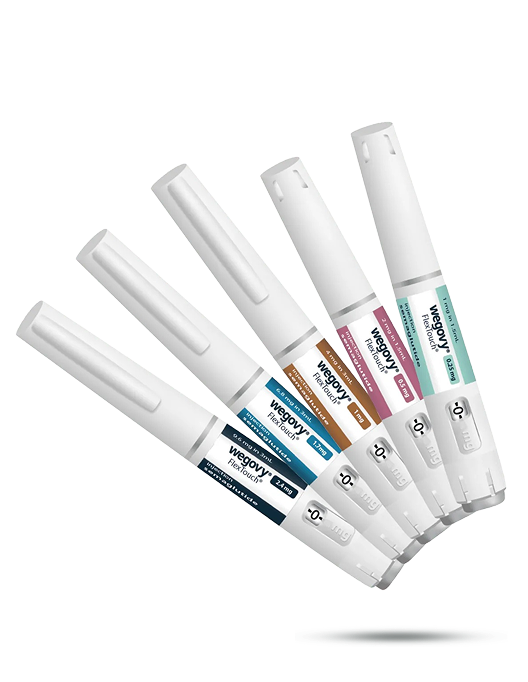
Wegovy
- ✔ ~16.9% average body weight loss
- ✔ Boosts metabolic & cardiovascular health
- ✔ Proven, long-established safety profile
- ✔ Weekly injection, easy to use
Key Points New Mothers Should Know
- Wegovy is not recommended while breastfeeding
- There is limited safety data in lactating women
- Potential but unconfirmed risks to infants exist
- Focus should remain on safe postpartum recovery
- Medical guidance is essential before restarting treatment
Can You Take Wegovy While Breastfeeding?
No, Wegovy is not recommended during breastfeeding due to limited safety data and the potential for the medication to pass into breast milk. As a precaution, healthcare guidance advises avoiding its use during lactation until more evidence confirms its safety for infants.
Safety Concerns and Medical Reasons
- Limited research on semaglutide use during lactation
- Possible transfer into breast milk cannot be ruled out
- Unknown effects on infant growth and development
- Reduced appetite may affect maternal nutrition and milk supply
- Medical guidance prioritises infant safety as a precaution
Why Wegovy Is Not Recommended During Breastfeeding
Wegovy is not recommended during breastfeeding because there is not enough clinical evidence to confirm its safety in lactating women. Healthcare providers rely on established safety data before advising use, and in this case, the absence of reliable human studies leads to a cautious approach.
Limited Evidence
There is very limited research on semaglutide use in breastfeeding women, which means its safety profile remains uncertain. Without clear clinical data, it is not possible to confirm how the medication behaves during this stage or whether it is safe for infants.
Safety Uncertainty
Because Wegovy affects appetite and metabolic signals, its broader effects during breastfeeding are not fully understood. This uncertainty is enough for clinicians to avoid recommending it until more evidence becomes available.
Medical Precaution
Healthcare providers prioritise infant safety when evidence is unclear. Even without confirmed harm, treatments with unknown outcomes are generally avoided during breastfeeding to reduce any potential risk and ensure safe maternal recovery.
Find Out If Wegovy is Clinically Suitable
-
 Clinician-led medical assessment
 -
Personalised dosing and nutrition support
-
Ongoing clinical monitoring throughout treatment

How Wegovy Affects Breast Milk Supply and Infant Health
Wegovy may influence breastfeeding through indirect effects on maternal nutrition and potential exposure pathways, although clear human evidence remains limited. This section focuses on how the medication could affect the body and feeding process in practical terms.
- Milk Exposure Pathways: Although not fully confirmed, there is a possibility that semaglutide could reach breast milk in very small amounts. Because infants are still developing, even minimal exposure is approached cautiously in clinical practice.
- Impact on Milk Supply: Wegovy reduces appetite, which may lower calorie intake in the mother. Since breastfeeding requires consistent energy intake, this reduction could affect how much milk the body produces over time.
- Nutritional Balance: Breastfeeding increases the body’s demand for nutrients. If appetite is suppressed, it may become harder to maintain the nutritional balance needed to support both recovery and milk quality.
- Infant Sensitivity: Newborns are highly sensitive to changes in nutrition and feeding patterns. Even indirect effects, such as reduced milk supply or altered feeding behaviour, can influence early development, which is why caution is consistently advised.
Safe Weight Loss Options While Breastfeeding
Safe weight loss during breastfeeding focuses on gradual progress rather than rapid changes, as your body is still recovering and supporting your baby’s nutritional needs. A balanced approach helps protect milk supply while allowing steady, sustainable results over time, which is why weight loss drugs while breastfeeding are generally not recommended.
Why Slow Progress Matters
Aggressive weight loss is discouraged after pregnancy because it can affect recovery and reduce the energy needed for breastfeeding. A slower, consistent approach supports both maternal health and infant development without unnecessary strain on the body.
Calorie Balance and Nutrition
A small, controlled calorie deficit may be suitable, but it should never compromise essential nutrients. Eating balanced meals with proteins, healthy fats, and complex carbohydrates helps maintain energy levels and supports breast milk quality. You can learn more about the role of balanced eating while using weight loss injections.
Hydration and Daily Intake
Staying well hydrated supports breast milk production and helps maintain overall energy levels during recovery. Adequate fluid intake also supports metabolism and nutrient balance, which are essential while breastfeeding. Consistent hydration plays a key role in maintaining both maternal health and a stable, reliable milk supply. Read more about how to stay properly hydrated while using Wegovy injections.
Gentle Movement and Recovery
Gentle movement such as walking or low-impact exercise supports gradual weight loss without placing stress on the body. It also helps improve circulation, mobility, and energy levels. Focusing on consistency rather than intensity allows recovery to progress safely while building a sustainable and realistic routine.
When to Seek Medical Support
If weight concerns feel difficult to manage, seeking professional guidance can help you make informed decisions safely. The clinical team at Mayfair Weight Loss Clinic can provide personalised, clinician-led advice based on your stage of recovery and individual needs. Always follow medical guidance and consult a qualified professional before considering any treatment options.
When Can You Start Wegovy After Breastfeeding?
Wegovy is generally considered only after breastfeeding has fully stopped, as this removes any potential risk of medication exposure to the infant. Once lactation has ended, your body is no longer supporting milk production, allowing treatment to be assessed more safely under clinical guidance.
Importance of Medical Consultation
Before starting Wegovy, a clinician will review your overall health, recovery after pregnancy, and current weight goals. This ensures the treatment is appropriate and aligns with your individual needs rather than following a one-size approach.
Factors That Influence Timing
The right time to begin depends on several factors, including how well your body has recovered, your nutritional status, and your long-term weight management plan. Hormonal balance and energy levels also play a role in determining readiness for treatment.
Transitioning After Breastfeeding
Moving from breastfeeding to treatment should be gradual and well planned. Establishing a stable routine, improving nutrition, and preparing your body for change can support a smoother transition and better long-term results when Wegovy is introduced.
Conclusion: Making Safe and Informed Choices
After childbirth, your priority is recovery and your baby’s wellbeing. While weight loss may feel important, your body is still healing and supporting your child, which is why safety must always come first during this stage.
With the right guidance, you can make informed decisions that protect both your health and your baby’s development. Seeking professional advice ensures that any future treatment is introduced safely, giving you clarity, confidence, and a sustainable path forward when the time is right.
FAQs About Wegovy and Breastfeeding
Is Wegovy safe for breastfeeding?
Wegovy is not considered safe during breastfeeding because there is not enough clinical evidence confirming its safety in lactating women. Healthcare providers recommend avoiding its use as a precaution, as protecting infant health remains the priority during this stage.
Can semaglutide pass into breast milk?
There is limited evidence available, but semaglutide may pass into breast milk in small amounts. Although not confirmed, this possibility leads to a cautious approach, as even minimal exposure could affect a developing infant.
Will Wegovy affect milk supply?
Wegovy may indirectly affect milk supply by reducing appetite and overall calorie intake. Since breastfeeding requires consistent nutrition and energy, lower intake could impact milk production and its nutritional quality over time.
When can I restart Wegovy after pregnancy?
Wegovy is usually considered after breastfeeding has fully stopped, when there is no longer a risk of exposure to the infant. A clinician will assess your recovery, health status, and weight goals before recommending treatment.
Are there safer alternatives during breastfeeding?
Yes, safer approaches include balanced nutrition, adequate hydration, and gentle physical activity. These methods support gradual weight loss while maintaining energy levels and ensuring both mother and baby receive proper nourishment.
Why is caution recommended even without proven harm?
Caution is advised because there is limited human data on how Wegovy affects breastfeeding. Without clear evidence, healthcare providers avoid potential risks by recommending safer, well-established approaches during this period.
Can I lose weight safely while breastfeeding?
Yes, gradual weight loss is possible through consistent, balanced eating and light activity. Focusing on sustainable habits helps protect milk supply while supporting overall recovery and long-term health.
Should I wait before starting weight loss injections after breastfeeding?
Yes, it is generally advised to wait until breastfeeding has fully stopped before starting weight loss injections. This allows your body to stabilise hormonally and ensures there is no risk of medication exposure to your baby, making treatment safer and more effective.
Mounjaro
- ✔ ~22.5% average body weight loss
- ✔ Significant weight reduction
- ✔ Improves blood sugar levels
- ✔ Clinically proven weight loss
Wegovy
- ✔ ~16.9% average body weight loss
- ✔ Boosts metabolic & cardiovascular health
- ✔ Proven, long-established safety profile
- ✔ Weekly injection, easy to use