
Can Mounjaro Cause Restless Legs? UK Insights and Advice
Understand the potential causes of leg discomfort and how to manage symptoms while using the Mounjaro pen for weight loss.
Last updated May 18, 2026

 10 min read

Based on UK clinical guidance and information from the MHRA (Medicines and Healthcare products Regulatory Agency), restless legs syndrome (RLS) is not a recognised side effect of Mounjaro (tirzepatide). However, some patients have reported experiencing leg discomfort, restlessness, or twitching after starting or increasing the dose of Mounjaro.
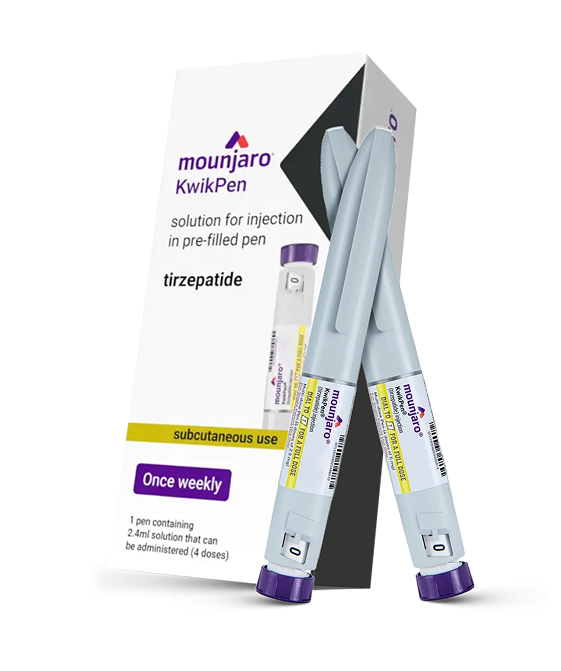
Mounjaro pen is a GLP-1 receptor agonist used for weight loss and blood sugar regulation. During treatment adjustment, some patients may experience leg discomfort similar to RLS or general leg pain and wonder whether Mounjaro can cause leg pain or restless legs symptoms. This article explains the possible causes and how to manage symptoms safely while using Mounjaro.
Mounjaro
- ✔ ~22.5% average body weight loss
- ✔ Significant weight reduction
- ✔ Improves blood sugar levels
- ✔ Clinically proven weight loss
Key Insights: Mounjaro and Leg Discomfort
- Mounjaro for weight loss does not directly cause restless legs syndrome (RLS), but can indirectly contribute to leg discomfort.
- Restless legs syndrome (RLS) differs from general leg pain, often characterised by an irresistible urge to move the legs.
- Factors like dehydration, nutrient deficiencies, and changes in metabolism can contribute to Mounjaro leg pain.
- If leg symptoms persist or worsen, seek medical advice to assess your individual response to Mounjaro treatment.
What Is Restless Legs Syndrome (RLS)?
Restless Legs Syndrome (RLS) is a neurological condition that causes an overwhelming need to move the legs, usually accompanied by unpleasant sensations such as tingling, crawling, or a burning feeling. These symptoms are most noticeable when at rest, especially during the night or in the evening, and can be temporarily eased by moving or stretching the legs.
Key Symptoms:
- Urge to move legs: People with RLS feel an irresistible need to move their legs, often to relieve the uncomfortable sensations.
- Worse at night: Symptoms tend to intensify during periods of inactivity, especially at night, disrupting sleep.
- Temporary relief with movement: Moving the legs, walking, or stretching usually provides temporary relief from the discomfort.
Difference from Cramps or Muscle Pain
Unlike muscle cramps or general leg pain, which are typically linked to overuse or dehydration, RLS is a neurological condition where discomfort is primarily triggered by rest. Muscle cramps are sudden and sharp, whereas RLS symptoms are more of a creeping, uncomfortable sensation that improves with movement, but returns once the person is still again.
Find Out If Mounjaro is Clinically Suitable
-
 Clinician-led medical assessment
 -
Personalised dosing and nutrition support
-
Ongoing clinical monitoring throughout treatment

Why Might Restless Legs Occur While Taking Mounjaro?
Some individuals using Mounjaro (tirzepatide) may experience mounjaro leg pain or muscle discomfort. This is often linked to nutrient deficiencies (e.g., iron, magnesium), electrolyte imbalances caused by gastrointestinal side effects like vomiting or diarrhea, or dehydration. These symptoms are usually temporary and improve as the body adapts to the medication.
Dehydration and Electrolyte Imbalance
Mounjaro pen can sometimes lead to dehydration, particularly when appetite suppression reduces fluid intake. This may contribute to muscle cramps, leg discomfort, or symptoms that feel similar to restless legs syndrome. In some patients, Mounjaro leg cramps at night may become more noticeable when hydration and electrolyte levels are not maintained properly. Staying hydrated can help reduce these symptoms and support muscle function.
Rapid Weight Loss and Nutrient Deficiencies
Rapid weight loss from Mounjaro can lead to nutrient deficiencies, particularly in magnesium, iron, and potassium key minerals for muscle function. These deficiencies can cause muscle cramps, discomfort, or mounjaro aching legs. A balanced diet, including these essential nutrients, can help prevent such issues.
Changes in Nervous System Signalling
Mounjaro’s impact on metabolism can alter the way the nervous system processes hunger and fullness signals. These changes may sometimes trigger mounjaro leg pain, especially during the early stages of treatment when the body is adjusting to hormonal shifts. Over time, as the body stabilises, these symptoms often subside.
Blood Sugar Fluctuations
Mounjaro pen works to regulate blood sugar, which can fluctuate during treatment. These blood sugar changes can contribute to muscle discomfort or restlessness in the legs, particularly when glucose levels dip. Managing blood sugar through balanced meals and hydration can help mitigate these effects.
Effective Ways to Manage Leg Discomfort While Using Mounjaro
Managing restless legs syndrome (RLS) or leg discomfort while using Mounjaro for weight loss involves addressing hydration, nutrition, sleep habits, and movement. Simple lifestyle adjustments, along with Mounjaro-specific considerations, can significantly reduce discomfort. Below are effective strategies to help alleviate symptoms and manage mounjaro aching legs during treatment.
Hydration & Electrolytes
Mounjaro pen can sometimes lead to dehydration, which exacerbates muscle cramps and leg discomfort. Maintaining hydration and electrolyte balance is key in managing these symptoms. Drink plenty of water throughout the day and consider adding electrolyte-rich beverages like sports drinks, coconut water, or rehydration solutions. This helps replenish lost electrolytes (magnesium and potassium) that are essential for muscle function and relaxation, preventing cramps and discomfort.
Nutrient Intake
A balanced diet plays a crucial role in reducing restless legs symptoms. Magnesium, potassium, and iron are essential for muscle relaxation and nerve function. Mounjaro-induced appetite suppression can lead to nutrient deficiencies, which in turn can worsen leg discomfort. Consuming foods like bananas, spinach, lean meats, and fortified cereals can help ensure you’re getting these vital nutrients and reduce the risk of leg pain caused by deficiencies.
Sleep Habits
Good sleep hygiene is essential for managing leg discomfort, as symptoms tend to worsen at night. Establish a consistent sleep schedule and create a comfortable environment by keeping your bedroom dark, quiet, and cool. Additionally, using a weighted blanket can provide gentle pressure, helping to relieve restlessness and improve sleep quality. Prioritising good sleep habits can significantly reduce the intensity of leg discomfort and help you rest better.
Movement & Stretching
Gentle leg stretches or light physical activity can help alleviate muscle tension, improve circulation, and reduce the discomfort associated with restless legs syndrome. Simple stretches or short walks after meals or before bed can keep muscles relaxed and prevent the sensation of restlessness. Incorporating movement into your routine is an effective way to prevent muscle cramps and leg pain, especially if symptoms arise during the evening.
Medication Timing
If you experience restless legs or discomfort while using Mounjaro, adjusting the timing of your injections may help reduce symptoms. Consult your healthcare provider about the possibility of taking Mounjaro pen at night, as this might alleviate daytime discomfort. In some cases, a slower dose escalation may be recommended to reduce side effects. Monitoring your response to treatment to restless legs and adjusting medication timing in consultation with your doctor can lead to more comfortable results.
Mounjaro-Specific Considerations
While Mounjaro pen is generally safe, there are some specific considerations to keep in mind to manage leg discomfort:
- Rotate Injection Sites: If you are using Mounjaro injections in your thigh, rotating the injection sites each week can help reduce irritation and discomfort at the injection site, which can sometimes contribute to muscle or leg pain.
- Monitor Blood Sugar: If you are using Mounjaro alongside insulin, low blood sugar (hypoglycemia) can cause symptoms like restlessness, which may worsen leg discomfort. Regular blood sugar monitoring can help prevent nocturnal hypoglycemia and reduce its impact on leg symptoms.
- Consult Your Doctor: If symptoms persist despite lifestyle adjustments, it’s advisable to discuss your concerns with your healthcare provider. They may suggest adjusting your dose or timing, or exploring other treatments to alleviate restless legs syndrome.
When Should You Be Concerned About Leg Symptoms?
While restless legs or leg discomfort are generally temporary and manageable, there are some cases where further action is required. If the symptoms become severe, persist over time, or significantly impact your daily activities, it’s important to consult with your healthcare provider. Additional medical conditions, such as peripheral neuropathy or circulatory problems, could contribute to leg discomfort, and your doctor can help determine the root cause and offer appropriate treatment to restless legs.
Conclusion: Safely Managing Leg Discomfort
Mounjaro pen can occasionally cause leg discomfort or symptoms similar to restless legs syndrome, but these are typically temporary and manageable. With proper hydration, a balanced diet, and light movement, most patients find relief. At Mayfair Weight Loss Clinic, we provide expert guidance and support to help you safely navigate your weight loss journey. If discomfort persists, always consult your healthcare provider to ensure safe and effective treatment.
FAQs About Mounjaro and Restless Legs
How long does Mounjaro leg pain last?
Leg discomfort associated with Mounjaro usually improves within the first few weeks as the body adjusts to the medication. These symptoms are typically temporary and often subside once the body adapts to the changes in metabolism and digestion caused by Mounjaro.
Can Mounjaro cause leg cramps?
Yes, some patients may experience Mounjaro leg cramps due to dehydration, electrolyte imbalance, or reduced nutrient intake during treatment. Proper hydration and maintaining a diet rich in magnesium, potassium, and iron can help reduce and manage these symptoms more effectively.
Should I consult a doctor for Mounjaro leg pain?
If leg pain or discomfort persists or worsens, it’s advisable to consult a healthcare provider for a thorough assessment. They can help determine whether symptoms are related to Mounjaro pen or other underlying causes and provide tailored recommendations for managing discomfort.
Can weight loss on Mounjaro cause restless legs?
Rapid weight loss caused by Mounjaro pen may contribute to symptoms similar to restless legs syndrome due to changes in metabolism and nutrient levels. As the body undergoes these adjustments, symptoms may arise, but they typically improve once the body stabilises with treatment.
Can Mounjaro cause muscle aches?
Yes, muscle aches can occur, especially during the initial stages of Mounjaro treatment, and these are generally temporary. These aches are often linked to changes in metabolism and muscle function during the weight loss process and tend to improve over time as the body adapts.
Is restless legs syndrome common with Mounjaro?
Although Mounjaro restless legs symptoms are not officially recognised as a common side effect, some patients may notice temporary leg discomfort or restlessness during treatment adjustment. These symptoms are usually mild and may improve as the body adapts to the medication over time.
Is the Mounjaro leg pain same as Restless Legs?
While Mounjaro leg pain may feel similar to restless legs syndrome (RLS), the two are different. RLS is a neurological condition, causing an urge to move the legs due to uncomfortable sensations. Mounjaro leg pain, however, is typically linked to muscle or joint discomfort, often resulting from metabolic changes, dehydration, or nutrient deficiencies.
How Common Are Leg Symptoms on Mounjaro?
Leg symptoms like muscle pain or discomfort are not common with Mounjaro, but they can occur, particularly in the early stages of treatment or during dose increases. These symptoms are generally related to hydration or nutrient imbalances and are temporary, improving once the body adapts to the medication.
Mounjaro
- ✔ ~22.5% average body weight loss
- ✔ Significant weight reduction
- ✔ Improves blood sugar levels
- ✔ Clinically proven weight loss
Wegovy
- ✔ ~16.9% average body weight loss
- ✔ Boosts metabolic & cardiovascular health
- ✔ Proven, long-established safety profile
- ✔ Weekly injection, easy to use