
Are You Eating Too Little on Mounjaro? Signs, Risks & How to Eat Enough
Mounjaro can reduce appetite significantly, but eating too little may slow progress and affect your overall health.
Last updated Jun 09, 2026

 10 min read

Mounjaro can significantly reduce your appetite, making it easier to eat less and lose weight. However, eating too little on Mounjaro can lead to fatigue, muscle loss, nutrient deficiencies, and even slower weight loss over time. Understanding the signs of undereating and knowing how to maintain a balanced calorie and protein intake can help you achieve safer, more sustainable results while protecting your overall health.
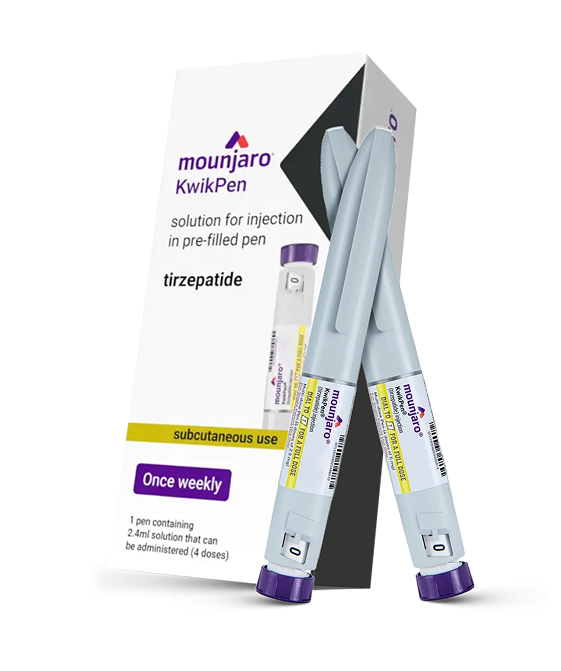
Mounjaro
- ✔ ~22.5% average body weight loss
- ✔ Significant weight reduction
- ✔ Improves blood sugar levels
- ✔ Clinically proven weight loss
Key Takeaways: Managing Undereating on Mounjaro
- Undereating is possible on Mounjaro due to reduced appetite
- It can lead to fatigue, dizziness, and muscle loss
- Eating too little may actually slow weight loss progress
- Nutrition quality is just as important as calorie quantity
- Practical strategies can help maintain healthy intake
- Speak with a clinician if symptoms persist or worsen
Can You Eat Too Little on Mounjaro? What Happens to Your Body
Yes, eating too little on Mounjaro can slow your weight loss, lead to muscle loss, nutrient deficiencies, and fatigue. While Mounjaro suppresses appetite, not eating enough can still lead to negative side effects. Skipping meals or drastically reducing calories can halt your progress and impact your overall health.
Risks of Eating Too Little on Mounjaro:
- Muscle loss: Insufficient calories and protein can break down muscle, slowing metabolism.
- Nutrient deficiencies: Lower intake of vitamins and minerals can lead to tiredness, hair loss, and weakened immunity.
- Slowed metabolism: Not eating enough on Mounjaro can cause the body to enter “starvation mode,” which reduces calorie burning.
- Fatigue and weakness: Lack of food can lead to persistent tiredness, impacting daily life and energy levels.
To avoid these issues, maintain a balanced, nutrient-rich diet and ensure you’re consuming enough calories. Consult with a healthcare provider if you’re unsure about your nutritional needs.
Signs You’re Eating Too Little on Mounjaro
Undereating on Mounjaro can show up as early and advanced signs, which can hinder your progress. Recognising these symptoms early helps adjust your diet to avoid long-term health effects.
Early Signs of Undereating
- Low energy: A significant drop in calories can leave you feeling fatigued and sluggish, even after rest.
- Headaches: Dehydration or low blood sugar caused by reduced food intake can lead to frequent headaches.
- Irritability: When your body doesn’t get the fuel it needs, it can result in mood swings and irritability.
Advanced Signs of Undereating
- Hair thinning: Insufficient nutrients, especially protein, can lead to hair loss or thinning.
- Muscle loss: If protein intake is too low, the body breaks down muscle tissue for energy, leading to muscle loss.
- Hormonal imbalance: Long-term undereating can disrupt hormone production, affecting metabolism, mood, and reproductive health.
Subtle Signs to Watch For
- Weight loss plateau: Despite eating less, you may hit a weight loss plateau as your body slows its metabolism to conserve energy.
- Feeling cold: A lack of calories can reduce body temperature regulation, making you feel cold more often.
- Poor recovery: If your body isn’t getting enough nutrients, muscle recovery after exercise may be slower than usual.
Recognising these signs early can help you adjust your diet to stay on track with your weight loss goals and overall health.
Find Out If Mounjaro is Clinically Suitable
-
 Clinician-led medical assessment
 -
Personalised dosing and nutrition support
-
Ongoing clinical monitoring throughout treatment

Why Eating Too Little on Mounjaro Can Slow Weight Loss
Eating too little on Mounjaro can slow weight loss by triggering metabolic adaptation. As your body perceives a calorie shortage, it lowers its metabolic rate to conserve energy, which reduces the number of calories burned. This can lead to muscle loss, fatigue, and nutrient deficiencies, hindering your progress.
Metabolic Adaptation
When you eat too little on Mounjaro, your body enters a state of metabolic adaptation. This is when your metabolism slows down to conserve energy, making it harder to burn calories efficiently. This protective mechanism aims to preserve fat stores, which can hinder weight loss over time.
Muscle Loss
Undereating on Mounjaro leads to muscle loss as the body breaks down muscle tissue for energy. Since muscle mass contributes to a higher metabolism, losing muscle reduces the number of calories you burn at rest. This can slow down weight loss and increase the likelihood of regaining weight later.
Reduced Activity Levels
When calorie intake is too low, you may feel more fatigued, which leads to reduced activity levels. A lack of energy makes it difficult to maintain daily movement or exercise, further decreasing the number of calories you burn. This can cause weight loss to stall, even if you’re eating less.
Digestive Issues
Eating too little, particularly without enough fiber, can cause digestive issues like constipation. This can result in waste retention, making it seem like you’ve gained weight. Furthermore, digestive discomfort can also affect your overall well-being, further complicating your weight loss efforts and preventing you from achieving your goals.
How Many Calories Do You Actually Need on Mounjaro?
When using Mounjaro (tirzepatide), the aim is to create a sustainable calorie deficit, typically around 500–750 calories below your Total Daily Energy Expenditure (TDEE). This leads to a healthy weight loss rate of 0.5–1kg per week. A typical daily intake might be about 1,400 kcal for women and 1,900 kcal for men, but many users, due to intense appetite suppression, find themselves naturally consuming between 1,000–1,500 kcal.
While calorie control is essential, it’s crucial to prioritize nutrient-dense foods. High-protein and high-fiber options are key to maintaining muscle mass and staying full, especially when appetite is reduced. Focus on quality over quantity, ensuring you’re getting enough micronutrients to support overall health.
Avoid extreme calorie restriction, which can lead to fatigue, dizziness, and muscle loss. If you’re struggling with food intake, try high-protein shakes or smaller, more frequent meals. Lastly, listen to your body: since Mounjaro slows gastric emptying, eat when hungry and stop when full rather than adhering strictly to a set calorie number.
How to Eat Enough on Mounjaro When You’re Not Hungry
When appetite is suppressed, it can be challenging to eat enough. However, maintaining proper nutrition is essential for both your health and your weight loss goals.
Small, Frequent Meals vs. Large Meals
Instead of eating large meals, focus on small, frequent meals. This ensures you’re consistently consuming nutrients throughout the day without feeling overwhelmed by larger portions. Aim to eat every 3-4 hours to maintain steady energy levels and avoid the risk of under-eating.
Liquid Nutrition (Smoothies, Soups)
If solid food is hard to consume, try liquid nutrition like smoothies, soups, or protein shakes. These options are easy to digest and can be packed with protein, vitamins, and minerals, making them ideal for meeting nutritional needs when you’re not feeling hungry.
Easy-to-Eat High-Protein Foods
Incorporate high-protein foods that are easy to eat, such as Greek yogurt, boiled eggs, or protein bars. These nutrient-dense options help ensure you’re meeting your protein needs without having to consume large quantities of food, supporting muscle mass and overall health.
Structuring Meals Without Hunger Cues
Avoid relying on hunger cues to dictate meal times. Instead, structure your meals by following a set schedule. Eating regularly throughout the day, even when you’re not hungry, ensures you’re getting enough nutrients and prevents your body from entering a nutrient deficit.
When to Seek Medical Support
If you’re finding it difficult to eat enough or maintain a balanced diet, it’s important to seek support from a medical professional or dietitian. They can help adjust your meal plan to ensure you’re meeting your nutritional needs while maintaining safe and effective weight loss. If you’re using Mounjaro and have concerns about your nutrition, speak to our experts at Mayfair Weight Loss Clinic for tailored advice and support throughout your weight loss journey.
Conclusion: Maintaining a Balanced Diet on Mounjaro
Undereating on Mounjaro may hinder your weight loss progress and impact your health. While appetite suppression is part of the treatment, it’s essential to maintain a balanced intake of nutrients to prevent fatigue, muscle loss, and deficiencies, supporting sustainable weight loss.
Instead of extreme calorie restriction, focus on mindful eating. Regular meals, hydration, and sufficient protein help preserve muscle mass and energy. Listening to your body and seeking professional advice ensures your Mounjaro journey stays safe, effective, and sustainable.
FAQs About Eating on Mounjaro
What happens if you don’t eat on Mounjaro?
Not eating on Mounjaro can lead to energy dips, muscle loss, and a slowed metabolism, making weight loss more difficult. Ensuring proper nutrition helps maintain your energy levels and supports muscle preservation, which is essential for sustainable weight loss during treatment.
Is it bad to not eat on Mounjaro?
Yes, not eating enough on Mounjaro can negatively impact your overall health and hinder weight loss. It can cause symptoms like dizziness, weakness, and fatigue, which can make it harder to stay active and focused on your weight loss goals.
How much should I eat on Mounjaro?
Aim for at least 1,200–1,500 calories per day, ensuring your meals are nutrient-dense, particularly rich in protein to help preserve muscle mass. Consuming a balanced diet that includes sufficient calories and essential nutrients supports both weight loss and overall health.
Why am I not hungry on Mounjaro?
Mounjaro suppresses appetite by altering hunger signals in the brain, which reduces feelings of hunger. This is a common side effect and can make it difficult to eat enough, so it’s important to focus on maintaining nutrition even when you’re not feeling hungry.
Can eating too little slow weight loss?
Yes, eating too few calories can cause metabolic slowdown, muscle loss, and increased fat storage, ultimately hindering weight loss. While it may feel like you’re making progress, extreme calorie restriction can have the opposite effect and increase the risk of weight regain.
How to eat when not hungry on Mounjaro?
Try small, frequent meals, liquid nutrition like smoothies or soups, and high-protein snacks that are easy to consume. These options ensure you’re meeting your nutritional needs without overwhelming your appetite, helping you stay on track with your goals.
Should I force myself to eat on Mounjaro?
While it’s important to eat enough, try not to force yourself. Focus on eating regular, balanced meals, and listen to your body’s signals. If you struggle to maintain proper nutrition, seek guidance from a healthcare professional to ensure you’re staying on track with your health and weight loss journey.
Can I skip meals on Mounjaro?
Skipping meals on Mounjaro is not recommended, as it can lead to nutrient deficiencies, energy dips, and muscle loss. Consistent, balanced meals are essential to support your body during treatment and maintain steady progress with your weight loss goals.
Mounjaro
- ✔ ~22.5% average body weight loss
- ✔ Significant weight reduction
- ✔ Improves blood sugar levels
- ✔ Clinically proven weight loss
Wegovy
- ✔ ~16.9% average body weight loss
- ✔ Boosts metabolic & cardiovascular health
- ✔ Proven, long-established safety profile
- ✔ Weekly injection, easy to use