
Can Mounjaro Trigger Ketosis? Clinical Insights for UK Patients
Find out how Mounjaro and ketosis are often confused, and what this means for weight loss and metabolic health.
Last updated Apr 27, 2026

 9 min read

As more patients begin treatment for weight management and blood sugar control, Mounjaro is being prescribed in the UK following a structured clinical assessment and ongoing monitoring. With its growing use, questions around Mounjaro and ketosis have become more common, especially as people try to understand how the treatment affects metabolism and energy balance.
Much of the confusion comes from similarities in results, such as reduced appetite and steady fat loss, which can feel like a ketogenic state. However, current clinical understanding shows that Mounjaro works through hormonal regulation rather than triggering ketosis directly, making it important to look beyond assumptions and understand what is really happening beneath the surface.
Mounjaro
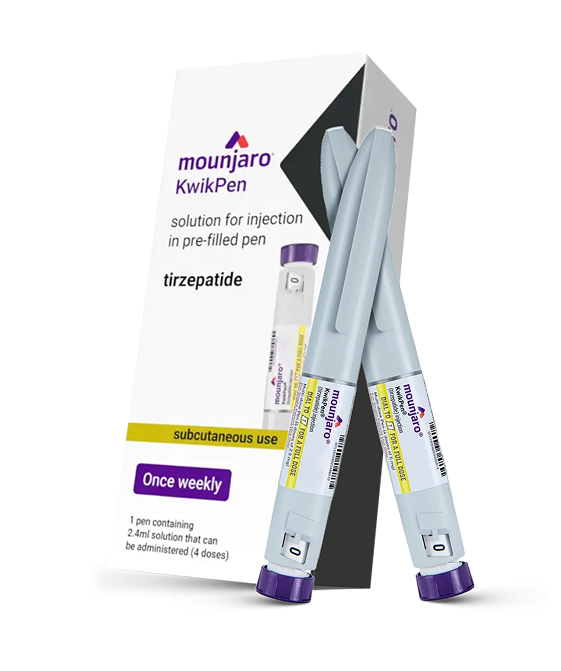
Key Insights on Mounjaro and Ketosis
- Mounjaro and ketosis are not directly linked as a clinical mechanism
- Ketosis and ketoacidosis are very different conditions
- Mounjaro works through hormone pathways, not ketogenic processes
- Rapid weight loss can feel similar to ketosis but is not the same
- Clinical supervision is important for safe and effective use in the UK
What Is Mounjaro and How It Works in the Body
Mounjaro (tirzepatide) is a clinically prescribed treatment used to support weight loss and improve blood sugar control under medical supervision. It works by mimicking natural hormones in the body that regulate appetite and glucose levels, helping patients manage both energy intake and metabolic balance more effectively.
Dual Hormone Action: GLP-1 and GIP
Mounjaro targets two key hormones, GLP-1 and GIP, which influence how the body processes food. These hormones slow digestion, reduce appetite, and improve insulin response after meals, allowing better control over both hunger and blood sugar levels.
Blood Sugar and Appetite Control
By improving insulin release and reducing excess glucose production, Mounjaro helps maintain stable blood sugar throughout the day. At the same time, it reduces hunger signals, making it easier to eat smaller portions without feeling deprived.
Not an Insulin or Ketogenic Treatment
Mounjaro is not an insulin replacement and does not work by forcing the body into a ketogenic state. Unlike keto diets that rely on carbohydrate restriction, it supports weight loss through hormonal regulation and appetite control.
Glucose Regulation and Weight Loss Link
Stable blood sugar reduces energy crashes and cravings, which often lead to overeating. This creates a steady environment for gradual fat loss without extreme dietary changes.
Does Mounjaro Cause Ketosis?
Mounjaro does not directly cause ketosis. It works by regulating appetite and blood sugar rather than shifting the body into a ketogenic (fat-burning) state. However, some people may experience mild ketosis due to reduced calorie intake during weight loss.
Mounjaro Affects Metabolism
Mounjaro works through GLP-1 and GIP hormonal pathways to regulate hunger and improve insulin response after meals. This helps reduce overall calorie intake naturally, supporting weight loss over time. Instead of forcing metabolic changes through diet, it allows the body to adjust energy balance in a more controlled and sustainable way.
Calorie Deficit vs Ketosis
A calorie deficit occurs when the body uses more energy than it consumes, leading to gradual fat loss. Ketosis, however, is a specific metabolic state triggered by very low carbohydrate intake. While both can result in weight loss, they work through entirely different processes and should not be confused.
Why It Can Feel Like Ketosis
Reduced appetite, fewer cravings, and steadier energy levels can make the experience of using Mounjaro feel similar to following a ketogenic diet. However, these effects come from improved metabolic balance and lower calorie intake, rather than a true shift into a fat-burning ketogenic state.
Find Out If Mounjaro is Clinically Suitable
Start Your Free Consultation Now
 Clinician-led medical assessment
Personalised dosing and nutrition support
Ongoing clinical monitoring throughout treatment
Clinician-led medical assessment
Personalised dosing and nutrition support
Ongoing clinical monitoring throughout treatment 
Mounjaro and Ketoacidosis Risk: Who Should Be Concerned?
Diabetic ketoacidosis (DKA) is a serious condition where the body produces excessive ketones, leading to dangerous blood acidity. It is most commonly linked to insufficient insulin and is very different from nutritional ketosis.
Understanding Ketoacidosis
DKA occurs when the body cannot properly use glucose and begins breaking down fat rapidly, producing high levels of ketones. This can disrupt the body’s acid balance and requires urgent medical attention.
Is Mounjaro Linked to Ketoacidosis
Mounjaro is not designed to induce ketosis or ketoacidosis. It improves blood sugar control and appetite regulation. However, a ketosis risk with Mounjaro may exist in specific clinical situations, particularly if other medical factors are involved.
Who May Be at Risk
Individuals with Type 1 diabetes, those using insulin, or patients with complex metabolic conditions may have a higher risk and need closer monitoring. Their blood sugar and ketone balance can be more sensitive, so careful assessment and regular follow-up help ensure treatment remains safe and any concerns are addressed early.
Warning Signs to Watch
Persistent nausea, vomiting, abdominal pain, rapid breathing, confusion, or severe fatigue should not be ignored. These symptoms may indicate a serious imbalance requiring immediate medical evaluation. If you’re unsure whether your symptoms are typical, it’s helpful to understand how long Mounjaro side effects last and what to expect.
Importance of Medical Supervision
Treatment should always be guided by a qualified clinician with regular follow-up to ensure it remains safe and appropriate. If symptoms arise, seeking timely medical advice supports safe and effective use. At Mayfair Weight Loss Clinic, care is delivered through structured medical assessment and ongoing monitoring, supporting safe and effective use of Mounjaro in line with established prescribing standards.
Ketosis vs Mounjaro Effects: Understanding the Key Difference
Ketosis and Mounjaro lead to weight loss in very different ways, even if the results may appear similar at first. One is driven by strict dietary changes, while the other works through internal hormonal signals that influence appetite, energy use, and blood sugar control.
Ketosis as a Fuel Shift
Ketosis develops when carbohydrate intake is low enough that the body switches to burning fat for energy. This process depends on consistent dietary restriction and changes how the body sources fuel, often requiring careful meal planning to maintain the state.
Mounjaro as Appetite and Glucose Control
Mounjaro supports weight loss by regulating hunger signals and improving how the body manages glucose after eating. Rather than changing the body’s fuel source, it helps reduce overall food intake and stabilise energy levels through hormonal pathways.
Why the Experience Can Feel Similar
Some individuals notice fewer cravings, steadier energy, and gradual fat loss while using Mounjaro. These effects can resemble those seen with low-carbohydrate diets, but they result from reduced intake and improved metabolic efficiency, not from entering ketosis.
Clear Difference in Mechanism
Ketosis relies on restricting carbohydrates to alter metabolism, whereas Mounjaro allows a balanced diet while guiding the body through hormonal regulation. This makes the treatment approach more flexible and easier to maintain without strict dietary limitations.
Conclusion: Mounjaro and Ketosis Explained
Mounjaro does not cause ketosis or ketoacidosis in most users. Current understanding of Mounjaro and ketosis UK shows its effects are driven by hormonal regulation of appetite and blood sugar, not by inducing a ketogenic state. Any similar feelings, such as reduced hunger or steady energy, are linked to calorie balance rather than true ketosis.
This distinction helps set realistic expectations and avoid confusion. Most effects are manageable and improve as the body adapts, but ongoing monitoring remains important. If symptoms feel unusual or persist, seeking timely clinical advice ensures treatment stays safe, appropriate, and aligned with best prescribing practice.
FAQs About Mounjaro and Ketosis
Can tirzepatide cause ketosis?
Tirzepatide does not directly induce ketosis. It works by reducing appetite and improving blood sugar control, which can lead to lower calorie intake and gradual fat loss. Any ketosis experienced is usually mild and related to reduced food intake rather than a true metabolic shift.
What is ketosis and Mounjaro?
Ketosis is a dietary state where the body burns fat due to very low carbohydrate intake. Mounjaro, however, is a hormone-based treatment that regulates appetite and glucose levels, meaning the two operate through entirely different biological mechanisms.
Is there a clinical link between Mounjaro and ketosis?
In the UK, Mounjaro is prescribed following a clinical assessment to support weight loss and blood sugar control. It is not intended to induce ketosis, and current clinical use does not link the treatment directly to a ketogenic metabolic state.
What is the difference between ketosis and Mounjaro?
Ketosis is triggered by strict carbohydrate restriction, forcing the body to use fat as its primary fuel source. Mounjaro works by improving insulin response and reducing hunger, supporting weight loss without requiring dietary extremes.
Can Mounjaro put you in a keto diet state?
Mounjaro does not place the body into a ketogenic state. While reduced appetite may lead to lower calorie intake, patients can still follow a balanced diet, and any similar effects are not due to true ketosis.
Is ketosis dangerous on Mounjaro?
Ketosis itself is not always harmful, but it is not the goal of treatment with Mounjaro. If symptoms such as fatigue, dizziness, or confusion occur, they should be reviewed to ensure they are not linked to other underlying issues.
Does Mounjaro cause ketoacidosis?
Mounjaro is not known to directly cause ketoacidosis when used appropriately. However, individuals with certain conditions, such as those using insulin, should be carefully monitored to ensure safe and effective treatment under clinical supervision.
Can reduced appetite on Mounjaro lead to ketosis?
Reduced appetite on Mounjaro can lower overall calorie intake, which may occasionally lead to mild, short-term ketosis in some individuals. However, this is not the intended effect of the treatment and does not reflect a true ketogenic state driven by carbohydrate restriction.
Mounjaro
Wegovy