
Mounjaro and Cortisol Levels: What UK Clinical Evidence Reveals
Get to know whether Mounjaro affects hormone balance and what current clinical understanding says about stress, metabolism, and weight.
Last updated Apr 15, 2026

 9 min read

When weight loss becomes challenging, hormones are often seen as the main cause, with cortisol frequently linked to stubborn fat and stress-related changes. It is therefore understandable that patients question whether treatments like Mounjaro could disrupt hormonal balance or affect the body’s natural regulation.
In UK clinical practice, current understanding shows that Mounjaro and cortisol levels are not directly altered by the treatment. Instead, changes seen during use are more closely linked to improved metabolism, appetite control, and overall health. This distinction is important, as what appears to be a hormonal shift may have a different explanation, one that becomes clearer as you explore how the body responds over time.
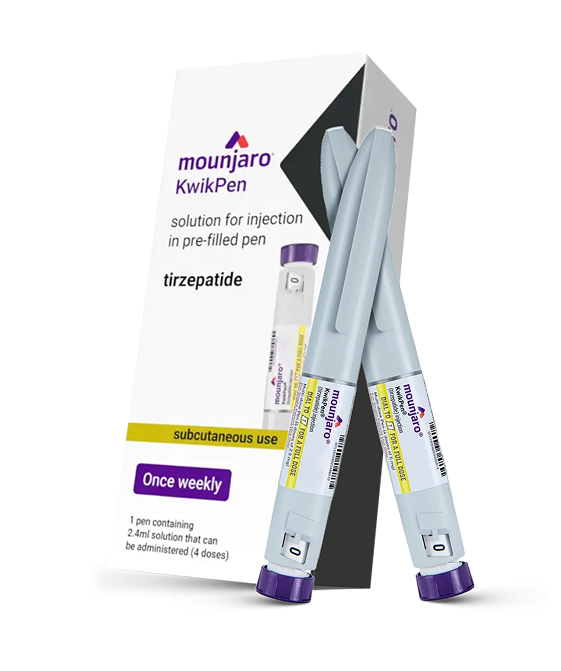
Mounjaro
- ✔ ~22.5% average body weight loss
- ✔ Significant weight reduction
- ✔ Improves blood sugar levels
- ✔ Clinically proven weight loss
Key Insights on Mounjaro and Hormonal Balance
- Mounjaro cortisol levels are not directly altered by the medication
- Weight loss may support indirect hormonal balance over time
- Cortisol-related weight gain is influenced by multiple factors
- “Cortisol belly” is often misunderstood and oversimplified
- Metabolic improvements play a key role in overall hormone health
- Monitoring symptoms remains important during treatment
Can Mounjaro Affect Cortisol Levels?
Current evidence does not show that Mounjaro directly changes cortisol levels. It acts on GLP-1 and GIP pathways to improve appetite control and glucose regulation rather than influencing the adrenal glands. Any changes noticed during treatment are usually linked to metabolic improvements rather than a direct effect on cortisol.
Clinically, Mounjaro is not used to treat cortisol-related conditions. Its impact is centred on reducing calorie intake and improving insulin sensitivity, which can lower metabolic stress on the body. Over time, this may support a more stable internal environment, but it should not be interpreted as direct hormonal regulation or cortisol control.
How Mounjaro Works in the Body for Weight Loss
Mounjaro (tirzepatide) works by activating both GLP-1 and GIP receptors, which are involved in regulating appetite and glucose control. This dual action helps the body respond more effectively to food intake, supporting better metabolic function without directly targeting hormonal systems such as cortisol.
As a result, Mounjaro reduces hunger, slows digestion, and improves insulin sensitivity. These effects help lower calorie intake and enhance how the body uses energy, leading to gradual weight loss. The overall impact is improved metabolic efficiency rather than direct hormonal modification.
Understanding Cortisol: Its Role in Stress, Metabolism and Weight
Cortisol is a stress hormone that helps regulate energy, blood sugar, and fat storage. While essential in short-term stress, consistently high levels can increase appetite, influence fat distribution, and disrupt metabolism. This is why cortisol is often linked to weight gain, particularly around the abdominal area.
Cortisol and the Stress Response
Cortisol is released in response to physical or emotional stress, helping the body stay alert and maintain energy supply. While this response is useful in short bursts, ongoing stress can keep cortisol levels elevated, placing strain on the body and affecting how efficiently metabolic processes function over time.
Cortisol and Fat Storage
Elevated cortisol levels can influence how the body stores fat, particularly around the abdomen. This is often described as cortisol abdominal fat, where fat accumulates centrally rather than evenly. Over time, this pattern becomes more noticeable and is commonly linked to prolonged stress and metabolic imbalance.
Cortisol and Glucose Regulation
Cortisol helps raise blood sugar levels to provide quick energy during periods of stress. When levels remain elevated over time, this can affect how the body responds to insulin and how energy is stored. As a result, fat may be more likely to accumulate around the abdominal area.
To better understand how this relates to treatment outcomes, see what UK clinical evidence shows about Mounjaro’s role in reducing belly fat.
Cortisol, Cravings and Metabolic Disruption
Higher cortisol levels can increase cravings for calorie-dense foods, particularly those high in sugar or fat. This often leads people to ask what does cortisol belly look like, as changes in fat distribution become more visible. Over time, this can disrupt metabolic balance and make weight management more challenging.
Find Out If Mounjaro is Clinically Suitable
-
 Clinician-led medical assessment
 -
Personalised dosing and nutrition support
-
Ongoing clinical monitoring throughout treatment

Mounjaro for Weight Loss and Cortisol Balance: What’s the Link?
Weight loss achieved through treatments like Mounjaro does not directly change cortisol levels, but it can improve the conditions that influence how cortisol behaves in the body. As appetite control improves and calorie intake reduces, the body experiences less metabolic stress, which may support a more stable hormonal environment over time.
Role of Insulin Resistance
Insulin resistance is closely linked to weight gain and metabolic imbalance. When insulin function improves, the body becomes more efficient at using energy rather than storing it as fat. This shift can reduce internal stress signals that contribute to elevated cortisol patterns, particularly those linked to central weight gain.
Impact of Sleep and Recovery
Sleep plays a critical role in regulating cortisol. Poor sleep can increase stress hormone levels and disrupt metabolic balance. As weight loss progresses and overall health improves, many patients experience better sleep quality, which may support more stable cortisol rhythms.
Influence of Inflammation
Excess weight is often associated with low-grade inflammation, which can affect hormonal regulation. As weight reduces, inflammation levels may decrease, allowing the body to function more efficiently. This can contribute to a healthier internal environment where stress responses are less pronounced.
A Practical Perspective
For example, a patient struggling with stress-related eating and central weight gain may notice improvements in waist circumference after starting Mounjaro. This change is typically driven by reduced appetite and better metabolic control rather than a direct effect on cortisol levels.
This is why the relationship between weight loss and cortisol is indirect but meaningful. By improving metabolic health, factors that influence cortisol balance may also begin to stabilise, leading to more sustainable and consistent weight management outcomes.
When to Get Medical Advice for Hormone Changes on Mounjaro
Most patients using Mounjaro do not experience direct hormonal disruption, and in many cases, treatment is well tolerated. However, individual health factors can influence how the body responds, which is why some patients may benefit from closer monitoring, particularly when there are existing hormonal or metabolic concerns.
Who may need closer monitoring:
- Individuals with PCOS or known hormonal imbalances
- Those with thyroid disorders or endocrine conditions
- Patients experiencing chronic stress or suspected adrenal concerns
Symptoms to monitor:
- Ongoing or unexplained fatigue
- Changes in sleep patterns or quality
- Noticeable mood fluctuations
- Unexpected or inconsistent weight changes
If these symptoms develop or persist, a clinical review can help determine whether they are linked to an underlying condition rather than the treatment itself. You should not start, stop, or adjust treatment without medical advice.
If you have concerns about your symptoms or suitability for treatment, it is important to seek professional guidance. At Mayfair Weight Loss Clinic, all treatment decisions are based on a thorough clinical assessment to ensure safe, appropriate, and personalised care.
Conclusion: Understanding Mounjaro and Hormonal Balance
Mounjaro does not directly alter cortisol levels, but it can support weight loss and metabolic improvements that may indirectly influence how the body manages stress and energy. Understanding this distinction helps set realistic expectations and avoids common misconceptions around hormone-driven weight changes.
The key is to focus on overall health improvements rather than expecting a direct hormonal effect. Monitoring how your body responds, alongside regular clinical guidance, ensures treatment remains safe and effective. If you have concerns about hormones or symptoms during treatment, a professional consultation will help provide clarity and the right next steps.
FAQs About Mounjaro and Cortisol Levels
Does Mounjaro affect hormones?
Mounjaro works on metabolic hormones that regulate appetite and insulin rather than directly altering stress hormones. Current evidence does not show a direct effect on cortisol levels, but improved metabolic health during treatment may support overall hormonal balance over time.
What is cortisol and belly fat?
Cortisol is a stress hormone that can influence how the body stores fat, particularly around the abdomen. However, cortisol and belly fat are linked through multiple factors, including diet, sleep, and lifestyle, rather than cortisol acting as the sole cause.
What does cortisol belly look like?
When people ask what does cortisol belly look like, they are usually referring to fat concentrated around the midsection. In reality, this pattern is often due to a combination of metabolic, lifestyle, and stress-related factors rather than cortisol alone.
Does Mounjaro affect metabolism?
Yes, does Mounjaro affect metabolism is a common concern. It improves metabolic efficiency by enhancing insulin sensitivity, slowing digestion, and reducing appetite, which supports gradual and sustainable weight loss.
Can Mounjaro reduce cortisol belly?
Mounjaro may help reduce abdominal fat through weight loss and improved metabolic control. However, it does not directly target cortisol or stress hormones, so any changes in fat distribution are usually indirect rather than hormone-specific.
Why do I gain weight from stress?
Chronic stress can increase cortisol levels, which may lead to higher appetite and cravings for energy-dense foods. Over time, this can contribute to weight gain, particularly around the abdomen, especially when combined with reduced activity or poor sleep.
Is cortisol the main cause of weight gain?
No, cortisol is only one part of a much wider picture. Weight gain is influenced by factors such as calorie intake, physical activity, sleep quality, and metabolic health, which often play a more significant role than cortisol alone.
Can weight loss improve hormone balance?
Yes, improving metabolic health through weight loss can help stabilise the body’s hormonal environment. As insulin sensitivity, sleep, and inflammation improve, the body may regulate hormones more effectively over time.
Mounjaro
- ✔ ~22.5% average body weight loss
- ✔ Significant weight reduction
- ✔ Improves blood sugar levels
- ✔ Clinically proven weight loss
Wegovy
- ✔ ~16.9% average body weight loss
- ✔ Boosts metabolic & cardiovascular health
- ✔ Proven, long-established safety profile
- ✔ Weekly injection, easy to use