Weight Loss Injection Mounjaro and Period Spotting: Causes, Advice, and Management
Learn how Mounjaro may affect spotting and how to manage cycle changes with expert guidance.
Last updated Feb 16, 2026

 8 min read

Mounjaro (tirzepatide) is a popular injectable treatment for weight loss, but like many medical treatments, it can lead to side effects, including changes to your menstrual cycle. While menstrual spotting or irregular bleeding is often temporary and linked to rapid weight loss and hormonal shifts, these changes typically occur during the first few months as your body adjusts.
In some cases, these adjustments can even improve cycle regularity, especially for those with PCOS. This article will explore the potential connection between weight loss injection Mounjaro and menstrual spotting, reassure you about its temporary nature, and guide on when to seek professional advice and how to manage any cycle changes during treatment.
Key Insights: Mounjaro and Period Spotting
- Spotting may be a temporary side effect for some patients using Mounjaro due to hormonal shifts or weight loss.
- Individual responses to Mounjaro for weight loss vary, and not all patients will experience menstrual changes or spotting.
- Monitoring your cycle during treatment is important, and changes should be discussed with your clinician.
- If spotting is persistent or heavy, or if you experience other concerning symptoms, medical advice should be sought promptly.
Mounjaro
- ✔ ~22.5% average body weight loss
- ✔ Significant weight reduction
- ✔ Improves blood sugar levels
- ✔ Clinically proven weight loss
Understanding How Weight Loss Injection Mounjaro Works
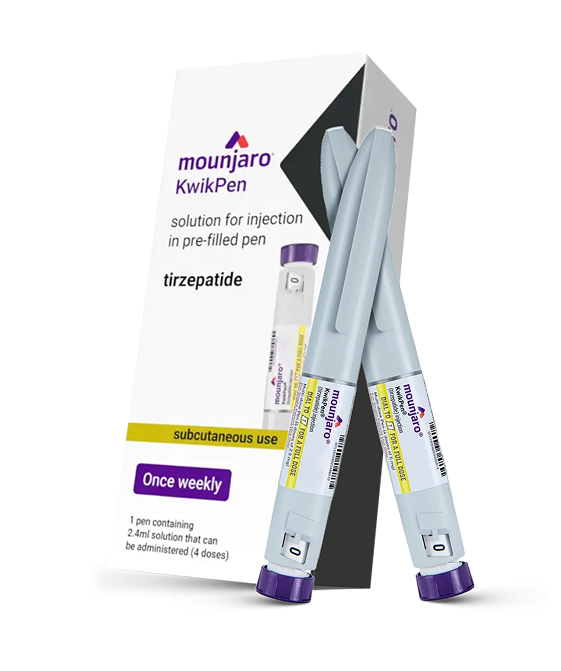
Mounjaro injection UK is a GLP-1 receptor agonist that helps regulate appetite and support weight loss by mimicking the GLP-1 hormone. This hormone reduces appetite, improves insulin sensitivity, and slows stomach emptying, aiding weight management and metabolic health.
However, as the body adjusts, hormonal fluctuations may occur, potentially affecting the menstrual cycle. While some patients experience changes like spotting, others may not notice any disruption, as the effects are individual and depend on factors like hormonal balance and overall health.
Can Mounjaro Affect Menstrual Cycles?
Yes, Mounjaro for weight loss can affect menstrual cycles in some patients, but these changes are typically temporary. As weight loss occurs, hormonal fluctuations, particularly in estrogen, can disrupt the menstrual cycle, leading to light spotting or irregular periods in the early stages.
Not all patients will experience these changes, and they are often short-lived as the body adjusts. If you’re concerned about menstrual irregularities, it’s important to consult with your clinician, who will monitor your response and ensure your treatment is progressing safely.
Start Your Medically Guided Weight Loss Journey Today
-
 Clinically proven treatments for sustainable weight loss
 -
Improve outcomes through nutritious, balanced eating habits
-
Personalised dietary guidance from an experienced clinical team

Common Causes of Spotting While Using Mounjaro
Spotting during weight loss injection Mounjaro treatment can occur due to several factors, often linked to hormonal changes from weight loss. Here are the main causes:
- Hormonal Adjustments
Weight loss can reduce fat tissue, affecting estrogen levels, which can cause temporary spotting as the body adjusts to hormonal shifts. - Rapid Weight Loss Effects
Losing weight quickly can disrupt hormone balance, leading to irregular cycles and spotting. This is particularly common in patients with PCOS due to improved insulin sensitivity. To understand realistic monthly weight loss expectations with Mounjaro, see how much weight you lose monthly on Mounjaro. - Stress or Lifestyle Changes
Starting a new treatment regimen, such as Mounjaro for weight loss, may introduce stress or changes in diet and physical activity, which can impact your menstrual cycle and cause irregular bleeding. - Normal Cycle Variations
Spotting may also be due to natural fluctuations in your cycle. Menstrual irregularities can occur occasionally, even without medication. - Reduced Contraceptive Absorption
Mounjaro can slow gastric emptying, reducing the effectiveness of oral contraceptives and potentially causing breakthrough bleeding.
These causes are usually temporary, but it’s important to monitor your symptoms and consult with your clinician for guidance.
Is Spotting a Temporary Side Effect?
Spotting, or light, unscheduled bleeding, is a common and temporary side effect of weight loss injection Mounjaro, similar to breakthrough bleeding with hormonal contraception. This typically occurs in the first few months as the body adjusts to hormonal changes from weight loss. While the spotting is usually mild and resolves within a few weeks, it can sometimes persist for up to 2 to 3 months as your body acclimates.
In some cases, spotting may continue for up to 6 months due to hormonal and metabolic changes. It’s important to track any changes in your menstrual cycle, and if spotting worsens or continues, consult with your clinician. They can help ensure your treatment plan is effective and provide necessary guidance.
Managing Spotting and Irregularities While on Mounjaro
Managing spotting and irregular periods while using weight loss injection Mounjaro can be straightforward with a few practical steps:
- Track Menstrual Changes: Keep a log of any changes in your menstrual cycle, including spotting. This will help your clinician assess whether the spotting is temporary or if further action is required.
- Stay Consistent with Injections: Ensure you are following the prescribed injection schedule for Mounjaro. Consistency in taking the medication helps maintain hormonal balance and improves overall treatment effectiveness.
- Don’t Self-Diagnose: If you experience spotting or irregular periods, avoid self-diagnosis. It’s important to discuss these symptoms with your clinician, who can guide you in managing any changes.
- Give Your Body Time: Spotting is usually temporary, and your body needs time to adjust to both the medication and the weight loss process. Patience is key during this phase.
When Spotting Might Need Medical Advice
While spotting can be a normal part of adjusting to weight loss injection Mounjaro, there are circumstances where it is important to seek medical advice:
- Persistent Bleeding: If the spotting lasts for several weeks or becomes more frequent, this could be a sign of something more serious.
- Heavy Spotting: If the spotting becomes excessively heavy, you may need to have it evaluated by a healthcare provider. Heavy bleeding that requires frequent changes in pads or tampons should be addressed.
- Other Symptoms: If you experience abdominal pain, dizziness, or fatigue in conjunction with spotting, it’s important to speak with your clinician. These could be signs of other issues that need attention.
Your clinician can help determine whether your spotting is a typical side effect of the medication or if further investigation is needed.
Final Thoughts: Managing Spotting with Confidence and Care
In conclusion, while spotting during Mounjaro treatment is a common and temporary side effect, it’s crucial to stay vigilant about any changes in your menstrual cycle. For most patients, spotting resolves naturally within a few weeks, but if it becomes persistent or heavy, consulting your clinician is essential. They can provide the necessary guidance and ensure your treatment is proceeding safely and effectively.
Remember, your health and peace of mind are a priority. Don’t hesitate to reach out to your healthcare provider if you have any concerns. For more information on how weight loss injection Mounjaro can support your weight loss journey, visit Mayfair Weight Loss Clinic.
FAQs About Mounjaro and Period Changes
Is spotting normal when using Mounjaro?
Yes, some patients experience light spotting as their body adjusts to the hormonal and metabolic changes caused by Mounjaro. This is common during the initial stages of treatment and typically resolves as your body acclimates.
How long does spotting last with Mounjaro?
Spotting usually resolves within a few weeks as the body adjusts to the changes induced by Mounjaro. However, if the spotting persists or worsens beyond this period, it’s important to consult with your clinician for further evaluation.
Should I stop using Mounjaro if I notice spotting?
Not necessarily. Spotting is often a temporary side effect as the body adjusts to weight loss injection Mounjaro. However, it’s essential to discuss any concerns with your clinician to ensure your treatment continues safely and effectively.
Can Mounjaro affect all women the same way?
No, responses to Mounjaro injection UK vary between individuals. While some women may experience menstrual changes like spotting, others may not notice any disruption to their cycle. Your experience will depend on various factors, including your overall health and hormonal balance.
Can stress cause spotting while on weight loss shot Mounjaro?
Yes, stress and lifestyle changes can contribute to menstrual irregularities, including spotting. Stress, changes in diet, and exercise can all affect hormone levels and disrupt your menstrual cycle, which may be further influenced by weight loss shot Mounjaro.
What should I do if the spotting becomes heavy?
If the spotting becomes heavy or requires frequent pad changes, it is important to seek medical advice. Your clinician will assess your symptoms to ensure that everything is progressing as expected and provide guidance on next steps.
When should I see a clinician about spotting?
If the spotting persists for more than a few weeks or is accompanied by other symptoms, such as pain or discomfort, it’s important to seek medical advice. Your clinician will help determine if any adjustments are needed to your treatment.
Can Mounjaro affect my menstrual cycle even if I don’t experience spotting?
Yes, weight loss injection Mounjaro can still influence your menstrual cycle even if you don’t experience spotting. Weight loss and hormonal changes may result in irregular periods, delayed cycles, or changes in flow for some individuals, though these effects are typically temporary.