Is There a Link Between Mounjaro and Pancreatic Cancer?
Get to know the facts behind the headlines and understand what current evidence really says about pancreatic risk.
Last updated Nov 11, 2026

 11 min read

A cancer diagnosis occurring during weight loss treatment does not necessarily mean the medication is responsible. Pancreatic cancer has several established risk factors, including smoking, obesity, type 2 diabetes and inherited genetic conditions. Yet concerns about Mounjaro (tirzepatide) persist, particularly when reports of pancreatic complications raise questions about the medicine’s long-term safety.
Clinical studies have not established that Mounjaro causes pancreatic cancer, although research into long-term risks continues. Acute pancreatitis is a recognised uncommon side effect, but it should not be confused with cancer. This article explores the available evidence, underlying risk factors and warning signs, helping UK patients understand what the findings mean for their treatment decisions.
Mounjaro
- ✔ ~22.5% average body weight loss
- ✔ Significant weight reduction
- ✔ Improves blood sugar levels
- ✔ Clinically proven weight loss
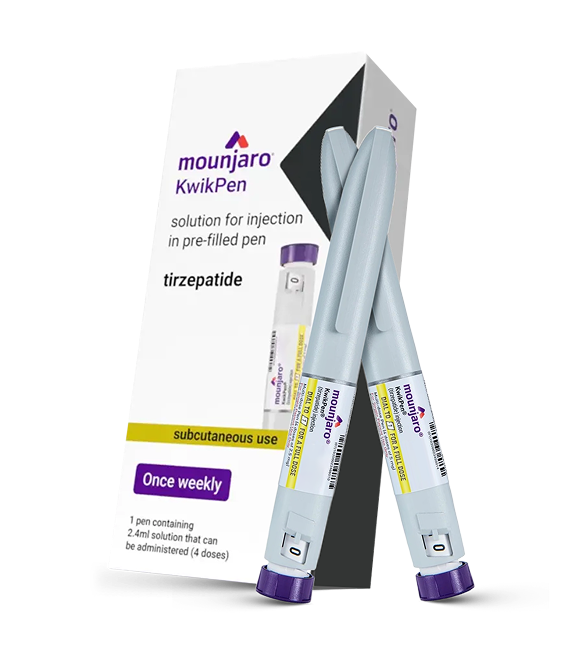
Key Insights: Mounjaro and Pancreatic Cancer
- Current evidence does not establish a causal link between Mounjaro (tirzepatide) and pancreatic cancer.
- Acute pancreatitis is a recognised uncommon Mounjaro side effect, distinct from pancreatic cancer.
- Pancreatic cancer risk factors include smoking, obesity, diabetes, chronic pancreatitis, age and genetics.
- Clinical trials show no established increase in pancreatic cancer risk, but long-term evidence remains limited.
- Warning signs include jaundice, persistent abdominal or back pain, unexplained weight loss and digestive changes.
- Severe, persistent abdominal pain requires immediate medical attention. Mounjaro treatment should involve individual risk assessment and clinical supervision.
What Do Studies Say About Mounjaro and Pancreatic Cancer Risk?
A 2025 systematic review and meta-analysis examined cancer outcomes across 13 randomised controlled trials involving 13,761 participants. Researchers found no statistically significant increase in overall cancer risk or pancreatic cancer risk during 26 to 72 weeks of tirzepatide treatment. However, pancreatic cancer cases were uncommon, and longer-term research is needed to assess rare outcomes.
Distinguishing association from causation is essential when interpreting these findings. An association means two events occur together, whereas causation means one directly produces the other. Researchers must also consider existing health conditions, background cancer rates and other potential explanations before attributing a diagnosis to tirzepatide. Ongoing safety monitoring helps investigate potential risks as further evidence becomes available.
What Are the Established Risk Factors for Pancreatic Cancer?
Pancreatic cancer risk is influenced by lifestyle, underlying health conditions, age and genetics. Some people taking Mounjaro (tirzepatide) may already have risk factors, such as obesity or type 2 diabetes. Understanding these factors helps distinguish existing health risks from concerns about the medication, which has no established causal link with pancreatic cancer.
Modifiable Lifestyle Risk Factors
Certain lifestyle habits and environmental exposures may increase pancreatic cancer risk:
- Smoking and Tobacco Use: Tobacco is a leading preventable risk factor, contributing to an estimated 20–30% of pancreatic cancer cases.
- Overweight and Obesity: Excess body weight, particularly abdominal fat, is associated with approximately 20–70% higher risk in some populations.
- Dietary Habits: High consumption of processed meats, sugary drinks and saturated fats may be associated with increased risk, although evidence varies.
- Heavy Alcohol Consumption: Prolonged excessive drinking may increase risk, partly through its contribution to chronic pancreatitis.
- Occupational Exposure: Long-term exposure to certain industrial chemicals used in metalworking and dry cleaning may increase risk, although evidence remains limited.
Medical Conditions Associated With Pancreatic Cancer
Some existing medical conditions are associated with pancreatic cancer independently of weight loss treatment:
- Chronic Pancreatitis: Persistent pancreatic inflammation increases cancer risk, particularly in hereditary cases. It differs from an isolated episode of acute pancreatitis.
- Type 2 Diabetes: Long-standing diabetes is associated with increased risk, while newly diagnosed diabetes in older adults can occasionally signal an underlying pancreatic condition.
- Pancreatic Cysts: Certain cysts, including intraductal papillary mucinous neoplasms (IPMNs) and mucinous cystic neoplasms, have the potential to become cancerous.
- Gallstones: Some studies suggest a modest association with pancreatic cancer, although a direct causal relationship has not been established.
Non-Modifiable and Genetic Risk Factors
Factors beyond individual control can also influence pancreatic cancer susceptibility:
- Older Age: Risk increases with age, with most cases diagnosed after 60.
- Biological Sex: Pancreatic cancer is diagnosed slightly more frequently in men.
- Family History: Having a first-degree relative with pancreatic cancer increases risk. Around 10% of cases have a familial or hereditary component.
- Inherited Genetic Conditions: Variants in BRCA1, BRCA2, PALB2, ATM and CDKN2A, alongside Lynch syndrome, Peutz-Jeghers syndrome and hereditary pancreatitis, can increase susceptibility.
Having these risk factors does not mean pancreatic cancer will develop. Likewise, a diagnosis during Mounjaro treatment does not establish that the medication caused it. Individual risk should be assessed using medical history, family history and clinical evidence.
Pancreatitis vs Pancreatic Cancer | Understanding the Difference
Some headlines discuss Mounjaro, a weight loss injection, alongside pancreatitis, which can confuse patients. Pancreatitis is inflammation of the pancreas and is different from pancreatic cancer. Searches such as “can Mounjaro cause pancreatitis” often reflect concerns about rare inflammatory events associated with GLP-1-based medicines. These cases are uncommon but can be serious and require appropriate medical assessment.
Acute pancreatitis may cause severe abdominal pain, nausea or vomiting. Although many patients recover with appropriate treatment, rare cases can lead to serious complications, including necrotising pancreatitis, and may be life-threatening. Pancreatic cancer, by contrast, involves abnormal cell growth and follows a different clinical pathway.
Patients taking Mounjaro should seek immediate medical attention for severe, persistent abdominal pain, particularly if it spreads to the back, as this may indicate acute pancreatitis.
Monitoring symptoms does not suggest high risk; instead, it reflects cautious and responsible clinical practice. Clear differentiation between conditions helps patients make informed decisions. Understanding the difference reduces unnecessary anxiety while maintaining safety awareness.
What Are the Warning Signs of Pancreatic Cancer While Taking Mounjaro?
Current clinical evidence does not establish a direct link between Mounjaro (tirzepatide) and pancreatic cancer. However, Mounjaro carries an uncommon risk of acute pancreatitis, a separate condition involving inflammation of the pancreas. As some symptoms overlap with pancreatic cancer and common digestive side effects, recognising persistent or unusual changes is important.
Warning Signs of Pancreatic Cancer
Pancreatic cancer may develop without noticeable symptoms initially. The following changes warrant medical attention, particularly when they persist or worsen during Mounjaro treatment.
- Jaundice: Yellowing of the skin or whites of the eyes, sometimes accompanied by dark urine, pale stools and persistent itching, may indicate bile duct obstruction.
- Abdominal and Back Pain: Persistent upper abdominal discomfort that spreads towards the back may indicate an underlying pancreatic condition, particularly when pain worsens over time.
- Unexplained Weight Loss: Although Mounjaro reduces appetite and supports weight loss, unusually rapid or unexplained weight changes accompanied by other symptoms should be investigated.
- Digestive Changes: Persistent indigestion, bloating, nausea, vomiting, diarrhoea or pale, greasy stools may indicate digestive or pancreatic problems requiring assessment.
- Fatigue and General Weakness: Ongoing exhaustion, reduced energy or unexplained fever may occur alongside other symptoms, although these signs are not specific to pancreatic cancer.
- Unusual Blood Sugar Changes: Newly diagnosed diabetes, particularly in older adults, or unexplained worsening of glucose control alongside unintended weight loss may warrant further investigation.
Warning Signs of Acute Pancreatitis
Unlike pancreatic cancer, acute pancreatitis is a recognised uncommon adverse reaction to Mounjaro. Symptoms can develop during treatment and may require immediate medical attention.
- Severe, Persistent Abdominal Pain: Intense upper abdominal pain that may spread through to the back is an important warning sign.
- Nausea and Vomiting: Persistent vomiting or severe nausea alongside abdominal pain may indicate pancreatic inflammation.
- Abdominal Tenderness and Fever: A painful or tender abdomen, raised temperature or rapid heartbeat may accompany acute pancreatitis.
When to Seek Medical Advice
Seek immediate medical attention for severe, persistent abdominal pain, particularly if it spreads to the back or occurs with vomiting. If pancreatitis is suspected, Mounjaro should be stopped pending urgent medical assessment and must not be restarted if the diagnosis is confirmed.
Suspected jaundice requires an urgent GP appointment or NHS 111 assessment. Other unexplained symptoms that persist, worsen or differ from your usual treatment effects should also be reviewed by a clinician. These warning signs do not necessarily indicate pancreatic cancer, but early investigation can help identify the underlying cause.
Who May Need Extra Caution Before Using Mounjaro?
Treatment decisions are always individual. People with a history of pancreatitis, significant gallbladder disease, or certain gastrointestinal conditions may require additional review before starting Mounjaro for Weight Loss. During consultation, clinicians assess personal and family history to ensure suitability.
Before prescribing Mounjaro, clinicians assess BMI, existing medical conditions, previous pancreatic problems and current medications to identify potential risks. This individualised review helps determine treatment suitability and ensures appropriate medical supervision. If you are uncertain about your eligibility, an online consultation can help clarify the next steps.
Should Concerns About Cancer Stop You Using Mounjaro?
In most cases, concern alone should not automatically prevent treatment. Instead, decisions should be guided by an individual risk–benefit assessment. Obesity itself carries serious health risks, including heart disease and certain cancers. Therefore, effective weight management may reduce long-term complications.
For many patients, the weight loss shot Mounjaro provides meaningful appetite control when lifestyle changes alone have not succeeded. However, supervision remains essential throughout treatment. Patients can review alternatives on our available treatments page and explore guidance on supplements and expected progress.
Additionally, patients often ask about safe supplementation and expectations. Our guide on how much weight you can lose monthly on Mounjaro provides further clarity. Ultimately, balanced information supports confident decisions about Mounjaro weight loss UK pathways.
Conclusion: Mounjaro and Pancreatic Cancer Risk
Concerns about pancreatic cancer and Mounjaro for Weight Loss are entirely understandable, particularly when media coverage highlights potential risks. However, current evidence does not confirm a direct causal link, and long-term safety data continues to be monitored carefully within UK prescribing standards. A clear distinction between association and proven causation remains essential.
Treatment decisions should always centre on individual assessment, structured follow-up, and open communication. When patients understand the difference between headlines and clinical evidence, they are better placed to weigh benefits against risks. Informed discussion, rather than speculation, allows confident and responsible choices about Mounjaro for Weight Loss.
FAQs About Mounjaro and Cancer Risk
Is pancreatic cancer a recognised side effect of Mounjaro?
Pancreatic cancer is not listed as an established side effect in UK Mounjaro prescribing information. However, acute pancreatitis is a recognised uncommon adverse reaction. Current evidence has not established a causal relationship between tirzepatide and pancreatic cancer.
Do weight loss injections cause pancreatic cancer?
Current research does not establish that weight loss injections, including Mounjaro and Wegovy, cause pancreatic cancer. However, these medicines contain different active ingredients, and longer-term studies are needed to evaluate rare cancer outcomes.
Is pancreatic cancer risk different between Mounjaro and other weight loss drugs?
Mounjaro contains tirzepatide, while Wegovy contains semaglutide. Both affect incretin pathways, but their mechanisms differ. Neither has an established causal link with pancreatic cancer, although direct long-term comparisons remain limited.
Does taking Mounjaro for several years increase pancreatic cancer risk?
Current studies have not demonstrated an increased pancreatic cancer risk with Mounjaro. However, long-term evidence remains limited, and further research is needed to assess uncommon cancer outcomes after several years of treatment.
Does a higher Mounjaro dose increase cancer risk?
Clinical evidence has not established a link between higher tirzepatide doses and pancreatic cancer. However, rare long-term risks cannot yet be excluded. Patients should follow their prescribed dosing schedule and discuss safety concerns with their clinician.
Can you take Mounjaro after having pancreatic cancer?
Previous pancreatic cancer is not specifically listed as a contraindication in UK prescribing information. However, treatment requires individual assessment, particularly after pancreatic surgery or during cancer care. Your oncologist and prescriber should determine whether Mounjaro is appropriate.
Do you need pancreatic cancer screening before starting Mounjaro?
Routine pancreatic cancer screening is not recommended solely because someone is starting Mounjaro. However, people with significant inherited risks or a strong family history may require specialist assessment and targeted surveillance.
How can UK patients report suspected Mounjaro cancer-related side effects?
Suspected adverse reactions can be reported through the MHRA Yellow Card scheme. These reports support ongoing medicine safety monitoring but do not prove causation. Patients should also seek medical assessment for persistent or concerning symptoms.
Mounjaro
- ✔ ~22.5% average body weight loss
- ✔ Significant weight reduction
- ✔ Improves blood sugar levels
- ✔ Clinically proven weight loss
Wegovy
- ✔ ~16.9% average body weight loss
- ✔ Boosts metabolic & cardiovascular health
- ✔ Proven, long-established safety profile
- ✔ Weekly injection, easy to use