Mounjaro and Gum Disease: What You Need to Know
Understand how Mounjaro affects oral health, including gum disease risk, dry mouth, and dietary changes, with expert-backed advice on managing these side effects.
Last updated May 04, 2026
 9 min read

As Mounjaro gains popularity for weight loss, it’s important to understand its potential effects on oral health. While Mounjaro and gum disease are not directly linked, the medication can indirectly impact oral health by causing dry mouth, dietary changes, and nausea-related issues. These side effects may increase the risk of gum disease, but they can be managed with proper care.
Dry mouth, reduced saliva production, and changes in eating habits can leave your gums vulnerable to plaque buildup and sensitivity. So, what can you do to protect your teeth and gums during treatment? Keep reading for practical tips to maintain your oral health while on Mounjaro.
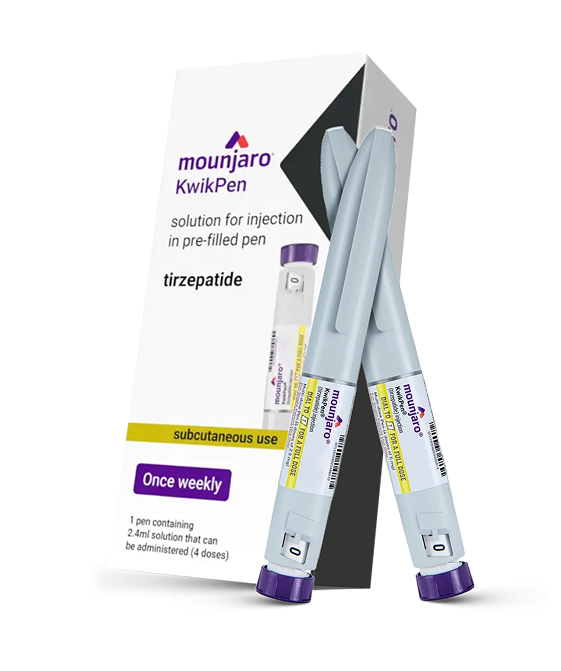
Mounjaro
Key Takeaways: Mounjaro and Gum Disease
- Mounjaro doesn’t directly cause gum disease, but indirect effects like dry mouth can contribute.
- Dry mouth from reduced saliva production increases the risk of gum issues.
- Common dental symptoms include gum sensitivity, bad breath, and taste changes.
- Diet and nausea may impact oral health by reducing saliva and exposing teeth to acid.
- Preventive care, like hydration and fluoride toothpaste, can protect teeth and gums.
Can Mounjaro Affect Your Teeth and Gums? Understanding the Real Link
Mounjaro doesn’t directly cause gum disease, but it can indirectly affect teeth and gums due to factors like dry mouth, dehydration, and acid reflux. These side effects can increase the risk of gum inflammation, tooth sensitivity, and cavities, especially if not managed with proper oral care and hydration.
Indirect Effects of Mounjaro on Oral Health
- Dry Mouth (Xerostomia): Reduced appetite and fluid intake on Mounjaro can lower saliva production, increasing the risk of gum irritation and tooth decay.
- Dehydration: Mounjaro’s effects on thirst and nausea can lead to chronic dehydration, creating a dry environment in the mouth.
- Acid Reflux and Vomiting: Slower digestion can worsen acid reflux or cause vomiting, exposing teeth to harmful stomach acid that erodes enamel.
- Nutritional Deficiencies: Appetite suppression may result in lower intake of essential vitamins and minerals like vitamin C, D, and calcium, weakening gum health.
- Increased Sensitivity: With reduced saliva and hydration, gums and teeth can become more sensitive, especially when consuming hot, cold, or acidic foods.
Why Dry Mouth Is the Hidden Trigger Behind Gum Problems
Dry mouth is often an under-discussed side effect of Mounjaro, yet it plays a crucial role in dental health. Saliva is essential for neutralising acids, preventing cavities, and protecting gums. Without adequate saliva, the mouth becomes more vulnerable to plaque buildup, gum irritation, and tooth decay.
Mounjaro as a GLP-1 medication, can reduce thirst and fluid intake, leading to a decrease in saliva production, making dry mouth a significant concern. Symptoms of dry mouth that users often report include a sticky feeling in the mouth, bad breath, and an increase in plaque buildup. These symptoms are a direct result of reduced saliva, which is normally responsible for washing away food particles, neutralising harmful acids, and keeping bacteria in check.
When saliva production decreases, the mouth becomes a more hospitable environment for bacteria and plaque, increasing the risk of gum disease and tooth decay. It’s essential to recognise these signs and take steps to manage dry mouth while on Mounjaro.
Find Out If Mounjaro is Clinically Suitable
Start Your Free Consultation Now
 Clinician-led medical assessment
Personalised dosing and nutrition support
Ongoing clinical monitoring throughout treatment
Clinician-led medical assessment
Personalised dosing and nutrition support
Ongoing clinical monitoring throughout treatment 
Common Oral Health Changes Users Report on Mounjaro
While not everyone experiences oral health changes on Mounjaro, several symptoms are commonly reported:
- Gum sensitivity or bleeding: Reduced saliva and increased plaque can irritate the gums, leading to sensitivity.
- Tooth sensitivity: Mounjaro’s side effects, like reduced saliva, may make teeth more sensitive to hot or cold foods.
- Bad breath (halitosis): Dry mouth and reduced saliva contribute to bad breath, often worsened by the lack of hydration.
- Taste changes: Some patients notice alterations in taste, which can make eating less enjoyable.
- Increased cavity risk: With decreased saliva flow, plaque and bacteria can thrive, leading to an increased risk of cavities.
It’s important to note that not all Mounjaro users experience these changes, but they should be aware and take preventive steps.
How Diet and Appetite Changes Affect Dental Health
Changes in eating patterns while using Mounjaro can quietly influence your oral health. Eating less frequently means your mouth produces less saliva throughout the day, reducing its natural ability to wash away bacteria and neutralise acids. At the same time, avoiding crunchy foods like fruits and vegetables removes the natural “cleaning” effect these foods provide for your teeth and gums.
Nausea and reduced appetite can also shift food preferences towards softer or sweeter options, which may increase plaque buildup if oral hygiene isn’t maintained carefully. In some cases, vomiting or acid reflux can expose teeth to stomach acid, raising the risk of enamel erosion. Over time, lower food intake may also affect nutrient levels, including vitamin C and calcium, both important for maintaining strong gums and healthy teeth. For a more detailed guide on managing these symptoms, read our article on how to manage nausea while using the Mounjaro pen and reduce related side effects.
How to Protect Your Teeth and Gums While Using Mounjaro
Maintaining oral health while on Mounjaro involves simple steps that support saliva production and minimize the risk of dental issues:
- Stay hydrated: Drinking plenty of water helps alleviate dry mouth and supports saliva flow.
- Use sugar-free gum: Chewing sugar-free gum can stimulate saliva production, keeping your mouth moist.
- Brush with fluoride toothpaste: Fluoride helps strengthen enamel and protect against cavities.
- Manage dry mouth symptoms: Use saliva substitutes or mouthwashes designed for dry mouth.
- Oral care after nausea episodes: After vomiting or nausea, rinse your mouth with water or a fluoride rinse to neutralize acids and protect your teeth.
- Regular dental visits: See your dentist regularly for check-ups, especially if you notice any oral health changes.
These practices can help reduce the risks of gum disease and tooth decay while you’re on Mounjaro.
When to Speak to Your Dentist or Doctor
It’s important to consult your dentist or doctor if you experience any of the following:
- Persistent gum bleeding that doesn’t improve with oral care.
- Severe dry mouth that affects daily life or doesn’t improve with hydration.
- Tooth pain or sensitivity that doesn’t subside.
- Ongoing bad breath or signs of infection that don’t go away.
Early consultation can help prevent further dental issues and allow your healthcare provider to offer personalized advice.
Conclusion: Protecting Your Smile While on Mounjaro
Mounjaro does not directly damage your teeth or gums, but its indirect effects can influence your oral health over time. Factors like dry mouth, reduced saliva, and dietary changes play a key role in increasing the risk of gum sensitivity, plaque buildup, and discomfort. Understanding these changes helps you take the right steps early.
With consistent oral hygiene, good hydration, and regular dental check-ups, these risks can be managed effectively. Staying aware of symptoms such as dry mouth or gum irritation allows you to act before problems develop. If you need personalised, clinician-led guidance during your treatment, the team at Mayfair Weight Loss Clinic can support you with safe, informed advice tailored to your needs.
FAQs About Mounjaro and Oral Health
Does Mounjaro cause dry mouth?
Dry mouth can occur while using Mounjaro, often linked to reduced fluid intake and appetite changes rather than a direct effect on saliva glands. Staying well hydrated and maintaining good oral hygiene can help manage symptoms and reduce discomfort.
Can Mounjaro affect your teeth?
Mounjaro doesn’t directly damage teeth, but indirect effects like dry mouth and dietary changes can increase the risk of plaque buildup and sensitivity. With proper care, these risks can be minimised during treatment.
What are Mounjaro dental side effects?
Some patients report dry mouth, bad breath, gum sensitivity, and occasional taste changes while on Mounjaro. These are usually mild and related to reduced saliva or changes in eating habits rather than the medication itself.
Can Mounjaro cause gum disease?
Mounjaro does not directly cause gum disease, but dry mouth can create an environment where bacteria build up more easily. If oral hygiene is not maintained, this may increase the risk of gum irritation over time.
How do I protect my teeth on Mounjaro?
Focus on staying hydrated, brushing with fluoride toothpaste, and maintaining a consistent oral care routine. Regular dental check-ups and simple steps like sugar-free gum can support saliva flow and protect your teeth and gums.
Why do I have bad breath on Mounjaro?
Bad breath is often linked to dry mouth, where reduced saliva allows bacteria to build up more easily. Drinking water regularly and keeping up with oral hygiene can help improve breath and overall oral health.
Are dental problems common with Mounjaro?
Not everyone experiences dental issues, but some patients may notice dry mouth, sensitivity, or mild gum changes. These effects are usually manageable and improve with proper care and awareness.
Can I have dental work while on Mounjaro?
You can safely have dental work while on Mounjaro, but it’s important to inform your dentist about your treatment. This helps them manage any side effects like nausea or dry mouth during procedures.
Mounjaro
Wegovy