Does Mounjaro Affect Anxiety or Depression? Side Effects Explained
Learn how Mounjaro may sometimes affect emotional wellbeing during treatment, why mood changes can happen, and what adults should monitor for safer long term weight management.
Last updated May 14, 2026

 9 min read

Beginning treatment with a Mounjaro may feel physically and emotionally different for some adults as the body adjusts to appetite and blood sugar changes. Although evidence does not show that a Mounjaro injection directly causes anxiety or depression, side effects like nausea, tiredness, or reduced food intake may sometimes affect mood during treatment.
Concerns about Mounjaro mental health side effects continue to grow as more patients focus on emotional wellbeing during weight management. Healthcare professionals often recommend monitoring both physical and psychological symptoms carefully, especially for adults with a history of mental health conditions. However, some warning signs may not appear as early as many people expect.
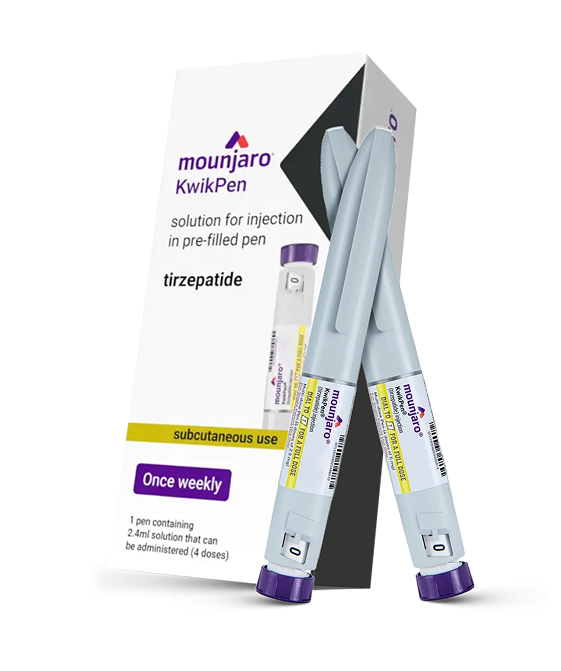
Mounjaro
Key Facts About Mental Health Before Starting Mounjaro
- Current evidence does not confirm that Mounjaro directly causes anxiety or depression, but some adults report emotional changes during treatment.
- Side effects such as nausea, poor sleep, fatigue, reduced appetite, and rapid weight loss may sometimes affect emotional wellbeing.
- Mood related symptoms are often reported more commonly during the first few weeks of treatment or after dose increases.
- Building healthy routines, managing stress, staying hydrated, and prioritising sleep may help support emotional balance during treatment.
- Persistent anxiety, low mood, panic symptoms, or major emotional changes should always be discussed with a healthcare professional.
Can Mounjaro Injection Affect Mental Health?
Some adults using a Mounjaro may notice emotional changes during treatment, including anxiety, low mood, or mood fluctuations. Current evidence has not confirmed a direct link between a Mounjaro injection and mental health conditions, but physical side effects such as nausea, fatigue, reduced appetite, or rapid weight loss may sometimes influence emotional wellbeing.
Discussions around Mounjaro mood side effects have increased as more patients share personal experiences during long term weight management. While many adults feel more confident and positive after weight loss, healthcare professionals still encourage careful monitoring of emotional symptoms throughout treatment, especially for those with a history of anxiety or depression.
What are the Causes of Anxiety or Mood Changes on Mounjaro Treatment?
For some adults, the emotional effects of weight loss treatment may feel just as noticeable as the physical changes. While Mounjaro treatment is not recognised as a direct cause of anxiety or depression, the body’s adjustment to appetite suppression, metabolic changes, nausea, fatigue, poor sleep, and reduced calorie intake may sometimes affect emotional wellbeing, particularly during the early stages of treatment or after dose increases. .
Physical Adjustment to Rapid Weight Loss
Rapid weight loss can place temporary stress on the body as hormones, metabolism, and energy balance begin to change. Reduced appetite and lower calorie intake may sometimes contribute to tiredness, irritability, or emotional sensitivity during the adjustment period.
Some adults experiencing anxiety on Mounjaro report these symptoms more strongly during the early stages of treatment.
Digestive Side Effects and Stress
Digestive symptoms such as nausea, bloating, fatigue, or stomach discomfort may sometimes affect sleep quality and daily comfort levels. Poor sleep and low energy can gradually influence mood and stress levels, particularly if symptoms continue for several weeks. Emotional strain may occasionally become more noticeable during dose increases.
Emotional Impact of Lifestyle Changes
Significant changes in eating habits can sometimes affect emotional wellbeing and social confidence around food. Some adults may feel anxious in social eating situations or emotionally challenged while adapting to new routines and body image changes. These adjustments may occasionally contribute to Mounjaro low mood during long term treatment.
Blood Sugar Fluctuations and Stress Responses
Mounjaro works by helping regulate blood sugar levels, but low blood sugar may occasionally occur, especially alongside certain diabetes medicines. When blood sugar drops too low, the body releases stress hormones that can cause sweating, shaking, rapid heartbeat, nervousness, and feelings that resemble panic or anxiety.
Rapid Metabolic and Hormonal Changes
Mounjaro affects appetite related hormones connected with hunger control and reward pathways within the brain. Sudden metabolic changes and reduced food intake may sometimes contribute to fatigue, lower energy levels, mood fluctuations, or irritability.
Some discussions around Mounjaro depression side effects are often linked with these broader physical adjustments rather than a confirmed direct mental health effect.
Find Out If Mounjaro is Clinically Suitable
Start Your Free Consultation Now
 Clinician-led medical assessment
Personalised dosing and nutrition support
Ongoing clinical monitoring throughout treatment
Clinician-led medical assessment
Personalised dosing and nutrition support
Ongoing clinical monitoring throughout treatment 
What Anxiety and Depression Symptoms Have Some Mounjaro Users Reported?
Although current clinical evidence does not list anxiety or depression as common direct side effects of a Mounjaro, some adults have reported emotional changes during treatment, particularly during the early stages or after dose increases. Experiences discussed in Mounjaro anxiety depression reports may include the following symptoms:
- Persistent low mood, sadness, or unexpected emotional sensitivity that may continue for several days without a clear reason or trigger.
- Increased anxiety, nervousness, or feeling emotionally overwhelmed more easily during stressful situations or daily routines.
- Irritability, frustration, or mood swings that may feel more noticeable while adjusting to appetite changes and reduced calorie intake.
- Reduced motivation or a loss of enjoyment in hobbies, exercise, social activities, or routines that previously felt enjoyable and rewarding.
- Emotional flatness, tiredness, or feelings commonly described as Mounjaro low mood, where energy and emotional responsiveness may feel lower than usual.
- Feeling mentally drained, emotionally disconnected, or unusually empty during certain stages of treatment adjustment or dose increases.
Changes in mood, energy, or emotional wellbeing during treatment should never be ignored. May Fair Weight Loss Clinic provides guidance to help adults monitor symptoms more safely throughout treatment.
Tips for Supporting Mental Wellbeing During Weight Loss Treatment
Major lifestyle and physical changes during treatment can sometimes affect emotional wellbeing alongside physical health. Adults using Mounjaro may benefit from balanced daily habits, better sleep, stress management, hydration, and realistic routines to support progress linked with Mounjaro for weight loss and manage concerns discussed around Mounjaro anxiety depression more confidently.
Practice Self Compassion
Weight loss progress can vary from person to person, which makes self kindness important during treatment. Focusing only on numbers on the scale may sometimes increase frustration or emotional pressure, especially during slower stages of progress.
Set Realistic Goals
Smaller and achievable goals may help maintain motivation more effectively than focusing only on long term weight targets. Recognising gradual improvements in routines, energy, or confidence may also help reduce emotional burnout during treatment.
Engage in Mindful Eating
Eating more slowly and reducing distractions during meals may help adults better recognise hunger and fullness signals. Mindful eating can also support healthier emotional habits by helping separate physical hunger from stress related eating patterns.
Build a Support Network
Support from family, friends, healthcare professionals, or trusted support groups may help adults feel less isolated during treatment. Open conversations about emotional wellbeing can sometimes make lifestyle adjustments feel easier to manage.
Manage Stress Carefully
Stress management techniques such as walking, meditation, deep breathing, yoga, or relaxing hobbies may support emotional balance during treatment. Reducing stress levels may also help limit emotional eating habits and improve overall wellbeing.
Prioritise Sleep Quality
Poor sleep may affect appetite regulation, energy levels, mood, and emotional resilience during treatment. Maintaining a consistent sleep routine may help support both physical recovery and mental wellbeing more effectively.
Stay Hydrated Throughout Treatment
Reduced appetite and digestive side effects may sometimes lower fluid intake without adults realising it. Staying properly hydrated may help support energy levels, concentration, digestion, and overall physical comfort during treatment adjustments.
Conclusion: Emotional Wellbeing During Mounjaro Treatment
Emotional changes during weight management treatment can sometimes feel worrying, particularly during the early stages or after dose increases. Although current evidence does not confirm that a Mounjaro directly causes anxiety or depression, factors such as nausea, poor sleep, reduced appetite, and rapid physical changes may sometimes influence emotional wellbeing during treatment.
Monitoring both physical and emotional symptoms throughout treatment remains important, especially for adults with existing mental health conditions or emotional health concerns. Building balanced routines, staying hydrated, managing stress, and seeking professional advice when symptoms feel persistent may help support safer and more comfortable long term weight management outcomes.
FAQs
Can Mounjaro cause anxiety attacks?
Some adults report feelings of nervousness, rapid heartbeat, or panic like symptoms during treatment, particularly if blood sugar drops too low or digestive side effects become difficult to manage. Current evidence has not confirmed anxiety attacks as a common direct side effect.
Does Mounjaro affect mood?
Mood changes may sometimes occur during treatment as the body adjusts to appetite suppression, weight loss, and metabolic changes. Fatigue, nausea, poor sleep, and emotional stress linked with lifestyle changes may also influence mood in some adults.
Does Mounjaro cause depression or anxiety?
Current clinical evidence does not confirm a direct link between Mounjaro and diagnosed anxiety or depression. However, some adults report temporary emotional changes during treatment, especially during the early stages or after increasing the dose.
Can low blood sugar on Mounjaro affect emotional wellbeing?
Low blood sugar may sometimes trigger sweating, shaking, nervousness, irritability, or feelings that resemble anxiety. The risk may be higher when Mounjaro is used alongside certain diabetes medicines.
Are mood changes more common during the first few weeks of treatment?
Some adults notice emotional changes more during the early stages of treatment while the body adjusts to appetite, digestion, and calorie intake changes. Symptoms may improve as routines and side effects become more manageable.
Should adults with anxiety or depression avoid Mounjaro?
Not necessarily. Healthcare professionals may still prescribe treatment after reviewing medical history, current medicines, and overall suitability. Ongoing monitoring of emotional wellbeing is usually recommended throughout treatment.
Can poor sleep during treatment worsen anxiety or low mood?
Yes. Poor sleep may affect emotional resilience, stress levels, appetite regulation, and overall mental wellbeing. Digestive discomfort or nausea during treatment may sometimes contribute to sleep disruption.
When should emotional symptoms during treatment be discussed with a healthcare professional?
Persistent sadness, emotional distress, worsening anxiety, panic symptoms, or major changes in behaviour should always be discussed with a healthcare professional, particularly if symptoms begin affecting daily life or wellbeing.
Mounjaro
Wegovy