

Reviewed By: Dr. John Lekkas
GMC Registration: 7448560
Last reviewed on: 15/03/2026Shipping Across the UK
 Cold-Chain Transportation
 UK Mainland Weekday delivery
 Channel Islands (Two-day delivery service)
 Northern Ireland (one to two-day delivery service)
 Shipped Monday - Friday
Saxenda Injection
Medication Features
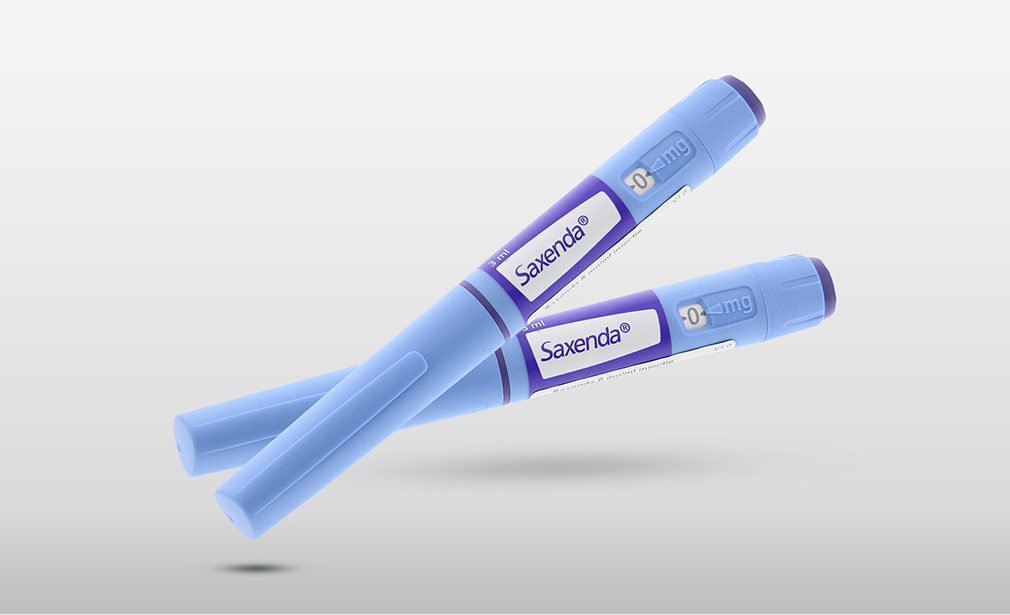
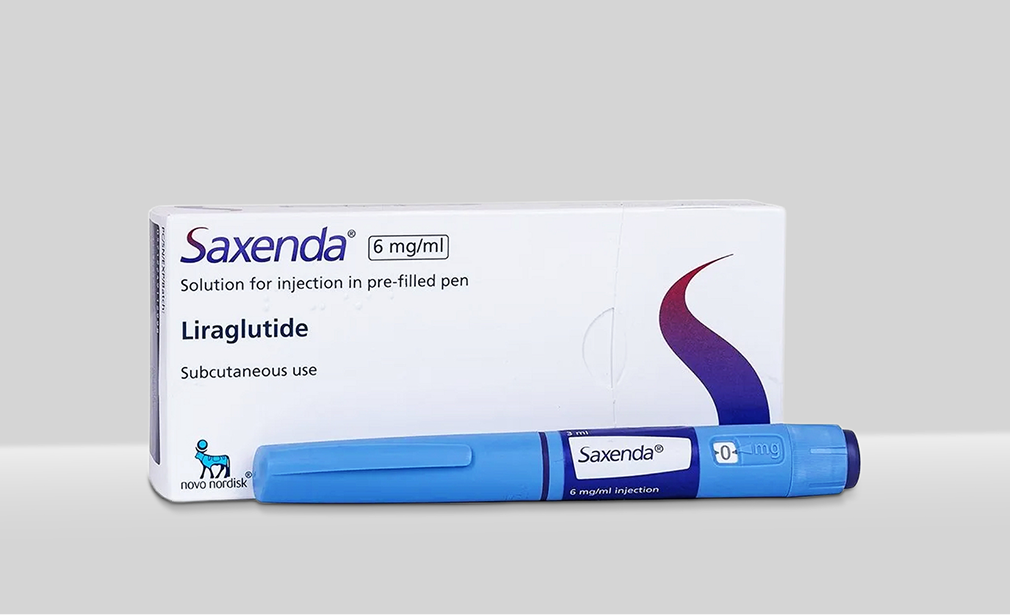
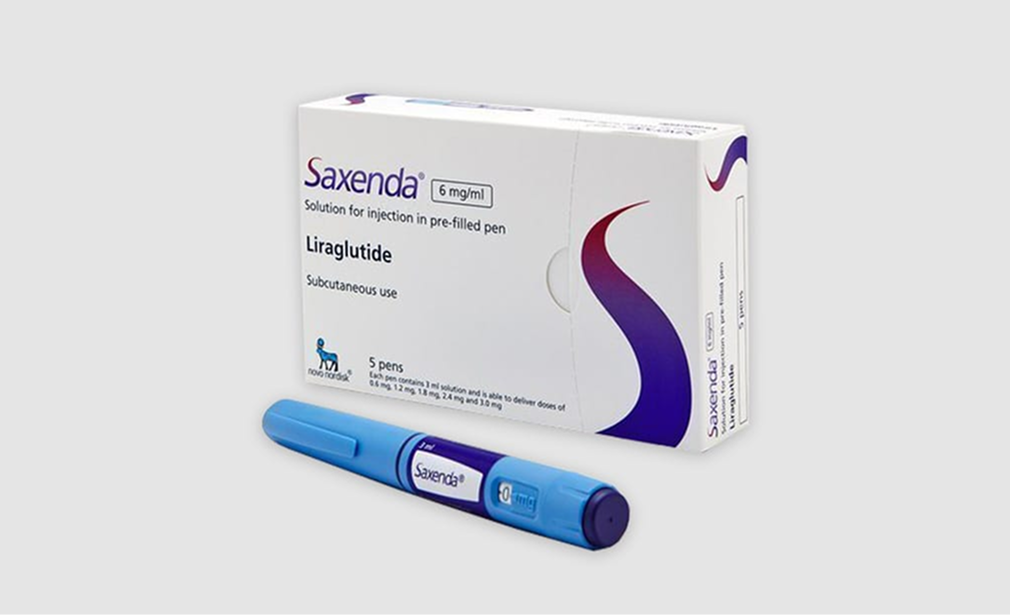
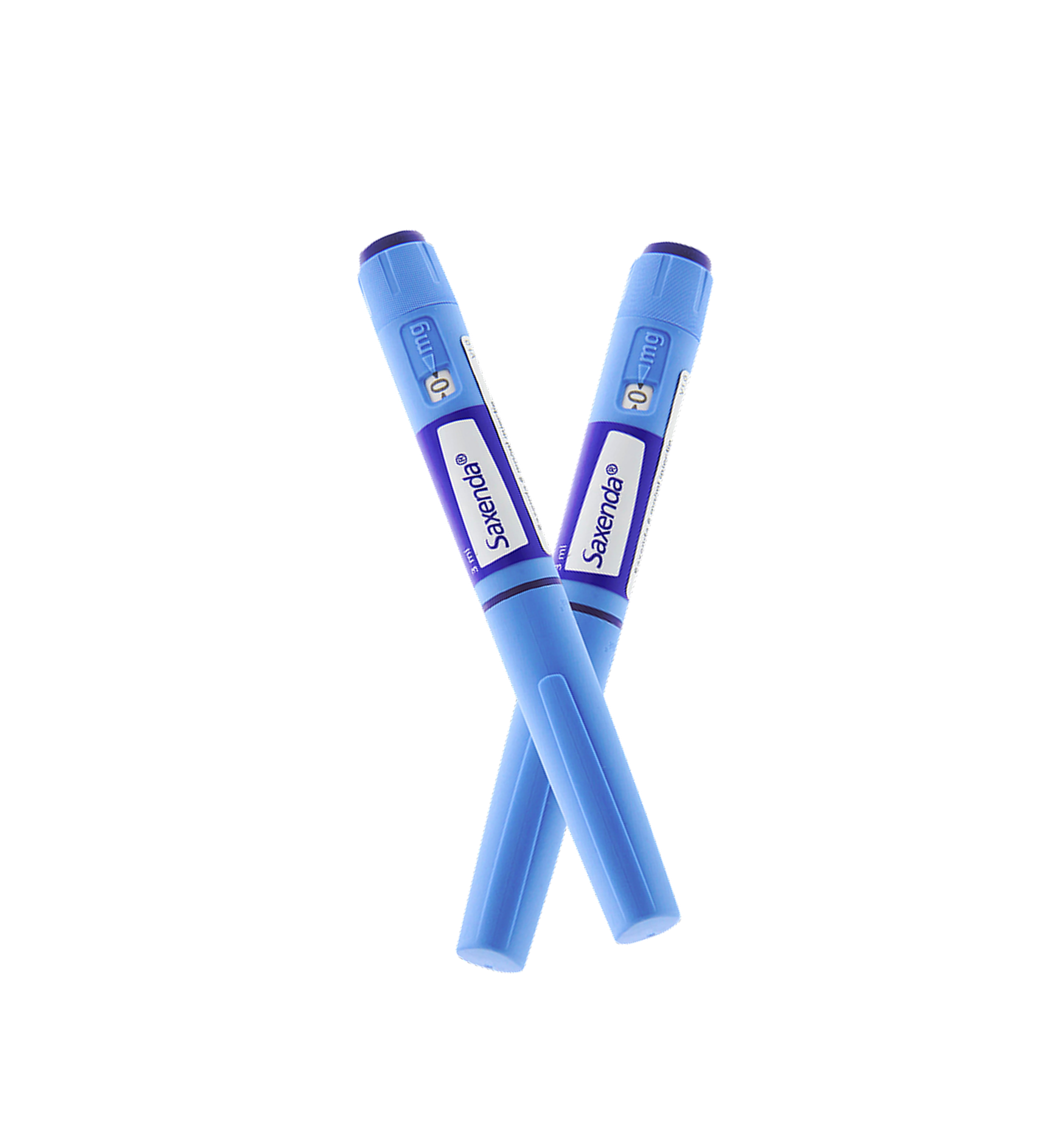
Saxenda weight loss pen is a once-daily injectable treatment designed to support gradual and sustainable weight loss. Each injection contains liraglutide 6 mg/ml, a medication used in the clinical treatment of obesity that helps regulate appetite, reduce food cravings, and promote a feeling of fullness. This makes it easier to adhere to a calorie-controlled diet and manage portion sizes effectively.
Patients using Saxenda will receive confidential medical support throughout their treatment, guided by regular prescriber assessments and professional oversight to ensure the best results.
For safe and responsible use, injection needles and sharps disposal bins can be included during your consultation process. This ensures you have everything needed for proper usage from the beginning.
What is Saxenda?
Saxenda is a prescription, once-daily injection used to support weight management in adults where excess weight may affect long-term health. It is designed for gradual, sustained use rather than rapid weight loss and forms part of a broader weight management plan that includes balanced nutrition and regular physical activity.
Saxenda pen for weight loss contains liraglutide, which works by activating GLP-1 (glucagon-like peptide-1) receptors involved in appetite regulation. By enhancing the body’s natural fullness signals, Saxenda helps reduce appetite and supports better portion control.
Over time, some people may feel satisfied with smaller meals and experience fewer ongoing hunger cues. Suitability is assessed using Body Mass Index (BMI), based on height and weight. While BMI calculator offer initial guidance, final suitability is always confirmed by a healthcare professional following medical review.

Fill out the Online Form
Fill out our online consultation form with valid and accurate patient information and medical conditions.

Select Treatment
Select the weight loss treatment you are prescribed. We will suggest the options based on your eligibility.

Track & Receive
Your treatment will be dispensed and delivered to your doorstep by a tracked courier service.
How much weight could you lose with Saxenda in one year?
* Based on the results of a peer-reviewed clinical study of 2539 participants.
When to use Saxenda?
Saxenda may be an option for adults where excess weight is affecting overall health and previous weight-management efforts have not achieved lasting results.
You may be considered for treatment if you fall into one of the following groups:
Adults with a BMI of 30 or higher
Adults with a BMI of 27 or higher who also have a clinically recognised condition linked to excess weight, such as:
- Impaired blood sugar regulation, including type 2 diabetes or pre-diabetes
- Raised blood pressure
- Elevated cholesterol levels
- Sleep-related breathing conditions, including obstructive sleep apnoea
Access to Saxenda injections is determined through a clinical assessment and is prescribed only when appropriate. A UK-registered prescriber reviews your health information to confirm suitability.
How does Saxenda weight loss pen work?
Saxenda supports weight management by using liraglutide, a medication that works on GLP-1 (glucagon-like peptide-1) receptors involved in appetite regulation. GLP-1 is a hormone your body releases after eating to signal fullness. By enhancing this natural response, Saxenda helps you feel satisfied sooner after meals, which can reduce overall food intake without creating a sense of deprivation.
Over time, this makes portion control and everyday food choices easier to manage. When used consistently alongside a reduced-calorie diet, clinical findings suggest many adults may lose around 5–10% of their starting weight.
Saxenda weight loss injection is designed to encourage gradual and sustainable weight loss, rather than rapid changes. Better outcomes are often seen when treatment is combined with regular physical activity and long-term lifestyle adjustments.
Disclaimer: Results vary from person to person. Factors such as consistency of use, individual metabolism, diet quality, and activity levels all influence outcomes. Ongoing healthy habits remain important for both achieving and maintaining weight-related benefits.
How effective is Saxenda weight loss medication?
Clinical research shows that Saxenda (liraglutide) may support ongoing weight loss. This effect is seen when it is used alongside diet changes and regular physical activity. Over a 56-week study, approximately 85% of individuals participating in the clinical evaluation experienced a measurable decrease in body weight while on treatment.
When Saxenda is used alongside a calorie-managed diet and regular physical activity, meaningful weight reduction is commonly observed. Approximately 60% of participants achieved a loss of at least 5% of their starting body weight, while around one-third lost more than 10%.
Across the wider study population, average weight loss ranged between 9 and 10 kg (around 21 lbs), highlighting the importance of sustained lifestyle changes alongside treatment.
When does Saxenda start to work?
When beginning Saxenda, some individuals experience early shifts in eating behaviour within the first few weeks, such as feeling satisfied sooner or having fewer urges to snack. Changes on the scale tend to appear more slowly and usually become noticeable over several months of steady daily use.
The pen for weight loss is administered once every 24 hours and can be taken at a time that fits your routine. Using it consistently, alongside balanced meals and regular movement, plays an important role in supporting longer-term results.
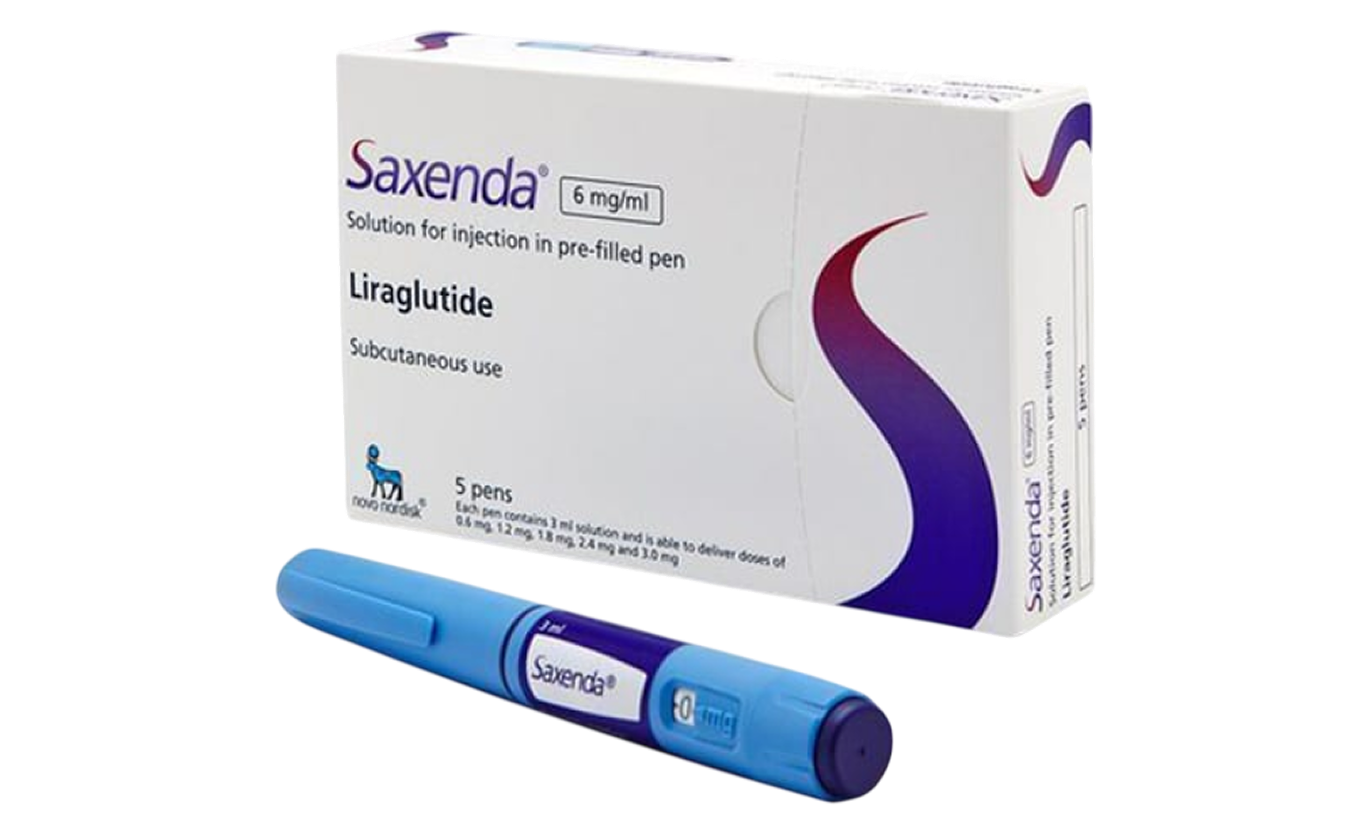
Table of Contents
- How to use Saxenda weight loss injection?
- When to avoid using Saxenda?
- When is the ideal time to take Saxenda
- How long can you stay on Saxenda for?
- What happens when you stop taking Saxenda treatment?
- Side effects
- Contraindications and precautions
- Where Can I Buy Saxenda Online UK
- Saxenda Alternative Weight Loss Treatments
How to use Saxenda weight loss injection?
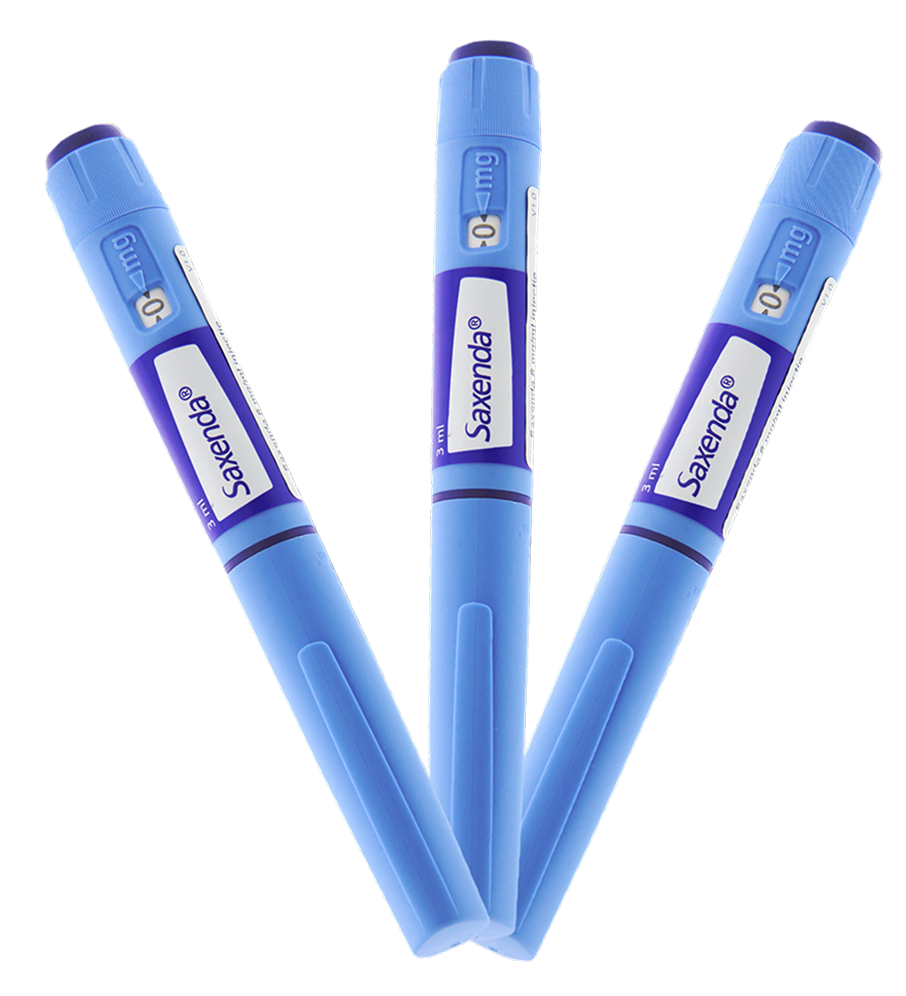
Saxenda is injected once per day as a subcutaneous injection using a ready-to-use pen. Treatment begins at a deliberately low dose and increases gradually over time. This stepped approach is designed to help the body adapt to the medication while minimising discomfort during the early phase of treatment.
Saxenda is started at a lower dose and increases gradually to allow the body to adjust. Each dose stage is completed in sequence, with the long-term dose reached over several weeks.
Saxenda Dose Schedule
- Week 1: 0.6mg injected once daily
- Week 2: 1.2mg injected once daily
- Week 3: 1.8mg injected once daily
- Week 4: 2.4mg injected once daily
- Week 5: 3.0mg injected once daily (ongoing dose)
Saxenda supports weight management when used alongside a balanced diet with enough protein to help maintain muscle health. Regular physical activity, such as around 30 minutes on most days, helps support steady and sustainable progress.
NOTE:
Saxenda pens are for single-patient use only. Do not share your injection pen with anyone else, even if a new needle is attached. Sharing pens can increase the risk of serious infections.
When to avoid using Saxenda?
Do not use Saxenda injections if you have medullary thyroid carcinoma (MTC), multiple endocrine neoplasia type 2 (MEN 2), or a close family history of these conditions. These rare disorders affect hormone-producing glands and increase tumour risk, which is why Saxenda is not prescribed in these cases.
Hypersensitivity and allergic responses
People with a known allergy to liraglutide or any component of Saxenda must not use this medication. Although uncommon, serious allergic reactions have been reported. Symptoms requiring urgent medical attention include:
- Swelling around the face, lips, tongue, or throat
- Sudden dizziness or fainting
- Rapid or irregular heartbeat
- Breathing or swallowing difficulties
- Widespread skin reactions, including severe itching or rash
Existing medical conditions
Saxenda may not be suitable for individuals with a history of pancreatitis, gastroparesis (delayed stomach emptying), or inflammatory bowel disease (IBD), such as Crohn’s disease or ulcerative colitis.
It should also be avoided by those with kidney or liver problems, including those on dialysis, as these conditions can affect how the body processes the medication. Additionally, individuals with heart failure, gallbladder inflammation, gallstones, or thyroid disease (including thyroid tumours) should not use Saxenda.
Medicines that may interact
Some medications can interact with Saxenda, including insulin, certain oral diabetes treatments (such as sulfonylureas), and anticoagulants. A full review of current medications is essential before treatment is considered to ensure safe use.
Age-related considerations
Saxenda is generally not recommended for adults over 75 years of age unless a healthcare professional determines it is appropriate. Age-related factors, including cardiovascular, liver, or pancreatic health, are carefully reviewed during assessment.
Pregnancy and breastfeeding
Do not use Saxenda during pregnancy, while breastfeeding, or when planning to conceive. There is limited safety data in these situations, and weight-loss treatments are not advised at this stage. Alternative medical guidance should be sought.
Clinical assessment requirement
All weight-loss treatments, including Saxenda, require a medical assessment by a UK-licensed prescriber. This process ensures the treatment is appropriate, considers individual health risks, and supports safe, informed decision-making.
When is the ideal time to take Saxenda
You can take Saxenda weight loss injection once a day at a time that suits you, with or without food. What matters most is creating a routine. Taking the injection every 24 hours at a consistent time helps the body respond more predictably to treatment.
Medical evidence shows that no specific time of day works better than another. Some people choose mornings to build it into their routine, while others prefer evenings when their schedule feels more settled. Tying the injection to a consistent daily habit often helps with long-term adherence. The ideal time is the one you are most likely to remember and maintain.
How long can you stay on Saxenda for?
Saxenda is typically started gradually, with a follow-up review after approximately four months. During this review, our healthcare professional will assess how well the treatment is working, whether it’s still suitable for your needs, and if you’re experiencing any side effects.
If you’re seeing positive results and tolerating the medication well, our clinical team may recommend continuing treatment until you reach a healthy BMI range or the target weight set by our clinical team. After this, Saxenda may be considered for weight maintenance, provided our clinical team confirms it remains a suitable option for you.
What happens when you stop taking Saxenda treatment?
When Saxenda injections is discontinued, its effect on appetite gradually fades as the medication leaves the body. Hunger signals return to their usual pattern over time. The treatment does not cause dependency, and stopping does not lead to withdrawal symptoms.
If lifestyle habits are not maintained, some weight regain may occur. Many people, therefore, plan their next steps before stopping treatment. Speaking with a prescriber about an exit strategy can help reinforce healthy habits and reduce the risk of losing progress.
Side effects
Saxenda is generally well tolerated, but like all prescription treatments, it may cause side effects in some individuals. Reactions vary from person to person. Full safety information is available in the Medication Guide with the overview below outlining common effects and less frequent but important considerations.
Common side effects of Saxenda
- Nausea (the most frequently reported side effect, often improving over time)
- Diarrhoea
- Constipation
- Vomiting
These effects are usually mild to moderate and often settle as the body adapts to treatment.
Less common side effects of Saxenda
- Reactions at the injection site
- Low blood sugar (hypoglycaemia)
- Headache
- Indigestion (dyspepsia)
- Fatigue
- Dizziness
- Abdominal discomfort
- Dry mouth or a change in taste
Serious side effects of Saxenda
- Severe allergic reactions (difficulty breathing, swelling of face or throat)
- Pancreatitis (severe stomach pain)
- Kidney problems
- Thyroid problems
- Dehydration
If any serious symptoms occur, seek urgent medical advice.
Comprehensive safety information is available in the Patient Information Leaflet (PIL).
Contraindications and precautions
Saxenda is a prescription medicine and may not be ideal for everyone. People with a confirmed hypersensitivity to liraglutide or any component of the injection should not use this treatment. As part of a safe prescribing process, it is essential to disclose any known drug or treatment allergies, as individual reactions can vary and influence clinical suitability.
Before starting Saxenda, tell our prescriber if you currently have or have previously experienced any of the following:
- Pancreatitis
- Depression or other mental health conditions
- Digestive or bowel disorders, including gastroparesis
- Kidney disease
- Pregnancy and breastfeeding
- Liver-related conditions
- Diabetes: Saxenda may be appropriate in some cases, but blood glucose monitoring is required. Certain diabetes medicines should not be used alongside Saxenda.
Before beginning treatment, speak with a UK-licensed prescriber if you are taking any prescription medicines, over-the-counter treatments, or herbal supplements. Some medicines, including insulin and glyburide, may interact with Saxenda. Our prescriber will review your current medications to confirm whether treatment is appropriate.
Moreover, you should read the Patient Information Leaflet included with the medication. This leaflet provides important information about dosing, safety, and correct use.
Where Can I Buy Saxenda Online UK
Saxenda can only be purchased online in the UK through a regulated clinic that provides a clinical assessment and prescription from a licensed healthcare professional. Because Saxenda is a prescription-only weight loss injection, patients must first complete a medical review to confirm eligibility based on BMI, medical history, and overall suitability. This ensures the treatment is prescribed safely and aligns with UK medical prescribing standards.
At Mayfair Weight Loss Clinic, Saxenda is provided through a structured and clinician-led pathway designed specifically for safe and effective weight management. Patients receive a full eligibility assessment, regulated prescription, and pharmacy-dispensed medication, ensuring authenticity and proper handling. In addition to supplying Saxenda, the clinic also provides dosing guidance, safety monitoring, and ongoing clinical support to help patients use the treatment correctly.
Choosing Mayfair Weight Loss Clinic ensures patients can access Saxenda online in the UK through a trusted and regulated service. Their medical team oversees the entire process, from consultation to prescription and follow-up, helping patients start treatment safely. This clinically supervised approach supports consistent progress while ensuring the treatment is used responsibly and effectively.
Saxenda Cost UK
Saxenda cost in the UK varies depending on the prescribed dose and treatment stage. At Mayfair Weight Loss Clinic, all Saxenda prices include regulated prescribing, genuine medication, and full clinical supervision to ensure safe and authentic treatment.
Saxenda Prices UK
- Saxenda 0.6 mg (Week 1): £74.99
- Saxenda 1.2 mg (Week 2): £149.99
- Saxenda 1.8 mg (Week 3): £224.99
- Saxenda 2.4 mg (Week 4): £299.99
- Saxenda 3.0 mg (Week 5+): £374.95
For optimal results, Saxenda should be combined with a balanced diet and regular exercise.
How to Start Saxenda Treatment at Mayfair Weight Loss Clinic
Starting Saxenda at Mayfair Weight Loss Clinic begins with a clinical assessment to confirm eligibility and ensure the treatment is suitable. Once approved, patients receive a regulated prescription and pharmacy-dispensed medication, along with full guidance on safe use. Ongoing clinical support helps patients stay on track and achieve effective, medically supervised weight loss.
Saxenda Alternative Weight Loss Treatments
If Saxenda is not the right option for you, there are several other weight loss treatments offered at our clinic:
Wegovy (Semaglutide) vs Saxenda
Wegovy is another GLP-1 receptor agonist that helps reduce appetite, much like Saxenda. However, unlike Saxenda, which requires a daily injection, Wegovy only needs to be administered once a week. Clinical trials suggest that Wegovy may lead to slightly more significant weight loss outcomes compared to Saxenda.
Mounjaro (Tirzepatide) vs Saxenda
Mounjaro the newest weight loss treatment, is administered weekly, similar to Wegovy. It targets both GLP-1 and GIP receptors, offering potentially superior weight loss results when compared to Saxenda.
Important Notes
- Saxenda is a prescription-only medication
- Ongoing monitoring by a healthcare provider is recommended
- Inform our clinical team about any other medications you're taking
- Store unused pens in the fridge (2-8°C)
- Do not freeze or shake the pens
- Safely dispose of used needles in the provided sharps bin
What our customers say
We pride ourselves on great customer service. Here are some comments left by our customers.
Michelle
Very easy and quick consultation process. Weight loss pens arrived the next day.
Mary
Friendly customer service team, responded promptly and professionally to my questions.
Amy
Ordered on Tuesday and it arrived on Wednesday morning. Very well packed. Excellent service.
FAQs
Clinical research shows that Saxenda can support meaningful weight reduction when used consistently. Most patients can expect to lose between 5% and 10% of their starting body weight. In large clinical trials, around 60% of participants achieved at least 5% weight loss, while nearly one-third lost 10% or more.
For some individuals, weight loss was even more pronounced. Average reductions of approximately 9–10 kg (around 21 lbs) were recorded when Saxenda was combined with a reduced-calorie diet and regular physical activity. These outcomes highlight the importance of lifestyle changes alongside treatment.
Saxenda should be injected just under the skin into the abdomen, upper thigh, or upper arm. It’s important to rotate injection sites to prevent irritation or fat build-up at the injection area, a condition known as lipohypertrophy. The injection must not be given into a muscle or vein.
To ensure correct administration, a step-by-step video guide is available on our website. This guide explains how to prepare the pen and deliver each dose safely and correctly.
Unused Saxenda pens should be kept in the refrigerator at a temperature between 2°C and 8°C. After first use, a pen may be stored either in the fridge or at room temperature, as long as it stays between 15°C and 30°C.
Each pen must be discarded 30 days after first use, even if there is medication remaining. Saxenda should never be frozen, and any pen that has been frozen must not be used.
Before starting Saxenda, tell our prescriber if you are taking:
- Anticoagulants (blood thinners)
- Anti-diabetic medications
- Other GLP-1 receptor agonists
- Heart failure
- Thyroid disorders
- Kidney or liver disease
- Pancreatitis
Body Mass Index (BMI) is calculated using your height and weight and helps assess whether Saxenda may be appropriate for you. You can calculate your BMI using a trusted calculator, such as the one provided by the NHS. Click here to check your BMI using this simple online tool.
Saxenda has not been clinically studied in combination with other prescription weight-loss medicines. For this reason, combining treatments is not recommended without medical supervision.
You can begin a short online medical consultation, which usually takes around five minutes, allowing a UK-licensed healthcare professional to assess your eligibility and advise on appropriate treatment options.
Achieving and maintaining weight loss may help improve conditions such as high blood pressure and high cholesterol. Speak with our clinical team to determine whether Saxenda is appropriate for your health profile.
Saxenda is not intended to treat cardiovascular conditions and has not been shown to reduce the risk of heart attack or stroke. It may increase resting heart rate in some individuals. If you notice a persistent racing or pounding heartbeat, seek medical advice.
Weight loss can sometimes affect menstrual cycles, and Saxenda may contribute to temporary changes as weight reduces. Rapid or significant weight loss can lead to irregular periods or missed cycles. As weight stabilises, periods often become more regular. You should seek medical advice if:
- Your periods suddenly become irregular and you are under 45
- There is a difference of 20 days or more between your shortest and longest cycles
- Your cycle occurs more frequently than every 21 days
- Your cycle is longer than 35 days
- Bleeding lasts longer than 7 days
Eligibility for Saxenda is assessed through an online medical consultation. This allows a UK-licensed prescriber to review your health details and determine whether treatment is appropriate.
Saxenda is generally recommended for adults with a BMI of 30 or above, or a BMI of 27 or above with a weight-related health condition such as type 2 diabetes or high blood pressure. A prescription is issued only after clinical approval.
Beyond weight reduction, Saxenda may support improvements in metabolic health. Some patients may see benefits such as better blood pressure control and a reduced risk of conditions associated with excess weight.
Commonly reported side effects include:
- Nausea
- Vomiting
- Diarrhoea
- Constipation
- Headaches
Reviewed By: Dr. John Lekkas
GMC Registration: 7448560
Dr John Lekkas is a GMC registered medical doctor with a specialist PhD, and is a global leading expert in weight loss and aesthetic medicine.
Last reviewed on: 15/03/2026Start free Consultation
Speak with our clinical team and get personalised advice.