
Why Does Mounjaro Cause a Bad Taste in the Mouth? Causes and What Helps
Find out why a strange or metallic taste can occur after starting Mounjaro and what it means for your body, with most cases being temporary and manageable.
Last updated Apr 23, 2026

 10 min read

A Mounjaro bad taste in the mouth can feel unexpected, especially during the early stages of treatment when your body is adjusting. Some patients notice a metallic flavour, while others experience a dry or lingering aftertaste. In most cases, this is linked to how the medication affects digestion and appetite rather than a harmful reaction, and it is usually mild and temporary.
With clinician-led support, patients are guided on how to manage these changes safely and confidently. Monitoring symptoms, staying consistent with treatment, and understanding the cause can make a noticeable difference over time. However, if the taste feels persistent or unusual, it may be worth exploring what your body is trying to signal next and whether your routine or hydration needs adjusting.
Mounjaro
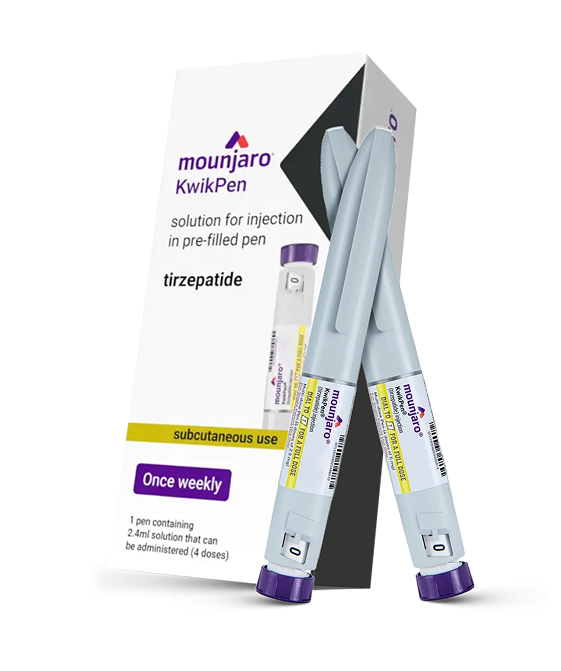
Key Insights on Mounjaro Taste Changes
- A Mounjaro bad taste in mouth is reported by some patients, especially in the early weeks
- It may feel metallic, bitter, or like your mouth tastes of salt
- Changes can be linked to digestion, hormones, or fat metabolism
- Symptoms are usually mild and improve over time
- Simple adjustments can reduce discomfort without stopping treatment
Does Mounjaro Cause a Bad Taste in the Mouth?
Yes, Mounjaro can cause a bad taste in the mouth in some patients. This is often described as metallic, bitter, or slightly sour and is recognised as a mild, temporary side effect. It does not affect everyone and usually settles as the body adjusts to treatment.
This change in taste is known as dysgeusia and reflects how the body responds to the medication rather than a harmful reaction. It can vary in intensity and may come and go throughout the day. Some patients notice it more after eating or when their appetite patterns shift, but overall, it remains a manageable and short-term experience for most users.
Why Mounjaro Can Change Taste in Mouth
Mounjaro can change taste in the mouth because it slows digestion, alters appetite-related hormones, and influences how the brain processes flavour. These effects may lead to a Mounjaro taste in the mouth, often described as metallic, bitter, or unusual. In most cases, this is temporary and improves as the body adapts.
Slower Gastric Emptying and Reflux
Mounjaro delays how quickly the stomach empties, meaning food and digestive acids remain longer. This can increase mild reflux, even without noticeable heartburn. As a result, some patients experience a strange aftertaste in the mouth, particularly after meals or when lying down.
Hormonal Signalling and Taste Perception
The medication works through GLP-1 and GIP pathways, which regulate appetite and satiety. These pathways also influence how taste is processed in the brain. This can lead to a metallic taste in mouth Mounjaro users sometimes notice, even when not eating.
Metabolic Adaptation and Ketone Production
As the body begins to burn stored fat, mild ketosis can develop. This process produces ketones, which may affect breath and taste. Some patients report a taste of metal in mouth and nausea, especially during early weight loss stages.
Saliva Changes and Oral Environment
Changes in appetite and hydration can reduce saliva production. This can make flavours feel stronger or unbalanced, causing the mouth tastes of salt or leaving a lingering unpleasant taste throughout the day.
Gut-Brain Interaction and Sensory Response
Mounjaro affects gut-brain signalling, which plays a role in how taste is perceived. These changes can alter sensory responses, meaning the taste may feel different even without clear digestive symptoms.
Find Out If Mounjaro is Clinically Suitable
Start Your Free Consultation Now
 Clinician-led medical assessment
Personalised dosing and nutrition support
Ongoing clinical monitoring throughout treatment
Clinician-led medical assessment
Personalised dosing and nutrition support
Ongoing clinical monitoring throughout treatment 
What Does the Mounjaro Taste Feel Like?
A Mounjaro bad taste in the mouth is often described as metallic, bitter, or slightly sour. It can feel unusual at first, especially if you were not expecting it. In most cases, the taste is mild and does not last all day.
You might notice it in different ways:
- A constant light taste in the background
- A strange aftertaste in mouth after eating
- A lingering taste when your mouth feels dry
Some people also notice it more:
- In the morning
- After burping or digestion changes
- During the first few weeks of treatment
- After a dose increase
In some cases, this may come alongside symptoms like headache nausea fatigue metallic taste in mouth, especially while your body is adjusting. These patterns are quite common and usually improve as treatment continues.
How to Get Rid of Bad Taste While on Mounjaro
You can reduce a bad or unusual Mounjaro taste in mouth by improving oral hygiene, staying well hydrated, and supporting digestion. These steps help restore saliva balance, limit reflux, and neutralise lingering flavours such as a metallic taste in mouth Mounjaro users may notice. In most cases, symptoms improve with consistent daily habits rather than stopping treatment.
Support Oral Hygiene
Brushing your teeth twice daily and cleaning your tongue helps remove bacteria and residue that can intensify unpleasant taste. This is especially helpful if you experience a strange aftertaste in mouth, as buildup on the tongue can make flavours feel stronger and last longer.
Stay Hydrated
Drinking enough water supports saliva production, which naturally cleanses the mouth. When hydration is low, the mouth tastes of salt or feels dry, making taste changes more noticeable and persistent throughout the day.
Adjust Eating Habits
Eating smaller, balanced meals can help reduce digestive pressure and minimise reflux. This is important if you notice a taste of metal in your mouth and nausea, which can sometimes occur when digestion slows or food remains in the stomach for longer.
Use Flavour Balancers
Sugar-free gum or mints can stimulate saliva and help mask unwanted flavours. Fresh or neutral foods can also help reset taste perception, making the sensation less noticeable between meals.
Manage Digestive Triggers
Avoid lying down straight after eating, as this can worsen reflux-related taste changes. Supporting smoother digestion helps prevent lingering bitter or sour flavours from returning during the day.
Is This a Side Effect of Mounjaro or Weight Loss Itself?
A change in taste while using Mounjaro can come from two different sources: the medication itself or the body’s response to weight loss. Mounjaro affects digestion and appetite hormones, which can alter how taste is perceived. At the same time, as the body begins to burn fat, metabolic changes can also influence breath and taste.
Medication-Related Taste Changes
As explained earlier, Mounjaro affects digestion and appetite hormones, which can influence how taste is perceived. These effects may lead to mild reflux, changes in saliva, and altered taste signals. As a result, some patients notice a metallic or unusual flavour, especially in the early weeks or after a dose increase. These changes are usually mild and reflect how the treatment works rather than a harmful effect. In most cases, they improve as the body adjusts over time.
Ketosis-Related Breath and Taste
As weight loss begins, the body may shift towards burning stored fat for energy. This process can produce ketones, which may affect breath and taste. Some patients describe this as a slightly metallic or “off” taste, often noticed in the morning or between meals. This is not directly caused by the medication but by metabolic changes during fat loss.
Comparison with Other GLP-1 Treatments
Similar effects have been reported with other GLP-1-based treatments such as semaglutide (used in Wegovy and Ozempic). These medications also influence digestion and appetite, which means taste changes and breath differences can occur across this class, although individual responses vary.
When It Is Normal
In most cases, these changes are normal and improve over time as the body adapts to treatment and ongoing weight loss. If the taste appears in the early weeks or after dose adjustments, it is usually part of this adjustment phase and not a cause for concern.
When It Might Need Attention
However, if symptoms become severe, persistent, or are accompanied by ongoing nausea, vomiting, or discomfort, reviewing your plan with a clinician is recommended. A clinical check ensures the symptoms are not linked to dehydration, reflux issues, or another underlying concern. You can also explore whether treatment is right for you in this eligibility guide before continuing or making changes.
Conclusion: Small Changes Big Relief
A Mounjaro bad taste in your mouth is often a sign that your body is responding to changes in digestion and metabolism rather than something going wrong. These shifts can feel unusual, but they are typically part of the adjustment phase. As your routine stabilises and your body adapts, the intensity and frequency of the taste usually reduce without needing major intervention.
Instead of reacting quickly, focus on observing patterns and making small, consistent adjustments to your daily habits. If the taste becomes persistent or starts to affect your comfort, it is important to seek professional guidance rather than self-managing changes. A clinician at Mayfair Weight Loss Clinic can review your symptoms and ensure your treatment remains safe, appropriate, and tailored to your needs.
FAQs About Bad Taste on Mounjaro
Can Mounjaro affect how food tastes?
Yes, some patients notice that foods taste different while using Mounjaro. This can happen because the medication affects appetite signals and digestion, which may alter how flavours are perceived. In most cases, this change is mild and improves as your body adjusts.
Is metallic taste normal on Mounjaro?
Yes, some patients report a metallic taste when starting Mounjaro. This is usually mild and linked to how the medication slows digestion and affects metabolism. It does not happen to everyone and often settles as your body adjusts to treatment.
How long does bad taste last?
A bad taste often appears in the early weeks or after dose increases. For most patients, it improves gradually as the body adapts to changes in digestion and appetite. The duration can vary, but it is typically temporary rather than long-term.
Why does my mouth taste salty?
A salty taste can occur when saliva levels change or the mouth becomes dry. Mounjaro can reduce appetite and fluid intake, which may affect oral balance. Staying hydrated and maintaining good oral hygiene can help reduce this sensation.
Can dehydration cause bad taste?
Yes, dehydration can make taste changes more noticeable by reducing saliva production. Saliva helps neutralise acids and clear flavour residue, so when it is low, tastes can feel stronger or unusual. Drinking fluids regularly supports a healthier mouth environment.
Does Mounjaro cause bad breath?
Some patients notice changes in breath, particularly during early weight loss. This can be linked to metabolic changes such as fat burning or mild digestive effects. In most cases, it is temporary and improves with hydration and dietary adjustments.
What foods help reduce bad taste?
Lighter, balanced meals are often easier to tolerate and less likely to trigger reflux or lingering taste. Cold or mild foods may feel more comfortable, while reducing greasy or acidic items can help minimise taste changes linked to digestion.
When should I be concerned?
If the taste becomes strong, persistent, or is accompanied by ongoing nausea, vomiting, or discomfort, it is important to seek clinical advice. A clinician can review your symptoms and ensure your treatment plan remains safe and appropriate.
Mounjaro
Wegovy