
Can Mounjaro Trigger Hiccups? Causes and What It Means
Mounjaro may cause hiccups due to digestive changes. Understand why this happens and how to manage the symptom effectively.
Last updated Apr 23, 2026

 9 min read

Hiccups are an uncommon yet frustrating symptom that some patients on Mounjaro may experience. While hiccups are not directly listed as a side effect of the medication, they can occasionally arise due to the medication’s effect on digestion. Understanding why this happens and how to manage it can help you feel more in control of your weight loss journey. This article will explore why Mounjaro might trigger hiccups and provide practical advice on how to prevent them.
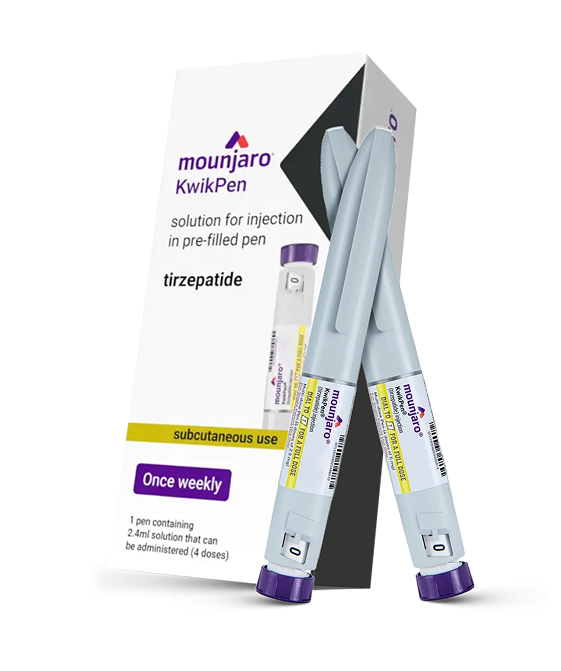
Mounjaro
- ✔ ~22.5% average body weight loss
- ✔ Significant weight reduction
- ✔ Improves blood sugar levels
- ✔ Clinically proven weight loss
Key Facts: Understanding Hiccups on Mounjaro
- Hiccups are not a common side effect of Mounjaro but may occur due to digestive changes.
- They are often linked to eating habits, gastric issues, or acid reflux.
- Hiccups are typically mild and temporary, improving with small lifestyle adjustments.
- Drinking carbonated beverages or eating too quickly can make hiccups worse.
- Managing stress and ensuring adequate hydration can help prevent hiccups.
- If hiccups persist for more than 48 hours, consult a doctor for further advice.
Are Hiccups a Side Effect of Mounjaro?
Hiccups are not a common or officially listed side effect of Mounjaro, but they can occur due to the medication’s effect on digestion. Mounjaro slows gastric emptying, leading to a feeling of fullness and occasional diaphragm irritation, which may trigger Mounjaro hiccups. These are generally mild and temporary.
While Mounjaro itself doesn’t directly cause hiccups, the medication’s effect on digestion, such as delayed stomach emptying, can cause stomach pressure or irritation, leading to hiccups. Hiccups may also occur after eating large meals, consuming carbonated drinks, or when acid reflux is present. These are all common experiences for people using Mounjaro. Typically, hiccups caused by Mounjaro resolve with simple lifestyle changes, such as eating smaller meals and avoiding fizzy drinks.
Why Mounjaro May Trigger Hiccups
Mounjaro (tirzepatide) may trigger hiccups due to its impact on digestion. By slowing gastric emptying, Mounjaro causes food to remain in the stomach longer, leading to increased pressure and bloating. This pressure can irritate the diaphragm, triggering involuntary contractions or hiccups. While not commonly listed as a side effect, hiccups often occur during the early stages of treatment or when the dose is increased, as the body adjusts to the medication.
Key Mechanisms Behind Mounjaro-Induced Hiccups:
- Delayed Gastric Emptying: Mounjaro slows how quickly food exits the stomach, causing prolonged fullness and additional pressure on the diaphragm.
- Gastrointestinal Side Effects: Indigestion, acid reflux, and GERD, which are common during Mounjaro treatment, can irritate the diaphragm and contribute to hiccups.
- Rapid Satiety & Eating Habits: Mounjaro increases feelings of fullness, leading to faster eating and overeating. This can cause stomach distension, further irritating the diaphragm.
- Adjustment Phase: Hiccups are more likely to occur when first starting Mounjaro or increasing the dose as the digestive system adapts.
Find Out If Mounjaro is Clinically Suitable
-
 Clinician-led medical assessment
 -
Personalised dosing and nutrition support
-
Ongoing clinical monitoring throughout treatment

Common Triggers That Make Hiccups Worse on Mounjaro
While Mounjaro may occasionally cause hiccups due to its effect on digestion, certain habits and conditions can exacerbate this symptom. Here are some common triggers:
- Eating Too Fast or Too Much: Mounjaro causes early satiety, so eating too quickly or too much can put pressure on the diaphragm and trigger Mounjaro hiccups.
- Carbonated Beverages: Fizzy drinks introduce gas into the stomach, leading to bloating, which increases the chances of diaphragmatic spasms and hiccups.
- Acid Reflux and GERD: Slower digestion can cause food to remain in the stomach longer, increasing the risk of acid reflux, heartburn, and hiccups.
- Fatty, Greasy, or Spicy Foods: These foods are harder to digest, worsening reflux and causing additional gastrointestinal discomfort, both of which can trigger hiccups.
- Swallowing Air (Aerophagia): Eating quickly, talking while eating, or drinking through a straw can cause air to be swallowed, creating gas and triggering hiccups.
- Lying Down After Eating: Lying down too soon after eating can cause food and acid to move upward, leading to reflux-induced hiccups.
- Dehydration: Insufficient hydration can disrupt digestion, making hiccups more likely.
By understanding and avoiding these triggers, you can better manage and reduce the frequency of hiccups while on Mounjaro, making your treatment experience more comfortable.
How to Stop and Prevent Hiccups While Taking Mounjaro
If you’re experiencing hiccups while on Mounjaro, the good news is that they are typically temporary and manageable with a few simple lifestyle adjustments. Here are practical, actionable tips to help prevent and relieve hiccups:
- Smaller and Slower Meals: Eating smaller meals and taking your time to eat can reduce pressure on your stomach and diaphragm. This helps avoid overstretching and irritation that can lead to hiccups.
- Avoid Fizzy Drinks: Carbonated beverages can introduce gas into the stomach, which increases bloating and puts pressure on the diaphragm, triggering hiccups. Opt for still water or non-carbonated drinks to avoid this.
- Stay Upright After Eating: Sitting or standing upright for at least 30 minutes after meals can help food move through the stomach more effectively and prevent acid reflux, a common trigger for hiccups.
- Hydration Habits: Staying well-hydrated is crucial for digestive health. Drinking plenty of water throughout the day helps keep your digestive system functioning smoothly and reduces the likelihood of dehydration-induced hiccups.
- Managing Reflux: Acid reflux or GERD can aggravate hiccups. To prevent reflux, try eating smaller meals, avoiding spicy or fatty foods, and speaking with your doctor about potential treatments for acid reflux.
By implementing these simple strategies, you can significantly reduce the occurrence of hiccups while on Mounjaro and make your treatment experience more comfortable. If Mounjaro hiccups persist or become disruptive, don’t hesitate to consult your healthcare provider for further advice.
When to Worry About Hiccups on Mounjaro
While hiccups are generally harmless and temporary when taking Mounjaro, there are certain situations where they may indicate a more serious issue. If your hiccups persist for more than 48 hours, it’s important to seek medical advice, as prolonged symptoms could be a sign of an underlying condition that requires attention.
Additionally, if you experience pain, vomiting, or severe reflux alongside hiccups, it’s a good idea to consult a doctor to rule out any other health concerns. Mounjaro hiccups that interfere with your ability to eat or sleep can also affect your quality of life and should be addressed with your healthcare provider. If any of these symptoms occur, it’s best to reach out to a medical professional to ensure your treatment plan is adjusted accordingly.
Conclusion: Managing Hiccups on Mounjaro
Hiccups are usually harmless and manageable while on Mounjaro. They are generally linked to digestion-related changes rather than being a serious side effect of the medication. With small adjustments to your eating habits, hydration, and reflux management, you can prevent and reduce hiccups. However, if they persist or become disruptive, consulting your healthcare provider for further guidance is always recommended.
At Mayfair Weight Loss Clinic, we are here to support you throughout your weight loss journey. Contact us for personalised guidance and to address any concerns you may have about your Mounjaro treatment.
FAQ About Mounjaro and Hiccups
Can Mounjaro cause hiccups?
Hiccups are not a common side effect of Mounjaro, but some patients may experience them due to the medication’s impact on digestion. Mounjaro slows gastric emptying, which can lead to a feeling of fullness and pressure on the diaphragm, potentially triggering hiccups.
Are hiccups a side effect of Mounjaro?
Although hiccups are not officially listed as a side effect of Mounjaro, they can occur indirectly due to the medication’s effect on gastric emptying and digestion. The slowed digestion can cause stomach distension, which may irritate the diaphragm and lead to hiccups.
How to stop hiccups on Mounjaro?
To prevent and manage hiccups while on Mounjaro, try eating smaller, slower meals to avoid overloading the stomach. Additionally, avoiding carbonated drinks and staying upright after meals can reduce the likelihood of hiccups triggered by digestion.
Why do I get hiccups after Mounjaro injections?
Hiccups after Mounjaro injections may be linked to the medication’s effect on digestion, particularly slowed gastric emptying. This leads to increased stomach fullness, which can irritate the diaphragm and trigger hiccups.
Can acid reflux cause hiccups on Mounjaro?
Yes, acid reflux can irritate the diaphragm and trigger hiccups, especially when combined with Mounjaro’s effects on digestion. Managing reflux with dietary adjustments or medications can help reduce the frequency of hiccups.
Are digestive side effects of Mounjaro common?
Some patients may experience digestive side effects like hiccups, nausea, or a feeling of fullness. These symptoms are generally temporary and manageable, and they usually improve as the body adjusts to the medication.
Can Mounjaro make my stomach feel bloated?
Yes, Mounjaro can cause stomach bloating due to its effect on slowing gastric emptying. This can lead to a feeling of fullness and discomfort, especially when adjusting to the medication.
How long do digestive side effects from Mounjaro last?
Digestive side effects from Mounjaro, such as bloating, nausea, or hiccups, are usually temporary. They typically subside as the body adjusts to the medication, but if they persist, it’s important to consult a healthcare provider for advice.
Mounjaro
- ✔ ~22.5% average body weight loss
- ✔ Significant weight reduction
- ✔ Improves blood sugar levels
- ✔ Clinically proven weight loss
Wegovy
- ✔ ~16.9% average body weight loss
- ✔ Boosts metabolic & cardiovascular health
- ✔ Proven, long-established safety profile
- ✔ Weekly injection, easy to use