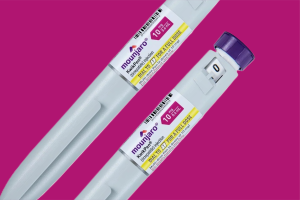
Why Am I Not Losing Weight on Mounjaro? Causes and Practical Solutions
Get to know why progress can slow down on Mounjaro treatment and what you can realistically do to get results back on track.
Last updated Mar 24, 2026

 9 min read

It can feel confusing when the scales stop moving, especially when you’re following your treatment plan closely. Mounjaro treatment is designed to support weight loss by regulating appetite and blood sugar, and many patients do see steady results. However, if you are not losing weight on Mounjaro, it can raise questions about whether something is going wrong.
In reality, weight loss is not always linear, and your body may respond differently at each stage of treatment. Factors like routine, metabolism, and dose progression can all influence results. Sometimes, progress slows for reasons that are not immediately obvious and understanding these hidden factors can change everything.
Mounjaro
- ✔ ~22.5% average body weight loss
- ✔ Significant weight reduction
- ✔ Improves blood sugar levels
- ✔ Clinically proven weight loss
Key Insights: Why Weight Loss Slows on Mounjaro
- Weight loss on Mounjaro treatment varies from person to person
- Plateaus are common and usually temporary
- Diet, activity, sleep, and stress strongly influence results
- Dose adjustments may be needed over time
- Clinical support helps optimise long-term success
How Mounjaro Works and Why Results Differ
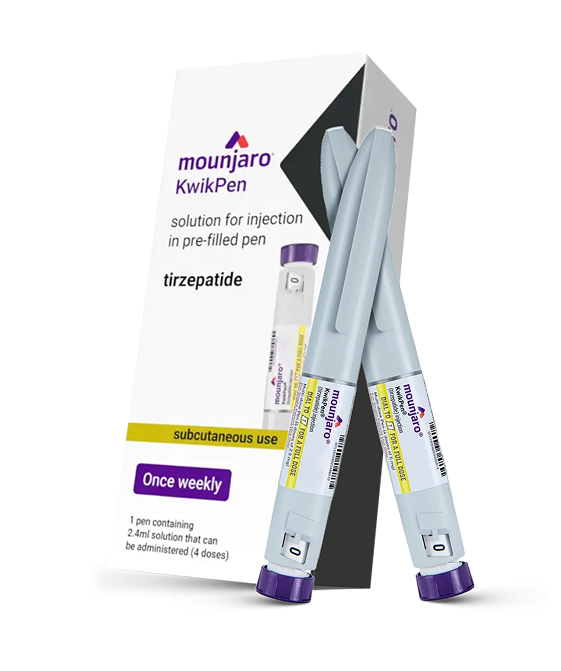
Mounjaro treatment works by mimicking two key hormones, GLP-1 and GIP, which help regulate appetite and blood sugar levels. These hormones signal fullness to the brain, slow down digestion, and improve how the body uses insulin. As a result, many patients naturally eat less and experience more stable energy levels throughout the day.
Alongside appetite suppression, better blood sugar control helps reduce cravings and supports more consistent fat loss. However, results are not identical for everyone. Factors such as metabolism, hormonal balance, daily routine, and food choices all play a role in how the body responds to treatment.
This is why weight loss can vary from person to person, even when using the same medication. Setting realistic expectations early helps patients understand that progress may be gradual, and that consistent habits alongside treatment are key to achieving long-term results.
Find Out If Mounjaro is Clinically Suitable
-
 Clinician-led medical assessment
 -
Personalised dosing and nutrition support
-
Ongoing clinical monitoring throughout treatment

How Long Does Mounjaro Take to Work?
Mounjaro (tirzepatide) starts working within hours of the first injection by reducing appetite and slowing digestion. However, noticeable changes such as weight loss or improved blood sugar control usually take 1 to 4 weeks to appear. Early appetite suppression is common, but visible progress builds gradually over time.
In the first 1–4 weeks, most patients experience reduced hunger and fewer cravings, with modest early weight changes. By weeks 4–8, weight loss becomes more noticeable as the dose increases and the body adjusts. See our detailed monthly Mounjaro weight loss guide for expected results by dose.
Over 3–6 months, more consistent and significant fat loss can occur as the medication reaches stable levels in the body. This gradual timeline is expected because treatment begins at a lower dose to reduce side effects, and it takes several weeks for the medication to reach a steady state. Results also vary depending on factors like dosage, lifestyle, and metabolism. Consistent habits alongside treatment play a key role in achieving steady and sustainable progress.
8 Reasons You’re Not Losing Weight on Mounjaro
If your progress has slowed or stopped, there are often clear and manageable reasons behind it that can be addressed with the right approach.
1. You’re Not in a Calorie Deficit
Weight loss still depends on a calorie deficit, meaning you burn more energy than you consume. Mounjaro treatment helps reduce appetite, but it does not replace the need for mindful eating. If calorie intake remains high, progress may slow or stop despite treatment.
2. Your Diet Quality Isn’t Optimised
What you eat matters as much as how much you eat. Diets high in processed foods can limit results, even with reduced appetite. Focusing on a balanced plate with protein, fibre, and healthy fats helps support fat loss and keeps you fuller for longer.
3. You’re Not Physically Active Enough
Movement plays a key role in weight loss. While Mounjaro treatment supports appetite control, physical activity helps increase calorie burn and preserve muscle. A mix of daily steps, cardio, and strength training can improve overall results and body composition.
4. It’s Too Early to See Results
Weight loss does not happen instantly. In the early stages, your body may lose water weight or simply adjust to the medication. This adaptation phase can make it feel like nothing is changing, even though internal processes are improving.
5. Your Dose Isn’t Optimised Yet
Mounjaro treatment is introduced gradually through a titration process. Lower starting doses are designed to help your body adjust, not maximise weight loss straight away. As the dose increases over time, results often become more noticeable.
6. You’ve Hit a Weight Loss Plateau
Plateaus are a normal part of any weight loss journey. As you lose weight, your metabolism adapts and energy needs decrease. This can slow progress temporarily, even if you are doing everything correctly.
7. Stress, Sleep, or Hormones Are Affecting Progress
High stress levels can increase cortisol, which may affect fat storage and appetite. Poor sleep can also disrupt hunger hormones and reduce energy levels, making it harder to stay consistent with healthy habits.
8. An Underlying Medical Condition May Be Involved
Conditions such as thyroid disorders, PCOS, or insulin resistance can influence how your body responds to treatment. If progress remains slow despite consistent effort, it may be worth discussing further testing with a clinician.
What to Do If You’re Not Losing Weight on Mounjaro
If weight loss slows on Mounjaro, it is often a normal plateau or a sign your body has adapted to the current dose. In most cases, progress can restart with targeted adjustments to diet, activity, and routine, along with clinical guidance when needed.
Reassess Your Calorie Intake
Ensure you are in a consistent calorie deficit, as Mounjaro supports appetite control but does not replace dietary balance. Tracking intake for a short period or using mindful eating can help identify hidden calories and improve consistency.
Improve Food Quality
Prioritise protein and fibre to support fat loss and keep you full for longer. Reducing ultra-processed foods and focusing on balanced meals can improve metabolic response and help break a plateau.
Increase Physical Activity Strategically
If progress has stalled, increasing exercise intensity can help. Combine daily steps with resistance training 2–3 times a week to build muscle and support metabolism, rather than relying on light activity alone.
Optimise Your Routine
Sleep and stress play a major role in weight loss. Aim for 7–9 hours of sleep and manage stress levels, as elevated cortisol can slow fat loss and increase cravings. Staying hydrated also supports overall metabolic function.
Track Progress Beyond the Scale
Weight is only one measure of progress. Tracking measurements, photos, strength, and energy levels can highlight improvements that the scale may not reflect, helping you stay motivated during plateaus.
If progress has not improved after several weeks, it may be worth discussing dose adjustment or further evaluation with a clinician to ensure your treatment plan remains effective and appropriate.
How to Break a Weight Loss Plateau on Mounjaro
- Adjust calorie intake slightly
- Increase workout intensity or variation
- Reassess daily habits
- Stay consistent over time
If you feel mounjaro treatment stopped working, it is often a plateau rather than failure.
When to Speak to a Doctor
Knowing when to seek medical advice is important to keep your treatment safe and effective.
- If you see no meaningful results after 8–12 weeks, a clinical review may be needed
- If you experience severe or persistent side effects that do not improve
- If there are signs of hormonal or metabolic issues affecting progress
- If you need guidance on dose adjustment or treatment optimisation
A clinician can assess your response, review your routine, and adjust your plan where necessary.
Alternatives If Mounjaro Isn’t Working
If Mounjaro not working anymore, alternative options can be considered based on your response and clinical needs.
- Other GLP-1 Medications: Wegovy (semaglutide) works in a similar way but may suit some patients better. Switching can be an option if your body responds differently.
- Weight Loss Tablets: Tablets may be suitable in certain cases, offering a different approach to appetite or fat absorption when injections are not effective.
- Lifestyle-Only Approach: A structured plan focusing on nutrition, activity, and behaviour can still support steady weight loss without medication.
The best option depends on your individual profile, so clinical guidance is important for making the right decision.
Final Thoughts: Making Mounjaro Work Effectively
Mounjaro treatment is a tool, not a shortcut. It supports appetite control and metabolism, but results depend on combining it with consistent habits. Without adjustments to diet and activity, progress may be limited. A balanced routine with proper nutrition, regular movement, and good sleep helps maximise results.
Small, sustainable changes can improve how your body responds over time, especially with the right clinical guidance. Weight loss is not always linear, and patience is key. With structured support from clinics such as Mayfair Weight Loss Clinic, patients can stay on track and achieve safe, steady, and long-term results.
FAQs on Weight Loss and Mounjaro
Why am I not losing weight on Mounjaro?
Weight loss may slow due to diet, activity, or metabolic adaptation. It does not always mean the treatment has failed.
Does Mounjaro work for everyone?
No, individual responses vary. Factors like lifestyle and health conditions influence results.
What is the average weight loss on Mounjaro?
The average weight loss on mounjaro varies, but many patients see gradual results over several months with consistent use.
Why has Mounjaro stopped working?
If mounjaro stopped working, it may be due to a plateau rather than true resistance. Adjustments can help restart progress.
How long before Mounjaro shows results?
Most patients notice appetite changes early, with visible weight loss after several weeks.
Can lifestyle affect Mounjaro results?
Yes, diet, exercise, sleep, and stress all influence outcomes.
Should I change my dose if I’m not losing weight?
No, dose changes should only be made under medical guidance.
What should I do if Mounjaro is not working anymore?
If you feel Mounjaro not working anymore, review lifestyle habits and consult a clinician for further assessment.
Mounjaro
- ✔ ~22.5% average body weight loss
- ✔ Significant weight reduction
- ✔ Improves blood sugar levels
- ✔ Clinically proven weight loss
Wegovy
- ✔ ~16.9% average body weight loss
- ✔ Boosts metabolic & cardiovascular health
- ✔ Proven, long-established safety profile
- ✔ Weekly injection, easy to use