Weight Loss Timeline for Men in the UK: A Realistic Guide
Weight loss timelines for men vary, but most sustainable progress happens over several months rather than through rapid short-term changes.
Last updated Jun 10, 2026
 10 min read

The first few weeks of a weight loss journey can bring encouraging changes on the scales, making it easy to believe that progress will continue at the same pace. However, sustainable weight loss for men is rarely a straight line, and results often vary from one person to another.
Factors such as starting weight, body composition, age, activity levels, sleep, and overall health can all influence progress. While some men notice quicker early changes, lasting results are usually built through consistent habits, realistic expectations, and long-term lifestyle improvements that many people overlook.
Mounjaro
- ✔ ~22.5% average body weight loss
- ✔ Significant weight reduction
- ✔ Improves blood sugar levels
- ✔ Clinically proven weight loss
Wegovy
- ✔ ~16.9% average body weight loss
- ✔ Boosts metabolic & cardiovascular health
- ✔ Proven, long-established safety profile
- ✔ Weekly injection, easy to use
Key Takeaways: Men’s Weight Loss Guide
- Weight loss timelines differ, with sustainable results usually achieved over months through consistent habits.
- Progress depends on factors like starting weight, nutrition, activity, age, sleep, and overall health.
- A gradual loss of 0.5kg to 1kg per week is often a realistic goal for many men.
- True progress includes changes in fat loss, fitness, strength, and wellbeing, not just scale weight.
- Long-term success comes from balanced eating, regular movement, and sustainable lifestyle changes.
How Long Does Weight Loss Take for Men?
Many men begin noticing changes within the first 2 to 4 weeks of improving their eating habits and activity levels. Early progress on the scales can sometimes appear encouraging, although part of this reduction may reflect changes in water balance rather than body fat. Sustainable weight loss for men is usually achieved through gradual lifestyle changes rather than rapid approaches.
More visible changes often develop after 8 to 12 weeks as healthier habits become established and fat loss becomes more noticeable. For many men, a gradual reduction of around 0.5kg to 1kg per week is often considered a sustainable approach. While men may sometimes progress faster due to higher muscle mass and energy expenditure, every men’s weight loss journey follows its own timeline, and the months ahead often reveal the most meaningful changes.
What Factors Affect a Man’s Weight Loss Timeline?
No two men will lose weight at exactly the same rate. While many people focus on calorie intake alone, factors such as body composition, age, activity levels, sleep, stress, and daily routines can all influence results. Understanding these differences can help set realistic expectations and explain why every weight loss journey men experience is unique.
Starting Weight and Body Composition
Men with a higher starting weight often notice larger changes during the early stages of weight loss. Body composition also matters, as individuals with more muscle mass generally use more energy at rest, which can influence the pace of progress.
Age and Metabolism
As men get older, natural changes in hormone levels, muscle mass, and activity patterns can affect how efficiently the body uses energy. Although progress may become slower for some individuals, healthy habits can continue to support positive long-term outcomes.
Nutrition and Energy Balance
Weight loss is influenced by both the amount and quality of food consumed. A balanced diet that includes protein, fibre, vegetables, whole grains, and healthy fats can help control appetite and make a male weight loss plan easier to follow over time.
Protein Intake and Muscle Mass
Protein plays an important role in preserving muscle while the body loses fat. Maintaining muscle mass can support physical performance, recovery, and healthier body composition changes throughout a men’s weight loss journey.
Exercise and Daily Activity
Regular exercise can help support fat loss, improve fitness, and maintain muscle mass. However, everyday movement such as walking, climbing stairs, and staying active throughout the day can also make a meaningful contribution to overall energy expenditure.
Sleep and Stress
Sleep and stress can influence appetite, food choices, recovery, and motivation. Men who prioritise good-quality sleep and effective stress management often find it easier to remain consistent with healthy habits and long-term goals.
Lifestyle and Dieting History
Work commitments, family responsibilities, travel, and previous dieting experiences can all affect progress. Men who have struggled with restrictive diets in the past may find that more flexible approaches are better suited to supporting healthy weight loss for men and maintaining results over time.
Achieve Sustainable Weight Loss
-
 Balanced Nutrition Plan
 -
Clinically Proven Treatments
-
Expert Professional Guidance

Fat Loss vs Weight Loss: What Should Men Track?
The scales can be a useful tool, but they only show total body weight and not the changes taking place beneath the surface. As men improve their eating habits and activity levels, they may lose body fat, retain water, or maintain muscle mass at the same time. Looking beyond scale readings can provide a more accurate picture of progress, helping men recognise positive changes in their health, fitness, and body composition.
Body Fat vs Scale Weight
Weight loss refers to any reduction in body weight, including water, muscle, and body fat. Fat loss, however, specifically refers to a reduction in body fat stores. For long-term health and appearance, fat loss is often a more meaningful goal than simply seeing the scales move.
Why Muscle Matters
Muscle plays an important role in metabolism, physical performance, and body composition. Men who combine resistance training with adequate protein intake may preserve or even build muscle while losing fat, which means scale weight may not always reflect the full extent of their progress.
Waist Measurements
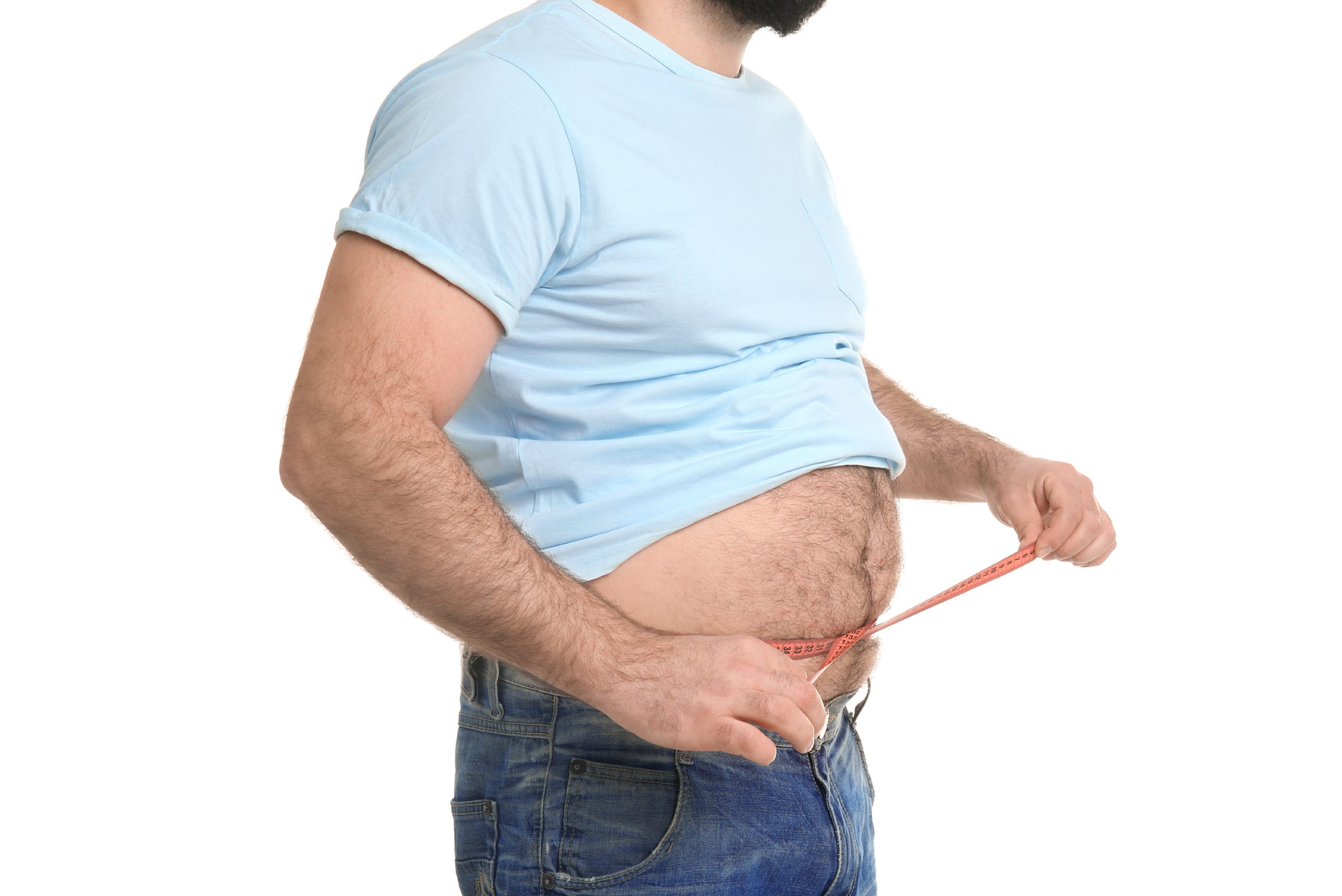
Changes around the waist can provide valuable insight into fat loss, particularly in the abdominal area. Even when scale weight remains relatively stable, a smaller waist measurement may indicate improvements in body composition and reductions in excess body fat.
Strength and Fitness Improvements
Progress is not always measured by kilograms lost. Improvements in strength, stamina, exercise performance, or the ability to complete daily activities with greater ease can demonstrate positive physical changes that often develop alongside weight management efforts.
Consistency and Daily Habits
Sustainable results are often driven by the habits repeated every day. Monitoring behaviours such as regular exercise, meal planning, hydration, and sleep quality can help highlight meaningful progress and reinforce routines that support long-term health goals.
Energy and Wellbeing
Many men notice improvements in energy levels, confidence, sleep quality, and overall wellbeing as they progress. These positive changes are valuable indicators that a best diet for men to lose weight and a sustainable lifestyle approach are supporting overall health, even if scale weight does not change every week.
How Men in the UK Can Make Weight Loss More Sustainable
Long-term weight loss for men is usually achieved through habits that fit naturally into everyday life. Sustainable progress often comes from consistent nutrition, regular activity, quality sleep, and realistic goals rather than restrictive diets or short-term solutions.
Sustainable Weight Loss Plan
A successful male weight loss plan focuses on healthy routines that can be maintained long term. Small, practical changes are often more effective than dramatic approaches and can support lasting results.
- Eating Habits: Protein, fibre, vegetables, and whole grains can help improve fullness and support better food choices. Simple adjustments to portion sizes and meal quality are often easier to maintain than restrictive dieting.
- Regular Physical Activity: Regular movement supports fat loss, fitness, and overall health. Alongside structured exercise, everyday activities such as walking, cycling, and taking the stairs can make a meaningful difference over time.
- Reducing Empty Calories: Alcohol, sugary drinks, and highly processed snacks can add significant calories without providing lasting satiety. Reducing these sources can support healthier eating patterns and long-term progress.
- Supportive Environments: Having encouragement from family, friends, fitness groups, or structured programmes can improve motivation and help men stay consistent during their weight management journey.
- Recovery and Sleep: Good-quality sleep supports appetite regulation, energy levels, and recovery. Prioritising rest can make healthy habits easier to maintain and support better long-term outcomes.
Professional Weight Loss Support
Some men achieve their goals through lifestyle changes alone, while others may benefit from additional guidance and accountability. Professional support can help identify barriers, create realistic goals, and provide personalised recommendations based on individual circumstances.
For men facing ongoing weight management challenges, Mayfair Weight Loss Clinic offers clinician-led assessments and information on available treatment options. In some cases, clinically supervised treatments such as Mounjaro or Wegovy may be considered for eligible adults following an appropriate assessment, alongside continued lifestyle changes and long-term healthy habits.
Conclusion: Building Results That Last
Successful weight loss for men is rarely about achieving rapid results in a short period. While early changes can be encouraging, meaningful long-term progress is usually shaped by consistent eating habits, regular physical activity, quality sleep, and realistic expectations. Sustainable improvements often develop gradually and become easier to maintain over time.
Every men’s weight loss journey is different, with progress influenced by factors such as age, body composition, lifestyle, and overall health. Rather than focusing solely on the scales, prioritising healthier habits, improved fitness, and long-term wellbeing can create a stronger foundation for lasting success and better health in the years ahead.
FAQs About Weight Loss for Men
How long does weight loss take for men?
Weight loss timelines vary between individuals. Many men notice early changes within the first few weeks, but meaningful and sustainable fat loss often develops over several months through consistent lifestyle habits.
What is a healthy weight loss per week for men?
For many adults, healthy weight loss is often considered to be around 0.5kg to 1kg per week. However, progress can vary depending on factors such as starting weight, activity levels, nutrition, and overall health.
How to lose weight fast for men?
Men looking for how to lose weight fast for men should focus on sustainable changes rather than extreme diets. A balanced diet, regular physical activity, adequate sleep, and consistency are generally more effective than quick-fix approaches.
What is the best diet for men to lose weight?
There is no single best diet for men to lose weight. The most effective approach is usually one that provides balanced nutrition, includes adequate protein, fits individual preferences, and can be maintained long term.
Why does weight loss slow down after a few months?
Weight loss often becomes slower as the body adapts to changes in body weight and energy needs. Early progress may include water loss, while later stages tend to focus more on gradual fat reduction.
How important is protein during male weight loss?
Protein plays a key role in preserving muscle mass while losing fat. It can also help improve fullness after meals, support recovery from exercise, and contribute to healthier body composition changes.
Can men lose fat while building muscle?
Yes, some men can lose body fat while gaining or maintaining muscle, particularly when resistance training is combined with adequate protein intake and a well-structured nutrition plan.
What makes a male weight loss plan effective?
An effective male weight loss plan is realistic, sustainable, and tailored to individual needs. Successful plans typically combine balanced nutrition, regular physical activity, healthy sleep habits, and long-term consistency rather than relying on restrictive dieting.
Mounjaro
- ✔ ~22.5% average body weight loss
- ✔ Significant weight reduction
- ✔ Improves blood sugar levels
- ✔ Clinically proven weight loss
Wegovy
- ✔ ~16.9% average body weight loss
- ✔ Boosts metabolic & cardiovascular health
- ✔ Proven, long-established safety profile
- ✔ Weekly injection, easy to use