Can You Drink Alcohol on Mounjaro? What Patients Should Know
Find out can you drink alcohol on Mounjaro, how it affects your body, and what to avoid for safer, stronger weight loss results.
Last updated Mar 13, 2026
 7 min read

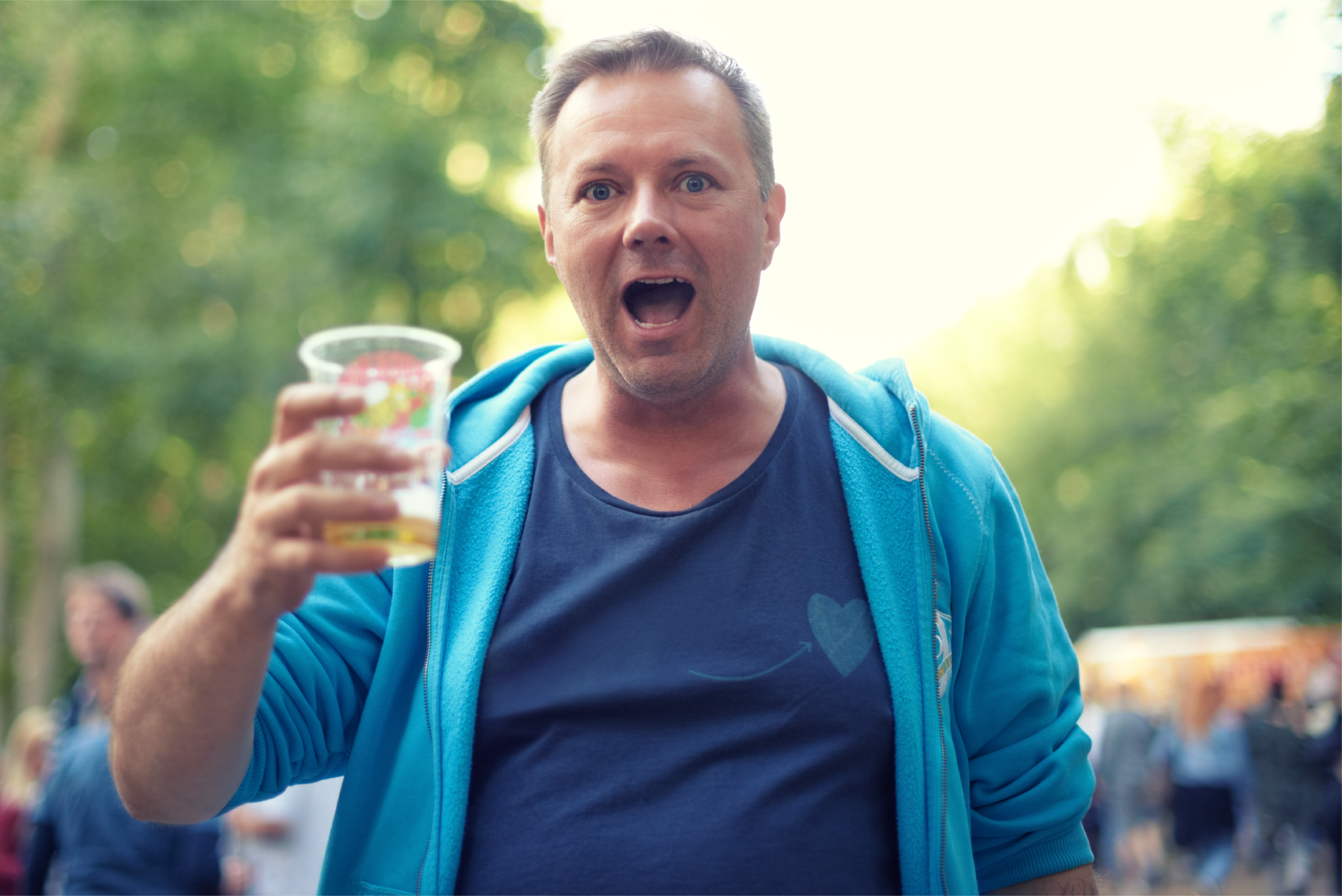
A glass of wine with dinner should not feel like a medical risk, yet many patients starting Mounjaro for weight loss understandably question whether alcohol is still safe. Online advice can be polarised, with some recommending complete avoidance and others suggesting no concern at all. Clinically, alcohol is not strictly prohibited with tirzepatide, but it should be limited.
Excessive intake may worsen nausea and vomiting, increase dehydration, disrupt blood sugar levels, and in rare cases, contribute to pancreatitis risk. Binge drinking, drinking on an empty stomach, and sugary mixers are particularly discouraged. This article explains the evidence on Mounjaro and alcohol, how your response may change, and when to seek medical advice.
What You Should Know Before You Drink
- Mounjaro for weight loss is not strictly incompatible with alcohol, but moderation is important.
- Some patients may notice reduced alcohol tolerance.
- Nausea and dehydration risk can increase if drinking excessively.
- Avoid heavy drinking, empty-stomach alcohol, sugary mixers, and poor hydration while on Mounjaro.
- Blood sugar shifts may occur, especially if meals are skipped.
- Clinical advice is recommended if symptoms persist.
Can You Drink Alcohol While Using Mounjaro?
For many patients, the question is not whether alcohol is allowed, but how much is sensible. Clinical evidence currently suggests there is no strict medical prohibition against moderate drinking while using Mounjaro for weight loss. However, caution remains important. The medication affects appetite, digestion, and metabolic regulation.
As a result, alcohol may feel stronger or trigger nausea more easily than expected. Within standard Mounjaro injection UK prescribing practice, clinicians recommend moderation rather than complete avoidance. Occasional, limited intake may be acceptable under supervision, particularly when taken with food and adequate hydration.
Heavy drinking, however, is discouraged as it can worsen gastrointestinal symptoms and disrupt progress. When discussing Mounjaro and alcohol UK, guidance is individualised, based on health status, dose stage, and lifestyle habits.
Start Your Medically Guided Weight Loss Journey Today
-
 Clinically proven treatments for sustainable weight loss
 -
Improve outcomes through nutritious, balanced eating habits
-
Personalised dietary guidance from an experienced clinical team

Why Alcohol May Affect You Differently on Mounjaro For Weight Loss
Your body may process alcohol differently while adjusting to treatment, which is why moderation and awareness matter.
Appetite Suppression
Mounjaro for weight loss reduces appetite; some patients eat less before drinking. Lower calorie intake can reduce alcohol tolerance and increase sensitivity. As a result, you may feel the effects more quickly or experience nausea sooner than usual.
Slower Gastric Emptying
The medication slows digestion as part of its therapeutic effect. This means alcohol may remain in the stomach for longer periods. Prolonged exposure can increase nausea, bloating, or general digestive discomfort.
Blood Sugar Effects
Although Mounjaro for weight loss supports blood sugar regulation, alcohol can cause unpredictable fluctuations. Drinking without food may increase the risk of low blood sugar symptoms. Monitoring intake and pairing alcohol with balanced meals may help reduce this risk.
Nausea Sensitivity
Some patients report heightened sensitivity to alcohol after starting treatment. For example, one patient using Mounjaro for weight loss noticed increased nausea after two drinks. By spacing intake, eating beforehand, and increasing hydration, symptoms improved without stopping treatment.
What to Avoid While Taking Mounjaro and Consuming Alcohol:
- Excessive or Binge Drinking:
Large amounts of alcohol place a strain on the pancreas. Since GLP-1/GIP-based treatments already carry a recognised pancreatitis warning, heavy drinking may increase that risk further and should be avoided. - Alcohol Without Food:
Drinking on an empty stomach can cause rapid drops in blood sugar. This is particularly important for patients with diabetes or those using additional glucose-lowering medicines. - High-Sugar Cocktails and Calorie-Dense Drinks:
Sweet mixers and high-calorie beverages can significantly increase energy intake. They may also cause sharp blood sugar fluctuations, which can interfere with weight-loss progress. - Pre-Existing Medical Conditions:
Patients with a history of pancreatitis, liver disease, or ongoing severe nausea and vomiting should avoid alcohol altogether unless advised otherwise by a clinician. - Poor Hydration Habits:
Both treatment and alcohol can contribute to fluid loss. Failing to replace fluids may increase dehydration risk and place additional strain on the kidneys.
For those accessing treatment through Mounjaro online prescription services, structured clinical supervision remains essential. Whether attending in person or using an online pathway, ongoing review ensures alcohol use, tolerance, and side effects are monitored safely and appropriately.
Potential Risks to Be Aware Of
While moderate alcohol may be acceptable, excessive intake can lead to:
- Increased nausea or vomiting
- Dehydration
- Reduced alcohol tolerance
- Slower recovery the following day
- Behavioural choices that disrupt weight-loss progress
Additionally, dehydration combined with digestive slowing may intensify discomfort. Therefore, patients using a weight loss injection mounjaro should approach alcohol cautiously, especially in early dose escalation. In the UK context, structured supervision under Mounjaro weight loss UK services helps monitor these effects safely.
Practical Tips for Safe Alcohol Intake
If choosing to drink while on Mounjaro for weight loss, the following strategies may help support safety and treatment progress:
- Limit intake to moderate amounts (generally 1–2 drinks) and avoid daily consumption.
- Avoid heavy or binge drinking, as alcohol can worsen nausea and dizziness linked to treatment.
- Eat a balanced meal beforehand to reduce the risk of low blood sugar and improve tolerance.
- Alternate alcoholic drinks with water to reduce dehydration.
- Avoid drinking on an empty stomach, particularly during dose escalation.
- Choose lower-risk options, such as light beer, dry white wine, or spirits with zero-calorie mixers.
- Monitor how your body responds, as sensitivity may increase while on treatment.
Alcohol can add “empty” calories and lower inhibitions, which may affect food choices and weight-loss progress. Hydration may help reduce nausea and fatigue, while spacing drinks slowly may improve tolerance. It is essential to discuss alcohol consumption with your clinician to ensure a safe, personalised approach aligned with your treatment plan.
When to Speak to a Clinician
You should seek advice if you experience:
- Persistent vomiting
- Severe abdominal pain
- Dizziness or fainting
- Symptoms of low blood sugar
- Concerns about reduced medication effectiveness
At Mayfair Weight Loss Clinic, we prioritise safe prescribing and monitoring. You can also learn more about realistic outcomes in our blog on How Much Weight Can You Lose Monthly on Mounjaro?.
Conclusion: Safe Drinking, Stronger Results
Moderate alcohol consumption is not strictly prohibited while using Mounjaro for weight loss, but thoughtful caution is wise. Clinical evidence does not show a direct harmful interaction; however, appetite suppression and digestive changes may alter tolerance.
Most patients can maintain occasional social drinking with sensible limits. Importantly, persistent symptoms or uncertainty should prompt clinical review. With appropriate monitoring, Mounjaro for weight loss remains a safe and effective treatment when guided by experienced professionals.
FAQs About Mounjaro and Alcohol
Can I drink alcohol on Mounjaro?
Moderate alcohol intake may be acceptable while using Mounjaro for weight loss, provided it is discussed with your clinician. Because the medication affects appetite and digestion, tolerance may differ from before treatment, especially during dose increases.
Does Mounjaro stop you from drinking alcohol?
No, Mounjaro does not prevent alcohol consumption. However, some patients report feeling the effects more quickly or experiencing increased nausea, which means moderation is important.
Is alcohol contraindicated with Mounjaro?
There is no strict medical prohibition against alcohol while on treatment. That said, caution is advised, particularly for patients with digestive sensitivity or underlying health conditions.
Can alcohol worsen nausea on Mounjaro?
Yes, alcohol may intensify nausea or stomach discomfort, especially during the early stages of treatment. Drinking slowly, with food, and in small amounts may help reduce this risk.
Will drinking alcohol stop weight loss?
Occasional moderate intake is unlikely to completely halt progress. However, alcohol contains calories and may reduce dietary control, which can slow results over time.
Is dehydration a concern?
Yes. Both alcohol and Mounjaro can contribute to fluid loss. Maintaining good hydration is important to reduce fatigue, headaches, and digestive discomfort.
Should I avoid alcohol completely?
Not necessarily. Many patients can continue occasional social drinking, but decisions should be personalised based on medical history and tolerance.
Is it safe to use a weight loss shot Mounjaro, and drink socially?
For most patients, moderate social drinking with food and adequate hydration is tolerated. Ongoing supervision through your treatment plan ensures any concerns are reviewed promptly.