
Is the Mounjaro Pen Safe for Kidney Health? Important Insights for Patients
The Mounjaro pen supports weight loss and metabolic health while requiring careful hydration and monitoring to protect kidney function.
Last updated Mar 13, 2026
 11 min read

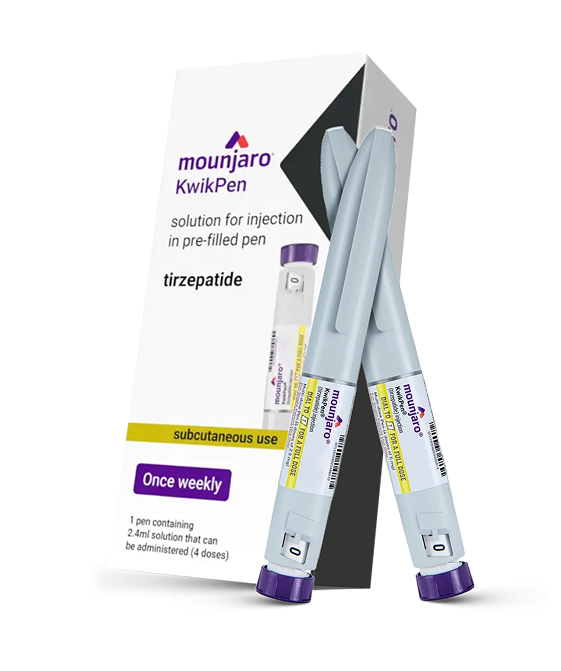
The Mounjaro pen contains tirzepatide and is used in medically supervised weight management programmes to help control appetite and regulate blood sugar levels. Better glucose control and gradual weight reduction can support overall metabolic health, including kidney wellbeing for people with type 2 diabetes.
Interest in Mounjaro and kidney health often relates to digestive symptoms during treatment. Nausea, vomiting, or diarrhoea can sometimes lead to dehydration, which may place temporary strain on kidney function. Staying well hydrated and monitoring symptoms helps support safe treatment as the body adjusts.
Mounjaro
- ✔ ~22.5% average body weight loss
- ✔ Significant weight reduction
- ✔ Improves blood sugar levels
- ✔ Clinically proven weight loss
Key Insights on Mounjaro and Kidney Health
- Mounjaro supports weight management and blood sugar control and does not directly harm kidney function in most patients when used under medical supervision.
- Digestive side effects such as nausea or diarrhoea may lead to dehydration, which can place temporary strain on the kidneys if fluid intake is not maintained.
- Many people with mild to moderate kidney disease can still use treatment safely, provided clinicians monitor kidney function regularly.
- Blood tests such as serum creatinine and eGFR help healthcare professionals track kidney health before and during treatment.
- Staying well hydrated, managing blood pressure and reviewing medications with a clinician helps protect kidney function while using Mounjaro.
How Kidney Function and Why It Matters During Mounjaro Treatment?
The Mounjaro pen contains tirzepatide and is prescribed within medically supervised weight management plans to help control appetite and improve blood sugar levels. Better metabolic control and gradual weight reduction may support overall health, including kidney wellbeing for people with type 2 diabetes. Because the kidneys help filter waste and maintain fluid balance, keeping kidney function stable is an important part of treatment.
Discussion around Mounjaro and kidney health often focuses on hydration during treatment. Digestive symptoms such as nausea, vomiting, or diarrhoea may reduce fluid levels if not managed carefully. Dehydration can place temporary strain on the kidneys, which is why maintaining fluids and monitoring symptoms is recommended during therapy.
Achieve Sustainable Weight Loss
-
 Clinically Proven Treatments
 -
Balanced Nutrition Plan
-
Expert Professional Guidance

Can Mounjaro Be Used in People with Chronic Kidney Disease?
Treatment plans using Mounjaro for weight loss are often assessed carefully when a patient has existing kidney conditions. Tirzepatide supports appetite control and blood sugar regulation, which can benefit overall metabolic health. However, kidney function remains an important factor when doctors decide whether the treatment is suitable.
Mild to Moderate CKD
Many people living with early stage kidney conditions can still use the treatment under appropriate medical supervision. Clinical guidance suggests that Mounjaro and kidney disease management may still be compatible in mild to moderate stages when kidney function is stable. Doctors usually monitor routine blood tests to ensure treatment remains safe and well tolerated.
Advanced Kidney Disease
Patients with more severe kidney conditions may require closer clinical assessment before treatment begins. Limited evidence exists for advanced stages, so careful monitoring is recommended where Mounjaro kidney disease risks could become more significant. Digestive side effects that affect hydration may also need consideration in people with reduced kidney function.
Individual Medical Assessment
Before prescribing treatment clinicians review a patient’s overall health current medicines and recent kidney function tests. Some patients may also ask about blood markers or supplements such as creatine on Mounjaro and doctors assess these results carefully to understand how the body is responding to treatment.
Questions about diet or supplements may also arise during consultation. Discussions around creatine and Mounjaro are considered alongside medical history so that treatment remains appropriate, safe and suitable for each individual.
A Mounjaro online consultation enables clinicians to review relevant health information before prescribing treatment. This process helps ensure the therapy is appropriate and monitored correctly.
Does Mounjaro Affect Creatinine Levels or Kidney Function?
The Mounjaro pen contains tirzepatide and is prescribed within medically supervised weight management plans to help regulate appetite and improve blood sugar levels. Clinical guidance shows the medicine itself is not known to directly harm kidney function when used appropriately. Improved metabolic control may also support overall health during treatment.
Understanding creatine and Mounjaro is helpful when reviewing kidney related blood tests. Digestive symptoms such as nausea, vomiting, or diarrhoea can sometimes lead to dehydration if fluid intake becomes too low. Temporary dehydration may influence creatinine levels, which is why maintaining good hydration during treatment is important.
What Are the Kidney-Related Risks on Mounjaro to Be Aware Of?
When prescribed appropriately, Mounjaro for weight loss is not considered directly harmful to the kidneys. The treatment works by regulating appetite and blood sugar levels, which may support broader metabolic health. However, like many slimming injections, certain side effects may influence hydration levels, which is why clinicians advise monitoring symptoms carefully during treatment.
Acute Kidney Injury (AKI) from Dehydration
One of the most important Mounjaro kidney side effects to understand relates to dehydration during treatment. Digestive symptoms such as nausea, vomiting, or diarrhoea may occur, especially when treatment begins or when doses increase.
If fluid loss becomes significant, reduced blood flow to the kidneys may temporarily raise creatinine levels and place strain on kidney function.
Risks with Pre-existing Kidney Disease
Patients with Mounjaro kidney disease concerns may still be prescribed treatment in certain cases under medical supervision. Individuals with reduced kidney function or chronic kidney disease may have a higher risk of complications if dehydration develops. Regular monitoring of kidney function tests helps clinicians assess safety throughout treatment.
Medication Interactions (SADMANS Rules)
During periods of illness with vomiting or diarrhoea, clinicians may advise temporarily pausing certain medicines that can stress the kidneys. These may include diuretics, ACE inhibitors, ARBs, NSAIDs such as ibuprofen, and some diabetes medications. This precaution helps reduce the risk of kidney strain while the body recovers from dehydration.
Other Considerations
Questions sometimes arise about kidney stones Mounjaro and other kidney related concerns. While the treatment itself is not known to directly cause kidney stones, maintaining adequate hydration remains important during therapy.
The formulation also contains benzyl alcohol, which is generally safe in prescribed amounts but may require caution in people with severe liver or kidney impairment.
If kidney health is a concern during treatment, guidance from Mayfair Weight Loss Clinic can help clarify potential risks and monitoring needs for safe weight management care.
Could Mounjaro Actually Benefit Kidney Health?
Clinical evidence suggests tirzepatide may support metabolic health when used under medical supervision. Mounjaro for weight loss helps regulate appetite and improve blood sugar control. Better glucose balance and gradual weight reduction may support overall health including kidney wellbeing in people with type 2 diabetes.
The medicine works by influencing hormones linked to appetite and insulin response. Improved metabolic control can reduce strain on the body including the kidneys. Kidney function should still be monitored during treatment to ensure therapy remains suitable.
How Kidney Function Is Monitored During Treatment?
Before starting treatment clinicians usually assess kidney health with blood tests such as serum creatinine and eGFR. These results provide a baseline to understand kidney function before therapy begins. People using Mounjaro for weight loss may have follow up checks to ensure treatment remains safe.
Monitoring is also important if digestive symptoms such as nausea, vomiting or diarrhoea occur. These effects can sometimes cause dehydration which may temporarily affect kidney function. Maintaining hydration and reporting persistent symptoms helps clinicians manage treatment safely.
Practical Tips to Protect Kidney Health During Treatment
Protecting kidney health during treatment requires attention to hydration medication use and overall metabolic balance. Mounjaro injection is prescribed under medical supervision and patients are advised to monitor symptoms carefully to support safe treatment..
Prioritise Proper Hydration: Drink enough fluids to help the kidneys remove waste and maintain healthy filtration. Pale yellow urine often shows adequate hydration. Follow medical advice if fluid intake needs to be restricted.
Avoid Over the Counter NSAIDs: Medicines such as ibuprofen or naproxen may place extra strain on the kidneys. The risk increases if dehydration occurs. Always seek medical advice before using them during treatment.
Manage Sick Days Carefully: Vomiting diarrhoea or fever can quickly reduce fluid levels. Clinicians may advise pausing certain medicines such as blood pressure tablets or diuretics. This helps prevent temporary kidney strain.
Review All Medicines with a Pharmacist: Prescription medicines supplements and over the counter products may interact and affect kidney function. A pharmacist or clinician can review your medicines to identify possible risks.
Control Blood Pressure and Blood Sugar: High blood pressure and diabetes are key factors affecting kidney health. Keeping levels within the range advised by a clinician helps reduce long term kidney strain.
Limit Salt Intake: Reducing salt can help manage blood pressure and support kidney function. Balanced nutrition helps maintain healthy circulation and fluid balance.
Prepare for Imaging Procedures: Inform healthcare providers about kidney health before scans that use contrast dye. Medical teams may adjust hydration or preparation steps to help protect kidney function.
Conclusion: Kidney Health While Using Mounjaro
The Mounjaro pen is generally safe when used under medical supervision and may support kidney health through better metabolic control and gradual weight loss. Digestive symptoms such as nausea, vomiting, or diarrhoea can sometimes cause dehydration, so monitoring hydration and symptoms is important.
Patients with kidney conditions can often use treatment safely with careful clinical oversight. Regular kidney function tests, managing medications, and staying hydrated help ensure therapy remains safe while supporting overall metabolic and kidney health with Mounjaro for weight loss.
FAQs
How Does Mounjaro Affect Kidney Function?
Mounjaro does not usually damage the kidneys directly. However, digestive side effects such as nausea, vomiting, or diarrhoea may lead to dehydration. When fluid levels drop, the kidneys can experience temporary strain, so maintaining proper hydration is important during treatment.
Can People With Kidney Disease Use Weight Loss Injections?
Many individuals with mild to moderate kidney disease can use weight loss injections safely when treatment is supervised by a healthcare professional. Doctors typically monitor kidney function during therapy to ensure the treatment remains safe.
Is Mounjaro Safe for Patients With Kidney Disease?
Mounjaro may be considered for patients with early or moderate stages of kidney disease. However, those with advanced kidney impairment require careful clinical evaluation before starting treatment to ensure it is appropriate for their condition.
Does Mounjaro Increase the Risk of Kidney Stones?
Current medical evidence does not show that Mounjaro directly causes kidney stones. Staying well hydrated and maintaining balanced fluid intake helps support healthy kidney function while using the medication.
What Symptoms Could Suggest Kidney Strain During Mounjaro Treatment?
Signs such as reduced urine output, dark-coloured urine, excessive thirst, dizziness, or confusion may indicate dehydration or temporary kidney stress. These symptoms should be discussed with a healthcare professional as soon as possible.
How Do Doctors Monitor Kidney Health During Mounjaro Therapy?
Healthcare professionals usually check kidney function through routine blood tests. Tests such as serum creatinine and estimated glomerular filtration rate (eGFR) help clinicians assess how well the kidneys are working before and during treatment.
Are There Medication Precautions While Using Mounjaro?
Some medicines, including NSAIDs, ACE inhibitors, ARBs, or diuretics, may need adjustment if dehydration occurs during treatment. A clinician may review current medications to reduce the risk of additional kidney strain.
What Steps Help Protect Kidney Health While Using Mounjaro?
Maintaining good hydration, managing blood pressure and blood sugar levels, reducing excessive salt intake, and reviewing all medications with a healthcare professional can help protect kidney function during Mounjaro treatment.
Mounjaro
- ✔ ~22.5% average body weight loss
- ✔ Significant weight reduction
- ✔ Improves blood sugar levels
- ✔ Clinically proven weight loss
Wegovy
- ✔ ~16.9% average body weight loss
- ✔ Boosts metabolic & cardiovascular health
- ✔ Proven, long-established safety profile
- ✔ Weekly injection, easy to use