How Mounjaro May Impact Liver Function and Fatty Liver Conditions
Mounjaro may support liver health indirectly through weight loss and improved metabolic control.
Last updated Mar 30, 2026
 9 min read

Fatty liver disease rarely makes headlines, yet it is quietly becoming one of the most common metabolic conditions in the UK. Many people only discover it during routine blood tests, often without clear symptoms beforehand. As treatments evolve, attention has shifted toward how weight-loss medications like Mounjaro (tirzepatide) influence overall metabolic health.
This has raised important questions about Mounjaro and liver function, particularly its safety and long-term impact. Current evidence suggests it may support improvements in liver markers through weight loss and insulin regulation, rather than causing harm. Understanding this connection is key to using treatment safely and effectively under proper clinical guidance.
Mounjaro
Key Insights on Mounjaro and Fatty Liver Management
- Mounjaro may support liver health by reducing body fat and improving insulin sensitivity, not by directly targeting the liver
- Evidence suggests improvements in liver fat and enzyme levels, especially in patients achieving sustained weight loss
- It is not licensed as a treatment for fatty liver disease and should not be considered a standalone solution
- Liver-related risks are rare, but regular monitoring of liver function is essential during treatment
- Results take time, with metabolic and liver improvements typically seen over months, not weeks
- Combining Mounjaro with diet, activity, and clinical supervision delivers the safest and most effective outcomes
What Is Fatty Liver Disease (NAFLD/MASLD)?
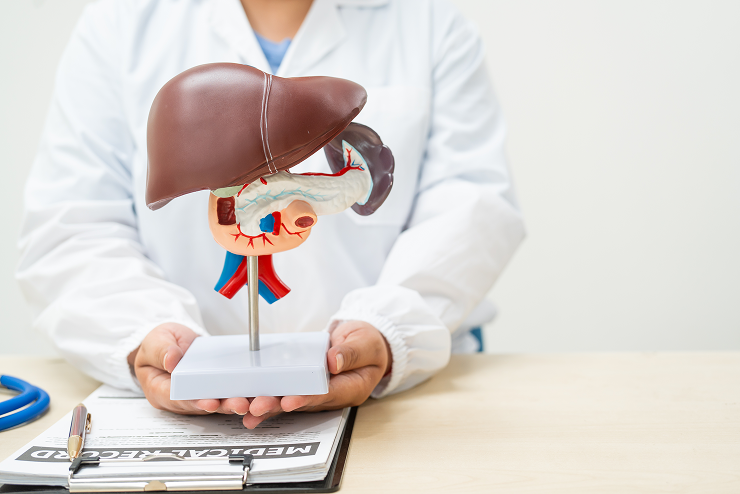
Fatty liver disease occurs when excess fat accumulates in liver cells due to metabolic imbalance. It is now considered a widespread condition, especially among individuals with obesity and type 2 diabetes. Early stages may have no symptoms, but progression can lead to inflammation and long-term damage. Understanding its causes helps explain why weight-focused treatments are important.
- NAFLD/MASLD linked to insulin resistance and obesity
- MASH involves inflammation and higher risk of progression
- Can lead to fibrosis, cirrhosis, or liver complications
- Increasing prevalence across UK populations
What Is Mounjaro and How Does It Work?
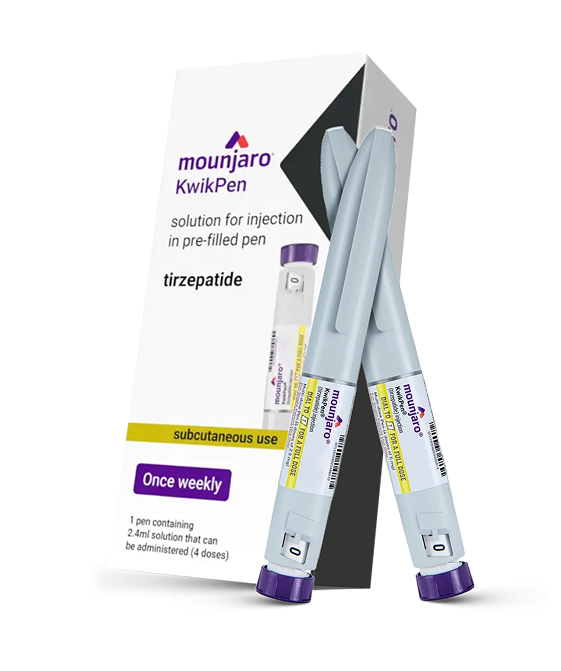
Mounjaro (tirzepatide) works by targeting GLP-1 and GIP receptors to regulate appetite and glucose control. It helps reduce calorie intake and improves how the body processes insulin. These combined effects support gradual and sustained weight loss. This metabolic improvement is directly linked to reduced fat storage in the liver.
- Reduces appetite and slows digestion
- Improves insulin sensitivity and glucose regulation
- Promotes consistent weight loss over time
- Supports reduction in liver fat indirectly
Explore all available Mounjaro treatment options to understand dosing, clinical support, and how this mechanism translates to real-world weight loss results.
Find Out If Mounjaro is Clinically Suitable
-
 Clinician-led medical assessment
 -
Personalised dosing and nutrition support
-
Ongoing clinical monitoring throughout treatment

Can Mounjaro Help Fatty Liver Disease?
Mounjaro fatty liver improvements are mainly linked to its ability to drive weight loss and improve metabolic function. By reducing excess body fat and enhancing insulin sensitivity, it lowers fat accumulation and inflammation in the liver. Clinical data suggests meaningful reductions in liver fat and enzyme levels in many patients. However, it is not specifically licensed as a treatment for fatty liver disease and should be used under medical supervision.
- Promotes significant weight loss, a key factor in reducing liver fat
- Improves insulin sensitivity, lowering metabolic stress on the liver
- Supports reduction in liver fat and inflammation markers
- Requires clinical monitoring, as it is not a liver-specific treatment
What Does the Latest Research Say?
Recent studies suggest promising outcomes for liver health, though research is still developing. Evidence shows improvements in liver fat levels and enzyme markers in many patients. These findings support the link between metabolic health and liver recovery. However, long-term outcomes are still being studied.
- Significant reduction in liver fat content
- Improved ALT levels indicating reduced inflammation
- Early evidence of improved liver health markers
- Ongoing research into long-term benefits
Can Mounjaro Reverse Fatty Liver Disease?
Early-stage fatty liver disease can often improve with sustained weight loss and metabolic control. Mounjaro supports this process by helping patients achieve meaningful weight reduction. However, advanced liver conditions may not fully reverse. The goal in such cases is stabilisation and preventing progression.
- Early-stage disease may be reversible
- 5–10% weight loss improves liver fat
- Advanced fibrosis may only stabilise
- Long-term management remains essential
Mounjaro and Liver Enzymes: What to Know
Liver enzymes such as ALT and AST are used to assess liver function and inflammation. Mounjaro and liver function are often monitored through these markers during treatment. In many cases, levels improve as weight loss progresses. Regular testing ensures safe and effective use.
- ALT and AST indicate liver health
- Mounjaro may reduce elevated enzyme levels
- Monitoring is part of standard care
- Sudden changes require medical review
Safety Considerations and Side Effects
Mounjaro is generally well tolerated, but like all medications, it can cause side effects, particularly during the early stages or dose increases. Most effects are related to digestion and tend to improve as the body adjusts. Concerns around Mounjaro and liver damage are often overstated, as current evidence does not show it to be directly harmful to the liver in most patients. However, clinical monitoring remains important, especially for those with pre-existing conditions.
- Common side effects: nausea, vomiting, diarrhoea, and reduced appetite
- Gastrointestinal symptoms are usually temporary and dose-related
- Liver-related risks are rare but may require monitoring in some patients
- Individuals with existing liver disease or abnormal liver tests should use caution
It is important to separate myths from evidence. Mounjaro is not known to directly cause liver damage in typical use, but safe treatment depends on proper medical guidance and regular follow-up.
How Long Does It Take to See Results?
The effects of Mounjaro develop gradually and depend on adherence and lifestyle factors. Appetite changes often appear within the first few weeks of treatment. Improvements in liver fat and metabolic markers take longer. Consistency plays a key role in outcomes.
- Weeks: appetite and glucose changes
- Months: reduction in liver fat
- Depends on dose and weight loss progress
- Long-term adherence improves results
What to Monitor While Taking Mounjaro
Monitoring is essential to ensure both safety and effectiveness during treatment. Regular checks help detect changes early and guide adjustments if needed. Liver function and metabolic markers are key indicators. Awareness of symptoms also supports better outcomes.
- Liver function tests (ALT/AST)
- Weight and metabolic markers
- Symptoms such as fatigue or pain
- Routine clinical follow-ups
Diet and Lifestyle Tips to Support Liver Health
Lifestyle changes play a major role in improving liver health alongside treatment. Diet and activity directly influence how the liver stores and processes fat. Combining these changes with Mounjaro enhances results. A consistent approach is key for long-term benefits.
- Reduce sugar and processed foods
- Increase protein and fibre intake
- Maintain regular physical activity
- Limit or avoid alcohol consumption
When Should You Speak to a Doctor?
Medical supervision is important before starting and throughout treatment. A clinician can assess suitability and monitor progress safely. Certain symptoms or test results require prompt evaluation. Early consultation helps prevent complications.
- Before starting Mounjaro treatment
• If symptoms worsen or persist
• If liver test results are abnormal
• For personalised medical guidance
Conclusion: What Mounjaro Means for Liver Health
Mounjaro shows promising potential in supporting liver health, particularly through its effects on weight loss and metabolic control. Current evidence suggests improvements in liver fat and enzyme levels rather than direct harm in most patients. However, it is not a treatment specifically licensed for liver disease and should not be seen as a cure. Safe use depends on proper monitoring, realistic expectations, and clinical supervision.
Combining Mounjaro with a balanced diet and healthy lifestyle offers the best chance of improving outcomes. For personalised care, speaking with a qualified clinician ensures treatment is both safe and effective for your needs. If you are considering Mounjaro and want a safe, clinically guided approach, explore personalised support through Mayfair Weight Loss Clinic to ensure your treatment aligns with your health goals and liver health needs.
FAQs About Mounjaro and Liver Health
Can Mounjaro cause liver damage?
Mounjaro is not commonly linked to liver damage. Most evidence shows it may improve liver health through weight loss, though rare cases of liver injury have been reported, so monitoring is recommended.
How Does Mounjaro Affect Liver Function?
Mounjaro and liver function are closely connected through metabolic improvements. By reducing body fat and improving insulin sensitivity, it can lower stress on the liver and support better overall function.
Is There a Risk of Liver Damage with Mounjaro?
The risk of liver damage is considered low for most patients. However, rare cases have been reported, so regular liver function testing is advised, especially for those with existing liver conditions.
Does Mounjaro affect the liver directly?
Mounjaro does not directly target the liver. Its effects are indirect, mainly through weight loss and improved insulin regulation, which reduce fat buildup in the liver.
What are Mounjaro liver side effects?
Liver-related side effects are uncommon. Most patients experience gastrointestinal symptoms, while liver enzyme changes, if they occur, are usually mild and monitored during treatment.
Who should be cautious when using Mounjaro for liver health?
People with severe liver disease or abnormal liver tests should use Mounjaro under medical supervision. Regular monitoring helps ensure safety and early detection of any issues.
How often should liver function be monitored while taking Mounjaro?
Liver function is usually checked through routine blood tests before and during treatment. Monitoring frequency depends on your medical history, but regular follow-ups help ensure safe use and track improvements.
Can Mounjaro be used if you already have fatty liver disease?
Yes, Mounjaro may be considered in patients with fatty liver disease, especially if linked to obesity or insulin resistance. However, treatment should always be guided by a healthcare professional with appropriate monitoring.
Mounjaro
- ✔ ~22.5% average body weight loss
- ✔ Significant weight reduction
- ✔ Improves blood sugar levels
- ✔ Clinically proven weight loss
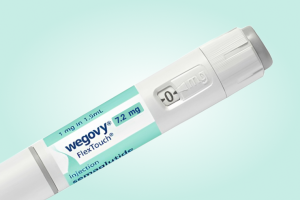
Wegovy
- ✔ ~16.9% average body weight loss
- ✔ Boosts metabolic & cardiovascular health
- ✔ Proven, long-established safety profile
- ✔ Weekly injection, easy to use