Can Sleep Apnoea Be Cured? Exploring the Role of Mounjaro in Weight Loss and Better Sleep
Understanding how Mounjaro Can Improve Sleep Apnoea: A Step-by-Step Guide to Weight Loss and Better Sleep Quality.
Last updated Jan 23, 2026



Do you wake up feeling exhausted despite a full night’s sleep? Millions suffer from Obstructive Sleep Apnoea (OSA), a condition where breathing stops during sleep, leaving you fatigued and at higher risk for heart disease and stroke. While there’s no cure, addressing underlying causes like excess weight can greatly improve symptoms.
Recent research, including the SURMOUNT-OSA trial, shows how weight loss treatments, like tirzepatide, can reduce OSA severity. Though not yet licensed in the UK for OSA, these findings offer hope for better sleep quality and improved management of the condition.
Key Insights for Managing Sleep Apnoea with Mounjaro
- Obesity is a key factor contributing to obstructive sleep apnoea, and weight loss can significantly improve symptoms.
- Mounjaro’s weight loss benefits have shown promise in reducing the severity of sleep apnoea by improving airway function.
- Lifestyle changes like weight management and regular physical activity play a critical role in maintaining improved sleep quality.
- Different types of sleep disorder require specific treatment approaches for optimal management and improvement.
- Consulting with healthcare providers for personalised guidance remains essential for ongoing management and adjustments.
What is Sleep Apnoea?
Sleep apnoea is a serious condition where breathing frequently stops during sleep. Obstructive sleep disorder is the most common form, affecting millions globally. Symptoms include loud snoring, feeling tired throughout the day, and difficulty staying asleep.
The condition is often linked to obesity, age, and smoking, and can increase the risk of serious health issues like heart disease and stroke. Recent clinical studies, including the 52-week SURMOUNT-OSA trial, have focused on the benefits of tirzepatide for individuals with moderate-to-severe obstructive sleep disorder and obesity.
Participants in the 52-week study received tirzepatide or a placebo along with lifestyle changes. The trial showed promising results, with significant improvements in sleep quality and overall health in those using tirzepatide.
Types of Sleep Apnoea
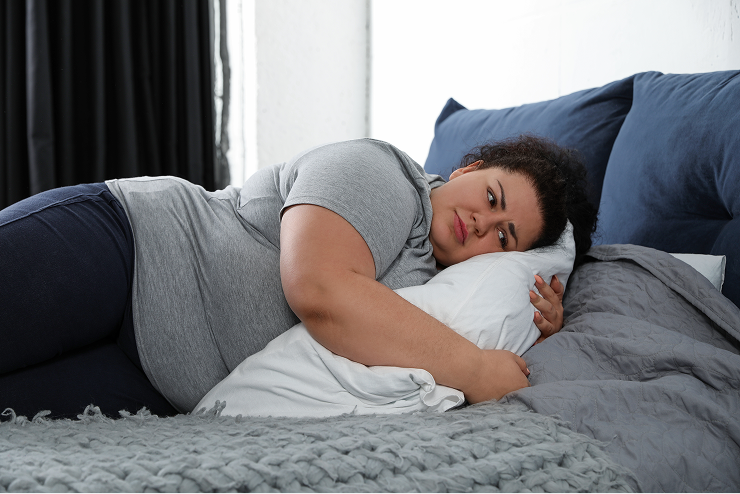
Sleep apnoea is a condition where breathing temporarily stops during sleep, and there are three main types, each with different causes and effects on sleep. Identifying the type is important for effective treatment.
The most common types are obstructive, central, and mixed sleep breathing disorder. Each type can disrupt your sleep and impact your overall health, so understanding these conditions is essential for improving rest and wellbeing.
Obstructive Sleep Apnoea (OSA)
Obstructive sleep apnoea occurs when the muscles at the back of the throat relax, causing a blockage in the airway. This leads to breathing pauses, which briefly wake you up to restore airflow. These interruptions can happen frequently throughout the night, preventing deep sleep. Factors such as excess weight, a thicker neck, being male, and age over 60 may increase the risk of developing OSA.
Central Sleep Apnoea (CSA)
Central sleep apnoea occurs when the brain fails to send the correct signals to the muscles responsible for breathing. This results in pauses in breathing, causing you to wake up feeling short of breath. The repeated disruptions to sleep can lead to daytime fatigue, irritability, and difficulty concentrating. Risk factors include older age, male gender, heart failure, opioid use, and stroke.
Mixed or Complex Sleep Apnoea
Mixed sleep apnoea is a combination of both obstructive and central sleep disorder. This condition can only be diagnosed through a sleep study that records both types of apnoea. It leads to frequent awakenings and poor-quality sleep, which can leave you feeling tired and unfocused. Diagnosis requires professional assessment during an overnight sleep study to monitor both conditions.


How Obesity Increases Your Risk of Sleep Apnoea
Obesity is a major risk factor for Obstructive Sleep Apnoea (OSA), as excess weight affects key factors like neck size, BMI, and visceral fat. These factors increase the likelihood of airway obstruction during sleep, making it harder to breathe.
Studies show obesity is the leading contributor to OSA, as fat around the neck and throat can restrict airflow, often leading to sudden awakenings with gasping for air. Excess fat around the chest and abdomen also limits lung expansion, causing shallow breathing and making it harder to breathe deeply during sleep.
This extra weight forces the body to work harder to maintain normal breathing, worsening the risk of sleep disorder. OSA can, in turn, contribute to weight gain and conditions like type-2 diabetes, creating a cycle that makes symptoms more difficult to manage.
Obesity is a key factor in sleep apnoea, but you don’t have to face it alone. May Fair offers professional guidance to help you reduce the risks and improve your sleep. Get in touch today to find out how we can support your health journey.
How Weight Loss Injections like Mounjaro Help Improve Sleep Apnoea
Weight loss injections like Mounjaro help improve sleep apnoea by promoting significant weight loss, which reduces fat around the neck and airways. This reduction in fat can ease airway obstruction, making it easier to breathe during sleep.
By addressing obesity, the primary cause of obstructive sleep condition, these injections can help reduce the number of breathing pauses throughout the night and may improve airway function. Clinical trials have demonstrated that weight loss injections can reduce the severity of sleep apnoea, sometimes even reducing the need for CPAP machines.
These medications tackle the root cause of the condition and offer direct benefits to airway mechanics. Research from Eli Lilly and Medical News Today suggests that weight loss injections could provide significant improvements in sleep quality for many individuals.
Conclusion: Managing Sleep Apnoea with Weight Loss
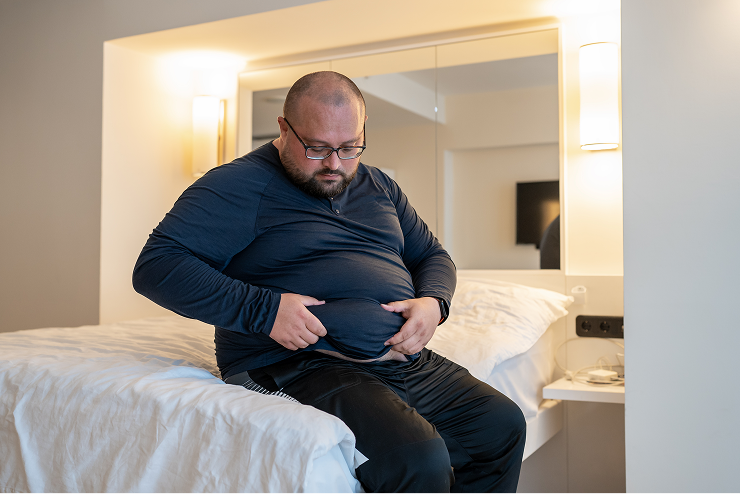
While sleep apnoea may not be cured by a single treatment, addressing obesity can significantly improve symptoms. Weight loss injections like Mounjaro, as shown in clinical trials, can reduce sleep apnoea severity by promoting weight loss and improving airway function.
However, these treatments are not licensed in the UK specifically for sleep disorder and should be used under medical supervision. For proper management, it’s essential to consult a healthcare provider for a tailored treatment plan.

Frequently Asked Questions
Can sleep apnoea be cured?
While sleep apnoea cannot usually be cured by a single treatment, addressing the underlying causes, such as obesity, can significantly improve symptoms. A combination of weight loss, healthy lifestyle changes, and medical monitoring is essential for managing the condition.
How do weight loss injections like Mounjaro help with sleep apnoea?
Weight loss injections like Mounjaro promote significant weight loss, which can reduce fat around the neck and airways, easing obstruction and improving airflow during sleep. This can help reduce the number of breathing pauses and improve overall sleep quality.
Are weight loss injections licensed to treat sleep apnoea in the UK?
No, weight loss injections like Mounjaro are not licensed in the UK specifically for treating sleep apnoea. They are prescribed for weight control and should only be used under the supervision of a healthcare provider.
What is the role of CPAP machines in sleep apnoea treatment?
CPAP machines are commonly used to treat moderate-to-severe obstructive sleep apnoea by providing continuous airflow to keep the airways open during sleep. In some cases, weight loss treatments may reduce the need for CPAP machines by improving airway function.
What are the main types of sleep apnoea?
There are three main types of sleep apnoea: obstructive sleep apnoea (OSA), central sleep apnoea (CSA), and mixed sleep disorder. OSA is the most common form and is typically linked to obesity, while CSA occurs when the brain fails to send signals to the muscles controlling breathing.
How does obesity increase the risk of sleep apnoea?
Obesity increases the risk of obstructive sleep apnoea by contributing to fat accumulation around the neck and throat, which can block airflow during sleep. Excess fat around the chest and abdomen can also limit lung expansion, making breathing more difficult.
Can sleep apnoea lead to other health problems?
Yes, if left untreated, sleep apnoea can increase the risk of serious health issues such as high blood pressure, heart disease, stroke, and type-2 diabetes. Managing sleep disorder through lifestyle changes and medical treatment is important for overall health.
What should I do if I think I have sleep apnoea?
If you suspect you have sleep apnoea, it is important to consult a healthcare provider. They can diagnose the condition through a sleep study and recommend appropriate treatment options, including lifestyle changes, weight management, and potentially CPAP therapy or medications.