Can Mounjaro Cause Hot Flushes? UK Evidence and Guidance
Find out whether hot flashes on Mounjaro may relate to appetite changes, glucose fluctuations, or other underlying health factors during treatment.
Last updated May 15, 2026

 9 min read

Feeling warm, flushed, or sweaty during treatment can feel unexpected for some people starting Mounjaro. Although hot flashes on Mounjaro are not officially recognised as a common side effect, some patients still report temporary warmth or sweating while the body adjusts to appetite and metabolic changes.
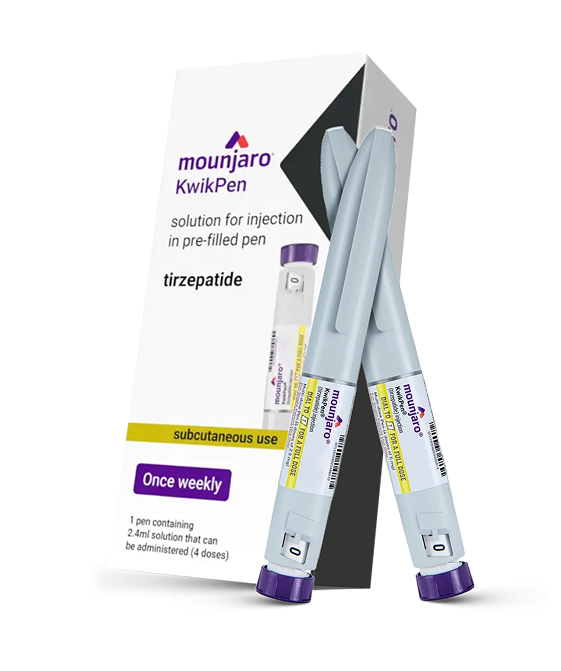
Mounjaro contains tirzepatide and is prescribed for type 2 diabetes and medically supervised weight management in suitable adults. Changes in blood sugar, reduced calorie intake, digestion, hydration, stress, or hormonal factors may sometimes contribute to symptoms that feel similar to hot flushes. However, some symptoms may occasionally signal something more important than normal treatment adjustment.
Mounjaro
Key Facts: Temperature Changes on Mounjaro
- Hot flushes are not currently listed as a common official side effect of Mounjaro.
- Some patients still report warmth, sweating, or flushing during treatment adjustment.
- Blood sugar changes, reduced calorie intake, and digestion changes may sometimes contribute.
- Menopause, thyroid conditions, anxiety, or illness may also cause similar symptoms.
- Mild symptoms often settle as the body adapts during treatment.
- Persistent sweating, dizziness, fever, or rapid heartbeat should always be reviewed medically.
What Are Hot Flushes and Can Mounjaro Trigger Them?
Hot flushes are sudden feelings of warmth that may cause sweating, flushed skin, or temporary overheating. Although hot flashes on mounjaro are not officially recognised as a common side effect, some patients still report warmth or sweating during treatment adjustment, while current evidence suggests mounjaro hot flashes may sometimes overlap with hormonal, metabolic, or unrelated health factors rather than a direct medication reaction.
Understanding Hot Flushes During Mounjaro Treatment
- Hot flushes commonly affect the face, chest, neck, or upper body.
- Symptoms may feel brief and mild or occasionally more noticeable during treatment adjustment.
- Clinical trials have not listed hot flushes as a common official Mounjaro side effect.
- Menopause, thyroid conditions, anxiety, or infections may sometimes cause similar symptoms.
- Temporary warmth does not always indicate a serious medical problem.
- Persistent sweating, dizziness, fever, or rapid heartbeat should still be medically reviewed.
Why Some People Feel Hot or Sweaty After Starting Mounjaro
Some people may notice warmth, sweating, or flushing during the early stages of treatment as the body adjusts to appetite, digestion, and metabolic changes. Although mounjaro feeling hot symptoms are not considered a common official side effect, several indirect body responses may sometimes contribute to temporary temperature changes during treatment.
Blood Sugar Changes and Sweating
Mounjaro helps regulate blood sugar levels and appetite. If food intake becomes too low or blood sugar drops quickly, the body may release stress hormones such as adrenaline, which can sometimes trigger sweating, shakiness, warmth, or flushing sensations.
Reduced Calorie Intake and Metabolic Adjustment
Some patients eat much smaller portions during treatment because appetite reduces significantly. Lower calorie intake may occasionally affect energy balance, circulation, and the body’s normal temperature regulation while metabolism adjusts to weight-loss changes.
Digestive Side Effects and Body Temperature
Digestive symptoms such as nausea, vomiting, diarrhoea, or dehydration may sometimes contribute to feeling overheated or physically drained. Fluid loss and reduced electrolyte balance can occasionally worsen sweating, dizziness, or warmth during treatment adjustment.
Hormonal and Stress Responses
Hormonal changes, stress, anxiety, poor sleep, or existing menopause symptoms may also overlap with temperature-related symptoms during treatment. Discussion around mounjaro hot flashes has therefore increased because many people experience symptoms that may not always come directly from the medication itself.
Temporary Warmth vs Persistent Flushing
Mild temporary warmth may sometimes settle naturally as the body adapts during the first few weeks of treatment. However, persistent flushing, severe sweating, fever, rapid heartbeat, or worsening symptoms should still be medically reviewed to rule out other underlying causes.
Find Out If Mounjaro is Clinically Suitable
Start Your Free Consultation Now
 Clinician-led medical assessment
Personalised dosing and nutrition support
Ongoing clinical monitoring throughout treatment
Clinician-led medical assessment
Personalised dosing and nutrition support
Ongoing clinical monitoring throughout treatment 
Mounjaro Hot Flushes vs Other Symptoms: What’s Normal and What’s Not
Mild warmth, temporary flushing, or occasional sweating may sometimes happen during the early stages of treatment and are not always considered harmful. Some people notice these symptoms shortly after injections, during appetite changes, or while adjusting to smaller food portions and changing metabolic patterns.
However, certain symptoms may require closer medical attention. Severe sweating alongside dizziness, shaking, confusion, weakness, blurred vision, or a rapid heartbeat may occasionally suggest low blood sugar levels, particularly in people using diabetes medications alongside Mounjaro.
It is also important to separate possible medication-related symptoms from unrelated health conditions. Discussion around menopause and Mounjaro has increased because menopause itself commonly causes flushing, sweating, night sweats, and temperature-related changes. Anxiety, thyroid conditions, infections, fever, stress, or allergic reactions may also trigger similar symptoms in some individuals.
Patients should seek urgent medical advice if symptoms include:
- Swelling of the face or throat
- Difficulty breathing
- Severe dizziness
- Persistent vomiting
- Fever or widespread rash
- Chest pain or confusion
How to Manage Hot Flushes While Taking Mounjaro
Simple lifestyle adjustments may sometimes help reduce warmth, sweating, or flushing episodes during treatment. Because appetite, digestion, hydration, and blood sugar levels can all change during treatment adjustment, consistent daily habits often play an important role in improving comfort and symptom control over time.
Hydration and Electrolyte Balance
Drinking fluids regularly throughout the day may help support temperature regulation and reduce dehydration-related symptoms. Some people experiencing sweating, nausea, or reduced appetite may also benefit from electrolyte support where appropriate, particularly during warmer weather or digestive side effects.
Eating Balanced Meals Consistently
Skipping meals or eating too little may sometimes worsen sweating, shakiness, or low energy levels during treatment. Balanced meals containing protein, fibre, and slow-release carbohydrates may help support steadier blood sugar and appetite control. Patients struggling with meal planning or appetite changes may also benefit from reading balanced eating on weight loss injections for additional practical guidance.
Wearing Breathable Clothing
Loose lightweight clothing and cooler sleeping environments may sometimes help reduce discomfort linked with flushing or night sweats. Breathable fabrics may also improve comfort during warmer temperatures or after injections.
Tracking Symptoms and Triggers
Some patients find it helpful to monitor when symptoms appear, particularly after injections, missed meals, poor sleep, stress, or dehydration. Tracking patterns may sometimes help identify triggers that worsen flushing or sweating episodes.
Sleep and Stress Management
Poor sleep, stress, anxiety, and fatigue may occasionally worsen temperature-related symptoms during treatment. Consistent sleep routines, relaxation habits, and stress management may therefore help support better symptom control over time.
When Dose Adjustments May Help
Some symptoms may settle naturally as the body adjusts during dose escalation. However, persistent flushing, severe sweating, or worsening symptoms should still be discussed with a clinician because treatment review or dose adjustments may occasionally be needed.
When to Seek Medical Advice About Hot Flushes on Mounjaro
Occasional mild warmth or sweating may not always require urgent medical attention during treatment adjustment. However, persistent flushing, severe sweating, dizziness, shaking, rapid heartbeat, chest discomfort, ongoing weakness, or worsening symptoms should always be reviewed by a healthcare professional to help rule out other underlying causes.
Clinician assessment may help identify whether symptoms relate to:
- Blood sugar fluctuations
- Dehydration or reduced food intake
- Hormonal changes
- Medication interactions
- Thyroid conditions
- Anxiety, infection, or illness
People experiencing repeated episodes of Mounjaro feeling hot symptoms alongside severe fatigue, vomiting, or poor appetite may sometimes require treatment review or further medical assessment. Patients already managing menopause and Mounjaro concerns should also monitor whether symptoms follow hormonal patterns rather than injection timing alone.
If persistent flushing, severe sweating, or ongoing temperature-related symptoms continue during treatment, you can explore our free consultation to discuss symptom patterns, treatment tolerance, and whether additional clinical guidance may be appropriate.
Conclusion: Manage Temperature Changes on Mounjaro
Hot flushes are not recognised as one of the most common official side effects of Mounjaro, although some people may still notice temporary warmth, sweating, or flushing during treatment adjustment. Changes in appetite, blood sugar, hydration, digestion, and metabolism may sometimes contribute to these symptoms while the body adapts over time.
For many individuals, mild symptoms are often manageable with hydration, balanced meals, sleep support, and consistent routines. However, persistent flushing, severe sweating, dizziness, rapid heartbeat, or worsening symptoms should always be medically reviewed to help rule out other underlying causes. If symptoms continue during treatment, you can explore a free consultation with Mayfair Weight Loss Clinic to discuss symptom patterns and medically supervised treatment support.
FAQs About Mounjaro and Hot Flushes
Does Mounjaro help with menopause?
Mounjaro is not approved to treat menopause symptoms directly. However, some individuals managing weight changes during menopause may still use medically supervised treatment where appropriate.
Can Mounjaro cause mood swings?
Some patients report emotional changes, fatigue, or irritability during appetite and metabolic adjustments. Persistent mood changes should always be discussed with a clinician.
Can you stop Mounjaro after losing weight?
Some patients may stop treatment under medical guidance after reaching weight goals. Long-term lifestyle habits still remain important for ongoing weight maintenance.
Why do I feel hot after Mounjaro injection?
Warmth or sweating may sometimes relate to blood sugar changes, reduced calorie intake, digestion changes, or hormonal influences during treatment adjustment.
Are hot flushes normal on weight loss injections?
Hot flushes are not officially recognised as a common side effect, although some patients report temporary warmth or sweating during treatment.
Does Mounjaro affect hormones?
Mounjaro mainly affects appetite and glucose-regulating hormones. However, weight changes and metabolic shifts may sometimes indirectly influence hormonal balance.
How long do side effects of Mounjaro last?
Many side effects improve gradually during the first few weeks as the body adjusts to treatment, although timelines can vary between individuals.
Should I worry about sweating on Mounjaro?
Mild sweating may not always be serious. However, severe sweating alongside dizziness, weakness, fever, or rapid heartbeat should always be medically reviewed.
Mounjaro
Wegovy