
Blood Tests Before Starting Mounjaro: Key Pre-Treatment Screening You Need
Get to know why a Mounjaro and blood test assessment can play an important role in safer, clinician-led weight management and long-term treatment monitoring.
Last updated May 07, 2026
 11 min read

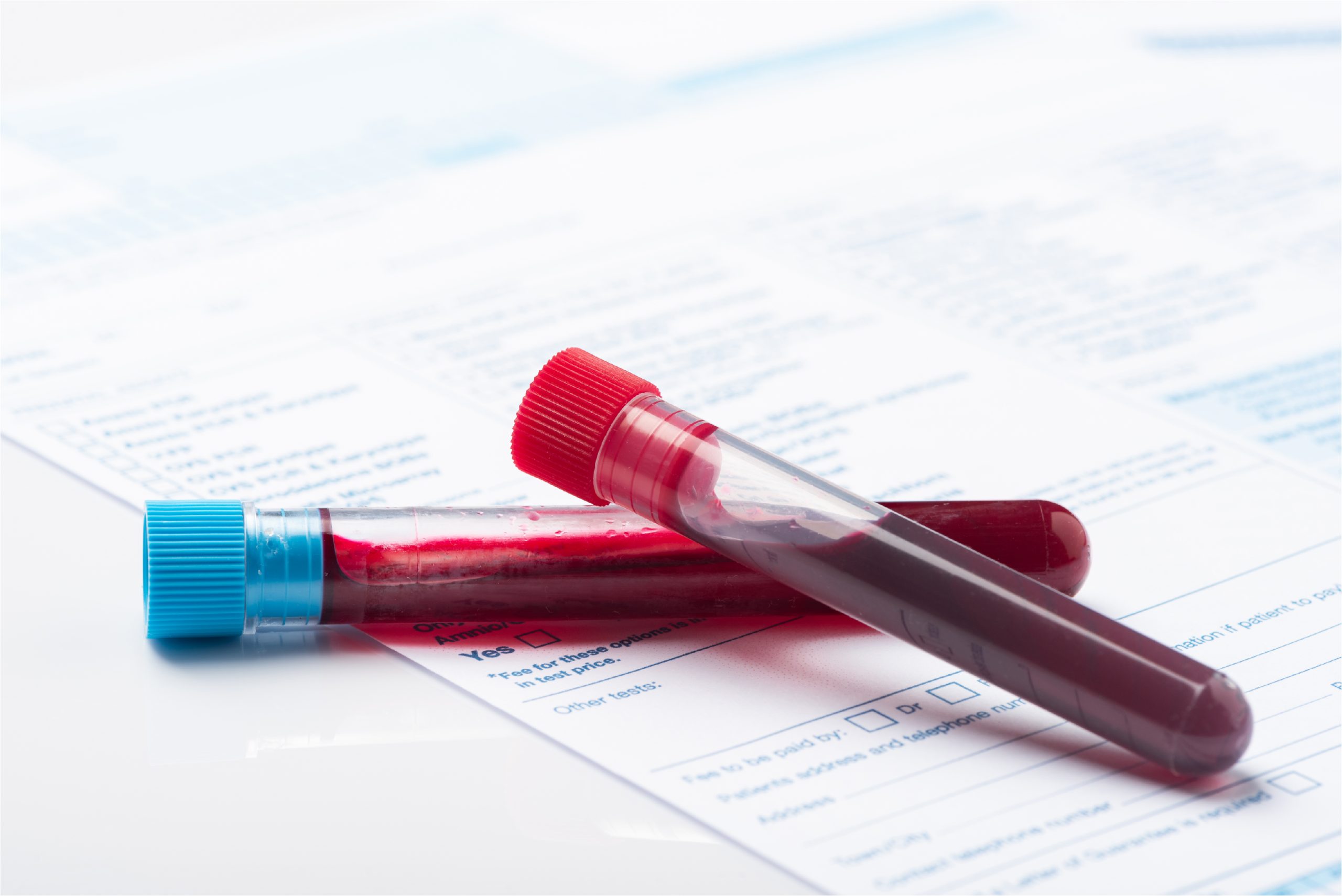
Your weight loss journey should begin with clarity, not guesswork. Before treatment starts, a Mounjaro and blood test assessment helps clinicians understand how your body is functioning by reviewing blood sugar levels, liver health and kidney function. These checks support safer prescribing decisions and help tailor treatment to your individual health needs.
What may seem like a routine screening can sometimes reveal hidden concerns that could affect treatment safety or progress. Early testing allows clinicians to identify issues that may require closer monitoring or temporary delays before starting Mounjaro. Some patients are surprised by what these results can uncover and why ongoing monitoring matters far more than many people realise.
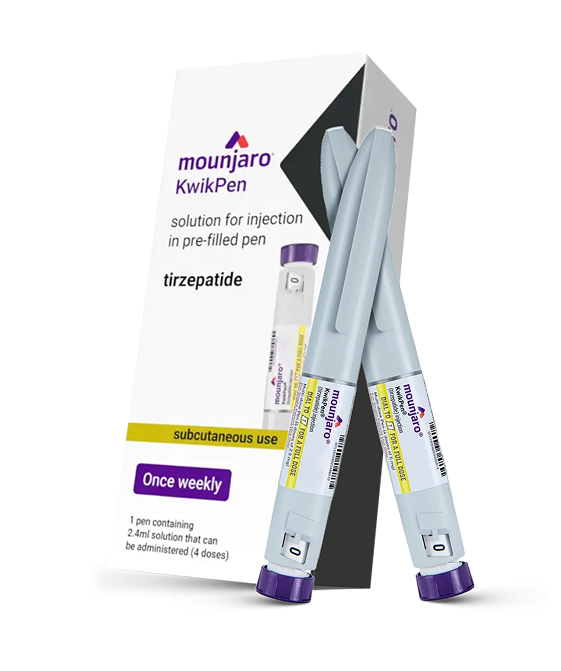
Mounjaro
Key Safety Checks Before Treatment
- Baseline blood tests help clinicians assess whether Mounjaro is suitable for you.
- Common checks include glucose levels, kidney function, liver health, cholesterol and thyroid markers.
- Regular monitoring can improve treatment safety and long-term effectiveness.
- Abnormal findings may require further investigation or delayed treatment.
- Ongoing reviews support safe dose adjustments and side-effect management.
- High-risk patients may need closer follow-up during treatment.
Essential Blood Tests Required Before Starting Mounjaro
Before starting Mounjaro, clinicians usually recommend a detailed Mounjaro blood test assessment to confirm that treatment is suitable and safe. These checks help assess blood sugar control, organ function and overall metabolic health before the first dose is prescribed. Early screening can also help identify hidden health concerns that may require closer monitoring during treatment.
HbA1c and Fasting Blood Glucose
HbA1c and fasting glucose tests show how the body manages blood sugar over time. These results help clinicians identify prediabetes, type 2 diabetes or unstable glucose levels before treatment begins. Higher readings may influence treatment planning and future monitoring schedules.
Kidney Function Tests
Kidney blood tests usually include creatinine and eGFR levels to measure how well the kidneys filter waste and maintain fluid balance. Because some patients may experience nausea, vomiting or dehydration during treatment, healthy kidney function is important before starting Mounjaro.
Liver Function Tests (LFTs)
Liver function tests such as ALT, AST and GGT help identify inflammation or liver stress that may affect treatment safety. Mild abnormalities may require repeat testing or further review before treatment starts, especially in patients with existing liver conditions.
Lipid Profile
A lipid profile checks cholesterol and triglyceride levels to assess cardiovascular and metabolic health. Elevated triglycerides can sometimes increase the risk of pancreatic complications, which is why clinicians review these results carefully before prescribing treatment.
Thyroid Function Tests
Thyroid screening, including TSH testing, helps identify hormone imbalances that may contribute to weight gain, fatigue or slower metabolism. This step is often overlooked but can help clinicians rule out untreated thyroid conditions before starting weight management treatment.
Additional Blood Tests in Some Patients
Some patients may need extra testing depending on their symptoms, medical history or current medications. Clinicians may occasionally request pancreatic markers such as amylase or lipase, vitamin B12 levels or a full blood count as part of a broader Mounjaro test process to support safer long-term monitoring.
For a full overview of prescribing requirements, baseline blood tests and primary‑care follow‑up, read the South Yorkshire tirzepatide weight management primary care guideline.
Why Blood Tests Are Crucial Before and During Mounjaro Treatment
Blood tests do more than approve someone for treatment. They help clinicians assess how the body is functioning before Mounjaro begins and support safer decisions throughout treatment. Baseline screening can identify hidden health concerns early, helping reduce the risk of complications or side effects later. Patients exploring eligibility for weight loss injections in the UK often find that blood testing is an important part of responsible prescribing and ongoing safety monitoring.
Spot Hidden Health Risks
Some medical conditions may not cause symptoms in the early stages. Blood testing can help detect hidden pancreatic concerns, unstable glucose control or metabolic abnormalities before treatment starts. Identifying these risks early allows clinicians to decide whether additional investigations or closer monitoring may be needed.
Reduce the Risk of Side Effects
Monitoring helps reduce the likelihood of avoidable treatment-related complications. Patients with reduced kidney function or existing metabolic concerns may be more sensitive to dehydration, nausea or gastrointestinal side effects during treatment. Regular Mounjaro blood test monitoring can help clinicians identify changes early before they become more serious.
Track Treatment Progress Safely
Blood tests also help confirm whether treatment is working safely over time. Improvements in HbA1c, cholesterol or metabolic markers may indicate that weight loss and blood sugar control are progressing positively. Unexpected changes in blood markers may also help clinicians decide when treatment adjustments or further review are needed.
Support Personalised Treatment Decisions
Not every patient responds to treatment in the same way. Some patients may require slower dose escalation, additional investigations or more frequent follow-up appointments depending on their medical history and blood test results. Ongoing monitoring helps clinicians tailor treatment more safely to individual patient needs.
Find Out If Mounjaro is Clinically Suitable
-
 Clinician-led medical assessment
 -
Personalised dosing and nutrition support
-
Ongoing clinical monitoring throughout treatment

How to Interpret Your Blood Test Results Before Starting Mounjaro
Receiving Mounjaro blood test results before starting treatment can feel confusing, especially when medical terms or highlighted numbers appear on the report. However, results are not viewed in isolation. Clinicians assess them alongside symptoms, medical history and overall health to decide whether treatment can begin safely or if further review is needed.
What Do “Normal” and “Abnormal” Results Mean?
Normal results usually suggest that major organs such as the liver, kidneys and pancreas are functioning within expected ranges. This generally means treatment may proceed safely under clinical supervision.
Abnormal results do not always mean Mounjaro is unsafe. Mild changes in cholesterol, liver enzymes or blood sugar levels may simply require repeat testing, lifestyle advice or closer monitoring before treatment starts.
When Can Blood Test Results Delay Treatment?
Some results may lead to a temporary delay while clinicians investigate the cause further. For example, significantly raised liver enzymes, reduced kidney function or signs of pancreatic inflammation may require additional assessment before prescribing treatment safely.
In some cases, clinicians may repeat blood tests after a few weeks to confirm whether the abnormality was temporary. This cautious approach helps reduce unnecessary risks during treatment and supports safer use of weight loss injections with blood test monitoring.
When Might Doctors Adjust the Dose?
Blood test findings can influence how treatment is started and monitored. Patients with existing kidney concerns, unstable glucose levels or multiple health conditions may begin on a lower dose or follow a slower dose-escalation plan to improve tolerability and reduce side effects. Ongoing follow-up also helps clinicians decide whether dose adjustments are needed as treatment progresses.
When Might Mounjaro Not Be Recommended?
There are situations where clinicians may decide that treatment is not currently suitable. Severe pancreatic disease, uncontrolled medical conditions or significant organ impairment may increase the risk of complications and require alternative approaches or specialist review first.
This is why interpreting results correctly matters just as much as completing the tests themselves. Careful review of Mounjaro blood test results allows treatment decisions to be based on safety, effectiveness and individual patient needs rather than numbers alone.
How Often Should You Repeat Blood Tests While on Mounjaro?
Blood test monitoring continues throughout treatment to help clinicians assess safety, track progress and identify potential complications early. The timing of repeat tests can vary depending on medical history, side effects and overall response to treatment.
- Before Starting Treatment: Baseline blood tests are usually completed before the first prescription to assess blood sugar levels, liver health, kidney function and overall metabolic health.
- First Follow-Up: Most patients are advised to repeat selected blood tests within 1 to 3 months after starting treatment. Early monitoring helps clinicians assess hydration, glucose response, tolerability and emerging side effects. During this stage of Mounjaro blood test monitoring, clinicians can identify early concerns before they become more serious.
- Ongoing Monitoring: Routine follow-up tests are commonly repeated every 3 to 6 months to monitor cholesterol levels, liver function, kidney health and overall treatment effectiveness over time. People researching how long Mounjaro side effects may last should also understand that ongoing monitoring can help clinicians manage persistent gastrointestinal symptoms more safely.
Higher-Risk Patients: Patients with diabetes complications, kidney disease, liver concerns or a history of pancreatitis may require more regular blood tests and closer clinical reviews throughout treatment.
Who Needs Extra Monitoring Before Taking Mounjaro?
Some patients may need additional screening or closer clinical supervision before starting treatment to help reduce the risk of complications.
- Diabetes Complications: Patients with poorly controlled diabetes or existing complications may require closer blood sugar monitoring during treatment and dose increases.
- Kidney or Liver Conditions: Pre-existing kidney or liver disease may increase sensitivity to dehydration and treatment-related side effects, making regular monitoring more important.
- History of Pancreatitis: Patients with previous pancreatitis or elevated triglyceride levels may need further assessment before treatment begins.
- High Cholesterol or Thyroid Conditions: Significant cholesterol or thyroid abnormalities may require repeat testing, lifestyle support or additional medical review alongside treatment.
- Post-Surgery or Complex Medical Cases: Patients recovering from surgery or managing multiple health conditions may benefit from a more personalised Mounjaro test and monitoring plan before starting treatment.
Conclusion: Safe Mounjaro Starts With Monitoring
Blood tests are an important part of safe, clinician-led Mounjaro treatment. Reviewing Mounjaro blood test results before treatment helps clinicians assess blood sugar levels, liver health, kidney function and other metabolic markers that may affect treatment safety or effectiveness. These checks help identify hidden risks early and support informed prescribing decisions.
Regular monitoring during treatment can also help track progress, manage side effects and identify abnormal changes before complications develop further. Getting the right tests at the right time can make your Mounjaro treatment safer and more effective. Patients considering treatment can speak with the clinical team at Mayfair Weight Loss Clinic for personalised clinical guidance and ongoing monitoring support.
FAQs About Mounjaro and Blood Test
Do you need blood tests before starting Mounjaro?
Yes. Blood tests are commonly recommended before starting Mounjaro to assess blood sugar control, kidney function, liver health and overall metabolic safety. These checks help clinicians decide whether treatment is suitable and whether closer monitoring may be needed during treatment.
What blood tests are required for Mounjaro?
Common blood tests may include HbA1c, fasting blood glucose, kidney function tests, liver function tests, cholesterol levels and thyroid screening. Some patients may also require additional investigations depending on their symptoms, medical history or existing health conditions.
How often should blood tests be done on Mounjaro?
Most patients complete baseline blood tests before treatment begins, followed by repeat monitoring within the first 1 to 3 months. Ongoing blood tests may then be repeated every 3 to 6 months depending on treatment response, side effects and overall health needs.
What happens if blood test results are abnormal?
Abnormal results do not always mean treatment cannot begin, but they may require repeat testing or further medical review first. In some cases, clinicians may delay treatment temporarily until underlying concerns such as liver, kidney or pancreatic issues are assessed more carefully.
Can you start Mounjaro without tests?
Clinician-led screening is strongly recommended before starting Mounjaro to support safe and responsible prescribing. Blood tests help identify hidden health concerns that could affect treatment safety, tolerability or long-term outcomes.
Does Mounjaro affect liver or kidney function?
Mounjaro may affect hydration levels in some patients, particularly if nausea, vomiting or reduced appetite occurs during treatment. This is why kidney and liver monitoring can be important, especially for patients with existing medical conditions or higher clinical risk.
What is monitored during treatment?
Clinicians may monitor blood sugar levels, kidney function, liver markers, cholesterol and overall metabolic progress during treatment. Follow-up reviews can also help assess side effects, hydration status and how well the body is responding to treatment over time.
Can blood tests help improve Mounjaro treatment results?
Yes. Regular blood testing can help clinicians track how the body responds to treatment and identify issues early before complications develop. Monitoring changes in blood sugar, cholesterol and organ function may also help guide safer dose adjustments and improve long-term treatment outcomes.
Mounjaro
- ✔ ~22.5% average body weight loss
- ✔ Significant weight reduction
- ✔ Improves blood sugar levels
- ✔ Clinically proven weight loss
Wegovy
- ✔ ~16.9% average body weight loss
- ✔ Boosts metabolic & cardiovascular health
- ✔ Proven, long-established safety profile
- ✔ Weekly injection, easy to use