
Can Mounjaro Cause Headaches? Here’s What You Should Know
Get to know why headaches may occur with Mounjaro, how to manage them, and when to seek medical advice for safe and effective weight loss treatment.
Last updated Apr 24, 2026

 8 min read

Headaches are a known side effect of Mounjaro, particularly during the initial stages of treatment or after increasing the dosage. These headaches are often mild and temporary, typically resolving on their own as your body adjusts to the medication. The good news is that most patients find relief with simple adjustments like staying hydrated and eating balanced meals.
While Mounjaro headaches are usually not severe, it’s important to recognise when they may signal something more. In some cases, these headaches may persist or become more intense, making it essential to monitor your symptoms carefully. But is there more to this side effect than meets the eye? Keep reading to find out when you should take action and what steps can help manage this common concern.
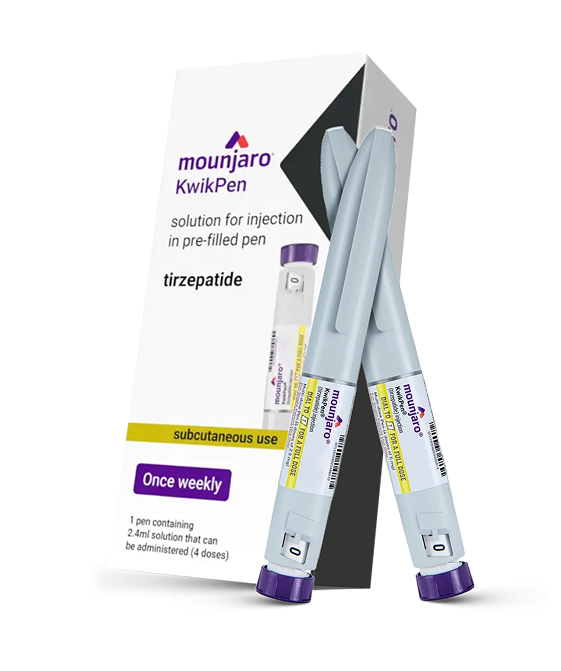
Mounjaro
- ✔ ~22.5% average body weight loss
- ✔ Significant weight reduction
- ✔ Improves blood sugar levels
- ✔ Clinically proven weight loss
Key Facts: Understanding Mounjaro Headaches
- Headaches on Mounjaro are a known side effect, but they are typically mild and manageable.
- Common causes include dehydration, blood sugar fluctuations, and the body adjusting to the medication.
- Headaches are most common during the initial weeks or when increasing the dose.
- Drink plenty of fluids, eat small balanced meals, and rest.
- Seek medical advice if headaches persist, become severe, or are accompanied by other concerning symptoms.
Are Headaches a Common Side Effect of Mounjaro?
Yes, headaches can occur when using Mounjaro, especially during the early stages or after dose adjustments. They are usually temporary and caused by blood sugar changes, dehydration, or reduced calorie intake.
Factors Contributing to Headaches:
- Blood sugar fluctuations: Mounjaro can cause fluctuations in blood sugar, triggering headaches.
- Dehydration: Appetite suppression can lead to dehydration, which may result in headaches.
- Appetite suppression: Reduced food intake can lower blood sugar, contributing to headaches.
- When they occur: Most headaches happen during the first few weeks or after dose changes.
To manage them, stay hydrated, eat small meals, and rest. If headaches persist, consult your healthcare provider.
Find Out If Mounjaro is Clinically Suitable
-
 Clinician-led medical assessment
 -
Personalised dosing and nutrition support
-
Ongoing clinical monitoring throughout treatment

Why Do Headaches Happen on Mounjaro?
Mounjaro (tirzepatide) can cause headaches due to several physiological changes in the body. As a GLP-1/GIP receptor agonist, it slows digestion, reduces appetite, and improves insulin sensitivity, leading to common side effects like dehydration, low blood sugar, and reduced calorie intake, all of which contribute to headaches.
Dehydration
Reduced appetite can lead to dehydration, which is a common cause of headaches on Mounjaro. With less fluid intake, the body becomes dehydrated, triggering headache symptoms. Ensuring you stay hydrated can prevent dehydration-related headaches.
Low Blood Sugar
Low blood sugar (hypoglycemia) can also cause headaches. Mounjaro improves insulin sensitivity, lowering blood glucose levels. As your body adjusts, blood sugar fluctuations may cause temporary headaches. Eating balanced meals and monitoring your blood sugar can help manage this effect.
Reduced Calorie Intake
Mounjaro suppresses appetite, often leading to reduced calorie intake. Skipping meals or eating less can result in hunger-related headaches. Regular, balanced meals help keep blood sugar levels stable and prevent these headaches.
Electrolyte Imbalance
A decrease in food intake can disrupt essential electrolyte levels like sodium, magnesium, and potassium, causing imbalances that lead to headaches. Maintaining proper hydration and nutrition can prevent these imbalances.
Brain Receptor Stimulation
Mounjaro affects GLP-1 receptors in the brain, which can sometimes overstimulate certain areas, causing headaches. This is generally temporary and resolves as your body adapts to the medication.
Dose Adjustments
Adjusting the Mounjaro dose too quickly can lead to headaches. Gradually increasing the dose under the guidance of your healthcare provider can help manage this side effect. These headaches are typically temporary as your body adjusts to Mounjaro. Stay hydrated, eat balanced meals, and monitor blood sugar levels to manage them effectively. If headaches persist or worsen, consult your healthcare provider for further guidance.
How to Get Rid of a Mounjaro Headache Quickly
If you’re experiencing headaches on Mounjaro, start by hydrating with electrolytes to restore fluid balance and prevent dehydration. Eat a small balanced snack to stabilize your blood sugar, and consider taking OTC pain relief like paracetamol or ibuprofen. Resting in a cool, dark room and applying a cold compress to your forehead or neck can also provide quick relief.
- Hydrate with Electrolytes: Dehydration is a major trigger for headaches on Mounjaro. Drink fluids with electrolytes (such as sports drinks or rehydration solutions) to replenish lost minerals and restore balance to your body.
- Eat Small Balanced Snacks: Mounjaro can lead to low blood sugar, which may cause headaches. Eating small, protein-rich snacks like nuts, yogurt, or whole-grain toast helps keep your blood sugar stable and alleviates symptoms.
- Pain Relief with OTC Medications: Paracetamol is typically the first choice for headache relief. If needed, ibuprofen can also be used just be sure to follow the proper dosage instructions to avoid any stomach issues.
- Rest and Apply a Cold Compress: Resting in a dark, quiet room can significantly reduce headache intensity. Apply a cold compress to your forehead or neck to provide immediate relief from headache pain.
- Massage for Tension Relief: Gently massaging your temples or neck can help relieve muscle tension, improve circulation, and reduce headache discomfort. Try this alongside other methods for the best results.
When Are Mounjaro Headaches a Warning Sign?
Headaches are a common side effect of Mounjaro, but it’s important to distinguish between normal headaches and those that might indicate a more serious issue. Typically, headaches from Mounjaro are mild, temporary, and improve as your body adjusts to the medication. These are often related to changes in blood sugar, dehydration, or appetite suppression. However, if your headache is severe, persistent, or accompanied by other symptoms like vision changes, dizziness, or fainting, it may be a red flag that requires immediate medical attention.
If you experience any of the following symptoms, it’s crucial to contact your doctor:
- Headaches that don’t improve with rest, hydration, or OTC pain relief.
- Vision changes, such as blurred vision or seeing halos around lights.
- Severe or sudden headaches that interfere with daily activities.
- Persistent headache pain, even after a few days.
While most headaches on Mounjaro are harmless and part of the body’s adjustment phase, it’s essential to monitor your symptoms. If you’re ever uncertain, speaking with your healthcare provider will provide peace of mind and ensure you’re on the right track.
Conclusion: Managing Mounjaro Headaches Simply
In conclusion, headaches on Mounjaro are typically temporary and can be managed with simple adjustments like staying hydrated, eating balanced meals, and getting enough rest. Most headaches will improve as your body adjusts to the medication. However, it’s important to monitor your symptoms and seek help if they become severe, persistent, or if other unusual symptoms arise.
Always consult your healthcare provider if you’re unsure or if the headaches don’t subside with basic self-care. If you’re concerned about your Mounjaro headaches or need personalised advice, don’t hesitate to contact Mayfair Weight Loss Clinic today for expert guidance and support.
FAQs About Mounjaro Headaches
Does Mounjaro cause headaches?
Yes, Mounjaro can cause headaches, particularly in the early stages of treatment. This happens as your body adjusts to the medication, and the side effect typically resolves over time.
How long do headaches last on Mounjaro?
Headaches usually last anywhere from a few days to a week. As your body adjusts to Mounjaro, these headaches tend to subside, and the frequency or intensity decreases.
Are headaches normal when starting Mounjaro?
Yes, headaches are a common side effect when starting Mounjaro. While they may be bothersome, they are generally mild and temporary, improving as your body adapts to the treatment.
How do I stop headaches quickly?
To relieve headaches quickly, drink plenty of fluids, especially those with electrolytes, eat small balanced meals, and rest. Over-the-counter pain relief, such as paracetamol, can also help manage the discomfort.
Are headaches a sign it’s working?
Headaches may indicate that your body is adjusting to Mounjaro, but they aren’t a reliable sign that the medication is working. Headaches can happen in the adjustment phase, even if the treatment is effective.
Should I stop Mounjaro if I get headaches?
No, headaches are typically a temporary side effect of Mounjaro. However, if they become uncomfortable, consult with your doctor to discuss possible solutions or adjustments to your treatment.
When should I worry about headaches?
You should seek medical advice if your headaches are severe, persistent, or accompanied by other concerning symptoms such as vision changes, dizziness, or fainting. These may signal a need for further evaluation.
Can I prevent headaches while on Mounjaro?
To help prevent headaches while on Mounjaro, stay hydrated, eat regular balanced meals, and avoid skipping doses. Maintaining a healthy sleep schedule and managing stress levels can also reduce the likelihood of headaches.
Mounjaro
- ✔ ~22.5% average body weight loss
- ✔ Significant weight reduction
- ✔ Improves blood sugar levels
- ✔ Clinically proven weight loss
Wegovy
- ✔ ~16.9% average body weight loss
- ✔ Boosts metabolic & cardiovascular health
- ✔ Proven, long-established safety profile
- ✔ Weekly injection, easy to use