Why Am I Not Losing Weight on Wegovy? Common Reasons Explained
Wegovy weight loss stalls may stem from insufficient dosing, excess energy consumption, reduced metabolic demands or medical conditions affecting treatment response.
Last updated Oct 30, 2026

 10 min read

The promise of steady weight loss can make a stubborn number on the scales particularly frustrating. Even with regular Wegovy injections, progress may slow or never quite meet expectations. Not losing weight on Wegovy (semaglutide) can be linked to gradual dose increases, calorie intake, metabolic adaptation or underlying health conditions. Sometimes, the explanation goes beyond what the scales reveal.
A slow start or sudden plateau doesn’t always mean Wegovy has stopped working. While the medication helps control appetite and promote fullness, individual responses vary throughout treatment. Recognising what might be holding back progress, when to seek clinical advice and which adjustments may help can make the journey clearer and more manageable.
Wegovy
- ✔ ~16.9% average body weight loss
- ✔ Boosts metabolic & cardiovascular health
- ✔ Proven, long-established safety profile
- ✔ Weekly injection, easy to use
Key Takeaways: Progress Isn’t Always Linear
- Wegovy weight loss may slow due to dose adjustments, metabolic adaptation, lifestyle habits or underlying health conditions.
- Early results vary as treatment gradually progresses towards the prescribed maintenance dose.
- Weight loss plateaus do not necessarily mean Wegovy has stopped working or become ineffective.
- Calorie intake, protein consumption, physical activity, sleep and stress can influence treatment outcomes.
- Patients losing less than 5% of their starting weight after six months should have their treatment reviewed.
- Consistent dosing, realistic expectations and clinician-led adjustments help support safe, sustainable progress.
What Does “Not Working” Really Mean?
When patients say the Wegovy injection is not working, they often mean the scale has stopped moving. However, weight can fluctuate due to hydration, hormonal shifts, and digestive changes. A short plateau does not equal failure. Additionally, early treatment stages focus on tolerance.
During the first 4–8 weeks, the dose gradually increases. At this stage, appetite suppression may be mild while your body adjusts. Therefore, slower progress in the beginning is common. Non-scale victories also matter. Improved portion control, reduced cravings, and better blood sugar stability often appear before visible changes.
Common Medical Reasons Wegovy May Seem Less Effective
Wegovy’s effectiveness can vary depending on treatment stage, individual response and how consistently the medication is administered. During the early weeks, gradual dose increases may limit noticeable appetite suppression, even when the treatment is working as intended.
Dose Titration and Early Adjustment
Wegovy starts at 0.25 mg weekly, with gradual increases to improve tolerability before reaching the prescribed maintenance dose. Patients may experience mild appetite suppression or slower weight loss during this adjustment period. However, early progress varies, and limited results at lower doses do not necessarily indicate that treatment is ineffective.
Injection Technique and Consistency
Incorrect injection technique, missed doses or inconsistent administration may affect treatment delivery and progress. Wegovy should be injected subcutaneously into the abdomen, thigh or upper arm according to the prescribed weekly schedule. Patients unsure about proper administration can follow our guide on how to use a Wegovy pen or consult their clinician.
Maximise Your Weight Loss Potential with Proven Injections
-
 Clinically validated treatments for weight management
-
Enhance results with a healthy, balanced diet
-
Professional meal planning advice from experts

Why Has Wegovy Stopped Working for Weight Loss?
Wegovy may appear to stop working after initial weight loss because the body adapts to a lower weight, reducing its daily energy requirements. Some patients also experience returning hunger, slower progress during dose escalation or a reduced response to treatment. However, a weight loss plateau does not necessarily mean semaglutide has stopped working, as several factors can influence results.
Metabolic Adaptation and Plateaus
As body weight decreases, fewer calories are needed to maintain normal daily functions. This means dietary habits that previously supported weight loss may no longer create the same calorie deficit. A plateau can develop even when treatment continues, making longer-term weight trends more reliable than occasional changes on the scales.
Dosing and Appetite Changes
Some patients experience slower progress because they have not yet reached an appropriate maintenance dose. Wegovy is gradually increased to 2.4 mg weekly, with a 7.2 mg maintenance option available for eligible adults with obesity when clinically appropriate.
Others may notice hunger or cravings returning despite consistent treatment, which warrants reviewing their response with a prescriber.
Lifestyle and Health Factors
Underlying conditions such as hypothyroidism, polycystic ovary syndrome (PCOS) and obstructive sleep apnoea may complicate weight management. Certain medicines can also contribute to weight gain or make progress more difficult. A clinical assessment can help identify these factors when weight loss remains limited despite consistent treatment.
Signs of Poor Treatment Response
A persistent plateau differs from genuine treatment non-response. According to UK prescribing guidance, treatment should be reviewed if less than 5% of starting body weight has been lost after six months, considering individual benefits and risks. Your clinician can assess dosing, adherence, tolerability and individual health factors before discussing adjustments or alternative treatments.
Lifestyle Factors That Can Affect Results
Although Wegovy helps regulate appetite, everyday eating habits can still influence weight loss progress. Consuming more calories than your body needs, even through smaller meals or drinks, may reduce the calorie deficit required for further weight loss.
Common factors include:
- Liquid Calories: Sugary drinks, fruit juices and sweetened coffees can increase calorie intake without providing lasting fullness.
- Frequent Snacking: Regular consumption of calorie-dense snacks may offset reduced meal portions.
- Low Protein Intake: Insufficient protein can affect satiety and make it harder to preserve muscle during weight loss.
- Portion Sizes: Eating larger portions than realised may limit progress, even when appetite has decreased.
Physical activity, sleep and stress management also influence results. Regular walking and resistance training help preserve muscle and support energy expenditure, while poor sleep and prolonged stress can affect hunger and eating habits. Making realistic, sustainable adjustments to these factors can complement Wegovy treatment and support continued progress.
How Long Should You Wait Before Deciding Wegovy Isn’t Working?
Wegovy generally needs several months to demonstrate its full weight loss benefits. Although some patients notice changes within the first few weeks, 3 to 6 months is a useful period for assessing treatment progress, including the response to maintenance dosing. Early results may be limited by gradual dose increases, individual metabolism and differences in appetite suppression.
First 16 Weeks: Dose Adjustment
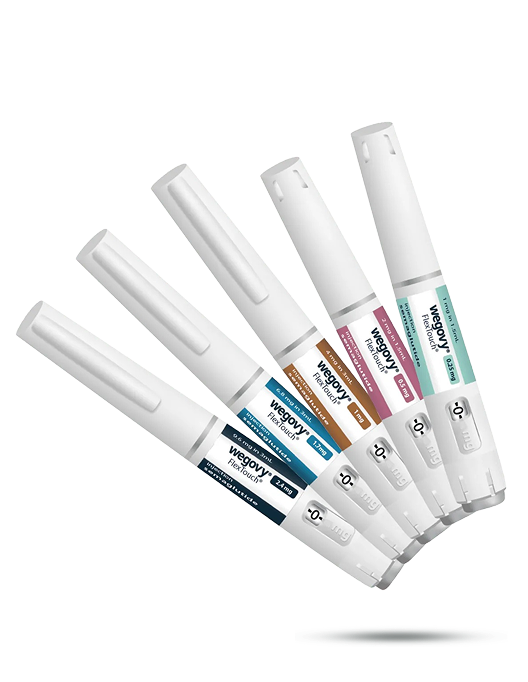
Wegovy begins at 0.25 mg weekly, increasing every four weeks through 0.5 mg, 1 mg and 1.7 mg before reaching the standard 2.4 mg maintenance dose from week 17. This gradual dose escalation helps minimise digestive side effects. Limited weight loss during the initial 12 to 16 weeks does not necessarily indicate treatment failure.
After 16 Weeks: Maintenance Dose
Once the maintenance dose is reached, patients can assess longer-term appetite control and weight trends. For eligible adults with obesity, clinicians may consider Wegovy 7.2 mg weekly after at least four weeks on 2.4 mg if additional treatment benefit is needed. However, higher doses are not suitable for everyone, and adjustments require clinical supervision.
Six Months: Treatment Assessment
UK prescribing guidance recommends reviewing treatment if a patient has lost less than 5% of their starting weight after six months. This assessment considers weight changes, adherence, side effects and individual health needs. Under NICE guidance, treatment should be considered for stopping if this threshold is not reached within six months.
When to Review Your Treatment Plan
If weight loss remains limited or plateaus for several weeks, a clinical review can help identify possible causes. Your prescriber may assess your current Wegovy dose, appetite response, injection consistency, dietary habits, physical activity and any underlying health conditions. Depending on the findings, they may recommend nutritional adjustments, additional behavioural support or changes to your treatment.
Ongoing monitoring also helps identify side effects, changes in appetite and difficulties maintaining treatment. If Wegovy produces an insufficient response despite appropriate use, your clinician may discuss alternative weight management treatments based on your medical history, preferences and overall health needs.
At Mayfair Weight Loss Clinic, patients can request a free, confidential consultation to discuss their progress and available treatment options. For further information, explore our Wegovy treatment page or read our guide on where to buy Wegovy safely in the UK.
Conclusion: Managing Slow Progress on Wegovy
Slower weight loss on Wegovy does not necessarily mean the treatment has stopped working. Changes in metabolism, individual response and treatment stage can influence progress over time. Recognising these factors helps patients maintain realistic expectations and avoid unnecessary changes to their prescribed medication when results temporarily slow down.
Long-term success depends on consistent treatment, balanced nutrition, regular physical activity and appropriate clinical support. If progress remains limited, a personalised review can help determine whether adjustments or alternative treatments are suitable. For expert guidance and clinician-led weight management, visit Mayfair Weight Loss Clinic to explore your options.
FAQs About Wegovy Not Working
Can constipation make it look like Wegovy isn’t working?
Yes, constipation can temporarily affect the number on the scales because stool remains in the digestive system. This may conceal small changes in body weight without indicating treatment failure. Adequate hydration, fibre and gentle physical activity can help, but persistent constipation should be discussed with your clinician.
What happens if I miss a weekly Wegovy injection?
If you miss a dose, take it within five days of the scheduled injection. If more than five days have passed, skip it and resume your regular schedule. Never double your dose. If you miss multiple injections, contact your prescriber before restarting, as your dose may need adjusting.
Can I change my Wegovy injection day?
Yes, you can change your weekly injection day provided at least three days have passed since your previous dose. Once changed, continue following the new weekly schedule. Avoid taking injections too close together, as doing so may increase the risk of unwanted side effects.
Why do I feel hungry even after taking Wegovy?
Wegovy reduces appetite but does not eliminate normal hunger signals. Hunger may still occur between meals, particularly when food intake is insufficient or meal composition lacks protein and fibre. Persistent or noticeably increasing hunger should be discussed with your prescriber to assess your overall treatment response.
Can other medications interfere with Wegovy weight loss?
Some medications, including certain corticosteroids, antidepressants and antipsychotics, may contribute to weight gain or make weight management more difficult. This does not necessarily mean they directly interfere with Wegovy. Your clinician can review potential contributing medicines without compromising treatment for existing health conditions.
What if I cannot tolerate my prescribed Wegovy dose?
If nausea, vomiting or other digestive symptoms become difficult to manage, your prescriber may delay further dose increases or reduce your dose until symptoms improve. Do not change the dosage independently. Persistent vomiting, dehydration or severe abdominal pain requires prompt medical assessment.
Can I restart Wegovy after taking a break?
Restarting Wegovy depends on how many doses you have missed and your previous treatment tolerance. After an extended interruption, your prescriber may recommend restarting at a lower dose to reduce gastrointestinal side effects. Avoid resuming a previously high dose without checking the appropriate schedule.
Mounjaro
- ✔ ~22.5% average body weight loss
- ✔ Significant weight reduction
- ✔ Improves blood sugar levels
- ✔ Clinically proven weight loss
Wegovy
- ✔ ~16.9% average body weight loss
- ✔ Boosts metabolic & cardiovascular health
- ✔ Proven, long-established safety profile
- ✔ Weekly injection, easy to use