
Why Do I Feel Cold on Mounjaro? Causes and Side Effects Explained
Learn why some patients report feeling cold on Mounjaro and learn safe, practical strategies to manage this experience during weight-loss treatment.
Last updated Apr 02, 2026

 10 min read

Feeling cold after starting Mounjaro can be unexpected, but it is a reported sensation for some patients. Mounjaro feeling cold may occur as the treatment influences appetite, reduces calorie intake, and promotes fat loss, which can affect the body’s energy balance and heat production, especially in the first few weeks.
These sensations are usually part of the body adapting to metabolic changes, rather than a sign of serious issues. However, if feeling cold occurs alongside persistent fatigue, dizziness, or unusual weight changes, it’s worth consulting your clinician. Read on to discover the causes and practical ways to manage this.
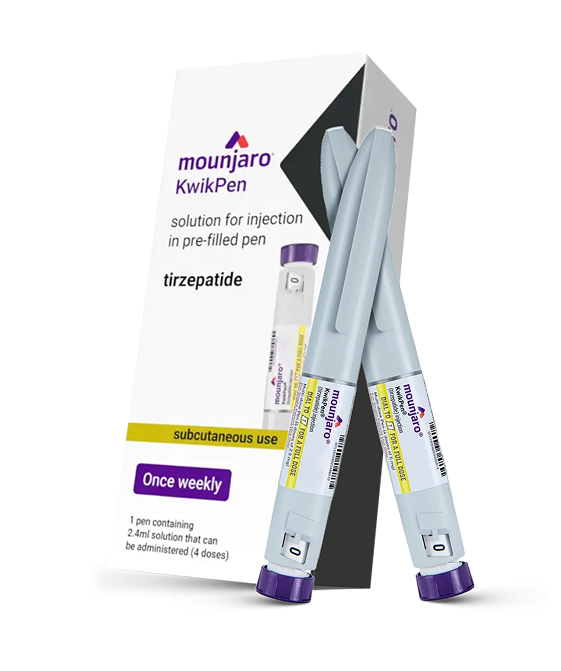
Mounjaro
- ✔ ~22.5% average body weight loss
- ✔ Significant weight reduction
- ✔ Improves blood sugar levels
- ✔ Clinically proven weight loss
Key Facts on Feeling Cold on Mounjaro
- Mounjaro is increasingly used in the UK for medically supervised weight loss.
- Some patients notice Mounjaro chills or cold sensations during treatment.
- Clinical observations suggest this side effect is usually harmless and short-lived.
- Cold sensations often relate to metabolic adaptation, calorie reduction, and fat or muscle loss.
- Eating balanced meals, layering clothing, and strength training can help manage symptoms.
How Mounjaro Supports Appetite and Metabolism
Mounjaro (tirzepatide) is a dual-action medication that targets GLP-1 and GIP receptors in the body. By mimicking these naturally occurring hormones, it helps:
- Regulate appetite and reduce hunger
- Improve insulin response and blood sugar control
- Support medically supervised weight management
Beyond appetite suppression, Mounjaro also affects metabolism and energy use, helping the body adapt to weight loss by:
- Encouraging the use of stored fat for energy
- Maintaining stable glucose levels
- Supporting gradual and sustainable weight reduction
These combined effects make Mounjaro an effective tool for patients aiming to manage weight safely and efficiently.
Achieve Sustainable Weight Loss
Start Your Free Consultation Now
 Balanced Nutrition Plan
Clinically Proven Treatments
Expert Professional Guidance
Balanced Nutrition Plan
Clinically Proven Treatments
Expert Professional Guidance 
Can Mounjaro Make You Feel Cold?
Yes, some patients do report feeling cold on Mounjaro during treatment. While it is not listed as an official primary side effect, it has been increasingly observed, particularly during the early weeks of therapy or periods of noticeable weight change.
For most people, this sensation is temporary and usually resolves as the body adjusts to the treatment. Patients experiencing cold feelings can continue Mounjaro safely, but persistent or concerning symptoms should be discussed with a clinician to ensure overall wellbeing.
Why Does Mounjaro Make You Feel Cold?
Several factors can contribute to why some patients report feeling cold on Mounjaro. Understanding these mechanisms can help you recognise normal adaptation versus symptoms that may need clinical attention.
Fat Loss Reduces Natural Insulation
Body fat acts as a natural insulator, helping retain warmth. When fat is lost during weight-loss treatment, including Mounjaro, the body loses some of this insulation. This can make patients more sensitive to cooler temperatures, especially in hands, feet, and extremities, and contributes to the common sensation of feeling cold.
Lower Calorie Intake Reduces Heat Production
Reduced calorie intake lowers the energy available for heat production. As the body conserves energy during weight loss, internal temperature regulation can shift. Patients may notice feeling cooler, particularly in the first few weeks of Mounjaro treatment, as metabolism adjusts to the lower caloric intake and altered energy demands.
Metabolic Adaptation During Weight Loss
The body naturally adapts to weight loss by slightly slowing metabolism to conserve energy. This metabolic adaptation reduces internal heat generation and may make patients feel colder. These changes are usually temporary and are part of the body’s normal response to reduced caloric intake and rapid fat or weight reduction.
Loss of Muscle Mass
Muscle tissue produces heat even at rest. Losing muscle mass, whether through calorie restriction or insufficient protein intake during weight loss, decreases the body’s internal warmth. Patients on Mounjaro may notice cold sensations intensify in extremities as muscle loss progresses, even when core body temperature remains stable and healthy.
Possible Nutrient Deficiencies (Iron, B12, etc.)
Iron and vitamin B12 are critical for red blood cell production and oxygen delivery. Deficiencies can reduce oxygen transport and overall energy, contributing to fatigue and increased cold sensitivity. Patients losing weight on Mounjaro may be more prone to mild deficiencies, which can temporarily heighten sensations of feeling cold.
Hormonal & Thyroid Changes
Weight loss can subtly influence hormones, including thyroid function, which regulates metabolism and temperature. Slight reductions in thyroid activity may lower heat production, making patients feel colder. These shifts are typically mild, temporary, and part of the body’s adaptation to changes in energy balance and fat loss during treatment.
Circulation Changes (Why Hands & Feet Feel Colder)
Peripheral circulation can slow during early weight loss or metabolic adaptation, reducing blood flow to hands and feet. This makes extremities feel particularly cold compared to the rest of the body. Even if core temperature is normal, these circulation changes explain why Mounjaro feeling cold is often most noticeable in fingers, toes, and limbs.
Could Feeling Cold Mean You’re Losing Too Much Weight?
Feeling cold during Mounjaro treatment is often part of normal adaptation, but it can sometimes signal that weight loss is occurring too rapidly. Watch for signs of excessive weight loss, such as:
- Persistent fatigue or low energy
- Hair thinning or brittle nails
- General weakness or difficulty performing daily tasks
Sustainable weight loss is key for overall health. Gradual progress reduces metabolic strain and helps your body maintain warmth while still achieving safe, long-term results.
How Long Does Feeling Cold Last on Mounjaro?
For most patients, feeling cold on Mounjaro is temporary. Sensations usually improve as the body stabilises during treatment. Duration can vary depending on:
- Dose escalation schedule
- The body’s individual adaptation phase to calorie changes and metabolic adjustments
Typically, these cold sensations are most noticeable during the early weeks and gradually lessen as weight stabilises. Read more about timelines in how long do Mounjaro side effects last.
How to Manage Feeling Cold on Mounjaro
Practical strategies can help manage feeling cold on Mounjaro, keeping you comfortable while supporting safe and effective weight loss.
- Eat Regular, Balanced Meals: Include sufficient protein and healthy fats in every meal. This supports internal heat production and helps the body maintain better thermoregulation throughout the day.
- Maintain Adequate Calorie Intake: Avoid extreme calorie deficits. Eating enough to meet daily energy needs ensures your metabolism continues generating warmth and supports safe weight loss.
- Stay Hydrated: Drinking plenty of water promotes circulation and helps your body distribute heat more effectively, reducing sensations of cold.
- Dress Smart (Layering Strategy): Layering clothes is a simple, effective way to retain warmth. Gloves, socks, and thermal layers can keep extremities comfortable without affecting daily activity.
- Include Strength Training: Resistance or strength exercises help preserve muscle mass, which generates heat even at rest. Maintaining muscle improves internal warmth and supports overall metabolism.
- Check Iron, B12, and Thyroid Levels: Persistent cold feelings may indicate deficiencies or hormonal shifts. Blood tests can ensure iron, B12, and thyroid function are normal, and supplements can be used if clinically indicated.
- Adjust Dose with Medical Guidance: Never alter Mounjaro dosing on your own. If cold sensitivity is bothersome, clinicians may suggest slower titration or minor adjustments while monitoring safety and treatment effectiveness.
When Should You Speak to a Doctor?
- Persistent or severe cold sensations affecting daily life.
- Accompanied by:
- Dizziness or fainting
- Extreme fatigue
- Hair loss
- Irregular menstrual cycles
- Clinicians can rule out underlying conditions like thyroid imbalance or nutrient deficiencies.
Conclusion: Managing Cold Sensations on Mounjaro
Feeling cold while on Mounjaro is usually a temporary part of your body adapting to weight loss and metabolic changes. By following simple strategies balanced meals, proper hydration, strength training, and monitoring nutrient levels you can stay comfortable and maintain steady, safe progress.
If cold sensations persist or concern you, it’s important to consult a clinician. At Mayfair Weight Loss Clinic, our team provides personalised guidance to manage side effects effectively, helping you achieve your weight-loss goals safely and confidently.
FAQs About Feeling Cold on Mounjaro
Is feeling cold a side effect of Mounjaro?
Yes, it can occur, although it is not classified as a primary side effect. Clinical experience suggests that feeling cold on Mounjaro is usually mild, temporary, and resolves as the body adjusts to the medication and metabolic changes.
What causes cold on Mounjaro?
Cold sensations may result from reduced fat insulation, lower calorie intake, slower metabolic adaptation, mild muscle loss, or temporary changes in circulation. These factors are part of the body responding to weight loss and the effects of Mounjaro on appetite and digestion.
How long do mounjaro chills last?
For most patients, cold feelings improve within a few weeks as the body stabilises. Duration can vary depending on dose escalation and the adaptation phase, with most individuals finding the sensation diminishes as their metabolism adjusts.
How can I manage feeling cold on Mounjaro?
Practical strategies include eating balanced meals with protein and healthy fats, staying hydrated, engaging in strength training to preserve muscle, layering clothing for warmth, and checking iron and B12 levels to address any nutritional concerns.
How common is feeling cold on Mounjaro?
Cold sensations on Mounjaro are mostly reported anecdotally by patients and are generally mild and temporary. They tend to occur more often in individuals experiencing rapid weight loss, lower body fat, or slower metabolic rates, but clinical trials suggest these effects are occasional rather than widespread.
Is feeling cold on Mounjaro dangerous?
For most patients, feeling cold is harmless. However, you should consult a clinician if it comes with rapid, unexplained weight loss, persistent fatigue, hair thinning, brittle nails, or dizziness. Regular monitoring helps ensure your weight-loss journey remains safe and effective.
Is feeling cold different on Mounjaro compared to Ozempic or Wegovy?
All three medications are GLP-1 receptor agonists with similar mechanisms, but Mounjaro’s dual GLP-1 + GIP action may cause slightly stronger appetite suppression. Individual responses vary, so some patients may notice cold sensitivity more on Mounjaro than with other GLP-1 treatments.
Can lifestyle habits affect feeling cold on Mounjaro?
Yes, daily habits can influence how cold you feel during treatment. Factors like inadequate protein intake, low hydration, limited physical activity, or insufficient layering of clothing can make sensations of cold more noticeable. Adjusting these habits can help your body adapt more comfortably to Mounjaro.
Mounjaro
- ✔ ~22.5% average body weight loss
- ✔ Significant weight reduction
- ✔ Improves blood sugar levels
- ✔ Clinically proven weight loss
Wegovy
- ✔ ~16.9% average body weight loss
- ✔ Boosts metabolic & cardiovascular health
- ✔ Proven, long-established safety profile
- ✔ Weekly injection, easy to use