Why Am I Still Hungry on Wegovy? Causes and What It Really Means
Find out why you may feel hungry during Wegovy treatment and what it actually means for your progress.
Last updated Apr 02, 2026

 9 min read

It can feel confusing when your appetite doesn’t match your expectations especially when you’ve started a treatment designed to help control it. Many patients are surprised to find themselves still hungry on Wegovy, particularly in the early stages. This is because Wegovy (semaglutide) works gradually, mimicking GLP-1 to regulate appetite and digestion over time rather than shutting hunger down instantly.
As your body adjusts, appetite signals can still appear, and this does not mean the treatment isn’t working. Instead, it reflects a natural transition phase where hormones, digestion, and eating patterns begin to shift. What often goes unnoticed is that this stage can highlight underlying triggers of hunger that most people don’t expect.
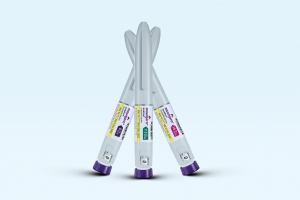
Wegovy

Key Facts: Why You May Still Feel Hungry on Wegovy
- Feeling Still Hungry on Wegovy is common, especially in early stages
- Appetite suppression builds gradually, not instantly
- Hunger does not mean the treatment isn’t working
- Diet, sleep, and stress can influence appetite signals
- Practical adjustments can improve hunger control
How Wegovy Actually Works to Reduce Hunger
Wegovy works by mimicking GLP-1, a natural hormone that helps regulate both appetite and digestion. It signals to the brain that you are full while also slowing down how quickly food leaves the stomach. This combination helps reduce the urge to eat frequently and supports more controlled portion sizes over time.
One key effect is slowed gastric emptying, which means food stays in the stomach longer, creating a prolonged feeling of fullness after meals. At the same time, Wegovy influences brain pathways linked to satiety, helping reduce cravings and “food noise.” However, it is not a drug that completely switches off hunger. Instead, it gradually reshapes how your body responds to hunger signals, making appetite easier to manage rather than eliminating it entirely.
Find Out If Wegovy is Clinically Suitable
Start Your Free Consultation Now
 Clinician-led medical assessment
Personalised dosing and nutrition support
Ongoing clinical monitoring throughout treatment
Clinician-led medical assessment
Personalised dosing and nutrition support
Ongoing clinical monitoring throughout treatment 
When Should Wegovy Start Reducing Appetite?
Wegovy does not reduce appetite instantly. Its effects build gradually as the dose increases, allowing the body to adjust safely. In the early stages, many people still feel hungry, which is normal and part of how the treatment is designed. The full appetite-suppressing effect typically develops over time, not overnight.
What to expect at each stage:
- Weeks 1–4: Mild appetite changes; hunger may still feel similar to before
- Weeks 5–12: Noticeable reduction in cravings and better portion control
- Full dose phase: Stronger and more consistent appetite suppression
This gradual approach, known as dose escalation, is essential for both effectiveness and tolerability. Feeling hungry early on does not mean the treatment is not working. It often signals that your body is still adapting, and the real shift in appetite control is yet to come.
Why You Might Still Feel Hungry on Wegovy
Feeling Still Hungry on Wegovy is common, especially during the first 4–8 weeks when doses are still low. If you feel wegovy not suppressing appetite, it is often due to dose timing, diet, sleep, stress, or hydration rather than the treatment not working. Wegovy helps regulate appetite over time, but it does not completely eliminate hunger.
You’re Still in the Dose Build-Up Phase
Wegovy begins at a low dose to reduce side effects, so appetite suppression may feel limited at first. The medication works through gradual dose increases, meaning it can take several weeks before reaching a level where hunger control becomes more noticeable and consistent across the day.
Your Diet May Not Support Satiety
If your meals lack protein and fibre, hunger can return quickly even while on treatment. These nutrients help slow digestion and stabilise blood sugar levels. Without them, you may experience energy dips and cravings, making it seem like your appetite is not being properly controlled.
Emotional or Habitual Eating Patterns
Not all hunger is driven by physical need. Emotional triggers like stress, boredom, or routine habits can lead to cravings that feel like real hunger. Wegovy does not directly target these behaviours, so managing eating patterns and awareness is important for better appetite control.
Sleep, Stress, and Hormonal Impact
Poor sleep and high stress levels can disrupt hunger hormones such as ghrelin and cortisol. These changes can increase appetite and cravings, even when the medication is working. Consistent sleep and stress management play a key role in supporting better appetite regulation during treatment.
Hydration and Weekly Fluctuations
Dehydration is often mistaken for hunger, leading to unnecessary eating. In addition, some people notice appetite increases slightly before their next weekly dose. These fluctuations are normal and reflect how the medication works in the body, rather than a sign that it is ineffective.
How to Reduce Hunger While on Wegovy
To reduce hunger on Wegovy, focus on high-protein and high-fibre meals, proper hydration (around 2–3 litres daily), regular eating patterns, and mindful eating habits. These strategies support satiety, stabilise blood sugar, and help control cravings alongside the medication.
Prioritise Protein and Fibre at Every Meal
Protein helps you stay full for longer and supports muscle maintenance, while fibre slows digestion and keeps energy levels stable. Include simple foods like eggs, chicken, fish, lentils, vegetables, and whole grains to improve satiety and reduce frequent hunger signals.
Eat Regularly (Avoid Extreme Calorie Restriction)
Eating too little can trigger rebound hunger, making cravings stronger later in the day. Instead of skipping meals, aim for balanced smaller meals at regular intervals. This helps maintain steady energy levels and prevents sudden spikes in hunger.
Practice Mindful Eating
Eating slowly and without distractions helps you recognise when you are full. Taking time with meals, chewing properly, and avoiding screens can improve portion control and reduce overeating, even when appetite feels inconsistent.
Improve Sleep and Manage Stress
Sleep and stress directly affect hunger hormones like ghrelin and leptin. Aim for 7–9 hours of sleep and include simple habits like short walks or breathing exercises. These support better appetite regulation and reduce unnecessary cravings.
Stay Hydrated
Drinking enough water is essential, as thirst is often mistaken for hunger. Aim for consistent fluid intake throughout the day. Proper hydration supports digestion, reduces false hunger signals, and helps the medication work more effectively.
Foods That Help vs Foods That Increase Hunger
Choosing the right foods can make a noticeable difference in how well your appetite is managed on Wegovy.
Foods That Keep You Full
- Lean protein: chicken, fish, eggs, Greek yoghurt
- High-fibre foods: vegetables, oats, lentils, whole grains
- Healthy fats: nuts, seeds, olive oil
- Balanced meals combining protein + fibre
Foods That Can Trigger Hunger
- Ultra-processed foods: packaged snacks, fast food
- Sugary snacks: biscuits, sweets, desserts
- Refined carbohydrates: white bread, pastries
- Drinks high in sugar: fizzy drinks, sweetened juices
When Hunger on Wegovy Needs Medical Review
If hunger continues despite treatment, it may indicate that your plan needs adjustment rather than simply more time.
- No appetite suppression after several months: If you’ve reached higher doses but still feel no change, your body may not be responding as expected.
- Strong cravings despite full dose: Ongoing intense hunger or “food noise” at the maintenance dose may require a review of your treatment or alternatives.
- Side effects interfering with progress: Persistent nausea, fatigue, or digestive issues can affect eating patterns and overall results.
In these situations, a clinician can assess your response, review lifestyle factors, and adjust your treatment safely to improve outcomes.
Conclusion: Managing Hunger on Wegovy
Feeling hungry at times during Wegovy treatment is not unusual. Appetite control develops gradually, and your experience can vary based on dose progression, lifestyle, and how your body responds. This does not mean the treatment is ineffective, but rather that it works alongside your body, not against it. A balanced, evidence-based approach is key. With the right nutrition, hydration, sleep, and ongoing monitoring, most patients can improve appetite control over time.
If concerns persist, clinician guidance ensures your treatment remains safe, personalised, and aligned with your health goals. If you’re unsure whether your progress is on track or need tailored guidance, the clinical team at Mayfair Weight Loss Clinic can support you with safe, personalised treatment plans and ongoing care.
FAQs About Wegovy and Hunger
Why am I hungry even on the highest dose of Wegovy?
Hunger can still occur even at higher doses due to factors like stress, sleep, diet quality, or individual metabolic response. Wegovy supports appetite control, but it does not fully override natural hunger signals, especially if lifestyle factors are not aligned.
Does Wegovy stop working over time?
Wegovy does not typically stop working, but appetite response may change as your body adapts. Progress can slow if habits remain unchanged, so ongoing adjustments in diet, activity, and routine are important to maintain results.
Can I eat normally on Wegovy?
Yes, but smaller, balanced meals are usually better tolerated. Focusing on protein, fibre, and portion control helps improve satiety and reduces the likelihood of discomfort linked to slower digestion.
Is hunger a sign I’m doing something wrong?
Not necessarily. Hunger can be part of the early adjustment phase or influenced by stress, sleep, and eating patterns. It is often a normal response rather than a sign that treatment is failing.
Does Wegovy stop food noise?
Wegovy can reduce cravings and “food noise” over time by affecting appetite signals in the brain. However, behavioural habits and emotional triggers may still influence eating patterns.
Why is Wegovy not working for me?
Results can vary based on individual biology, dose progression, and lifestyle factors. If progress is limited, a clinician review can help assess your response and optimise your treatment plan safely.
Does Wegovy suppress appetite completely?
No, Wegovy reduces appetite gradually but does not eliminate hunger entirely. Its role is to help you manage food intake more effectively, not to switch hunger off completely.
What happens if you overeat on Wegovy?
Overeating may lead to nausea, bloating, or discomfort because digestion is slowed. This is usually temporary and improves as you adjust portion sizes and eating habits over time.
Mounjaro
- ✔ ~22.5% average body weight loss
- ✔ Significant weight reduction
- ✔ Improves blood sugar levels
- ✔ Clinically proven weight loss
Wegovy
- ✔ ~16.9% average body weight loss
- ✔ Boosts metabolic & cardiovascular health
- ✔ Proven, long-established safety profile
- ✔ Weekly injection, easy to use