When Can You Resume Mounjaro After Surgery Safely?
Mounjaro can usually be restarted once recovery is stable, digestion is normal, and a clinician confirms it is safe.
Last updated Mar 30, 2026

 10 min read

You’ve paused your Mounjaro routine for surgery, recovery is underway, and now the real question begins: when is it safe to restart Mounjaro after surgery? This is where many patients feel uncertain. Mounjaro is a GLP-1 medication used for weight loss and blood sugar control, working by slowing digestion and reducing appetite.
While effective, these same effects make Mounjaro and surgery a careful balance, especially when general anaesthetic is involved. Because digestion and recovery are closely linked, timing your restart matters more than the calendar. Knowing when your body is ready ensures you continue progress safely without increasing the risk of complications or side effects.
Mounjaro
- ✔ ~22.5% average body weight loss
- ✔ Significant weight reduction
- ✔ Improves blood sugar levels
- ✔ Clinically proven weight loss
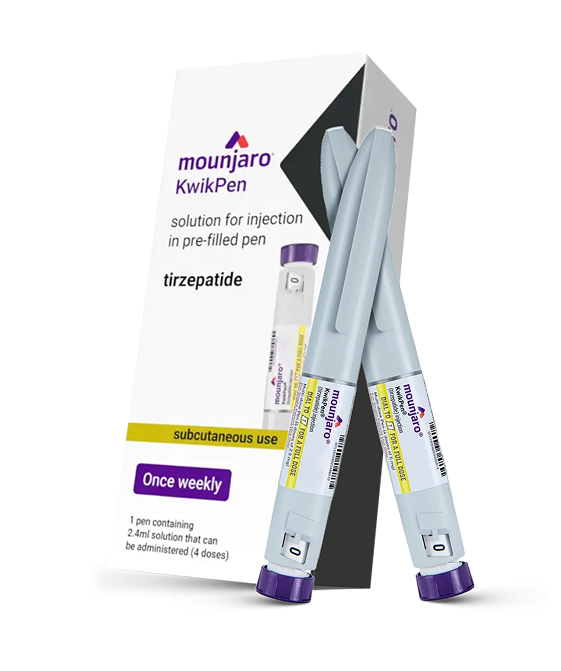
Key Takeaways for Restarting Mounjaro After Surgery
- Mounjaro should be paused before surgery to reduce anaesthesia-related risks
- Restarting depends on recovery, not a fixed timeline
- You should only resume once digestion is normal and symptoms have settled
- Clinical approval is essential before restarting treatment
- A lower dose may be needed if the break was extended
- Restarting too early can worsen side effects and delay recovery
Why Mounjaro Is Stopped Before Surgery
Mounjaro is stopped before surgery mainly to reduce the risk of pulmonary aspiration, a serious complication during anaesthesia. It slows gastric emptying, meaning food can remain in the stomach longer than expected, even after fasting. This increases the chance of stomach contents entering the lungs while under sedation. Because of this, Mounjaro and surgery protocols focus on safety by allowing digestion to return closer to normal before the procedure.
- Delayed gastric emptying increases aspiration risk during anaesthesia
- Food may remain in the stomach despite standard fasting
- Higher risk of complications like pneumonia or respiratory distress
- Stopping Mounjaro supports safer surgical and anaesthetic outcomes
Achieve Sustainable Weight Loss
Start Your Free Consultation Now
 Clinically Proven Treatments
Balanced Nutrition Plan
Expert Professional Guidance
Clinically Proven Treatments
Balanced Nutrition Plan
Expert Professional Guidance 
How Long Before Surgery Should You Stop Mounjaro?
It is generally recommended to stop Mounjaro at least one week (7 days) before elective surgery. This allows enough time for the medication to reduce its effect on digestion, as its half-life means it stays in the body for several days. Stopping Mounjaro helps lower the risk of complications during anaesthesia, particularly aspiration caused by delayed gastric emptying. Timing may vary depending on the procedure, so clinical guidance is essential.
- Stop Mounjaro 7 days before planned surgery
- Slowed gastric emptying increases aspiration risk under anaesthesia
- Inform your surgeon and anaesthetist about Mounjaro use
- Follow personalised advice based on surgery type and health status
When to Resume Mounjaro After Surgery
Mounjaro should only be restarted once you have fully recovered from anaesthesia and your digestive system has returned to normal function. You should be able to eat and drink without nausea, vomiting, or discomfort for at least 24 hours before resuming treatment. Recovery timelines vary, with a few days for minor procedures and longer for major surgeries. Restarting Mounjaro after a month or sooner depends on your recovery progress and always requires clinical approval.
- Resume only when eating and drinking normally for at least 24 hours
- Ensure no nausea, vomiting, or bowel irregularities
- Avoid restarting if still on opioid pain medication
- Restart at a lower dose if paused for 4 weeks or more
- Always confirm with your surgeon or clinician before restarting
For comprehensive guidance on managing Wegovy nausea and vomiting, including causes, timelines, and proven strategies that also apply to Mounjaro GI recovery.
Key Factors That Affect When You Can Restart Mounjaro
Restarting Mounjaro after surgery depends on more than just recovery time. The length of your treatment break, the reason for stopping, and how your body tolerates the medication all play a role. Because tolerance can reduce during a pause, restarting at the same dose may increase the risk of side effects. Clinical guidance often recommends a personalised approach, especially if the break has been extended or recovery has been complex.
- Length of the break (short vs over 4 weeks may require dose adjustment)
- Reason for stopping (surgery, side effects, or other factors)
- Digestive recovery and ability to eat normally
- Reduced tolerance after a break (risk of nausea or “dose shock”)
- Type of surgery and overall recovery status
- Other medications or health changes during recovery
Signs You’re Ready to Restart Mounjaro
Restarting Mounjaro should be based on recovery, not timing alone. You are generally ready when you have fully recovered from anaesthesia, can tolerate normal food and fluids, and your digestive system is functioning properly again. These signs indicate that your body can handle the medication without increasing the risk of side effects. Clinical approval is essential before restarting to ensure safe and appropriate use.
- Eating and drinking normally without nausea or vomiting
- Normal bowel function returned (passing stool or gas)
- Fully recovered from general anaesthetic
- Surgical wounds healing with no major complications
- Hydration levels stable and no ongoing symptoms
- Restart only after approval from your surgeon or clinician
How to Restart Mounjaro Safely After Surgery
Restarting Mounjaro should be done with clinical approval and careful timing after surgery. It is generally recommended to wait until you are fully recovered from anaesthesia and can eat and drink normally without nausea. If the break has been longer than two weeks, restarting at a lower dose is often advised to reduce side effects. A gradual reintroduction helps your body adjust safely while maintaining treatment progress. Always consult your healthcare provider before restarting to ensure it is appropriate for your recovery stage.
- Get medical clearance from your GP or surgeon before restarting
- Wait until you can tolerate food and fluids without nausea or vomiting
- Restart at a lower dose if the break exceeds two weeks
- Increase dosage gradually over several weeks if tolerated
- Monitor for side effects such as nausea or vomiting
- Maintain good hydration during the reintroduction phase
Managing Blood Sugar While Off Mounjaro
Stopping Mounjaro can lead to increased appetite and a gradual return of blood sugar levels toward baseline within a few weeks. This happens as the medication’s appetite-suppressing and glucose-regulating effects wear off. Managing this phase requires structured lifestyle adjustments to maintain stability. Focusing on diet, activity, and regular monitoring helps reduce fluctuations and supports safe recovery until treatment resumes.
- Monitor blood glucose levels regularly and track any changes
- Focus on fibre-rich foods and lean protein (20–30g per meal) to support fullness
- Follow structured meal timings and avoid frequent snacking
- Aim for at least 150 minutes of moderate exercise weekly with added resistance training
- Stay hydrated and manage appetite changes during recovery
- Consult a healthcare professional if blood sugar levels rise significantly
Disclaimer: Always seek guidance from a healthcare professional for personalised advice when managing blood sugar after stopping Mounjaro.
Common Post-Surgery Challenges With Mounjaro
After surgery, restarting Mounjaro too soon can intensify side effects due to its impact on digestion. The medication slows gastric emptying, which may delay recovery and increase gastrointestinal symptoms. This can make post-operative healing more complex, especially if nausea or vomiting is already present. Careful timing is essential to avoid worsening symptoms and to support a stable return to treatment.
- Delayed gastric emptying may increase aspiration risk during recovery
- Nausea, vomiting, diarrhoea, or constipation may worsen after restarting
- Dehydration and reduced nutrient intake can slow recovery
- Restarting too early may trigger stronger side effects or require dose adjustment
What to Discuss With Your Doctor
Before restarting Mounjaro, a clinical review is essential to confirm that your body is ready. Recovery after surgery varies between individuals, so timing should be based on your condition rather than a fixed schedule. Your doctor will assess how well you are healing, how your digestion has recovered, and whether restarting treatment is safe. This helps reduce the risk of complications and ensures a controlled return to your Mounjaro weight loss plan.
- Your current recovery status and ability to eat normally
- Any interactions with post-surgery medications
- Whether your dose should be restarted or adjusted
- Personal risk factors such as diabetes, complications, or ongoing symptoms
Final Thoughts: Restarting Mounjaro Safely After Surgery
Restarting Mounjaro after surgery should always be based on recovery rather than a fixed timeline. Once you can eat normally, stay hydrated, and have no ongoing digestive symptoms, treatment can usually resume safely. This temporary pause does not undo your progress, including Mounjaro weight loss by week improvements.
The focus should remain on safe recovery and gradual reintroduction under clinical guidance. If you are unsure about timing or symptoms, getting personalised advice from a qualified clinician can help you restart safely and continue your progress with confidence. You can also explore medically guided treatment options and support through Mayfair Weight Loss Clinic to ensure your plan stays both effective and safe.
FAQs About Mounjaro and Surgery
Can I take Mounjaro after surgery?
Yes, but only after your body has stabilised post-surgery. Restarting too early can worsen nausea, vomiting, or digestive issues due to delayed gastric emptying, so medical approval is important.
Can you take Mounjaro after gallbladder removal?
Yes, but only once digestion has stabilised and you can tolerate food without symptoms. After abdominal procedures, a more cautious restart is advised until normal gut function returns.
What happens when you stop taking Mounjaro?
You may notice increased appetite or temporary changes in blood sugar control. Restarting usually requires beginning at a lower dose to reduce side effects and allow the body to adjust again.
Do you need to restart Mounjaro at a lower dose after surgery?
Yes, especially if you had a break of more than two weeks. Clinical guidance often recommends restarting at the lowest dose and gradually increasing it to minimise gastrointestinal side effects.
Can restarting Mounjaro cause stronger side effects?
Yes, side effects like nausea or reduced appetite may return when restarting. These are usually temporary but can feel stronger if the medication is resumed too quickly or at a higher dose.
What signs show you are ready to restart Mounjaro?
You should be able to eat normally, stay hydrated, and have no ongoing digestive symptoms. Clinical clearance is essential to ensure your body is stable and ready for treatment again.
Can Mounjaro affect recovery after surgery?
Mounjaro can slow digestion, which may delay how quickly your body returns to normal eating and bowel function. If restarted too early, it may increase nausea or dehydration, so recovery should be stable first.
Should diabetic patients take extra precautions when restarting Mounjaro after surgery?
Yes, especially if Mounjaro is used for blood sugar control. Changes in dosing or timing can affect glucose levels, so careful monitoring and clinician guidance are important during recovery.
Mounjaro
Wegovy