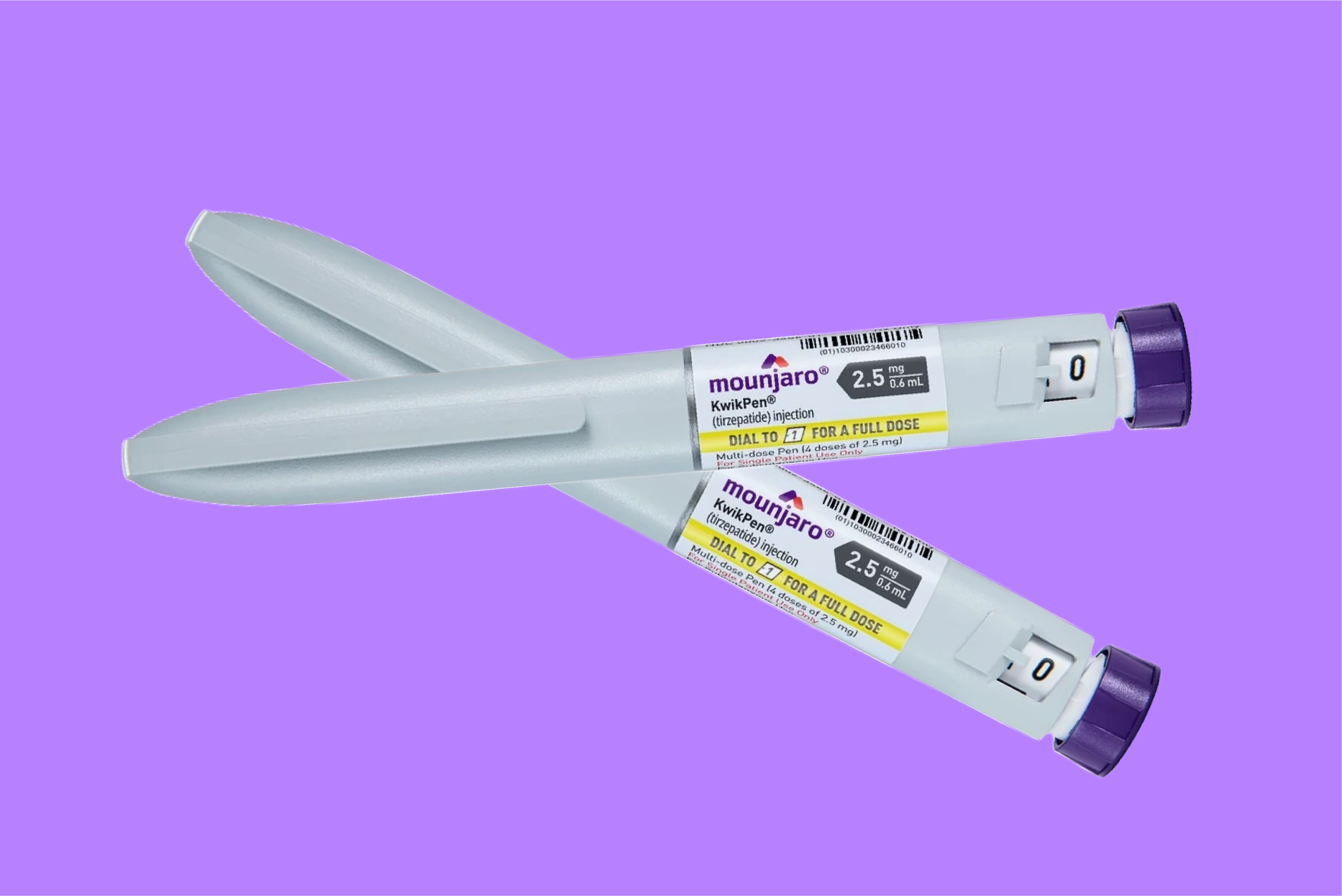
What Should You Do If There Are Bubbles in Your Mounjaro Pen?
Discover how to safely manage air bubbles in your Mounjaro pen and maintain confident, effective injections.
Last updated Apr 02, 2026
 8 min read

Air bubbles in Mounjaro pens are a common observation and usually pose no harm, especially when they are small and microscopic. Proper pen handling, priming, and storage help minimise bubbles, ensuring each injection delivers the correct dose. Understanding the difference between minor bubbles and those that require attention is key for safe, effective weight-loss or diabetes management.
Large or persistent air bubbles, however, should not be ignored, as they may affect dosing or indicate a handling issue. Patients are advised to follow step-by-step instructions for removing or reducing bubbles, while consulting their clinician if uncertainties arise. Knowing exactly when and how to act can protect both treatment efficacy and peace of mind, while highlighting one crucial step many UK patients often overlook.
Mounjaro
- ✔ ~22.5% average body weight loss
- ✔ Significant weight reduction
- ✔ Improves blood sugar levels
- ✔ Clinically proven weight loss
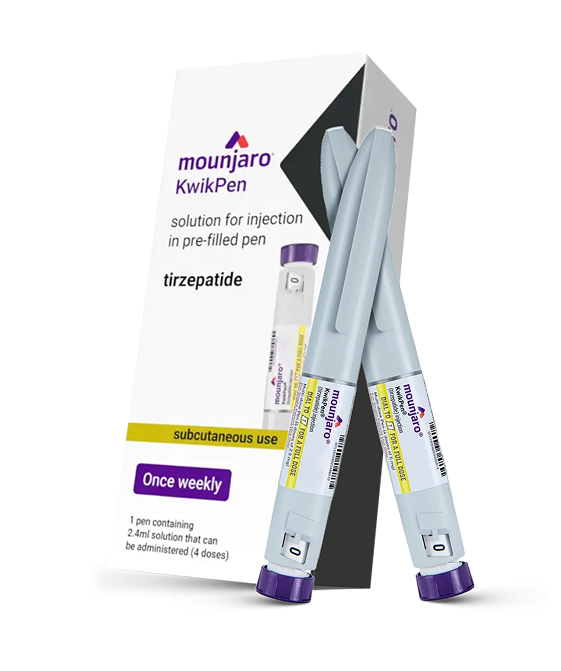
Key Takeaways: Air Bubbles in Mounjaro Pens
- Air can enter pens during storage, handling, or priming.
- Tiny bubbles are usually harmless; larger, persistent bubbles need attention.
- Follow step-by-step injection techniques to avoid complications.
- Gentle tapping or priming can help displace bubbles without wasting medication.
- Store pens upright, avoid vigorous shaking, and follow daily handling instructions.
- Seek advice for repeated bubble formation or if unsure about injection safety.
What Causes Bubbles in Mounjaro Pens?
Air bubbles in Mounjaro pens can form for several reasons during storage, handling, or injection preparation. Tiny bubbles often occur when air gets trapped during manufacturing, changes in temperature, or if the needle is left attached between doses. These small bubbles are usually harmless and rarely affect the amount of medication delivered, but they can cause concern for patients managing weight loss or diabetes.
Larger or persistent bubbles may indicate storage issues, such as freezing, dropping the pen, or other damage that could affect injection accuracy. Understanding the difference between minor, harmless bubbles and those requiring attention helps patients use their pens safely and maintain consistent dosing. Clinician guidance is recommended if you notice unusual or repeated bubble formation to ensure your therapy remains effective.
Are Air Bubbles Dangerous?
Small air bubbles in Mounjaro pens are generally harmless and do not pose a risk when injecting subcutaneously. These tiny bubbles are common and typically do not affect the delivered dose or the safety of your treatment. Most patients can continue their therapy without concern, provided proper injection technique is followed.
Larger bubbles, or air trapped in a syringe rather than a pen, may require caution, as they could interfere with accurate dosing or indicate improper handling. Unlike intravenous injections, subcutaneous administration with a pen makes the risk of serious complications from minor bubbles extremely low. Always inspect your pen or syringe before use, and consult a clinician if unusual or persistent bubbles appear.
Find Out If Mounjaro is Clinically Suitable
-
 Clinician-led medical assessment
 -
Personalised dosing and nutrition support
-
Ongoing clinical monitoring throughout treatment

Managing Air Bubbles in Your Mounjaro Pen Safely
Small air bubbles in a Mounjaro pen are common and usually harmless. They can appear due to temperature changes, needle attachment, or during priming, and typically do not affect the medication’s safety or dose accuracy. Correct handling ensures effective, worry-free injections. For tips on maintaining your pen and ensuring proper medication use, you can also check how long a Mounjaro pen stays usable and safe to use.
- Inspect the pen: Ensure the solution is clear and colourless to slightly yellow. Do not use if cloudy, discoloured, or containing particles.
- Prime the pen if needed: Before each injection, dial to the flow check symbol (or 0.5 mg depending on your device) to push air out. A drop of medication at the needle tip confirms air removal.
- Maintain proper posture: Sit or stand comfortably with relaxed skin at the injection site. Avoid bending or twisting the pen.
- Remove Air if Needed: Hold the pen upright with the needle pointing up and gently tap the cartridge. This helps air bubbles rise and be expelled during priming.
- Inject steadily: Insert the needle subcutaneously at the recommended angle, press the dose button fully, and hold for the prescribed time to ensure the complete dose is delivered.
- Avoid unnecessary shaking: Shaking the pen vigorously may introduce additional bubbles or damage the medication.
Tip: Small bubbles do not need to be removed entirely. Focus on correct priming and injection technique, and consult your clinician if you notice unusual or repeated large bubbles.
What Happens if you Inject an Air Bubble?
Injecting a small air bubble in a Mounjaro pen is generally considered safe and does not pose a risk to your health. These tiny bubbles often form during priming, handling, or minor temperature changes and are usually too small to affect the medication’s effectiveness. Clinical observations suggest that, when following proper injection technique, minor air bubbles do not compromise dosing or cause harm.
However, larger or persistent bubbles can impact injection accuracy, potentially altering the dose delivered. If you notice sizeable air bubbles, it is important to pause and follow recommended steps to remove them, such as tapping the pen, holding it upright, and priming before injection. Consulting your healthcare provider ensures safe use and helps prevent dosing errors, giving you confidence and peace of mind with every injection.
When to Seek Medical Advice
While small air bubbles in a Mounjaro pen are usually harmless, certain situations require prompt attention. Contact your healthcare provider if you notice large or persistent bubbles, repeated difficulties in removing air, or any unusual changes in the medication’s appearance, such as cloudiness or discoloration.
UK patients should reach out to their GP, diabetes nurse, or pharmacist for guidance before proceeding with an injection. Prompt consultation ensures safe administration, prevents dosing errors, and allows clinicians to provide tailored advice on pen handling and injection technique.
Conclusion: Confident Mounjaro Use
Small air bubbles in Mounjaro pens are generally harmless, but proper handling, priming, and monitoring ensure safe, effective injections. Large or repeated bubbles should be checked with a clinician.
By following guidance on inspection, removal, and prevention, UK patients can continue therapy confidently. For personalised advice and support, consult your healthcare provider or Mayfair Weight Loss Clinic to maintain safety and optimise your weight-loss journey.
FAQs About Pen Bubbles
Can I inject Mounjaro if a small bubble remains?
Yes, tiny air bubbles in a Mounjaro pen are typically harmless and do not affect the medication’s safety or dosage. Clinical observations suggest that such bubbles rarely interfere with therapeutic outcomes.
Does shaking the Mounjaro pen help or hurt?
Shaking the pen can actually introduce more bubbles into the solution. Instead, gently tap the pen upright to move bubbles to the top before priming or injecting.
Are some medications more prone to bubbles?
Yes, viscous or aerated medications like GLP-1 therapies, including Mounjaro, can trap small air bubbles more easily during storage or handling. Awareness of this helps prevent dosing errors.
How do I check for bubbles in Mounjaro?
Always hold the pen upright and visually inspect the liquid before priming. Look for tiny air pockets and ensure the solution remains clear and uniform.
Can an air bubble from injection cause pain?
Microscopic bubbles rarely cause discomfort. Larger air pockets may cause mild irritation at the injection site, but serious complications are extremely uncommon.
Is priming necessary every time in Mounjaro?
Yes, priming ensures that the correct dose is delivered and reduces the risk of injecting an air bubble. It is an important step in safe self-administration.
Do I need to replace my Mounjaro pen if I inject an air bubble?
Not usually. Follow proper steps to remove air bubbles or consult a clinician if bubbles persist or appear unusually large. Regular monitoring and correct technique are sufficient in most cases.
Can temperature changes cause bubbles in my Mounjaro pen?
Yes, storing Mounjaro outside recommended temperature ranges can cause air bubbles to form. Keeping the pen at the proper temperature helps minimise bubble formation and ensures accurate dosing.
Mounjaro
- ✔ ~22.5% average body weight loss
- ✔ Significant weight reduction
- ✔ Improves blood sugar levels
- ✔ Clinically proven weight loss
Wegovy
- ✔ ~16.9% average body weight loss
- ✔ Boosts metabolic & cardiovascular health
- ✔ Proven, long-established safety profile
- ✔ Weekly injection, easy to use