
What Can Help With Constipation During Mounjaro Treatment? UK Patient Guide
Constipation on Mounjaro is often linked to slower digestion, reduced food intake, and hydration changes, but it is usually manageable with simple lifestyle adjustments.
Last updated May 21, 2026

 11 min read

Constipation is a known digestive change some patients notice during treatment with Mounjaro, especially as the body adjusts to slower digestion and reduced appetite. In many cases, constipation on Mounjaro develops gradually and is usually linked to changes in eating patterns, hydration levels, and overall gut movement during the early stages of treatment.
For most patients, symptoms are mild and improve with simple lifestyle adjustments such as better hydration, gradual fibre intake, and regular movement. However, understanding what triggers constipation, how long it may last, and when it needs attention is important for safe management, because while it often settles naturally, there are situations where symptoms may signal something that should not be ignored.
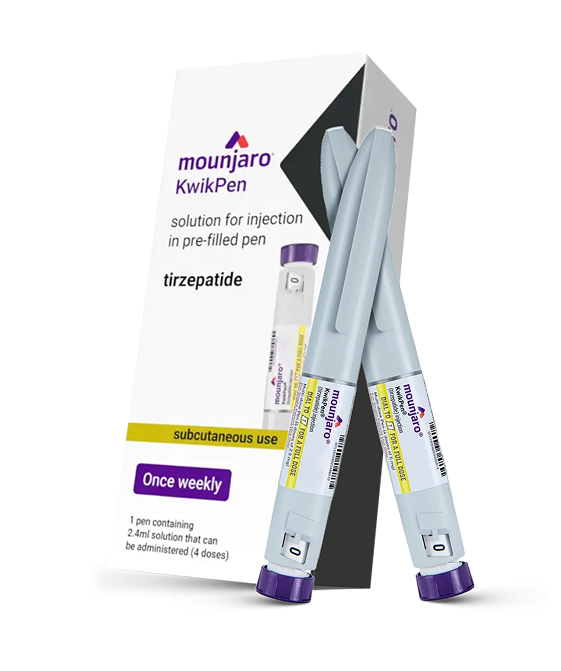
Mounjaro
- ✔ ~22.5% average body weight loss
- ✔ Significant weight reduction
- ✔ Improves blood sugar levels
- ✔ Clinically proven weight loss
Key Facts About Constipation on Mounjaro
- Constipation on Mounjaro may happen due to slower gut movement and reduced appetite
- It is more common during dose increases or early treatment stages
- Hydration, fibre, and movement play a key role in relief
- Symptoms are usually temporary but should be monitored closely
- Prevention is often easier than treatment once constipation develops
- Persistent symptoms may need medical review
Why Mounjaro Can Cause Constipation
Constipation during treatment with Mounjaro is primarily linked to slowed gut movement, where food and waste pass through the digestive system at a reduced pace. This allows the colon more time to absorb water from stool, making it harder, drier, and more difficult to pass. Clinical data suggests that up to 1 in 10 patients report constipation symptoms during early treatment or after dose escalation.
How Constipation Develops During Treatment
- Slower intestinal motility means food remains in the gut longer, increasing water absorption from stool.
- Reduced appetite often leads to lower fibre and fluid intake, which increases the likelihood of constipation with Mounjaro.
- Lower overall food volume can reduce natural bowel stimulation, leading to less frequent movements.
- Dose escalation can temporarily intensify digestive changes, making mounjaro side effects constipation more noticeable.
- What many people do not realise is that even mild dehydration can significantly intensify stool hardening during treatment, especially when combined with reduced appetite.
Practical Clinical Insight
A common patient pattern seen in weight management care is that constipation does not always begin immediately after starting treatment, but instead appears after eating habits change without conscious awareness. Patients often reduce meal size, fibre variety, and fluid intake at the same time, which compounds digestive slowdown. A useful takeaway is to track water intake and meal fibre content for a few days after dose changes, as this often reveals the hidden trigger behind constipation on Mounjaro rather than the medication alone being the sole cause.
Common Signs of Mounjaro Constipation and When It Starts
Constipation during treatment with Mounjaro often develops gradually as the digestive system adjusts. Many patients first notice fewer bowel movements, harder stools, or mild bloating within the first few weeks or after a dose increase. This early stage is commonly described as constipation from Mounjaro and is usually linked to changes in appetite and digestion.
Common signs to watch for
- Reduced bowel movement frequency over several days
- Hard or dry stools that are difficult to pass
- Mild abdominal bloating or discomfort
- Feeling of incomplete emptying after using the toilet
- Increased gas or pressure in the lower abdomen
When constipation typically starts
- Early treatment phase (first 1 to 3 weeks)
- After dose increases when digestion slows further
- During periods of low food or fluid intake
- When dietary fibre intake is reduced unintentionally
Mild vs moderate symptoms
- Mild Mounjaro constipation may come and go and often improves with hydration and diet changes
- Moderate symptoms may include ongoing bloating, discomfort, and reduced bowel frequency for several days
- Severe or persistent symptoms may interfere with daily comfort and require medical review
Key difference to understand
- Temporary adjustment: short-term changes that improve as the body adapts
- Worsening constipation with Mounjaro: symptoms that persist, intensify, or do not respond to lifestyle changes
What many patients do not realise is that symptom timing can vary widely depending on hydration, fibre intake, and activity levels, which is why early tracking of bowel habits helps identify whether constipation from Mounjaro is part of normal adjustment or developing into a longer-term issue.
Find Out If Mounjaro is Clinically Suitable
-
 Clinician-led medical assessment
 -
Personalised dosing and nutrition support
-
Ongoing clinical monitoring throughout treatment

Best Ways to Relieve Constipation While Taking Mounjaro
Constipation during treatment is commonly managed through consistent lifestyle adjustments that support hydration, fibre intake, and gut movement. Clinical observations suggest that up to 1 in 10 patients may experience constipation on Mounjaro, particularly during early dose escalation, but symptoms are usually manageable with structured daily habits.
Increase fibre gradually
Adding fibre slowly helps reduce bloating while improving stool consistency over time. Foods such as oats, vegetables, berries, and whole grains can support smoother bowel movements when introduced steadily. A practical takeaway is to track fibre intake for a few days, as many patients unknowingly consume 30 to 40 percent less fibre during appetite suppression, which can worsen constipation from Mounjaro.
Drink enough water and electrolytes
Hydration plays a key role because slower digestion allows more water to be absorbed from stool, making it harder. Aim for regular fluid intake throughout the day, including water and herbal teas. One overlooked pattern is that mild dehydration can intensify Mounjaro constipation even before thirst is noticeable, especially during nausea or reduced eating.
Physical activity and bowel movement stimulation
Gentle movement such as walking after meals can help stimulate intestinal activity and support regular bowel habits. Even 10 to 15 minutes of light activity may improve gut motility. Patients often notice that inactivity combined with low food intake increases constipation with Mounjaro, particularly during the first few weeks of treatment. For more guidance on how exercise can support results during treatment, you can read our detailed guide on Mounjaro workouts for fat loss.
Creating a regular bathroom routine
Training the body to follow a consistent routine may help improve bowel regularity. Attempting a bowel movement after meals can align with the natural gastrocolic reflex, making it easier to pass stool. Many patients underestimate how disrupted routines contribute to Mounjaro constipation, especially when appetite changes alter normal eating patterns.
OTC constipation relief options and safe use
If lifestyle changes are not enough, over the counter options such as osmotic laxatives or stool softeners may be used under pharmacist guidance. These help retain water in the bowel to ease stool passage. What most people do not realise is that short term use is often effective during temporary constipation as a side effect of Mounjaro, but long term reliance should always be clinically reviewed.
Modern patient insight
A common real world pattern seen in patients is that constipation worsens not just from eating less, but from “unintentional routine collapse” where meal timing, hydration habits, and movement all reduce at the same time during appetite suppression. Restoring just one of these habits consistently can significantly improve bowel regularity without major dietary changes.
Red Flags When Constipation Needs Medical Attention
Most cases of constipation on Mounjaro are mild and improve with hydration, fibre, and routine adjustments. However, it is important to recognise when symptoms move beyond normal digestive changes and may require medical review. Paying attention to warning signs early can help prevent complications and ensure safe treatment continuation.
- Severe or worsening abdominal pain or persistent bloating
- Inability to pass stool or gas for an extended period
- Vomiting alongside constipation or increasing nausea
- Blood in stool or unusual changes in bowel appearance
- Constipation lasting several days despite diet, fluids, and OTC measures
- Signs of dehydration such as dizziness, dry mouth, or dark urine
- Symptoms that suddenly become more intense or interfere with daily functioning
- When symptoms do not improve or continue to worsen over time
What many people do not realise is that while mild constipation from Mounjaro is common, these warning signs may indicate a more serious issue that requires prompt medical review rather than continued self-management.
How to Prevent Constipation During Long Term Mounjaro Use
Preventing constipation on Mounjaro is often easier than treating it once it develops. Long-term digestive comfort depends on maintaining consistent habits around diet, hydration, and routine, especially during dose increases when the gut is still adapting.
- Build consistent eating habits instead of skipping meals or long gaps between food intake
- Increase fibre gradually to support digestion without causing bloating or discomfort
- Maintain steady hydration throughout the day, especially during dose escalation phases
- Balance protein and fibre intake to support gut movement and energy stability
- Monitor bowel patterns and adjust diet or fluids early if changes begin to appear
- Support digestion with regular light movement such as walking after meals
- Follow prescribed dosing schedules carefully to allow the body to adjust gradually
These prevention-focused steps help reduce the likelihood of constipation from Mounjaro developing into ongoing discomfort and support more stable digestive patterns over time.
Conclusion: Managing Constipation During Mounjaro
Constipation during treatment with Mounjaro is usually temporary and can often be managed with simple but consistent lifestyle adjustments. Most patients notice improvement when they prioritise hydration, gradually increase fibre intake, maintain regular movement, and support a steady eating routine. These small changes help restore natural bowel rhythm and reduce discomfort over time.
However, persistent or worsening symptoms should always be taken seriously, especially if constipation becomes painful, prolonged, or unusual. If you are concerned about ongoing digestive changes, you can book a free consultation with Mayfair Weight Loss Clinic to review your symptoms and treatment plan safely. A balanced and monitored approach ensures your weight loss journey remains both effective and comfortable.
FAQs About Constipation on Mounjaro
Does Mounjaro Make You Constipated?
Yes, some patients may experience constipation during treatment with Mounjaro. This usually happens due to slower digestion and reduced food intake, which can lead to fewer bowel movements and harder stools. Symptoms are often mild and improve as the body adapts to treatment.
How to Avoid Constipation on Mounjaro
Constipation can often be reduced by staying well hydrated, increasing fibre gradually, maintaining regular movement, and keeping consistent meal routines. These habits help support healthy digestion and reduce the risk of constipation on Mounjaro developing during treatment.
Does Mounjaro Constipation Go Away?
For most patients, constipation improves over time as the body adjusts to treatment. Lifestyle changes such as better hydration, fibre intake, and regular activity can further support recovery and help stabilise bowel movements.
Can I Take Laxatives While on Mounjaro?
Yes, laxatives may be used occasionally if needed, but they should not be relied on long term. It is always recommended to speak with a pharmacist or clinician before using them to ensure safe and appropriate use during treatment.
How Long Does Constipation Last on Mounjaro?
Constipation may last a few days to a couple of weeks depending on hydration, diet, and dose changes. Many patients notice improvement once their body adapts and supportive lifestyle habits are in place.
Is Constipation Worse After Increasing the Dose?
Yes, some patients may experience temporary worsening of constipation after a dose increase. This is usually short term as the digestive system adjusts to the stronger effects of treatment.
What Foods Help Relieve Constipation on Mounjaro?
Fibre-rich foods such as fruits, vegetables, oats, and whole grains can help improve bowel movements. Drinking enough water alongside these foods further supports digestion and helps ease constipation with Mounjaro.
Can Dehydration Worsen Constipation During Treatment?
Yes, dehydration can make stools harder and more difficult to pass, increasing constipation symptoms. Maintaining regular fluid intake throughout the day is important to support healthy digestion and reduce discomfort during treatment.
Mounjaro
- ✔ ~22.5% average body weight loss
- ✔ Significant weight reduction
- ✔ Improves blood sugar levels
- ✔ Clinically proven weight loss
Wegovy
- ✔ ~16.9% average body weight loss
- ✔ Boosts metabolic & cardiovascular health
- ✔ Proven, long-established safety profile
- ✔ Weekly injection, easy to use