Weight Loss for Men Over 40 in the UK: A Practical Guide
For men over 40, successful weight loss often depends on sustainable lifestyle changes rather than quick fixes.
Last updated Jun 17, 2026

 10 min read

As men get older, maintaining a healthy weight can feel more challenging than it once did. Changes in muscle mass, activity levels, daily routines, and hormonal patterns can all influence how the body stores and uses energy. This is why weight loss for men often requires a different approach after the age of 40.
The good news is that lasting results are still achievable with realistic lifestyle changes and evidence-based habits. Rather than relying on restrictive diets or short-term fixes, understanding what affects weight at this stage of life can help create a more sustainable path forward. The strategies discussed below explain how small adjustments can lead to meaningful results over time.
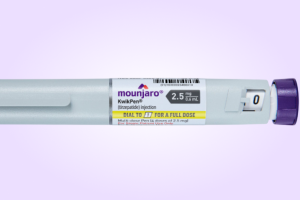
Mounjaro
- ✔ ~22.5% average body weight loss
- ✔ Significant weight reduction
- ✔ Improves blood sugar levels
- ✔ Clinically proven weight loss
Wegovy
- ✔ ~16.9% average body weight loss
- ✔ Boosts metabolic & cardiovascular health
- ✔ Proven, long-established safety profile
- ✔ Weekly injection, easy to use
Key Insights: Weight Loss After 40 for Men
- Weight management after 40 can change due to muscle loss, lower activity, hormones, sleep, and lifestyle factors.
- Sustainable progress comes from balanced nutrition, strength training, regular movement, and healthy routines.
- Protein, fibre, and resistance exercise can help support muscle maintenance and better body composition.
- Improving sleep, stress management, and daily habits can make long-term weight loss easier to maintain.
- Successful weight loss focuses on consistency and realistic changes rather than quick fixes.
- Professional support may help men who need a personalised approach to overcome weight-loss challenges.
Why Weight Loss Becomes More Challenging for Men Over 40
Many men notice that losing weight becomes more difficult after the age of 40. This can happen because muscle mass naturally declines with age, while changes in hormone levels and lower activity levels may reduce the number of calories the body burns each day. As a result, weight loss for men over 40 often requires different strategies than those used earlier in life.
Lifestyle factors can also play a significant role. Busy work schedules, family commitments, poor sleep, and ongoing stress may affect eating habits, energy levels, and overall progress. While these challenges are common, they do not make success impossible. In fact, understanding the key factors behind healthy weight loss for men could be the first step towards results that are both realistic and long-lasting.
What Are the Most Effective Weight Loss Strategies for Men Over 40?
For many men, sustainable weight loss after 40 comes from consistent habits rather than restrictive diets. Focusing on muscle maintenance, balanced nutrition, regular physical activity, and recovery can support long-term results. The strategies below are designed to promote healthy weight loss for men while fitting into busy everyday lifestyles.
Prioritise Protein and Fibre
Protein diet becomes increasingly important after 40 because it helps preserve muscle mass during weight loss and may support appetite control. Including lean meats, fish, eggs, dairy products, beans, and lentils can be beneficial. Fibre-rich foods such as vegetables, fruit, whole grains, and pulses can also help you feel fuller for longer while supporting digestive health.
Focus on Strength Training
Strength training helps maintain muscle mass, which naturally declines with age and can affect how many calories the body uses each day. Including resistance exercises two to three times per week may support body composition and metabolic health. A balanced weight loss plan for men should combine strength training with regular movement and cardiovascular exercise.
Increase Daily Movement
Structured workouts are valuable, but everyday movement also plays an important role in managing weight. Long periods of sitting can reduce overall energy expenditure, making weight management more challenging. Simple habits such as walking more, taking the stairs, standing regularly, and increasing daily step counts can contribute to sustainable long-term progress.
Improve Sleep and Manage Stress
Sleep quality and stress levels can influence hunger, energy, and food choices. Poor sleep may increase cravings and make healthy habits harder to maintain. Likewise, ongoing stress can affect eating behaviours. Prioritising rest and using healthy coping strategies such as walking, reading, or relaxation techniques may support overall wellbeing and weight management.
Reduce Liquid Calories
Drinks can sometimes contribute significant calories without providing lasting fullness. Sugary beverages, speciality coffees, and excessive alcohol intake may increase daily calorie consumption without people realising it. Choosing water or lower-calorie alternatives can support the best diet for weight loss, while helping reduce overall energy intake in a sustainable way.
Achieve Sustainable Weight Loss
-
 Balanced Nutrition Plan
 -
Clinically Proven Treatments
-
Expert Professional Guidance

Exercise Tips to Support Weight Loss After 40
For men over 40, exercise is most effective when it supports muscle maintenance, cardiovascular health, and long-term consistency. A combination of strength training, regular movement, and proper recovery can promote healthy weight loss for men. The key is building realistic routines that fit around everyday responsibilities and can be maintained over time.
Prioritise Resistance Training
Resistance training becomes increasingly important with age because it helps maintain and build muscle mass. As muscle naturally declines over time, preserving it can support metabolic health and improve body composition. Aim for two to three sessions each week using weights, resistance bands, or bodyweight exercises.
Include Higher-Intensity Cardio
Higher-intensity interval training (HIIT) can be an efficient way to increase calorie expenditure and improve cardiovascular fitness. Simple intervals, such as alternating brisk walking with slower-paced recovery periods, can be suitable for many people. However, exercise intensity should always match your fitness level and overall health.
Build Cardiovascular Fitness
Cardiovascular exercise can help improve heart health, endurance, and calorie expenditure. Activities such as brisk walking, cycling, swimming, or jogging can complement resistance training and support a balanced approach to weight loss for men over 40. Choosing activities you enjoy can make it easier to stay consistent over time.
Make Recovery Part of Your Routine
Recovery is often overlooked but plays an important role in long-term progress. Activities such as stretching, mobility work, yoga, and adequate rest can support muscle recovery, reduce stiffness, and help maintain exercise consistency. Giving the body time to recover can be just as important as the workouts themselves.
Lifestyle Factors That Can Make or Break Weight Loss After 40
Lifestyle factors can have a major impact on weight loss for men over 40. Even with a balanced diet and regular exercise, poor sleep, high stress levels, and inconsistent routines may make it harder to achieve results. Building sustainable habits often forms an important part of any successful weight loss plan for men.
Improve Sleep Quality
Quality sleep supports appetite regulation, recovery, energy levels, and overall wellbeing. Men who regularly get insufficient sleep may find it harder to manage cravings and maintain healthy habits.
Ways to improve sleep habits:
- Aim for a consistent bedtime and wake-up time
- Reduce screen use before bed
- Limit caffeine later in the day
- Create a comfortable sleeping environment
Reduce Stress-Related Eating
Stress can affect food choices and eating patterns, particularly during busy work or family periods. Many men find themselves reaching for convenience foods, larger portions, or evening snacks when stress levels increase.
Helpful stress-management strategies include:
- Regular physical activity
- Walking outdoors
- Mindfulness or relaxation exercises
- Structured meal times
- Taking regular breaks during the working day
Create Realistic Weekly Habits
Long-term success is often built on consistent routines rather than perfect days. Small, repeatable actions can support healthy weight loss for men and make healthy choices easier to maintain.
Examples of sustainable habits include:
- Preparing lunches and meals in advance
- Tracking progress weekly
- Scheduling workouts like appointments
- Planning healthier restaurant choices
- Keeping healthy snacks readily available
Remember that progress is not measured by the scales alone. Improvements in energy levels, fitness, strength, waist measurements, and confidence can all be positive signs that your weight loss for men journey is moving in the right direction.
When Should Men Over 40 Consider Professional Weight Loss Support?
Some men make consistent lifestyle changes but still find weight loss challenging. Factors such as health conditions, medications, hormonal changes, and long-term weight concerns can sometimes affect progress despite healthy habits.
Professional support can help identify potential barriers and create a personalised approach to weight loss for men over 40. This may include:
- Health and weight assessments
- Personalised nutrition and lifestyle guidance
- Ongoing clinical support
- Evidence-based treatment options where appropriate
At Mayfair Weight Loss Clinic, eligible patients may be considered for treatments such as Mounjaro as part of a wider weight management plan alongside diet, physical activity, and behavioural changes. For men who feel stuck despite following a weight loss plan for men, professional guidance may help provide a clearer path forward.
Conclusion: Sustainable Approach to Weight Loss for Men
Weight loss for men after 40 is not about following extreme diets or chasing rapid results. Instead, long-term success often comes from understanding how age-related changes can affect the body and making practical adjustments that support healthier habits. Small, consistent actions can lead to meaningful progress over time.
While weight loss for men over 40 may require a different approach than in earlier years, sustainable results remain achievable. Focusing on realistic goals, building routines that fit your lifestyle, and staying consistent can support long-term health, improved wellbeing, and lasting weight management success.
FAQs About Weight Loss for Men After 40
Why is weight loss harder for men after 40?
Muscle mass, hormones, lifestyle pressures, sleep quality, and reduced activity levels can all affect weight management as men get older.
How can men lose belly fat after 40?
A combination of calorie control, strength training, regular physical activity, and healthy lifestyle habits can help reduce overall body fat, including around the abdomen.
What is the best diet for weight loss for men?
The best diet for weight loss is typically one that provides balanced nutrition, supports a calorie deficit, and can be maintained long term.
How much exercise should men over 40 do?
Most adults benefit from regular aerobic activity combined with strength training at least two times per week.
How can men maintain muscle while losing weight?
Eating adequate protein and performing resistance training can help support muscle maintenance during weight loss.
What are the best weight loss tips for men?
Focus on consistent habits, balanced meals, regular exercise, sufficient sleep, and realistic goals rather than extreme dieting.
How to lose weight fast for men?
Although many men want quick results, gradual and sustainable weight loss is generally safer, healthier, and easier to maintain long term.
Can professional weight loss support help men over 40?
Yes. Professional support can provide personalised guidance, structured plans, and medical oversight when appropriate.
Mounjaro
- ✔ ~22.5% average body weight loss
- ✔ Significant weight reduction
- ✔ Improves blood sugar levels
- ✔ Clinically proven weight loss
Wegovy
- ✔ ~16.9% average body weight loss
- ✔ Boosts metabolic & cardiovascular health
- ✔ Proven, long-established safety profile
- ✔ Weekly injection, easy to use