
Still Hungry on Mounjaro for Weight Loss? What It Means and What to Expect
Find out why appetite may not disappear immediately and what it means for your progress while using Mounjaro.
Last updated Feb 19, 2026

 9 min read

Appetite changes with treatment often develop gradually rather than instantly. Patients using Mounjaro for weight loss may still experience hunger, especially during the early stages of treatment or when using lower initiation doses, such as 2.5 mg or 5 mg. This is a common and expected response and does not mean the medication has failed.
Hunger may also occur towards the end of the weekly dosing cycle or during the body’s adjustment to hormonal changes. Appetite suppression typically becomes more consistent as higher maintenance doses, such as 7.5 mg to 15 mg, are introduced. Clinician-led prescribing ensures that appetite, progress, and overall health are monitored safely throughout treatment.
Mounjaro
- ✔ ~22.5% average body weight loss
- ✔ Significant weight reduction
- ✔ Improves blood sugar levels
- ✔ Clinically proven weight loss
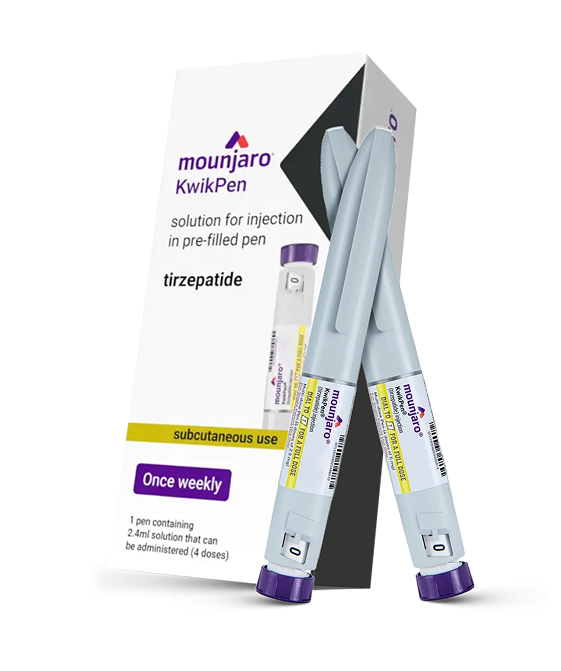
Key Facts About Hunger While Using Mounjaro
- Some patients remain still hungry on mounjaro during early treatment as the body adapts to hormonal changes.
- Appetite suppression develops gradually, especially during dose adjustment phases.
- Balanced nutrition, hydration, and mindful eating may help improve satiety.
- Emotional, behavioural, and lifestyle factors can influence hunger alongside treatment.
- Persistent appetite changes should be reviewed with a clinician to ensure safe and effective progress.
How Mounjaro Influences Appetite and Weight Loss
Mounjaro for weight loss works by activating hormones involved in appetite regulation and digestion. These signals help reduce hunger, increase fullness, and support controlled eating. The treatment slows stomach emptying. As a result, food remains in the digestive system longer, which promotes satiety and reduces frequent hunger signals.
However, appetite suppression develops gradually. Patients receiving a Mounjaro injection UK prescription often begin with a lower dose. This approach helps the body adjust safely while reducing potential side effects. Over time, these hormonal effects help regulate appetite more consistently. A patient using the weight loss injection Mounjaro reported that hunger persisted initially but improved significantly after dose stabilisation and dietary adjustments.
Common Reasons You May Still Feel Hungry
Many patients wonder, why am I still hungry on Mounjaro, especially when starting treatment. Several normal physiological and behavioural factors can explain this.
Your Current Dose May Not Be Optimal
Treatment begins with a lower dose to support safety and tolerability. Appetite suppression strengthens gradually as doses increase under clinician supervision. Patients receiving a weight loss shot Mounjaro may notice stronger appetite control after reaching a stable maintenance dose.
Your Body Is Still Adapting
Hormonal adjustment takes time. During early treatment, the body is learning to respond to appetite-regulating signals. Some patients remain feeling hungry on mounjaro temporarily while these changes develop. This does not necessarily mean treatment is ineffective.
Nutritional Choices Affect Satiety
Food quality significantly influences fullness. Meals rich in protein and fibre help maintain satiety longer. In contrast, highly processed foods may increase hunger despite treatment. Patients using Mounjaro for weight loss often benefit from balanced meals that support metabolic stability.
Emotional or Habitual Hunger
Not all hunger is physical. Emotional triggers such as stress, boredom, or routine eating patterns can create hunger sensations. A patient who remained still hungry on tirzepatide noticed improved appetite control after identifying emotional eating triggers and adjusting daily routines.
Find Out If Mounjaro Is Right for Your Body
-
 Clinician-led assessment of your symptoms and energy levels
 -
Personalised dosing and nutritional guidance
-
Ongoing medical monitoring during treatment

Hidden Factors Most People Overlook
Several overlooked physiological and lifestyle factors can influence appetite while using Mounjaro. Sleep quality plays an important role, as poor sleep affects hormones that regulate hunger and fullness. Hydration is equally important because mild dehydration can sometimes be mistaken for hunger. Metabolic adaptation during weight loss may also temporarily affect appetite signals as the body adjusts to changes in energy balance.
In addition, underlying health conditions, medications, and individual metabolic differences may influence appetite response during treatment. This is why clinician supervision is essential when patients buy Mounjaro online through regulated UK services. Understanding safe treatment pathways and eligibility requirements helps ensure appetite changes are assessed appropriately, as explained in this eligibility guide.
How to Manage Hunger Effectively While Using Mounjaro
Experiencing appetite changes during Mounjaro for weight loss is normal, especially while your body adjusts to treatment. Alongside clinician supervision, simple lifestyle and nutrition strategies may help improve satiety and support appetite regulation. These adjustments work with the treatment’s hormonal effects and help your body adapt more comfortably.
Choose Foods That Help You Feel Full Longer
Food composition plays a major role in appetite control. Certain nutrients help slow digestion and maintain stable energy levels, which may reduce frequent hunger.
Focus on including:
- Lean protein sources, such as chicken, fish, eggs, Greek yoghurt, and legumes, which help maintain fullness
- Healthy fats, including nuts, seeds, olive oil, and avocado, which support sustained energy release
- High-fibre foods, such as vegetables, whole grains, and beans, which slow digestion and improve satiety
- Balanced meals, combining protein, fibre, and healthy fats to stabilise appetite throughout the day
Patients receiving a regulated Mounjaro online prescription often receive personalised nutritional guidance to support safe and effective appetite management.
Adopt Smart Eating Habits
How you eat is just as important as what you eat. Mindful eating habits may help your body recognise fullness signals more effectively.
Helpful strategies include:
- Eating slowly to allow natural satiety hormones to activate
- Paying attention to hunger and fullness cues rather than eating automatically
- Avoiding distractions during meals, such as screens or multitasking
- Maintaining consistent meal timing to support metabolic stability
These habits may help reduce emotional or habitual eating patterns and improve overall appetite control.
Support Your Body Through Lifestyle Adjustments
Lifestyle factors strongly influence appetite regulation, hormone balance, and metabolic function. Supporting your overall health may enhance treatment effectiveness.
Consider the following:
- Regular physical activity, such as walking or light exercise, to support metabolic health
- Adequate sleep, which helps regulate appetite hormones and energy balance
- Stress management techniques, including relaxation, breathing exercises, or mindfulness
- Proper hydration, as dehydration can sometimes mimic hunger signals
These supportive strategies complement treatment provided through clinician-led programmes such as Mayfair Weight Loss Clinic. Where personalised medical guidance ensures safe and effective appetite management throughout your weight loss journey.
How to Tell If Mounjaro Is Working Despite Hunger
Feeling hungry does not necessarily mean Mounjaro for weight loss is ineffective. Appetite suppression develops gradually, and progress is better measured through overall trends rather than daily hunger.
Signs the treatment is working include:
- Gradual weight reduction over time
- Changes in body measurements
- Improved portion control and reduced cravings
- Stable energy and eating patterns
A patient using Mounjaro for weight loss noticed early hunger, but steady weight reduction confirmed that the treatment was working. Clinician-led monitoring helps ensure appetite changes, weight progress, and overall health are reviewed safely throughout treatment. You can explore available Mounjaro and other clinically supervised options through structured treatment pathways.
When to Consider Professional Guidance During Mounjaro Treatment
Appetite changes are common during treatment, but ongoing clinician support helps ensure safe and effective progress. A medical review may be helpful if hunger persists or raises concern.
Speak with a clinician if you notice:
- Continued hunger despite dose adjustments
- Slower-than-expected weight progress
- Side effects affecting appetite or well-being
- Uncertainty about your treatment response
Patients should avoid attempting to buy Mounjaro online without proper medical supervision, as clinician-led care ensures safe prescribing and appropriate monitoring. You can explore medically supervised treatment options and personalised care through Mayfair Weight Loss Clinic, where healthcare professionals guide each stage of treatment safely.
Final Thoughts: Setting Realistic Expectations
Mounjaro for weight loss supports appetite regulation, but individual responses vary. Appetite suppression develops gradually and may require dose stabilisation and lifestyle adjustments. Feeling hungry during treatment does not automatically indicate failure.
Clinician supervision helps ensure treatment remains safe and effective. With personalised medical care, balanced nutrition, and appropriate monitoring, most patients experience meaningful appetite regulation and sustainable weight management progress.
FAQs on Hunger and Appetite While Using Mounjaro
Why am I still hungry on mounjaro?
Hunger can persist during the early stages of treatment, particularly while you are on lower initiation doses. Mounjaro for weight loss works gradually, and appetite suppression often strengthens as your dose increases under medical supervision.
Is it normal to be hungry on mounjaro initially?
Yes, this is common. Treatment usually begins with a lower dose to help your body adjust safely, and appetite control develops progressively over time. Individual responses vary, which is why clinician monitoring is important.
Does mounjaro injection uk stop hunger completely?
The Mounjaro injection UK treatment helps regulate appetite and reduce food intake, but it does not always remove hunger entirely. Its role is to support better appetite control alongside structured lifestyle guidance.
How long before appetite reduces fully?
Many patients notice more consistent appetite suppression after dose stabilisation. Because doses are increased gradually, changes may become more noticeable over several weeks rather than immediately.
Does emotional hunger affect treatment?
Yes. Mounjaro helps regulate physical hunger signals, but emotional or habitual eating patterns can still influence appetite. Clinician-led support often includes advice on recognising behavioural triggers.
Can diet improve mounjaro effectiveness?
Balanced meals rich in protein and fibre may help enhance satiety and support steady weight reduction. Nutritional guidance is often part of a supervised Mounjaro for weight loss programme to maximise results safely.
Should I increase dose if still hungry on mounjaro?
Dose adjustments should only be made by a clinician. Treatment follows a structured titration plan to ensure safety, effectiveness, and tolerability at each stage.
Is Mounjaro effective even if hunger continues?
Yes. Weight reduction can still occur even if appetite suppression develops gradually. Progress is best assessed through weight trends, measurements, and overall metabolic improvements rather than hunger alone.
Mounjaro
- ✔ ~22.5% average body weight loss
- ✔ Significant weight reduction
- ✔ Improves blood sugar levels
- ✔ Clinically proven weight loss
Wegovy
- ✔ ~16.9% average body weight loss
- ✔ Boosts metabolic & cardiovascular health
- ✔ Proven, long-established safety profile
- ✔ Weekly injection, easy to use