Should You Fast While Using Mounjaro for Weight Loss? Key Considerations
Get to know the potential challenges and safe practices when fasting while using the Mounjaro pen for weight loss.
Last updated Mar 19, 2026

 10 min read

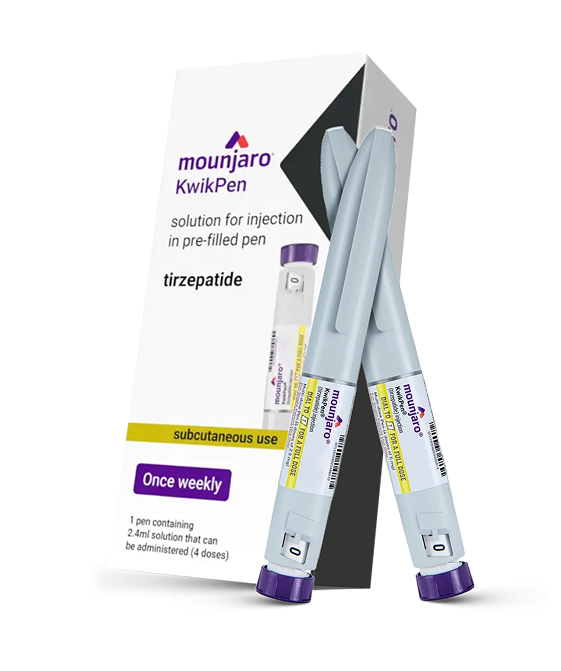
Combining fasting with Mounjaro (tirzepatide) requires careful consideration and medical guidance. While many are drawn to intermittent fasting or religious fasting practices like Ramadan, incorporating these habits during Mounjaro treatment can lead to health complications without proper supervision.
As Mounjaro for weight loss aids in appetite suppression and blood sugar regulation, understanding how fasting affects these processes is crucial for safe and effective weight loss. This guide will break down the risks and provide evidence-based recommendations for fasting while using Mounjaro.
Mounjaro
- ✔ ~22.5% average body weight loss
- ✔ Significant weight reduction
- ✔ Improves blood sugar levels
- ✔ Clinically proven weight loss
Essential Insights: Fasting on Mounjaro
- Fasting may be safe for some, but it requires careful monitoring and consultation with your healthcare provider.
- Potential risks include dehydration, fatigue, nutrient deficiencies, and muscle loss.
- Individuals with specific medical conditions, such as diabetes or severe metabolic issues, may need to reconsider fasting.
Always consult a clinician before fasting on Mounjaro for personalised advice and adjustments.
What Happens to Your Body When Fasting on Mounjaro?
Fasting on Mounjaro (tirzepatide) can affect your body due to its impact on appetite regulation and metabolism. These physiological changes may lead to discomfort or health issues if not managed properly. Here’s a closer look at how fasting on Mounjaro for weight loss can impact your body.
Appetite Suppression Becomes Stronger
Mounjaro works by mimicking the GLP-1 hormone to suppress appetite, which can become more pronounced during fasting. This means you may feel fuller faster, making it difficult to maintain regular eating habits. This effect can vary depending on your individual response to the medication.
Risk of Fatigue and Low Energy
Mounjaro and fasting combined suppresses appetite that can lead to low energy levels. As your body adjusts to both reduced food intake and the medication, you may experience fatigue, which is not uncommon when fasting during treatment. Ensuring proper rest and monitoring energy levels is key.
Increased Dehydration Risk
Both Mounjaro for weight loss and fasting can contribute to dehydration. If you’re fasting, especially during Ramadan or intermittent fasting, you may not consume enough fluids, exacerbating dehydration and increasing the risk of muscle cramps, fatigue, and discomfort.
Blood Sugar Changes
Mounjaro helps regulate blood sugar, but fasting can cause fluctuations in glucose levels, leading to low blood sugar (hypoglycemia). This is particularly a concern for patients using Mounjaro for weight loss alongside insulin or other diabetic medications, as low blood sugar may cause dizziness, weakness, or fainting.
Fasting vs Intermittent Fasting: Does It Make a Difference?
Intermittent fasting involves eating within specific time windows, typically ranging from 12 to 16 hours of fasting each day. Religious fasting during Ramadan, however, involves prolonged daily fasting from dawn to sunset.
- Hydration: During intermittent fasting, hydration is usually better controlled with designated drinking periods. However, in Ramadan fasting, long hours without hydration can exacerbate dehydration and related symptoms while using Mounjaro.
- Duration: Shorter fasting periods (intermittent fasting) may be less challenging on Mounjaro treatment than prolonged fasts (like Ramadan fasting), which can lead to more severe dehydration and nutrient deficiencies if not managed properly.
Find Out If Mounjaro is Clinically Suitable
-
 Clinician-led medical assessment
 -
Personalised dosing and nutrition support
-
Ongoing clinical monitoring throughout treatment

Is It Safe to Take Mounjaro While Fasting?
Yes, Mounjaro for weight loss can be taken while fasting, including during Ramadan, with proper planning and guidance from a healthcare provider. However, there are several key considerations to keep in mind to ensure safety and effectiveness during fasting periods.
Timing of Injection
The timing of your Mounjaro injection plays a crucial role in managing its effects while fasting. It may be beneficial to adjust the timing to align with your eating window, ensuring that you’re well-hydrated and have had some food intake before administering the medication. Discussing injection timing with your healthcare provider can help optimise both fasting and treatment.
Food Intake Window
The window during which you consume food is also important when fasting on Mounjaro. Fasting can suppress appetite, but it’s essential to consume balanced meals within your eating window to maintain energy levels and nutrient intake. A structured approach to meal timing can help avoid nutritional deficiencies or dehydration while still benefiting from Mounjaro’s appetite control.
When It May Not Be Safe
In some cases, fasting while using Mounjaro for weight loss may not be advisable, particularly for individuals with underlying health conditions such as diabetes, metabolic disorders, or those at risk of dehydration. If you experience significant fatigue, dizziness, or trouble maintaining your usual diet and hydration levels, it’s important to consult your healthcare provider to assess whether fasting is appropriate during your treatment.
Who Should Avoid Fasting on Mounjaro?
Certain individuals should exercise caution or avoid fasting entirely while on Mounjaro for weight loss, including:
- Patients with diabetes: Those using insulin or other diabetic medications should be especially cautious, as fasting can cause dangerous blood sugar fluctuations.
- Individuals with nutrient deficiencies: If you already have nutrient deficiencies, fasting may worsen these and lead to more severe health complications.
Patients with a history of muscle-related issues: If you are prone to muscle pain or cramps, fasting can exacerbate these issues.
How to Fast Safely While Taking Mounjaro
Fasting on Mounjaro for weight loss requires careful management due to its effects on appetite and digestion. The medication can suppress appetite and slow gastric emptying, which can lead to dehydration and low blood sugar, especially during fasting periods. To ensure a safe fasting experience, it’s essential to stay hydrated, consume balanced meals, and monitor for any potential side effects. Always consult your healthcare provider before starting any fasting regimen to discuss timing, meal plans, and potential adjustments to your Mounjaro dosage.
Key Tips for Safe Fasting on Mounjaro:
- Hydration is Critical: Mounjaro can suppress thirst, increasing the risk of dehydration. Aim for 2-3 liters of fluid per day, particularly during non-fasting hours. Electrolyte drinks can help replenish lost minerals.
- Prioritize Nutrient-Dense Meals: Focus on a balanced diet that comprises lean proteins, complex carbs, healthy fats, and fiber to provide sustained energy and prevent blood sugar spikes.
- Gentle Fasting Methods: A 12-hour overnight fast is generally the safest option while on Mounjaro.
- Adjust Meal Timing: Spread meals out during the allowed eating window to ensure adequate nutrition without overloading your digestive system.
- Avoid Triggers: Steer clear of greasy, fatty, spicy, or sugary foods that can worsen nausea or digestive issues.
- Monitor for Side Effects: Be aware of signs of dehydration or low blood sugar, such as dizziness, fatigue, confusion, or dark urine.
By following these tips, you can help manage the effects of Mounjaro while fasting and maintain a balanced approach to your weight loss journey.
What Should You Eat While Fasting on Mounjaro?
Here are some key dietary strategies to follow while fasting:
- High-Protein Foods: Incorporate high-protein foods like chicken, fish, eggs, and Greek yogurt to support muscle maintenance and prevent muscle loss.
- Complex Carbs: Foods like whole grains, oats, brown rice, and sweet potatoes help provide long-lasting energy without causing spikes in blood sugar.
- Healthy Fats: Incorporate healthy fats, such as avocados, olive oil, and nuts, which help keep you feeling full and support overall energy levels during fasting.
- Foods to Avoid: Avoid sugary foods, processed snacks, and fried foods, which can lead to energy crashes and disrupt your metabolism, especially during fasting periods.
When Should You Seek Medical Advice
If you experience persistent fatigue, dizziness, or fainting while fasting on Mounjaro, it’s important to consult your healthcare provider. Ongoing tiredness, especially if it affects your daily activities, could be a sign of dehydration, nutrient deficiencies, or low blood sugar. Similarly, dizziness or fainting may indicate dehydration or a significant drop in blood sugar, requiring immediate medical attention.
Difficulty maintaining proper nutrition during fasting could also lead to complications, so discussing your meal plan with a doctor ensures you’re meeting your nutritional needs. If you find fasting to be unsafe or difficult to manage, your doctor may recommend adjusting your Mounjaro dosage or temporarily stopping fasting to safeguard your health.
Final Thoughts: Should You Fast While on Mounjaro?
Fasting while on Mounjaro for weight loss is possible, but it may not always be ideal for everyone. Whether fasting is suitable depends on your individual health status, weight loss goals, and how your body responds to the medication. A safe and medically guided approach is essential to ensure you manage potential side effects like dehydration, fatigue, and nutrient deficiencies.
At Mayfair Weight Loss Clinic, we offer expert guidance tailored to your unique needs. Always consult your healthcare provider before starting any fasting regimen to ensure that it aligns with your treatment plan and promotes overall health and safety.
FAQs About Fasting on Mounjaro
Can you fast on Mounjaro?
Yes, fasting on Mounjaro can be safe for some patients, but it requires careful monitoring and professional guidance to manage hydration, blood sugar, and nutrient intake.
Should I take Mounjaro on an empty stomach?
It is generally safe to take Mounjaro as directed, but you should follow your healthcare provider’s advice, especially if you’re fasting or have concerns about appetite suppression.
How long should I wait after starting Mounjaro before fasting?
It’s advisable to wait until your weight stabilises before fasting, to avoid unnecessary complications with hydration and energy levels.
How can I manage fasting while on Mounjaro?
Ensure you stay hydrated, eat nutrient-dense meals, and monitor your blood sugar levels. Speak with a healthcare provider to adjust your treatment plan accordingly.
Can Mounjaro affect my ability to fast?
Yes, Mounjaro can impact fasting by suppressing appetite and affecting hydration. It’s important to monitor your body’s response, stay hydrated, and follow a structured eating plan during fasting periods.
Is it safe to combine Mounjaro with intermittent fasting?
Intermittent fasting can be safe for some individuals on Mounjaro, but it’s important to consult with your healthcare provider to ensure it aligns with your treatment plan and nutritional needs.
Can I fast during Ramadan while taking Mounjaro?
Yes, fasting during Ramadan is possible with Mounjaro, but it’s important to plan meals carefully, stay hydrated, and consult your doctor to adjust your medication if needed to prevent side effects.
What should I eat while fasting on Mounjaro?
While fasting on Mounjaro, focus on balanced meals with lean proteins, complex carbs, and healthy fats to maintain energy levels and prevent nutrient deficiencies.
Mounjaro
- ✔ ~22.5% average body weight loss
- ✔ Significant weight reduction
- ✔ Improves blood sugar levels
- ✔ Clinically proven weight loss
Wegovy
- ✔ ~16.9% average body weight loss
- ✔ Boosts metabolic & cardiovascular health
- ✔ Proven, long-established safety profile
- ✔ Weekly injection, easy to use