Red Meat Consumption on Mounjaro: Practical Advice for UK Patients
Mounjaro slows digestion and appetite, but most people can still include red meat in their diet safely with mindful portioning and meal planning.
Last updated May 20, 2026
 10 min read

For UK patients on Mounjaro, enjoying red meat can be simple with the right approach. The medication slows digestion and reduces appetite, which can make heavy or fatty meals harder to tolerate. Choosing lean cuts, managing portion sizes, and using gentle cooking methods helps you get protein while staying comfortable.
Red meat is not prohibited while taking Mounjaro, but tolerance varies among individuals. Lean options like sirloin or tenderloin, eaten in smaller portions, are usually easier to digest and can prevent bloating, nausea, or reflux. Applying thoughtful strategies to include red meat during Mounjaro treatment allows you to maintain balanced nutrition and enjoy meals without discomfort.
Mounjaro
Key Insights: Eating Red Meat on Mounjaro
- Red meat is not prohibited while taking Mounjaro.
- Lean cuts are generally easier to digest and tolerate.
- Large or fatty meals may worsen bloating and nausea.
- Portion size and cooking method play a key role in comfort.
- Eating slowly and staying hydrated can improve tolerance.
- Alternative proteins can help if digestive symptoms persist.
Can You Eat Red Meat While Taking Mounjaro?
Yes, UK patients can include red meat during Mounjaro treatment, as there are no medical restrictions against it. However, Mounjaro slows gastric emptying, which may make heavier or fattier meals feel harder to digest. Studies suggest gastric emptying can be delayed by up to 30–40%, meaning large portions of high-fat meat may trigger bloating, reflux, or nausea more quickly than usual.
A patient-focused insight: some people notice that eating red meat immediately after a high-fibre meal intensifies fullness, a subtle interaction many overlook. To minimise discomfort, choose lean cuts like sirloin, tenderloin, or extra-lean ground beef, keep portions small (around 55g–85g per meal), and eat slowly to give digestion time to adapt. Tracking which cuts, portion sizes, and meal pairings work best can make enjoying red meat during Mounjaro treatment easier, safer, and more satisfying.
Why Red Meat May Feel Harder to Digest on Mounjaro
Red meat can feel heavy or uncomfortable on Mounjaro because the medication slows down how quickly your stomach empties. Combined with the naturally dense and fatty nature of red meat, this can cause bloating, nausea, gas, or reflux, even after a normal-sized meal.
Mounjaro Slows Digestion
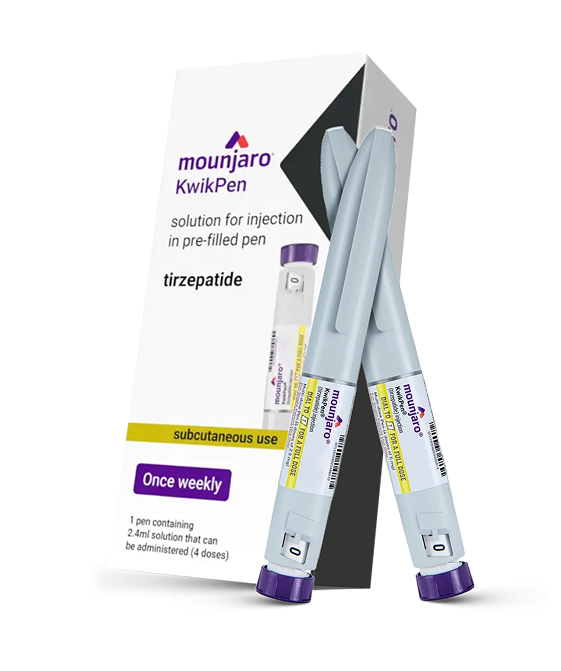
Mounjaro (tirzepatide) works by delaying gastric emptying. This means food stays in your stomach longer, which helps control appetite but can make dense foods like red meat feel heavier. Research shows high-fat meals can increase stomach retention by up to 50%, explaining why fatty cuts of beef, lamb, or pork often feel harder to digest.
Large Portions of Red Meat Increase Fullness
Red meat is naturally high in protein and fat, both of which slow digestion. When combined with Mounjaro, this can cause prolonged fullness and heaviness. Large portions amplify this effect, sometimes triggering nausea or discomfort that can last for hours.
Common Digestive Symptoms
Patients may notice a mix of:
- Bloating: Stomach feels tight or distended
- Nausea: Mild queasiness, often post-meal
- Stomach heaviness: Slow digestion sensation
- Gas: trapped Air or fermentation from prolonged gut transit
- Acid reflux: Stomach contents moving back up
Practical Takeaways for Patients
Most people don’t realise that meal timing, portion size, and fat content directly influence comfort on Mounjaro. Small adjustments: choosing leaner cuts, limiting sauces, or spacing red meat away from bedtime can reduce symptoms. Tracking which meals trigger discomfort helps patients personalise their diet while staying on track with weight‑loss goals. Learn more about how long common Mounjaro side effects last and what to expect on your journey.
Hidden Triggers to Watch
Some patients notice digestive discomfort only when combining red meat with certain high-fat sauces, large dinners, or post-exercise meals. Recognising these patterns can prevent unwanted bloating and nausea, making Mounjaro easier to tolerate in day-to-day life. This approach connects the drug’s mechanism with real-life diet patterns, giving patients actionable insights beyond just symptom lists.
Find Out If Mounjaro is Clinically Suitable
Start Your Free Consultation Now
 Clinician-led medical assessment
Personalised dosing and nutrition support
Ongoing clinical monitoring throughout treatment
Clinician-led medical assessment
Personalised dosing and nutrition support
Ongoing clinical monitoring throughout treatment 
Best Types of Red Meat to Eat While on Mounjaro
When managing your diet on Mounjaro, choosing the right red meat is key to minimising digestive discomfort. Not all cuts digest the same way, so knowing which options are easier to tolerate can make a noticeable difference.
Lean vs Fatty Cuts
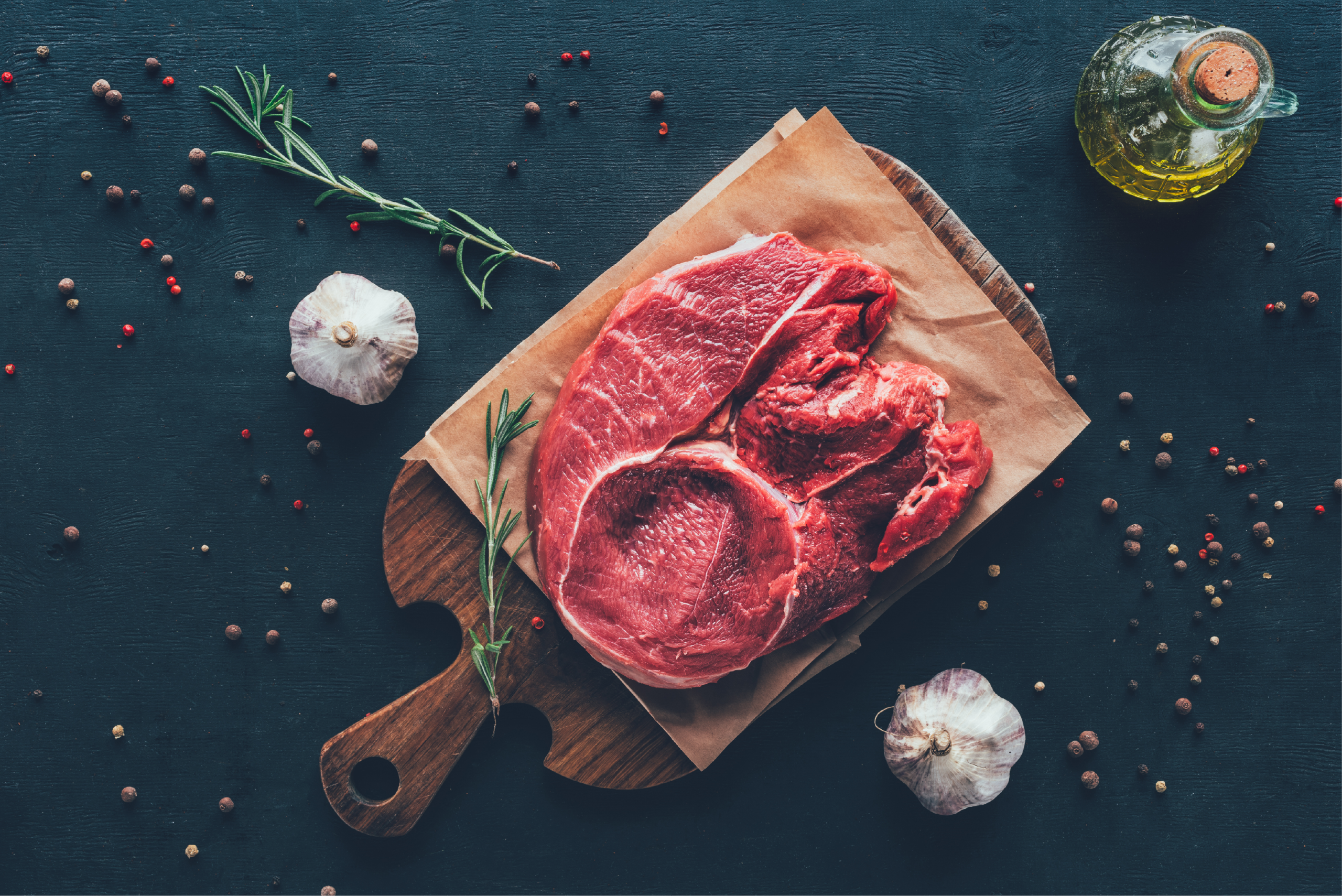
Choose lean cuts instead of fatty cuts whenever possible. Lean red meat digests more easily, helping reduce bloating, nausea, and stomach heaviness. Opting for cuts like sirloin or tenderloin supports better comfort on Mounjaro and allows you to enjoy meals without triggering digestive discomfort.
Easier-to-Tolerate Options
Some of the best red meats to enjoy on Mounjaro include:
- Sirloin: Tender, lower in fat, easy on digestion
- Tenderloin: Very lean, minimal fat content
- Lean ground beef: Versatile and easier to digest than higher-fat ground options
Red Meats That May Trigger More Discomfort
Certain red meats may worsen digestive symptoms:
- Processed meats: Sausages, bacon, or cured meats
- Fried meats: Deep-fried cuts increase fat content and heaviness
- High-fat cuts: Ribeye, T-bone, or other fatty steaks
Portion Size Recommendations
Keep red meat portions moderate, around 3–4 ounces cooked per meal, for easier digestion on Mounjaro. Large servings can increase bloating, gas, and acid reflux, making meals uncomfortable. Eating smaller, balanced portions helps manage digestive symptoms while still enjoying lean red meat as part of a healthy diet.
Why Preparation Method Matters
How you cook your red meat affects digestion. Grilling, baking, or steaming is preferable to frying. Avoid heavy sauces and opt for herbs or light seasoning to reduce added fat. By focusing on lean cuts, proper portioning, and gentle preparation, patients can enjoy red meat on Mounjaro while minimising digestive discomfort. This guidance goes beyond simply naming lean cuts, offering practical decision-making strategies for real-life meal planning.
Signs Your Body May Not Tolerate Red Meat Well on Mounjaro
Paying attention to how your body reacts to red meat on Mounjaro can help prevent digestive discomfort and guide healthier meal choices.
Common Signs of Poor Tolerance
- Persistent bloating after meals: Stomach feels tight or swollen long after eating
- Feeling overly full for hours: Prolonged heaviness can indicate slowed digestion
- Increased nausea: Queasiness triggered specifically after red meat
- Sulfur burps or reflux: Unpleasant gas or acid movement back into the throat
- Appetite reduction after eating meat: Feeling uncomfortably full, making it hard to eat other nutritious foods
When to Adjust Your Diet
If these symptoms occur consistently, it may be time to reduce portion size or switch protein sources. Opting for leaner cuts, smaller servings, or alternative proteins like poultry, fish, or plant-based options can ease digestion while keeping meals satisfying. By recognising these signs, patients gain practical guidance that matches real-world experiences, improving adherence to Mounjaro and overall digestive comfort.
Smart Ways to Eat Red Meat Without Worsening Mounjaro Side Effects
Managing red meat while on Mounjaro doesn’t mean giving up protein. With the right strategies, you can enjoy meat without worsening side effects:
- Eat smaller portions and chew slowly.
- Pair meat with fibre-rich foods for easier digestion.
- Avoid greasy or fried cooking methods.
- Stay hydrated and space meals appropriately.
- Track symptoms in a food journal.
- Use alternative protein sources if symptoms persist, such as chicken, fish, eggs, Greek yoghurt, or tofu.
These strategies provide practical Mounjaro tips and tricks to maintain protein intake without worsening side effects.
Simple Red Meat Meal Ideas
- Energising Breakfasts: Eggs with lightly cooked vegetables or a small portion of lean bacon can provide protein while staying gentle on digestion and pair well with ideas from Mounjaro breakfast tips for balanced morning fuel.
- Protein-Packed Lunches: Lean beef stir-fry with vegetables or a sirloin salad delivers essential nutrients without overwhelming the stomach.
- Balanced Dinners: Grilled tenderloin with steamed greens and quinoa ensures lean protein, fibre, and minerals while supporting muscle retention and energy.
- Snacks and Quick Fixes: Hard-boiled eggs, Greek yoghurt, or small portions of lean cured meats provide protein between meals without triggering fullness.
Conclusion: Enjoying Red Meat Safely on Mounjaro
Most people can still include red meat while taking Mounjaro, but digestion and tolerance may shift. Focusing on moderation, choosing leaner cuts, controlling portion sizes, and listening to your body’s signals can help reduce discomfort. With mindful adjustments, you can maintain adequate protein intake without worsening Mounjaro side effects.
Keep a simple food journal to track which meats and meal sizes feel easiest to digest. For personalised guidance on managing diet while on Mounjaro, consult the experts at Mayfair Weight Loss Clinic for safe advice and ongoing support.
FAQs About Red Meat on Mounjaro
What meats are considered lean?
Lean meats include sirloin, tenderloin, and lean ground beef. These cuts digest more easily and are less likely to trigger bloating, nausea, or fullness because they contain less fat and are easier on the stomach.
Can you eat steak on Mounjaro?
Yes, but choose lean cuts in moderate portions. Pairing steak with vegetables or fibre-rich sides helps reduce heaviness and supports digestion while allowing you to maintain protein intake.
Is it okay to eat red meat on Mounjaro?
Yes, red meat is allowed in moderation. Focusing on portion control and lean cuts ensures you get essential protein without worsening Monjaro-related digestive symptoms.
What is the 3-3-3 rule for losing weight?
The 3-3-3 rule involves three balanced meals, three protein-focused snacks, and waiting three hours between meals. This pattern helps manage appetite, supports digestion, and aligns with how Mounjaro prolongs fullness.
Can I eat a cheeseburger on Mounjaro?
Occasionally, yes, but high-fat or oversized burgers can worsen bloating or nausea. Opt for leaner options or smaller servings to keep meals comfortable while staying on track with protein goals.
What foods help Mounjaro work better?
Meals that are protein-rich, nutrient-dense, and served in smaller, frequent portions support appetite control, stable digestion, and the medication’s effect on feeling full between meals.
What are the best protein foods on a Mounjaro diet plan?
High-quality proteins include lean red meat, chicken, fish, eggs, Greek yoghurt, tofu, and tempeh. These options provide essential nutrients without overloading the stomach or slowing digestion.
Why does red meat cause bloating on Mounjaro?
Slower gastric emptying may make fatty or large portions of red meat feel heavy. Choosing lean cuts and moderating portion sizes helps minimise bloating, gas, and discomfort while maintaining protein intake.
Mounjaro
Wegovy