
Mounjaro and Breast Cancer: Safety, Evidence, and What You Need to Know
Discover what is known about Mounjaro and breast cancer, including safety, risks, and current evidence-based guidance.
Last updated Apr 02, 2026

 10 min read

Concerns about breast cancer are understandable when exploring new weight-loss treatments. Many patients in the UK are curious whether Mounjaro and breast cancer could be linked, particularly given its effects on metabolism and body weight. Current clinical evidence suggests no confirmed causal relationship, but understanding potential risks and monitoring requirements is essential for anyone considering this therapy.
While Mounjaro can support weight management and improve metabolic health, patients with a history of breast cancer should discuss their medical history with a healthcare professional before starting treatment. Awareness of possible side effects and regular check-ins can help ensure safety, but what the latest studies reveal about long-term effects may surprise many read on to find out more.
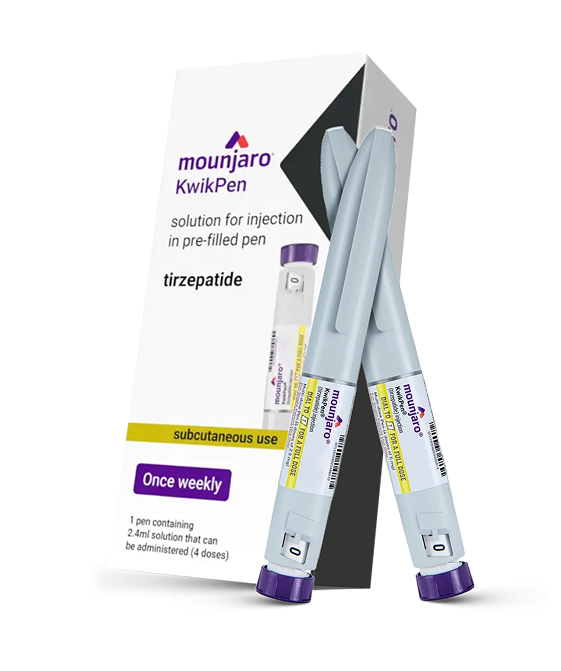
Mounjaro
- ✔ ~22.5% average body weight loss
- ✔ Significant weight reduction
- ✔ Improves blood sugar levels
- ✔ Clinically proven weight loss
Essential Insights for Patients
- Current evidence indicates no confirmed causal link exists between Mounjaro and breast cancer.
- Managing obesity may help lower breast cancer risk by improving hormonal balance and metabolic health.
- Patients should be aware of potential Mounjaro side effects cancer patients may experience.
- Always review medical history with your healthcare team before starting Mounjaro.
- Special attention is needed if combining Mounjaro and breastfeeding.
The Science Behind Mounjaro and Its Effects
Mounjaro (tirzepatide) is a dual GLP-1 and GIP receptor agonist, meaning it mimics natural gut hormones that regulate appetite, glucose levels, and insulin secretion. By improving insulin sensitivity and slowing gastric emptying, it helps patients feel fuller for longer while supporting stable blood sugar levels. This mechanism makes it effective not only for type 2 diabetes but also for weight management in some regions, helping patients achieve clinically meaningful weight loss.
Its metabolic effects are particularly relevant when considering Mounjaro and breast cancer, as obesity and insulin resistance are known factors in hormone-sensitive cancers. While Mounjaro does not directly treat or prevent breast cancer, improving body weight and metabolic health may contribute indirectly to lowering risk, making discussion with a clinician essential before starting therapy.
Achieve Sustainable Weight Loss
Start Your Free Consultation Now
 Clinically Proven Treatments
Balanced Nutrition Plan
Expert Professional Guidance
Clinically Proven Treatments
Balanced Nutrition Plan
Expert Professional Guidance 
Breast Cancer and Obesity: Understanding the Link
Excess weight is a recognised risk factor for breast cancer, largely driven by hormonal and metabolic changes, including:
- Increased oestrogen production from fat tissue, which can fuel hormone-sensitive cancers
- Higher insulin and insulin-like growth factor levels that may support tumour growth
- Chronic low-grade inflammation that can create a cancer-promoting environment
Because of this close link between weight, hormones, and overall metabolic health, weight management is increasingly part of breast cancer prevention and survivorship discussions. Treatments like Mounjaro may support:
- Sustainable weight loss
- Improved insulin sensitivity
- Better metabolic balance
However, ongoing monitoring and guidance from a healthcare professional remain essential, particularly for individuals with a personal or family history of breast cancer. Addressing obesity through safe, clinician-guided interventions is often part of broader risk-reduction strategies. Learn who is eligible for weight-loss injections in the UK.
Does Mounjaro Cause Breast Cancer? What Current Evidence Shows
Current clinical evidence indicates that Mounjaro (tirzepatide) is not associated with an increased risk of breast cancer in humans. Large clinical trials involving over 10,000 participants have not shown a higher incidence of breast cancer compared with placebo or other treatments. For patients exploring the link between Mounjaro and breast cancer, the available data is reassuring, although ongoing monitoring continues to assess long-term safety.
It is important to distinguish between early risk signals and proven risks. Findings from laboratory or animal studies may raise theoretical concerns, but these do not always translate into real-world effects in people. Many patients ask, can Mounjaro cause breast cancer and while this concern is understandable, current evidence does not support a causal relationship. However, continued research and regular clinical review remain essential for informed, safe use.
What Do Clinical Trials and Research Say About Cancer Risk?
Clinical trials evaluating Mounjaro (tirzepatide) have primarily focused on its effectiveness in managing type 2 diabetes and supporting weight loss, with safety outcomes closely monitored throughout. Across large studies involving thousands of participants, cancer-related findings have generally been neutral, with no clear increase in overall cancer incidence compared to placebo or standard treatments. However, these trials were not specifically designed to assess cancer risk, which means conclusions in this area remain limited.
Importantly, most available data reflects short- to medium-term use, and long-term cancer outcomes are still being studied. This does not indicate a known risk, but rather highlights the need for ongoing research and careful monitoring over time. Being transparent about these limitations helps patients make informed decisions, reinforcing that while current evidence is reassuring, continued follow-up and regular clinical reviews remain an essential part of safe treatment.
Can Mounjaro Affect Breast Cancer Growth or Prevention?
There is currently no clinical evidence to suggest that Mounjaro treats, prevents, or directly influences breast cancer growth. It is not a cancer therapy, and it should not be used as a substitute for standard oncology care. However, its role in improving metabolic health has led to ongoing interest in how it may indirectly relate to cancer risk factors.
Some theoretical benefits linked to weight loss and metabolic regulation include:
- Reduction in excess body fat, which may lower oestrogen levels
- Improved insulin sensitivity, potentially reducing growth signals linked to tumours
- Decreased chronic inflammation associated with obesity
Despite this, it is important to avoid misinterpretation of early research or media headlines. While metabolic improvements are beneficial for overall health, they do not mean Mounjaro prevents cancer. Clear, evidence-based understanding is essential to avoid false reassurance or unrealistic expectations.
Is Mounjaro Safe for Patients With a History of Breast Cancer?
For patients with a history of breast cancer, the decision to use Mounjaro should always be individualised. Current evidence does not indicate a direct risk, but careful assessment of personal medical history is essential before starting treatment.
Safe use typically involves:
- A personalised risk assessment considering cancer history and current health status
- Collaboration between your oncologist and prescribing clinician
- Reviewing medications, past treatments, and metabolic needs
Extra caution may be needed in certain situations, such as:
- Ongoing or recent cancer treatment
- Complex medical histories or multiple conditions
- Unexplained symptoms that require further investigation
This collaborative approach helps ensure that treatment decisions remain safe, appropriate, and tailored to each patient.
Key Safety Considerations and Monitoring While Using Mounjaro
Mounjaro is generally well tolerated, but monitoring remains important, particularly for patients with breast cancer concerns. Common side effects include:
- Nausea, vomiting, or gastrointestinal discomfort
- Reduced appetite and changes in eating patterns
- Occasional fatigue or mild dehydration
Patients should stay alert to any unusual or breast-related symptoms, such as:
- New lumps or changes in breast tissue
- Persistent pain, swelling, or skin changes
- Nipple discharge
Seek medical advice promptly if you notice new or unexplained breast symptoms, severe or ongoing side effects, or any rapid changes in your health. Regular check-ins with a healthcare professional, combined with self-awareness, support safe and confident use of Mounjaro.
Signs It’s Time to Seek Medical Advice
You should consult a doctor before starting or while using Mounjaro if you have a personal or family history of breast cancer, experience any unusual breast symptoms, or notice significant changes in your health. Other factors that warrant review include existing medical conditions, ongoing treatments, or concerns about side effects.
Decisions about Mounjaro should always be personalised, taking into account your medical history, lifestyle, and treatment goals. In the UK, discussions with your GP or specialist are essential to ensure safe use, proper monitoring, and informed choices tailored to your individual needs.
Conclusion: Balancing Benefits, Risks, and Uncertainty
Deciding whether to use Mounjaro involves weighing potential benefits in weight management and metabolic health against individual medical considerations. Current evidence does not indicate a link between Mounjaro and breast cancer, but ongoing monitoring and personalised care remain essential. Open discussions with your GP or specialist can help you make informed, evidence-based decisions with confidence.
At Mayfair Weight Loss Clinic, our clinician-led team can guide you through the process, review your medical history, and create a safe, personalised plan. Book a consultation today to explore whether Mounjaro is right for you and take the next step toward achieving your health goals.
FAQs About Mounjaro and Breast Cancer
Can Mounjaro cause cancer in general?
There is no evidence that Mounjaro causes cancer in people. It is a prescription‑only treatment used to support weight loss and improve metabolic health, and long-term monitoring remains good practice as part of safe use.
Are there Mounjaro side effects relevant to cancer patients?
The most commonly reported side effects relate to digestion, such as nausea, diarrhoea and indigestion. There are no confirmed breast cancer‑specific risks identified, though individuals with complex health histories should discuss side effects with their clinician.
Can I use Mounjaro while breastfeeding?
Mounjaro should be prescribed only after careful clinical assessment, and there is limited data on use during breastfeeding. Always discuss risks and benefits with your doctor before starting treatment.
Does weight loss from Mounjaro reduce breast cancer risk?
Achieving and maintaining a healthier weight can help improve hormonal balance and metabolic function, factors linked to breast cancer risk. While Mounjaro supports weight management, it should be combined with lifestyle changes as part of an overall health strategy.
How often should breast cancer patients on Mounjaro be monitored?
Regular clinical check-ups are advised to ensure safety and effectiveness, with your clinician tracking progress and adjusting care as needed. Self‑examinations and reporting any new symptoms promptly are also important.
Should I stop Mounjaro if I notice unusual breast changes?
If you notice any new or unexplained breast changes, seek medical review promptly rather than stopping treatment on your own. Your clinician can assess symptoms and advise the most appropriate next steps.
Can Mounjaro interact with cancer medications?
Mounjaro has not been shown to interfere with standard cancer treatments, but any prescription medication should be reviewed with your oncologist or GP to ensure safe combined use.
Is Mounjaro suitable for cancer survivors wanting to lose weight?
Many cancer survivors can benefit from medically supervised weight management with Mounjaro, but treatment should be personalised and closely monitored in collaboration with a clinician familiar with your cancer history.
Mounjaro
- ✔ ~22.5% average body weight loss
- ✔ Significant weight reduction
- ✔ Improves blood sugar levels
- ✔ Clinically proven weight loss
Wegovy
- ✔ ~16.9% average body weight loss
- ✔ Boosts metabolic & cardiovascular health
- ✔ Proven, long-established safety profile
- ✔ Weekly injection, easy to use