
Is Mounjaro Safe for Long-Term Use? What You Should Know
Understand the long-term safety of Mounjaro for weight loss and what it means for your ongoing health and treatment journey.
Last updated Mar 25, 2026

 10 min read

Weight loss that works in the short term often raises a bigger question: can it be sustained safely over time? As more patients turn to Mounjaro for weight loss, attention is shifting towards the long term effects of Mounjaro, especially how it impacts the body beyond the initial results. Understanding this is key before committing to ongoing treatment.
Current evidence points towards positive outcomes when used under proper clinical supervision, but long-term use is not just about effectiveness. It requires careful monitoring, realistic expectations, and a structured approach to health and what many patients don’t realise is where the real risks and considerations begin.
Mounjaro
- ✔ ~22.5% average body weight loss
- ✔ Significant weight reduction
- ✔ Improves blood sugar levels
- ✔ Clinically proven weight loss
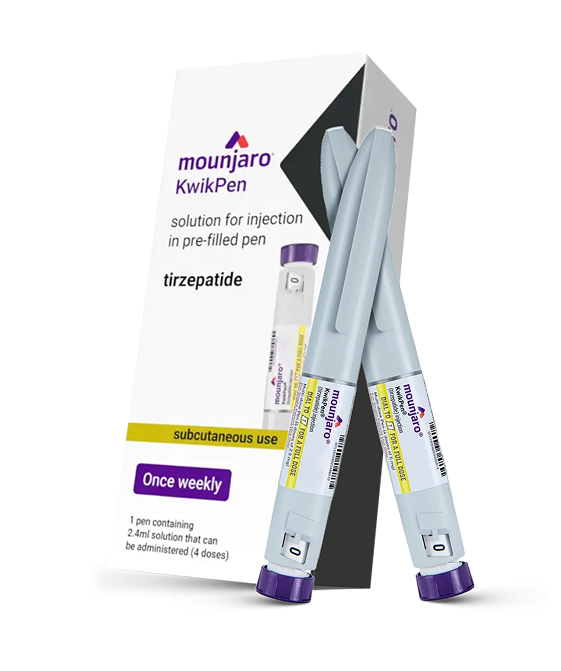
Key Insights on Long-Term Use of Mounjaro
- Mounjaro is generally safe when prescribed and monitored
- Most side effects are mild and temporary
- Long-term data is still evolving
- Ongoing medical supervision is essential
- Lifestyle changes remain key for lasting results
How Mounjaro Supports Weight Loss
Mounjaro (tirzepatide) supports weight loss by acting on two key hormone pathways—GLP-1 and GIP—which regulate appetite, digestion, and blood sugar. By reducing hunger, increasing fullness, and slowing gastric emptying, it helps patients maintain a consistent calorie deficit. When used alongside lifestyle changes, this can lead to significant and sustained weight loss.
Key Mechanisms of Action
- Dual hormone activation: Mounjaro for weight loss targets both GLP-1 and GIP receptors, improving insulin response while reducing appetite more effectively than single-pathway treatments.
- Increased satiety: It helps you feel full sooner and for longer, naturally reducing calorie intake without forced restriction.
- Slower digestion: Food moves more slowly through the stomach, which prolongs fullness and supports better portion control.
- Appetite regulation: Hunger signals are reduced, helping manage cravings and prevent overeating.
Weight Loss Outcomes
- Clinically significant results: Studies show notable weight reduction when used consistently alongside diet and activity changes.
- Sustained progress: Weight loss occurs gradually, supporting long-term adherence rather than rapid, unsustainable drops.
- Lifestyle integration: Best results are achieved when combined with structured nutrition and behavioural changes.
Important Considerations
- Weekly administration: Mounjaro for weight loss is taken as a once-weekly injection in areas such as the abdomen, thigh, or upper arm.
- Ongoing use matters: Weight regain may occur if treatment is stopped without maintaining lifestyle changes.
- Eligibility criteria: Typically prescribed for individuals with higher BMI or weight-related health conditions under clinical guidance.
Find Out If Mounjaro is Clinically Suitable
-
 Clinician-led medical assessment
 -
Personalised dosing and nutrition support
-
Ongoing clinical monitoring throughout treatment

Is Mounjaro Safe? What Current Evidence Shows
Mounjaro for weight loss is generally considered safe and effective for weight management when used under medical supervision. Large clinical trials, including the SURMOUNT programme, have shown strong results, with patients losing around 15% to 22% of their body weight over 72 weeks, depending on the dose.
Key Evidence on Safety
- Clinical trial outcomes: In major studies, participants on higher doses achieved up to 20.9% average weight loss, with some reaching over 22% reduction in body weight.
- Consistency of results: Across trials, most patients achieved at least 5–15% weight loss, showing reliable and sustained outcomes.
- Safety profile: The majority of side effects were gastrointestinal, such as nausea and diarrhoea, and were typically mild to moderate and improved over time.
Clinical Perspective
While current evidence supports the safety and effectiveness of Mounjaro for weight loss under medical supervision, long-term data beyond controlled study periods remains limited. This means ongoing clinical monitoring and personalised assessment are essential to ensure continued safety as treatment extends over time.
Benefits vs Risks of Long-Term Mounjaro Use
Understanding both benefits and risks is essential when considering long-term use of Mounjaro for weight loss. Clinical evidence shows consistent and meaningful weight reduction, improved appetite control, and better blood sugar regulation when used under supervision. These outcomes can support long-term metabolic health when combined with lifestyle changes.
However, like any medical treatment, there are considerations. Most side effects are mild and temporary, but rare risks such as pancreatitis or gallbladder issues require awareness. The key difference lies in structured use—when monitored properly, benefits often outweigh risks, but this balance must always be assessed on an individual basis.
Side Effects and Safety Risks of Mounjaro
Mounjaro for weight loss can cause side effects as it slows digestion and reduces appetite. These effects are usually mild, linked to how the medication works, and tend to improve as the body adjusts, especially during early treatment or dose increases.
Common side effects include:
- Nausea
- Vomiting
- Diarrhoea
- Reduced appetite
Less common but more serious risks should also be considered. While rare, they require prompt medical attention if symptoms occur.
Potential serious risks include:
- Pancreatitis
- Gallbladder problems
- Low blood sugar (with other medications)
- Kidney-related concerns
- Thyroid-related warnings
Understanding both types of effects supports safer, well-monitored use.
Can Mounjaro Be Used Long-Term Safely?
Mounjaro for weight loss is generally considered safe for long-term use when prescribed and monitored by a healthcare professional. Clinical trials, including the SURMOUNT and SURPASS programmes, have shown no major safety concerns over periods of up to 72 weeks, with most side effects being mild to moderate and improving over time. It is often used as part of a long-term strategy for managing weight and metabolic health.
Long-Term Safety & Considerations
- Safety profile: Evidence suggests a stable safety profile during extended use, with common side effects such as nausea, diarrhoea, or constipation typically settling as treatment continues.
- Sustained effectiveness: Weight loss can continue for over a year, with many patients maintaining results when treatment is combined with lifestyle changes.
- Weight regain risk: Stopping treatment may lead to increased appetite and weight regain, which is why long-term use is sometimes recommended.
- Potential risks: Rare but serious risks include pancreatitis, gallbladder issues, kidney concerns, and thyroid-related warnings, which require awareness.
- Ongoing monitoring: Regular clinical reviews help track progress, manage side effects, and ensure safe, personalised treatment over time.
While outcomes are promising, long-term data is still evolving… and understanding how these benefits and risks apply to your situation is where personalised clinical guidance becomes essential.
What Long-Term Use Can Look Like
In clinical practice, a patient using Mounjaro for weight loss over several months may experience gradual, steady weight reduction alongside improved appetite control. Early side effects such as nausea often settle as the body adjusts, especially with a guided dose escalation plan.
Over time, the focus shifts from weight loss alone to maintaining results. Patients who combine treatment with sustainable dietary habits and regular follow-ups tend to achieve more stable, long-term outcomes. This highlights that medication supports the process—but long-term success depends on how it is used.
Do You Need to Take Mounjaro Forever?
Mounjaro for weight loss is not always intended as a lifelong treatment, but stopping it without a plan can lead to weight regain. As appetite returns and calorie intake increases, some of the lost weight may come back. This is also influenced by metabolic adaptation, where the body slows energy use and increases hunger signals during and after weight loss.
Long-term success depends on what happens beyond the medication. Building sustainable habits such as balanced nutrition, regular physical activity, and ongoing clinical support plays a key role. Whether continuing treatment or transitioning off, a structured plan helps maintain results safely and effectively.
Who Should Avoid Mounjaro?
Mounjaro is not suitable for everyone, and certain health conditions may make its use inappropriate. Patients with a history of severe gastrointestinal disease, pancreatitis, or specific endocrine disorders may require alternative treatment approaches. A full clinical assessment is essential to identify any contraindications before starting.
It is also not recommended during pregnancy or breastfeeding, as safety data in these groups remains limited. Individuals considered higher risk, including those with complex conditions or those taking certain medications, should only use Mounjaro under close medical supervision with personalised guidance.
Eligibility can vary depending on your health profile and treatment goals. To understand whether this option is right for you, it is helpful to review the criteria for who is eligible for weight loss injections in the UK, where key requirements are explained in detail.
How to Use Mounjaro Safely
Safe use requires a structured, clinician-led approach.
Best practices include:
- Gradual dose escalation
- Monitoring side effects
- Maintaining hydration and nutrition
- Regular follow-ups
The team at Mayfair Weight Loss Clinic provides personalised support throughout treatment.
Final Verdict: Is Mounjaro Safe Long-Term?
Current evidence suggests that Mounjaro can be used safely over the long term when prescribed appropriately and monitored by a healthcare professional. Most side effects are mild and manageable, while serious risks remain rare but important to understand. As long-term data continues to evolve, a balanced approach to benefits and uncertainties remains essential.
Mounjaro is most suitable for individuals who meet clinical criteria and are committed to a structured weight management plan. The best outcomes are seen when treatment is guided by personalised, clinician-led care, combined with sustainable lifestyle changes that support long-term health and weight stability.
FAQs About Mounjaro Safety
Who is a suitable candidate for Mounjaro?
Mounjaro is typically prescribed for individuals with a higher BMI or those with weight-related health conditions who have not achieved results through lifestyle changes alone. Suitability is determined through a clinical assessment to ensure the treatment is safe, appropriate, and aligned with individual health needs.
How long can you take Mounjaro?
The duration of Mounjaro treatment varies depending on your weight loss goals and clinical response. Some patients use it during an active weight loss phase, while others continue into maintenance under supervision to help sustain results safely.
Can you stay on Mounjaro for life?
Long-term use may be appropriate for some individuals, particularly if it supports ongoing weight management and metabolic health. However, continued use requires regular clinical review to ensure benefits outweigh any potential risks over time.
What are Mounjaro long-term side effects?
The long term effects of mounjaro are still being studied, but current evidence suggests most side effects are mild and temporary. Long-term concerns mainly relate to rare risks, which are monitored closely during treatment.
Is Mounjaro safe compared to other treatments?
When used correctly, Mounjaro has a similar safety profile to other weight loss injections, with the added benefit of dual hormone action. This may enhance effectiveness while maintaining a manageable and well-understood risk profile under supervision.
What happens if I stop Mounjaro suddenly?
Stopping Mounjaro suddenly can lead to a return in appetite and gradual weight regain. This is why a structured transition plan, including lifestyle adjustments, is recommended to help maintain progress after treatment.
Can side effects last long-term?
Most side effects are temporary and tend to improve as your body adjusts to treatment. If symptoms persist or worsen, it is important to seek clinical advice to ensure safe continuation or adjustment of your plan.
Do I need monitoring while using Mounjaro?
Yes, regular monitoring is essential to ensure safe and effective use. Follow-ups allow clinicians to assess progress, adjust dosing if needed, and manage any side effects or concerns throughout your treatment journey.
Mounjaro
Wegovy