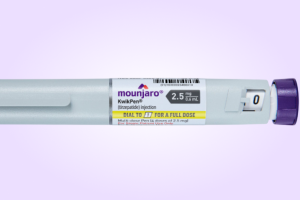
Is It Safe to Take Mounjaro With Multiple Sclerosis (MS)? Key Guidance Explained
Discover whether Mounjaro and multiple sclerosis may safely coexist alongside weight management, mobility, fatigue, and medication considerations.
Last updated May 15, 2026

 9 min read

Multiple sclerosis is a long-term neurological autoimmune condition that may affect movement, balance, muscle strength, energy levels, and daily function over time. Fatigue, reduced mobility, steroid treatment, and changing activity levels can also make weight management more difficult for some individuals living with MS.
Growing interest in Mounjaro and multiple sclerosis has therefore increased as more people explore medically supervised weight-management support alongside chronic neurological conditions. Mounjaro is prescribed for suitable adults with type 2 diabetes or weight-management needs, but it is not approved to treat MS directly, and some important medication and symptom considerations may still surprise many patients during treatment.
Mounjaro
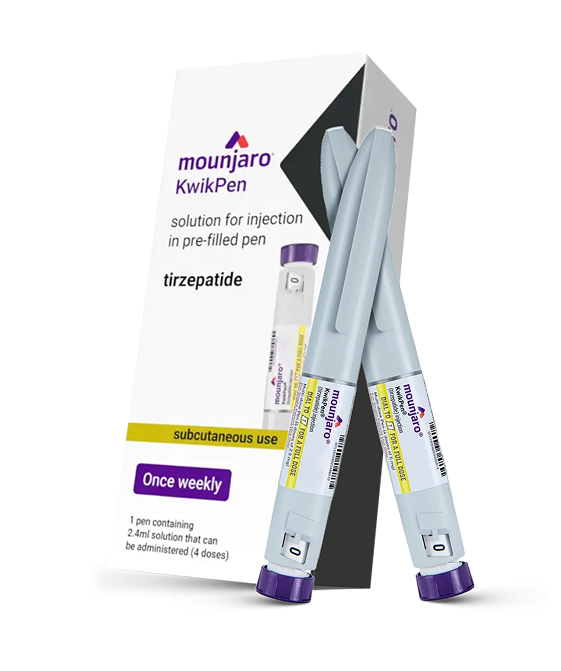
Key Facts: Mounjaro and Multiple Sclerosis
- Mounjaro is not approved as a treatment for multiple sclerosis.
- Some people with MS may still be eligible for medically supervised Mounjaro treatment.
- Weight loss may improve mobility and daily comfort for certain individuals.
- Hydration, nutrition, and muscle preservation remain especially important during treatment.
- Medication interactions and digestive side effects may require closer monitoring.
- Research involving GLP-1 medications and MS is still developing.
Can People With Multiple Sclerosis Safely Take Mounjaro?
Some people living with Mounjaro and ms concerns may still safely use Mounjaro under proper medical supervision if treatment is considered appropriate for their overall health. Eligibility usually depends on digestive health, hydration, nutritional status, current medications, mobility limitations, and individual treatment tolerance rather than MS alone. However, research involving Tirzepatide and multiple sclerosis still remains limited.
Medical Monitoring and MS Treatment Considerations
- Mounjaro is not approved to treat multiple sclerosis directly.
- Disease-modifying therapies may still require ongoing monitoring during treatment.
- Digestive side effects can sometimes overlap with fatigue or weakness linked with MS.
- Steroids and appetite changes may affect blood sugar and weight-management progress.
- Hydration and muscle preservation remain especially important during weight loss.
- Treatment responses and side effects can vary significantly between individuals.
People researching eligibility may also find value in reading Who Is Eligible for Weight Loss Injections in the UK? before starting treatment discussions.
How Mounjaro May Affect MS Symptoms and Daily Life
Gradual weight loss may sometimes improve mobility, walking comfort, and physical strain for certain people living with MS. Growing discussion around MS and weight loss has increased because some individuals find that reduced body weight may help ease pressure on joints and support day-to-day movement, particularly where fatigue or reduced mobility already affect overall wellbeing.
Mobility and Physical Comfort
For some individuals, lower body weight may help improve stamina, reduce physical strain, and support movement during daily activities. People experiencing balance problems, muscle weakness, or walking difficulties may sometimes notice small improvements in comfort during medically supervised weight management.
Fatigue and Energy Levels
Fatigue can still fluctuate during treatment, especially if reduced appetite leads to low calorie intake, dehydration, or nutritional imbalance. Some people may feel more tired during the early stages of treatment while the body adjusts to appetite and digestion changes.
Appetite and Daily Function
Mounjaro commonly reduces appetite, which may affect meal portions and eating habits over time. A person already managing fatigue, weakness, or mobility limitations may therefore need to monitor protein intake and hydration carefully to help maintain energy levels and daily independence.
Heat Sensitivity and Hydration
Some people living with MS already experience worsening fatigue or weakness during dehydration or warmer temperatures. Vomiting, diarrhoea, or reduced fluid intake during treatment may therefore sometimes worsen heat sensitivity or physical exhaustion during treatment.
Inflammation and Ongoing Research
Research involving GLP-1 medications and neurological conditions is still developing. While some researchers continue exploring possible metabolic and inflammation-related effects, current evidence does not prove that Mounjaro directly improves or treats multiple sclerosis itself.
Find Out If Mounjaro is Clinically Suitable
Start Your Free Consultation Now
 Clinician-led medical assessment
Personalised dosing and nutrition support
Ongoing clinical monitoring throughout treatment
Clinician-led medical assessment
Personalised dosing and nutrition support
Ongoing clinical monitoring throughout treatment 
Mounjaro and MS Medication Safety Considerations
People living with MS often take several long-term medicines including disease-modifying therapies, steroids, pain treatments, or injection-based medications. While no major direct interaction between Mounjaro and most MS therapies is currently established, treatment suitability and side effects still require careful monitoring throughout medically supervised care.
Disease-Modifying Therapies and Monitoring
Disease-modifying therapies (DMTs) are commonly used to help manage MS progression and relapse activity. Some people using injectable or infusion-based treatments may still be eligible for Mounjaro, although clinicians often monitor fatigue, digestive tolerance, hydration, and overall symptom stability carefully during treatment.
Steroids and Symptom Treatments
Steroids may sometimes affect appetite, blood sugar levels, fluid balance, and body weight over time. Medicines used for pain, muscle spasms, or fatigue may also occasionally overlap with digestive side effects such as dizziness, nausea, weakness, or reduced appetite during treatment.
Injection Timing and Digestive Effects
Because Mounjaro slows stomach emptying, some people may notice changes in medication tolerance or digestion during dose escalation. Discussion around Mounjaro and Kesimpta has also increased as more patients explore weight-management treatment alongside injectable MS therapies. Injection schedules, meal timing, hydration, and symptom patterns may therefore sometimes require closer observation while the body adjusts to treatment.
Why Dose Escalation Requires Monitoring
Digestive side effects are often more noticeable when doses increase gradually during treatment. Vomiting, diarrhoea, dehydration, reduced appetite, or fatigue may sometimes feel more difficult for people already managing neurological symptoms or reduced mobility linked with MS.
Coordinated Care Between Specialists
Communication between neurologists, GPs, and weight-management prescribers remains important throughout treatment. Coordinated care may help identify overlapping side effects early, support safer medication planning, and ensure treatment decisions remain appropriate for individual health needs.
Nutrition Hydration and Strength Support With Mounjaro
Balanced nutrition remains especially important for people living with MS during weight-loss treatment. Reduced appetite, nausea, or smaller meal portions may sometimes increase the risk of low protein intake, dehydration, weakness, or inadequate calorie intake if nutrition is not monitored carefully over time.
Protein intake may help support muscle preservation, balance, mobility, and physical strength during weight reduction. Some people living with MS may already experience muscle weakness or fatigue, which is why maintaining strength and daily independence often remains an important part of medically supervised weight management.
Hydration is equally important because dehydration may sometimes worsen fatigue, dizziness, heat sensitivity, or physical exhaustion in certain individuals with MS. Vomiting, diarrhoea, or reduced fluid intake during treatment may therefore require closer attention to hydration habits and electrolyte balance.
Helpful strategies may include:
- Smaller balanced meals
- Protein-focused snacks
- Electrolyte support where appropriate
- Fibre intake for digestive health
- Regular fluid intake throughout the day
- Gentle movement or resistance-based activity where suitable
People struggling with appetite or meal planning may also benefit from reading The Role of Balanced Eating While on Weight Loss Injections for additional practical guidance.
What Research Says About GLP-1 Medications and Multiple Sclerosis
Research involving GLP‑1 medicines and MS is still developing, and current evidence remains limited. Early studies are exploring how these medicines may affect weight, insulin sensitivity, metabolic health, and inflammation pathways in chronic conditions. Growing discussion around GLP-1 drugs and multiple sclerosis has increased as more researchers explore how obesity and metabolic health may affect people living with MS. Some studies are examining whether these factors may influence mobility, fatigue, and overall wellbeing over time.
However, current evidence does not prove that Mounjaro treats multiple sclerosis, improves neurological damage, or slows disease progression directly. Most available research still focuses on diabetes and weight management rather than MS-specific clinical outcomes. While future obesity treatment strategies may become more integrated within neurological care, treatment decisions should still remain individualised and medically supervised until stronger long-term evidence becomes available.
Conclusion: Balancing MS Care With Weight Management
Living with MS often means balancing mobility, fatigue, nutrition, and long-term health needs at the same time, which is one reason interest in Mounjaro and multiple sclerosis continues to grow. While many people may potentially use Mounjaro safely under proper medical supervision, hydration, symptom monitoring, fatigue management, and muscle preservation still remain important throughout treatment.
Treatment decisions should always remain individualised and reviewed alongside current medications, neurological symptoms, digestive tolerance, and overall wellbeing. Individuals considering medically supervised support may benefit from speaking with the clinical team at Mayfair Weight Loss Clinic to discuss suitable treatment options for their personal health goals.
FAQs About Mounjaro and Multiple Sclerosis
Can people with MS take Mounjaro safely?
Some people living with MS may still be eligible for Mounjaro under medical supervision. Treatment suitability depends on overall health, medications, digestive tolerance, hydration, and nutritional status.
Does Mounjaro help multiple sclerosis symptoms?
Mounjaro is not approved to treat MS directly. However, some people may notice indirect improvements in mobility or daily comfort linked with gradual weight reduction.
Can weight loss improve mobility in MS?
For some individuals, gradual weight reduction may help reduce joint strain, improve walking comfort, and support daily movement. Responses can still vary between individuals.
Is Mounjaro safe with MS medications?
Many MS medications may still be used alongside Mounjaro, although monitoring remains important during treatment adjustments, digestive side effects, or injection scheduling.
Who should avoid Mounjaro?
People with certain gastrointestinal conditions, severe digestive symptoms, significant nutritional concerns, or treatment contraindications may require alternative approaches. Medical assessment remains important before starting treatment.
Can Mounjaro worsen fatigue?
Some people may experience fatigue during appetite changes, nausea, dehydration, or reduced calorie intake during treatment. Proper nutrition and hydration remain important.
Why is hydration important for people with MS on Mounjaro?
Dehydration may worsen weakness, fatigue, dizziness, or heat sensitivity in some people with MS. Vomiting or reduced appetite during treatment may sometimes increase these risks further.
Are GLP-1 medications approved for MS treatment?
No. GLP-1 medications such as Mounjaro are not approved treatments for multiple sclerosis itself. Research involving neurological conditions is still emerging.
Mounjaro
Wegovy