
How to Manage Nausea While Using the Mounjaro Pen: Proven Strategies for Relief
Understand how nausea can develop during treatment with the Mounjaro pen and what practical steps can help you stay comfortable as your body adjusts.
Last updated Mar 18, 2026

 10 min read

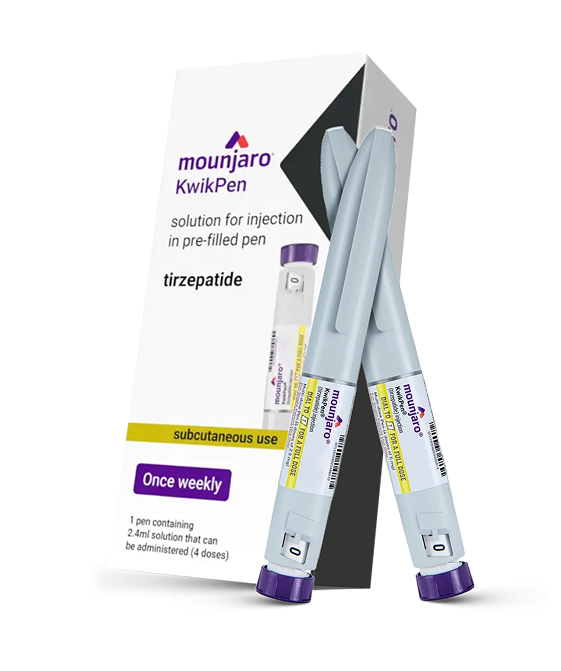
As the body begins responding to the effects of the Mounjaro pen, changes in appetite, digestion, and satiety can feel noticeable, especially in the early stages. One of the most commonly reported experiences is nausea, which can appear when starting treatment or adjusting to a higher dose.
This response is expected and reflects how the medication is influencing digestive and hormonal processes. For most patients, this discomfort is temporary and becomes easier to manage with simple adjustments to eating patterns and routine. This guide explains why nausea occurs and how to manage it safely during treatment.
Mounjaro
- ✔ ~22.5% average body weight loss
- ✔ Significant weight reduction
- ✔ Improves blood sugar levels
- ✔ Clinically proven weight loss
What Most Patients Notice Early On
- Nausea is one of the most common effects when starting the Mounjaro pen, but it is usually manageable
- It often occurs as digestion slows and appetite changes
- Symptoms are more noticeable in the first few weeks or after dose increases
- Small, consistent habits can support effective Mounjaro nausea relief
- Persistent symptoms or vomiting on Mounjaro should be reviewed by a clinician
Why Does Mounjaro Cause Nausea?
Nausea with the Mounjaro pen occurs because the medication mimics GLP-1 and GIP hormones, which slow gastric emptying and increase feelings of fullness. As a result, food stays in the stomach longer, and appetite signals are reduced, leading to a sensation of queasiness, especially when starting treatment or increasing doses. These effects are temporary and usually improve as the body adjusts over time.
Slowed Gastric Emptying
The Mounjaro pen slows how quickly food leaves the stomach, helping you feel full for longer after eating. However, this also means food remains in the stomach for an extended time. This delayed emptying can create a sensation of heaviness or fullness, which may trigger nausea, particularly after meals or when portion sizes are larger than the body can comfortably handle.
Appetite Suppression Effects
Mounjaro reduces hunger signals, leading to smaller portion sizes and, in some cases, irregular eating patterns. When the body receives less food than it is used to, it may respond with symptoms such as nausea or feeling unsettled. Skipping meals or going long periods without eating can increase the likelihood of nausea, making consistent, smaller meals an important part of managing symptoms.
Hormonal Changes in Digestion
Mounjaro pen activates GLP-1 and GIP receptors, which play a role in regulating appetite, digestion, and blood sugar levels. These hormonal changes alter how the digestive system responds to food. During the early stages of treatment, the body is still adapting to these signals, which can temporarily lead to nausea. As the body adjusts, these symptoms usually improve without further intervention.
How Common Is Nausea with Mounjaro?
Nausea is the most commonly reported side effect associated with the Mounjaro pen, affecting around 12% to 22% of patients in clinical use. It is often experienced by more than 1 in 10 users, particularly during the early stages of treatment or when the dose is increased.
Symptoms are usually most noticeable in the first few weeks, as the body adjusts to slower gastric emptying and changes in appetite regulation. This is a normal response to how the medication works.
In most cases, Mounjaro nausea is mild to moderate and temporary. Symptoms often peak early and improve within a few weeks as the body adapts. With consistent eating habits and proper hydration, many patients find that nausea settles without the need for further intervention.
Find Out If Mounjaro is Clinically Suitable
-
 Clinician-led medical assessment
 -
Personalised dosing and nutrition support
-
Ongoing clinical monitoring throughout treatment

Practical Tips to Manage Nausea
Simple, structured changes to eating habits and daily routine can make a clear difference in managing symptoms. These clinician-backed strategies support safe and effective Mounjaro nausea relief during treatment.
1. Eat Smaller, More Frequent Meals
Eating smaller portions more frequently throughout the day can help reduce pressure on the stomach and improve digestion. Large meals may sit longer in the stomach due to slower gastric emptying, increasing discomfort. Spacing meals evenly helps the body process food more comfortably and reduces the likelihood of nausea, especially during the early stages of treatment with the Mounjaro pen.
2. Choose Low-Fat, Bland Foods
Low-fat and simple foods are generally easier for the stomach to handle during treatment. Options such as toast, rice, bananas, yoghurt, and light soups are less likely to trigger digestive discomfort. Avoiding greasy, spicy, or heavily processed meals can help reduce Mounjaro sickness and improve tolerance, particularly when appetite is reduced or digestion feels slower than usual.
3. Stay Hydrated (But Sip Slowly)
Maintaining hydration is essential, but drinking too quickly can worsen nausea. Taking small, regular sips throughout the day is often more effective than consuming large amounts at once. Cold or room-temperature fluids may feel more comfortable. Consistent hydration supports digestion and can help reduce nausea Mounjaro symptoms, particularly when appetite and fluid intake are lower than usual.
4. Eat Slowly and Chew Thoroughly
Eating at a slower pace allows the digestive system to process food more efficiently. Chewing thoroughly reduces the workload on the stomach and helps prevent discomfort after meals. Rushing meals can increase the risk of nausea, especially when digestion is already slowed. Taking time to eat mindfully can significantly improve how the body responds to food during treatment.
5. Stay Upright After Eating
Remaining upright after meals helps support normal digestion and reduces the likelihood of food sitting heavily in the stomach. Lying down too soon after eating may worsen nausea or discomfort. Sitting upright or taking a gentle walk can help food move more smoothly through the digestive system, making this a simple but effective strategy for managing symptoms.
6. Get Fresh Air and Light Movement
Light movement, such as a short walk, can help ease digestive discomfort and reduce the sensation of nausea. Fresh air may also have a calming effect, particularly when symptoms feel more noticeable. Avoid intense physical activity immediately after eating, as this can worsen discomfort. Gentle movement supports digestion without placing additional strain on the body.
7. Avoid Strong Smells and Trigger Foods
Certain smells or foods can trigger or worsen nausea, particularly during the early stages of treatment. Strong cooking odours, fried foods, or highly seasoned meals may increase discomfort. Identifying and avoiding personal triggers can help reduce episodes of feeling sick on Mounjaro. Choosing milder foods and environments can make daily routines more comfortable and manageable.
What to Eat (and Avoid) While on Mounjaro
Making the right food choices can help reduce nausea and improve comfort during treatment. Simple, balanced meals are often better tolerated than heavy or processed options.
Foods That May Help Reduce Nausea
- Plain carbohydrates such as toast, rice, crackers, and oats
- Lean proteins like chicken, fish, eggs, and yoghurt
- Light meals including soups, broths, and smoothies
- Soft, easy-to-digest foods when appetite is low
- Small, balanced portions spread throughout the day
These options are gentler on the stomach and can help reduce nausea while maintaining energy levels.
Foods to Avoid
- Greasy or fried foods that are harder to digest
- Spicy meals that may irritate the stomach
- Heavy, high-fat dishes that can worsen discomfort
- Sugary snacks and drinks that may trigger symptoms
- Highly processed foods with low nutritional value
Limiting these foods can help reduce nausea and improve how your body responds to treatment. You can explore structured nutritional guidance through our blog on how to balance carbs, proteins and fats.
Eating Strategy: Example Daily Meal Structure
A simple, structured eating routine can help reduce nausea and support better tolerance while using the Mounjaro. Keeping meals light, balanced, and consistent throughout the day is key.
- Light breakfast:
Start the day with something gentle and easy to digest, such as oats, yoghurt, or eggs on toast. Avoid heavy or greasy foods early in the morning, as the stomach may be more sensitive. - Balanced lunch:
Aim for a mix of lean protein, complex carbohydrates, and vegetables. For example, grilled chicken with rice and vegetables provides steady energy without overwhelming digestion. - Smaller dinner:
Keep evening meals lighter than lunch, such as fish with vegetables or a simple soup. This can help reduce discomfort and lower the chances of nausea later in the day. - Snack guidance:
Include small snacks between meals, such as a banana, yoghurt, or crackers. This helps maintain stable energy levels and prevents long gaps without food, which can worsen nausea.
When Does Nausea Need Medical Attention?
While nausea is common during treatment, there are certain situations where medical advice is important to ensure your safety and wellbeing.
- Severe or persistent nausea:
If nausea does not improve over time or begins to worsen, it should be reviewed by a clinician. Ongoing symptoms may require adjustments to your treatment plan. - Vomiting or dehydration:
Repeated vomiting or signs of dehydration, such as dizziness, dry mouth, or reduced urination, should not be ignored. These symptoms may need prompt medical attention. - Unable to eat or drink properly:
If nausea prevents you from maintaining regular meals or fluid intake, it is important to seek advice. Proper nutrition and hydration are essential for safe and effective treatment.
Final Thoughts: Managing Mounjaro With Confidence
Nausea during treatment with the Mounjaro pen is common, but it is usually mild and manageable. It often reflects how the body adapts to changes in digestion and appetite. With small, consistent adjustments such as eating balanced meals, staying hydrated, and maintaining a steady routine, most patients notice clear improvement.
At Mayfair Weight Loss Clinic, treatment is guided by experienced clinicians to ensure safety and long-term success. If symptoms feel persistent or unusual, seeking professional advice helps maintain confidence and progress throughout your journey.
FAQs About Mounjaro and Nausea
How to stop feeling sick on Mounjaro?
To stop feeling sick on Mounjaro, eat smaller meals, stay hydrated, and avoid trigger foods like greasy or spicy meals.
Does Mounjaro make you feel sick?
Yes, mild nausea is common, especially when starting treatment or increasing the dose. It usually improves as the body adjusts.
How long does nausea last with Mounjaro?
Nausea typically improves within a few weeks as the body adapts to the medication.
How do I stop myself throwing up on Mounjaro?
Eat slowly, avoid heavy meals, and stay hydrated. If symptoms persist, consult a clinician for further guidance.
How to get rid of nausea?
Maintaining regular meals, hydration, and avoiding trigger foods can effectively manage nausea.
Can nausea happen at night on Mounjaro?
Yes, nausea at night can occur, often due to meal timing or food choices earlier in the day. Eating smaller meals can help prevent it.
Can nausea with Mounjaro be prevented?
While it can’t always be avoided, gradual dose increases, consistent eating habits, and staying hydrated can help reduce the likelihood of nausea.
Should I continue using Mounjaro if I experience nausea?
In most cases, nausea is temporary and manageable. However, if symptoms are severe or persist, consult your clinician to discuss possible adjustments to your treatment plan.
Mounjaro
- ✔ ~22.5% average body weight loss
- ✔ Significant weight reduction
- ✔ Improves blood sugar levels
- ✔ Clinically proven weight loss
Wegovy
- ✔ ~16.9% average body weight loss
- ✔ Boosts metabolic & cardiovascular health
- ✔ Proven, long-established safety profile
- ✔ Weekly injection, easy to use