
How Much Water Should You Drink on Mounjaro for Best Results?
Find out how proper hydration can support your results and comfort while using the Mounjaro Pen.
Last updated Mar 24, 2026

 9 min read

When patients begin using the Mounjaro Pen, the focus often shifts quickly to appetite control and weight changes. However, hydration plays an important role in how the body responds during treatment. Paying attention to Mounjaro water intake helps support digestion, maintain energy levels, and reduce the likelihood of common discomforts as your body adjusts.
As eating patterns change, fluid intake can unintentionally drop, especially when hunger cues are reduced. This can affect how you feel day to day, from mild fatigue to digestive changes. Understanding how hydration fits into your routine can make a noticeable difference and many patients only realise its impact once symptoms start to appear.
Mounjaro
- ✔ ~22.5% average body weight loss
- ✔ Significant weight reduction
- ✔ Improves blood sugar levels
- ✔ Clinically proven weight loss
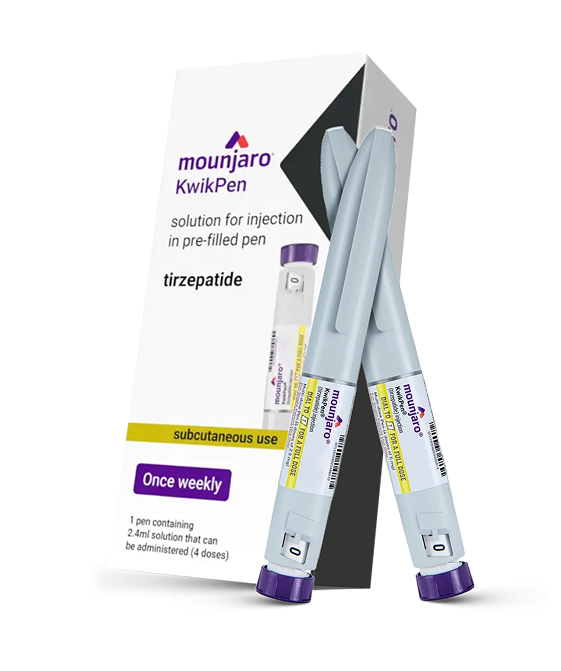
Key Takeaways: Hydration and Mounjaro Results
- Most patients benefit from 2–3 litres of daily fluid intake
- Monitoring Mounjaro water intake helps reduce common side effects
- Early signs like fatigue or feeling Mounjaro thirsty should not be ignored
- Proper hydration supports digestion, energy, and weight loss outcomes
- Simple habits like regular sipping and adding Mounjaro electrolytes can help
What Is the Right Daily Water Intake on Mounjaro?
Hydration needs vary, but having a clear target helps you stay consistent while using the Mounjaro Pen. Monitoring your Mounjaro water intake supports digestion, energy levels, and helps reduce common side effects that can appear during treatment.
General Daily Intake
As a general guide, aim for around 2–3 litres of water per day (roughly 6–8 glasses). This level of intake helps manage symptoms like constipation, nausea, and headaches, which may occur as appetite reduces. Maintaining steady Mounjaro water intake supports overall comfort and stability during treatment.
Weight-Based Recommendation
For a more personalised approach, you can aim for approximately 30–35 ml of water per kilogram of body weight. This helps tailor your intake based on your body’s needs, especially if your weight or activity level changes during treatment.
Adjust Based on Lifestyle
Your hydration needs may increase depending on your routine:
- Exercise: Increased sweating requires more fluids
- Hot climates: Higher temperatures lead to greater fluid loss
- Fasting or dieting: Less food intake means reduced water from meals
Adjusting your intake based on these factors helps maintain proper balance.
Avoid Overhydration
While hydration is important, drinking too much water at once is not ideal. It is better to sip fluids consistently throughout the day rather than consuming large amounts in one go. This approach supports better absorption and helps maintain electrolytes and Mounjaro balance.
Find Out If Mounjaro is Clinically Suitable
-
 Clinician-led medical assessment
 -
Personalised dosing and nutrition support
-
Ongoing clinical monitoring throughout treatment

Why Hydration Matters More When Taking Mounjaro
Hydration plays a central role in how your body responds to treatment, especially as appetite, digestion, and fluid signals begin to change.
Reduced Thirst Signals
Hydration becomes especially important when using the Mounjaro Pen because appetite suppression can reduce natural thirst cues. As you eat less, you may also drink less without realising it, increasing the risk of gradual dehydration. This “creeping” drop in fluid intake can affect how your body feels, even before clear symptoms appear.
Digestive Changes and Fluid Loss
Mounjaro also slows digestion, which can contribute to common gastrointestinal effects such as nausea, vomiting, or constipation. These symptoms may lead to further fluid loss, making hydration essential for comfort and stability. Maintaining adequate fluid intake helps ease these side effects and supports smoother digestion during treatment.
Supporting Body Balance
Proper hydration plays a key role in maintaining internal balance. It supports kidney function, helps regulate electrolytes, and ensures your body can process nutrients effectively. Without enough fluids, fatigue and weakness may become more noticeable, particularly during the early stages of treatment.
Energy and Fat Metabolism
Water is essential for metabolism and energy production. It supports fat breakdown, helps maintain steady energy levels, and prevents confusion between hunger and thirst. Because Mounjaro may reduce thirst signals, drinking water intentionally rather than relying on thirst becomes an important daily habit.
Signs You’re Not Drinking Enough Water
Not drinking enough water while using the Mounjaro Pen can lead to gradual dehydration, especially as thirst cues may reduce during treatment. Recognising early signs can help you correct your intake before symptoms worsen.
- Early Signs: You may notice fatigue, dry mouth, or mild headaches. These are often the first indicators that your body needs more fluids.
- Moderate Symptoms: Dizziness and constipation can develop if low fluid intake continues. These symptoms suggest your hydration levels need attention.
- Severe Symptoms: Rapid heart rate or confusion may indicate more serious dehydration. If these occur, seeking medical advice promptly is important.
Can Hydration Help Reduce Mounjaro Side Effects?
Yes, hydration can help reduce common side effects while using the Mounjaro Pen. Drinking enough fluids supports digestion, eases discomfort, and helps your body adjust more smoothly during treatment.
- Nausea: Taking small, regular sips of water throughout the day can help ease nausea. Staying hydrated prevents the stomach from becoming too empty or irritated, which may reduce queasiness.
- Constipation: Adequate fluid intake helps soften stools and supports regular bowel movements. When combined with fibre, hydration can significantly reduce constipation during treatment.
- Bloating: Proper hydration supports smoother digestion and can reduce the feeling of fullness or pressure in the stomach. It helps your body process food more efficiently.
- Headaches: Dehydration is a common trigger for headaches. Maintaining good hydration also supports electrolytes and Mounjaro balance, which is important for muscle and nerve function.
Simple Hydration Habits That Work on Mounjaro
staying hydrated while using the Mounjaro Pen does not have to feel difficult. Simple habits followed consistently can help maintain fluid balance, reduce side effects, and support your body as it adjusts to treatment and ongoing weight loss changes.
Drink Small Amounts Frequently
Instead of drinking large amounts at once, sip water regularly throughout the day. This approach improves absorption and reduces discomfort, especially if you feel full quickly. Frequent small sips help maintain steady hydration levels, support digestion, and make it easier to meet your daily fluid intake without feeling overwhelmed.
Use Reminders or Apps
Reduced thirst signals can make it easy to forget drinking water. Setting reminders or using hydration apps helps you stay consistent. Tracking your intake ensures you meet daily targets, prevents dehydration, and builds a routine that supports your treatment without relying only on natural thirst cues.
Add Electrolytes When Needed
Electrolytes can help maintain fluid balance, especially if you feel weak, tired, or slightly dehydrated. They support muscle function and nerve activity while helping your body retain fluids more effectively. Including electrolytes occasionally can improve hydration, particularly during hot weather, exercise, or reduced food intake.
Flavour Your Water
If plain water feels unappealing, adding natural flavours like lemon, mint, or cucumber can make it easier to drink more. This small change can improve consistency and prevent boredom. Avoid sugary drinks and instead focus on light, natural flavouring to support hydration without affecting your progress.
Eat Water-Rich Foods
Foods with high water content, such as fruits and vegetables, can support your overall hydration. Options like cucumber, watermelon, and oranges provide fluids along with nutrients. Including these foods regularly helps maintain hydration levels, especially when your appetite is reduced and fluid intake may unintentionally drop.
When Should You Seek Professional Help?
While mild dehydration can often be managed with increased fluid intake, some symptoms should not be ignored. If your body is not responding to simple hydration strategies, it is important to seek clinical guidance to ensure your safety and treatment progress.
Seek advice if you experience:
- Persistent signs of dehydration such as fatigue, dry mouth, or weakness
- Ongoing dizziness Mounjaro symptoms that do not improve with fluids
- Difficulty keeping fluids down due to nausea or reduced appetite
- Severe vomiting or diarrhoea leading to continued fluid loss
If these symptoms occur, speaking with a qualified clinician, such as the team at Mayfair Weight Loss Clinic, can help assess the cause and guide you safely. Professional support ensures your hydration, treatment plan, and overall wellbeing remain properly balanced throughout your weight loss journey.
Final Thoughts: Building a Sustainable Hydration Routine
Building a sustainable hydration routine on the Mounjaro Pen is less about perfection and more about consistency. Drinking water regularly throughout the day, rather than in large amounts at once, helps your body stay balanced and supports how you feel during treatment. Even small habits, when repeated daily, can make a noticeable difference in reducing discomfort and maintaining energy levels.
Hydration should also be tailored to your individual needs, including body weight, activity level, and environment. As your routine evolves, staying consistent with fluid intake can support digestion, reduce common side effects, and improve overall wellbeing. Over time, this steady approach plays an important role in achieving long-term success on Mounjaro while keeping your body properly supported.
FAQs About Mounjaro and Hydration
How much water should i drink on Mounjaro?
Most patients should aim for 2–3 litres daily, depending on body weight and activity. Individual hydration needs may vary, so monitoring your intake is important.
Does Mounjaro make you thirsty?
Some patients report increased thirst, while others feel reduced thirst signals. Staying mindful of hydration is key, even if you do not feel naturally thirsty.
Can dehydration affect Mounjaro results?
Yes, dehydration can impact energy levels, digestion, and overall comfort. Proper hydration supports better treatment outcomes.
What are early signs of dehydration on Mounjaro?
Dry mouth, fatigue, headaches, and mild dizziness are common early signs. These should be addressed promptly with increased fluid intake.
Should I drink electrolytes on Mounjaro?
Electrolytes can help maintain fluid balance, especially if you feel weak or dehydrated. They should be used appropriately alongside water intake.
Can Mounjaro cause dizziness?
Some patients may experience mild dizziness, especially early in treatment. This is often linked to hydration levels and can improve with proper fluid intake.
Is drinking too much water harmful?
Yes, excessive water intake can disrupt electrolyte balance. It is important to maintain a balanced approach rather than overhydrating.
Can hydration reduce side effects of Mounjaro?
Yes, staying hydrated may help reduce symptoms like nausea, constipation, and headaches, making treatment more comfortable.
Mounjaro
- ✔ ~22.5% average body weight loss
- ✔ Significant weight reduction
- ✔ Improves blood sugar levels
- ✔ Clinically proven weight loss
Wegovy
- ✔ ~16.9% average body weight loss
- ✔ Boosts metabolic & cardiovascular health
- ✔ Proven, long-established safety profile
- ✔ Weekly injection, easy to use