
How Long Do Mounjaro Side Effects Last? What to Expect
Learn how long Mounjaro side effects last and what most UK patients can realistically expect during treatment.
Last updated Mar 26, 2026

 10 min read

The first few weeks on Mounjaro for weight loss often raise more questions than answers, especially when your body starts reacting in unfamiliar ways. Changes in appetite, digestion, and energy can feel unexpected, leaving many patients wondering how long these effects will last and whether their experience is typical.
In most cases, these responses are part of the body adjusting, and even Mounjaro long-term side effects tend to become more manageable over time. Understanding the pattern behind these changes can make the process feel far less uncertain. And once you see how symptoms actually unfold, the whole journey starts to make much more sense.
Mounjaro
- ✔ ~22.5% average body weight loss
- ✔ Significant weight reduction
- ✔ Improves blood sugar levels
- ✔ Clinically proven weight loss
Key Insights: Mounjaro Side Effects
- Side effects are usually mild and temporary, especially in early stages
- Most symptoms appear within the first few days to weeks
- The body typically adapts within 2–8 weeks
- Dose increases may cause temporary symptom flare-ups
- Persistent or severe symptoms should be reviewed by a clinician
How Mounjaro Works Inside Your Body
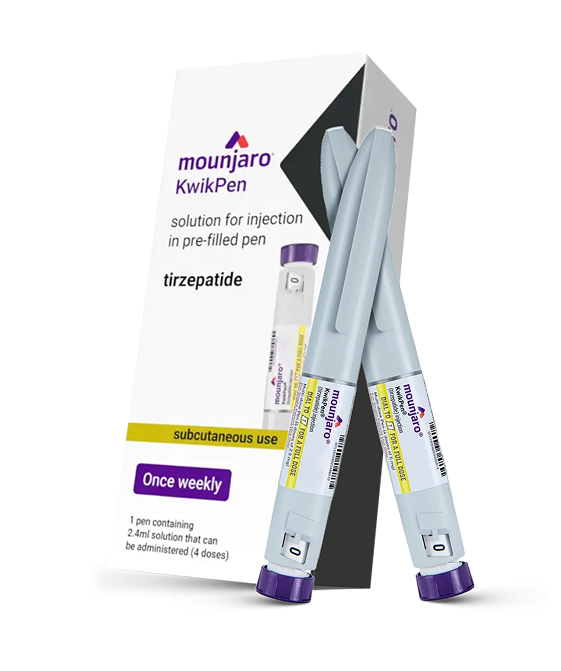
Mounjaro is a prescription-only treatment containing tirzepatide, used to support weight loss by controlling appetite and blood sugar levels under clinical supervision. It works by mimicking natural hormones that signal fullness, helping reduce calorie intake in a steady and medically guided way. What makes it different is its dual action on GLP-1 and GIP hormones, which regulate hunger, digestion, and insulin response.
This slows stomach emptying and keeps you fuller for longer, which is why changes in appetite are often noticed early. As the body adjusts to these hormonal shifts, mild side effects can appear initially but usually settle as treatment continues. You can learn more about the injection on our treatment page.
Achieve Sustainable Weight Loss
Start Your Free Consultation Now
 Clinically Proven Treatments
Balanced Nutrition Plan
Expert Professional Guidance
Clinically Proven Treatments
Balanced Nutrition Plan
Expert Professional Guidance 
When Do Mounjaro Side Effects Start?
Mounjaro for weight loss side effects typically begin within the first few hours to 1–3 days after the initial injection. Common symptoms such as nausea, digestive discomfort, or reduced appetite often appear within this 24–72 hour window as the body starts adjusting to changes in appetite regulation and digestion.
Side effects can also occur again after dose increases, as the body re-adapts to a higher strength. The early weeks are usually the most noticeable, but symptoms are typically temporary and begin to settle within a few weeks as the body becomes more accustomed to the treatment.
Mounjaro Side Effects Duration
Mounjaro for weight loss side effects such as nausea, vomiting, and digestive discomfort usually last a few days to a few weeks, with most people noticing improvement as the body adapts. Symptoms often become more noticeable within the first 24–72 hours after starting treatment or increasing the dose, then gradually ease within 7–14 days for many patients.
Key Takeaways on Duration
- Early adjustment phase: Side effects are most noticeable in the first few weeks or after dose escalation, then reduce as tolerance builds.
- Common symptoms timeline: Nausea, constipation, or reduced appetite often improve within days to two weeks.
- Injection site reactions: Mild redness or swelling usually settles within 1–3 days.
- Longer-lasting effects: Some mild symptoms like fatigue or digestive sensitivity may continue for several weeks but remain manageable.
Factors That Influence How Long Side Effects Last
- Dose progression: Faster dose increases can prolong or intensify symptoms.
- Eating habits: Smaller, low-fat meals can help reduce how long digestive side effects last.
- Individual response: Metabolism, hydration, and overall health play a key role in how quickly the body adjusts.
Overall, most side effects are temporary and improve with time, especially when treatment is followed carefully and supported with the right dietary and lifestyle habits.
Mounjaro Side Effects Timeline by Dosage Stage
Understanding how side effects change across each dose level helps set realistic expectations. Mounjaro for weight loss is introduced gradually, and your body responds differently at each stage as it adapts to appetite and digestion changes.
Weeks 1–4 (2.5 mg – Starter Dose)
This is the initial adjustment phase, where most patients notice mild symptoms such as nausea, reduced appetite, or slight digestive discomfort. These effects are usually manageable and reflect the body adapting to the medication for the first time.
Weeks 5–8 (5 mg Dose)
As the dose increases, some people may experience a temporary return or increase in side effects. This is normal and typically short-lived. During this stage, the body begins to stabilise, and symptoms often become more predictable and easier to manage.
Weeks 9+ (Higher Doses)
At higher doses, many patients report fewer day-to-day side effects, but they can occasionally feel stronger when they do occur. Individual response varies at this stage, with some people experiencing minimal symptoms while others continue mild adjustments depending on tolerance and lifestyle factors.
Common Mounjaro Side Effects and Duration
Mounjaro commonly causes nausea, vomiting, diarrhoea, constipation, stomach discomfort, reduced appetite, and mild injection site reactions. These side effects usually appear in the first few days to weeks, especially after starting treatment or increasing the dose, and tend to improve as the body adapts.
Nausea and vomiting: Mounjaro vomiting is the most common side effect, often starting within the first few days or after dose escalation. It typically improves within 1–2 weeks, though mild symptoms may last longer.
Diarrhoea and constipation: Digestive changes are common as the medication slows gastric emptying. These Mounjaro sickness and diarrhoea symptoms usually settle within a few days to a couple of weeks.
Stomach pain, gas, and bloating: Mild discomfort may occur, especially after meals, but usually improves as the body adjusts.
Decreased appetite: A reduced appetite is expected and supports weight loss. It becomes more stable over time.
Injection site reactions: Redness, itching, or mild swelling may occur and usually resolve within 1–3 days.
How to Reduce and Manage Mounjaro Side Effects
Mounjaro for weight loss side effects such as nausea, vomiting, constipation, and diarrhoea can be managed with simple, consistent habits. Focusing on smaller meals, proper hydration, and steady routines helps reduce symptom intensity, especially during the early weeks or after dose increases, making treatment easier to tolerate and maintain long term.
Nausea and vomiting:
Eat smaller, lighter meals throughout the day instead of large portions. Avoid greasy or high-fat foods, as they can worsen symptoms. Eating slowly and stopping when full helps prevent discomfort. Bland foods like rice or soup are often easier to tolerate during the early adjustment phase.
Constipation:
Increase fibre intake through vegetables, whole grains, and balanced meals to support digestion. Drinking enough water throughout the day is essential. Gentle movement such as walking can also help stimulate bowel activity and reduce discomfort, especially when your routine becomes more consistent over time.
Diarrhoea and dehydration:
Stay hydrated by drinking water regularly to replace lost fluids. Clear liquids and low-sugar drinks are better tolerated. Avoid fizzy or sugary beverages, as they may worsen symptoms. Eating simple, easy-to-digest foods can help stabilise digestion while your body adjusts to treatment.
Injection site reactions:
Mild redness, itching, or swelling can occur at the injection site. Rotating areas such as the abdomen or thigh each week helps reduce irritation. Avoid injecting into the same spot repeatedly. These reactions are usually short-lived and settle within a few days without needing treatment.
Heartburn or reflux:
Avoid large meals and foods that are fatty, spicy, or heavy, especially in the evening. Eating smaller portions and allowing time between meals and lying down can reduce symptoms. Staying upright after eating supports digestion and helps prevent acid reflux or discomfort.
Signs You Should Speak to a Doctor
Most Mounjaro for weight loss side effects improve as your body adjusts, but medical advice is important if symptoms do not settle within 4–8 weeks. Persistent nausea, ongoing digestive issues, or worsening discomfort may indicate the need for review to ensure treatment remains safe and effective.
You should also seek guidance if side effects begin to impact your daily routine, such as difficulty eating, staying hydrated, or maintaining normal activities. In some cases, a dose adjustment or slower progression may be required to improve tolerance while continuing treatment safely. For safe, clinician-led Mounjaro support and personalised guidance, explore treatment options at Mayfair Weight Loss Clinic, where every case receives expert review for responsible care.
Final Thoughts: What Most Patients Experience
For most patients, Mounjaro for weight loss side effects are temporary and manageable, especially during the early stages of treatment. Symptoms like nausea or digestive changes often feel more noticeable at first but gradually reduce as the body begins to adjust to the medication.
Over time, the body adapts, and tolerance improves with the right approach. Simple steps such as balanced eating, proper hydration, and consistent routines can make a significant difference. With steady use and appropriate guidance, many patients find the treatment becomes easier to manage while continuing to support long-term weight loss goals.
FAQs About Mounjaro Side Effects
Does Mounjaro wear off by the end of the week?
No, Mounjaro for weight loss works steadily throughout the week by continuously regulating appetite and blood sugar levels. Some patients may notice a slight return of hunger before the next dose, but the medication remains active in the body.
Is Mounjaro vomiting common?
Vomiting can occur, particularly during the early stages or after dose increases, but it is usually mild and short-term. If it becomes persistent or severe, it should be reviewed by a clinician to ensure safe continuation.
What are Mounjaro day 1 side effects?
On the first day, some patients may experience mild nausea, reduced appetite, or slight fatigue. These early effects are part of the body’s adjustment phase and typically settle within a few days.
Can Mounjaro cause stomach cramps?
Yes, Mounjaro stomach cramps can occur, especially during the initial weeks as digestion slows. Adjusting meal size, eating slowly, and avoiding heavy foods often helps reduce discomfort.
Do side effects get better over time?
Yes, most side effects improve as the body adapts, usually within the first few weeks. With consistent use and proper management, symptoms become milder and easier to handle.
Why do Mounjaro side effects vary from person to person?
Side effects vary based on individual factors such as metabolism, sensitivity to medication, dose progression, and lifestyle habits like diet and hydration. Underlying health conditions can also influence how the body responds.
Are side effects worse at higher doses?
Side effects may temporarily increase when the dose is raised, as the body readjusts to a stronger level. This is usually short-lived, and gradual, clinician-guided dose increases help minimise discomfort.
What happens to side effects after stopping Mounjaro?
After stopping Mounjaro, side effects generally resolve within a short period as the medication leaves the body. Appetite and digestion return to normal, and maintaining results depends on long-term lifestyle habits.
Mounjaro
- ✔ ~22.5% average body weight loss
- ✔ Significant weight reduction
- ✔ Improves blood sugar levels
- ✔ Clinically proven weight loss
Wegovy
- ✔ ~16.9% average body weight loss
- ✔ Boosts metabolic & cardiovascular health
- ✔ Proven, long-established safety profile
- ✔ Weekly injection, easy to use