
Does Mounjaro Lower Cholesterol? What the Evidence Says
Discover how Mounjaro affects cholesterol, what the evidence shows, and safe strategies for managing lipid levels while supporting heart health.
Last updated Apr 02, 2026

 9 min read

For patients living with type 2 diabetes or obesity, managing cholesterol is an important part of protecting heart health. Elevated LDL and triglycerides can increase cardiovascular risk, and achieving a balance alongside weight and blood sugar control is essential. Mounjaro and cholesterol interact through mechanisms that may support improvements in lipid profiles while aiding weight management, though individual responses can vary.
Current clinical evidence suggests that Mounjaro can contribute to modest reductions in LDL and triglycerides and occasional increases in HDL. While these trends are promising, responses differ between patients, and ongoing monitoring is recommended to ensure safe use.
Understanding how this treatment may impact cholesterol and what remains unknown helps UK patients make informed decisions with their clinician, and the full implications may be more surprising than many expect.
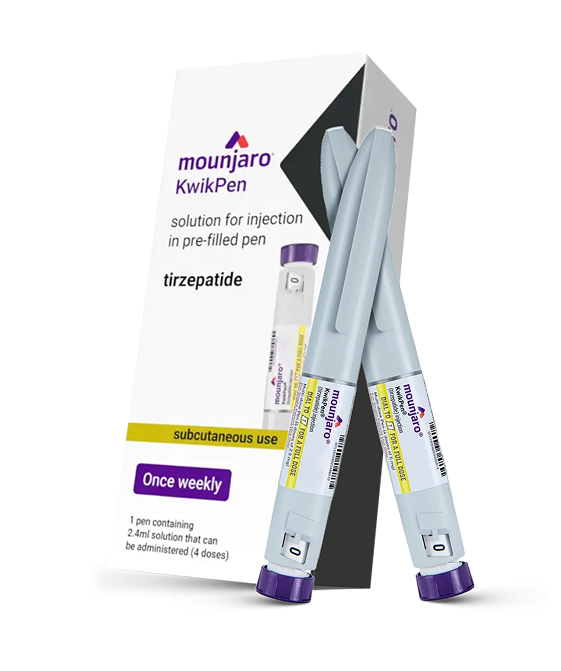
Mounjaro
- ✔ ~22.5% average body weight loss
- ✔ Significant weight reduction
- ✔ Improves blood sugar levels
- ✔ Clinically proven weight loss
Key Takeaways: What UK Patients Should Know
- Clinical trials show modest reductions in LDL and triglycerides and occasional rises in HDL with Mounjaro.
- Weight loss and improved insulin sensitivity indirectly support cardiovascular health.
- Patients on statins or other lipid-lowering drugs should discuss Mounjaro use with their clinician.
- Diet, exercise, and regular monitoring enhance cholesterol improvements.
Can Mounjaro Lower Cholesterol? Evidence from Clinical Trials
Yes, Mounjaro (tirzepatide) has been shown in clinical studies to support improvements in cholesterol levels. It can help reduce LDL (“bad”) cholesterol and triglycerides while modestly increasing HDL (“good”) cholesterol, largely through weight loss and improved metabolic health. Individual responses may vary, so regular monitoring is recommended.
Key findings from trials include:
- LDL cholesterol: modest reductions in most participants
- HDL cholesterol: small increases linked to metabolic improvements
- Triglycerides: consistent decreases, especially in patients with high baseline levels
Comparing with other diabetes medications:
- GLP-1 receptor agonists (e.g., semaglutide/Wegovy): similar lipid benefits; Mounjaro’s dual GLP-1 + GIP activity may enhance weight loss and metabolic effects
- SGLT2 inhibitors: cardiovascular benefits present, but cholesterol improvements are usually less pronounced
- Clinical guidance: Combining Mounjaro with lifestyle measures or statins may provide complementary benefits, but all treatment plans should be personalised and reviewed by a clinician
This evidence suggests that while Mounjaro may positively influence cholesterol, understanding how it fits with your overall heart health strategy and what remains uncertain can help patients make informed decisions under clinical supervision.
Achieve Sustainable Weight Loss
Start Your Free Consultation Now
 Clinically Proven Treatments
Balanced Nutrition Plan
Expert Professional Guidance
Clinically Proven Treatments
Balanced Nutrition Plan
Expert Professional Guidance 
How Mounjaro Supports Heart Health Beyond Blood Sugar
Mounjaro may support heart health beyond blood sugar, improving cardiovascular risk factors through metabolism, weight loss, and inflammation control.
Effects on cardiovascular risk factors
Beyond improving blood sugar control, Mounjaro may positively influence several cardiovascular risk factors:
- Blood pressure: Modest reductions observed in clinical trials
- Lipid profile: Improvements in LDL, HDL, and triglycerides in some patients
- Inflammatory markers: Early evidence suggests potential decreases in systemic inflammation, which can benefit heart health
These effects are generally linked to the drug’s ability to enhance metabolic function and support weight management, reducing overall cardiovascular strain.
Indirect benefits via weight loss and inflammation reduction
Significant weight loss achieved with Mounjaro can indirectly protect the heart by:
- Reducing excess adipose tissue, which lowers chronic inflammation
- Improving insulin sensitivity and glucose metabolism
- Supporting better vascular function and overall metabolic balance
While individual responses may vary, combining Mounjaro with lifestyle interventions, such as a heart-friendly diet and regular exercise, can enhance these broader cardiovascular benefits. These effects extend beyond simple cholesterol numbers, offering a more holistic approach to heart health that many patients may not realise.
Mounjaro vs Other Therapies for Cholesterol Management
When managing cholesterol, it’s important to understand how Mounjaro compares with other therapies like Wegovy, statins, and fibrates, and when it may be the preferred choice for holistic metabolic benefits.
Comparison with Wegovy and lipid-lowering drugs
- Wegovy (semaglutide): Similar weight-loss and modest cholesterol benefits; Mounjaro’s dual GLP-1 + GIP action may enhance metabolic improvements.
- Statins: Strong LDL-lowering effect and cardiovascular protection, independent of weight loss.
- Fibrates: Mainly reduce triglycerides and slightly increase HDL; limited effect on LDL.
When Mounjaro might be preferred
- For patients needing weight management and cholesterol support together
- Those with type 2 diabetes requiring glycaemic control
- As a holistic metabolic approach, complementing rather than replacing statins or fibrates under clinical supervision
Mounjaro uniquely combines weight loss, blood sugar control, and potential lipid improvements, offering a broader metabolic benefit compared with therapies focused solely on cholesterol.
Patient Considerations and Safety Tips
Patients considering Mounjaro for cholesterol management should understand who may benefit, how to safely monitor their levels, and what potential side effects to watch for.
Who should consider Mounjaro for cholesterol management?
- Patients with type 2 diabetes or obesity who also want to support cholesterol and metabolic health.
- Those seeking a holistic approach combining weight loss, blood sugar control, and potential lipid improvements.
- Individuals who require clinician-supervised therapy to complement lifestyle measures or existing medications.
Monitoring cholesterol, medications, and lifestyle factors
- Regular blood tests to track LDL, HDL, and triglycerides.
- Review all medications (including statins) with your GP or specialist to avoid interactions.
- Lifestyle support: heart-healthy diet, regular exercise, and weight management remain essential.
Possible side effects related to lipid changes
- Mild gastrointestinal symptoms (nausea, diarrhoea) may indirectly affect appetite and weight, influencing cholesterol.
- Rapid changes in cholesterol are uncommon but monitoring is advised for safety.
- Report any unusual symptoms to your clinician promptly to ensure safe use.
Maximising Mounjaro’s Impact on Cholesterol
Lifestyle strategies, including diet, exercise, and medication review, can help UK patients maximise the cholesterol benefits of Mounjaro safely and effectively.
Diet adjustments (heart-friendly eating tips)
- Focus on fibre-rich foods such as oats, beans, and vegetables to support cholesterol control.
- Include healthy fats from olive oil, nuts, and oily fish to improve HDL levels.
- Limit saturated fats, processed foods, and added sugars, which can negatively affect LDL and triglycerides.
Exercise guidance for cholesterol management
- Engage in regular aerobic activity, such as brisk walking, cycling, or swimming, for at least 150 minutes per week.
- Incorporate strength training twice weekly to support metabolism and cardiovascular health.
- Consistency matters: small, regular sessions can improve lipid profiles alongside Mounjaro.
Reviewing supplements and medications
- Discuss all current medications and supplements with your clinician to ensure there are no interactions affecting cholesterol or Mounjaro’s effectiveness.
- Some supplements, like omega-3 fatty acids, may complement therapy, but professional guidance is recommended.
- Regular monitoring ensures safe, effective combination of lifestyle, medication, and weight-loss treatment.
Conclusion: Taking Control of Cholesterol with Mounjaro
Evidence indicates that Mounjaro can support improvements in cholesterol levels by lowering LDL and triglycerides while potentially raising HDL, largely through weight loss and improved metabolic health. Individual responses may vary, so it’s important to consider these benefits as part of a broader heart-health strategy rather than a guaranteed outcome.
UK patients are encouraged to discuss their cholesterol and cardiovascular goals with a clinician before starting or adjusting Mounjaro. Regular monitoring, lifestyle measures, and reviewing all medications ensure safe, informed use. For personalised guidance on using Mounjaro to manage weight, blood sugar, and cholesterol, speak with the team at Mayfair Weight Loss Clinic your heart and metabolic health deserve expert support.
FAQs About Mounjaro and Cholesterol
Can Mounjaro cause high cholesterol?
Current evidence indicates that Mounjaro does not cause high cholesterol in most patients. Rare, minor fluctuations in lipid levels may occur, but clinical data generally show neutral or modestly improved cholesterol profiles alongside metabolic and weight changes.
Can you take Mounjaro with statins?
Yes, Mounjaro can be used alongside statins, but it is important to review all medications with your GP or specialist. Regular lipid monitoring ensures the combination remains safe and effective while maximising cardiovascular benefits.
Is Mounjaro safe for people with high cholesterol?
Mounjaro is generally considered safe for patients with elevated cholesterol when used under clinician supervision. Monitoring lipid levels, maintaining lifestyle measures, and following prescribed medications help ensure safe, effective use.
How soon can cholesterol improvements appear?
Some patients may notice lipid improvements after 8–12 weeks, but sustained changes typically require consistent weight loss, glucose management, and follow-up blood tests. Individual responses may vary.
Will Mounjaro replace my statin?
No, Mounjaro complements rather than replaces statins or other cholesterol-lowering medications. It supports metabolic and weight-related improvements that can indirectly benefit lipid levels, but prescription therapy remains essential for cardiovascular risk management.
Does weight loss alone affect cholesterol?
Yes, losing excess weight improves insulin sensitivity and reduces LDL and triglycerides. When combined with Mounjaro, weight reduction can enhance metabolic health and support better lipid profiles.
Should I monitor cholesterol at home?
Home testing is not sufficient for safe cholesterol management. Regular blood tests supervised by your GP or specialist remain the standard, ensuring accurate monitoring and timely adjustments to therapy or lifestyle.
Can Mounjaro improve cholesterol without weight loss?
While weight loss is the main driver of cholesterol improvements, some patients may see modest benefits in LDL, HDL, or triglycerides due to Mounjaro’s effects on insulin and metabolic health, even before significant weight reduction occurs.
Mounjaro
- ✔ ~22.5% average body weight loss
- ✔ Significant weight reduction
- ✔ Improves blood sugar levels
- ✔ Clinically proven weight loss
Wegovy
- ✔ ~16.9% average body weight loss
- ✔ Boosts metabolic & cardiovascular health
- ✔ Proven, long-established safety profile
- ✔ Weekly injection, easy to use