Does Mounjaro Cause Hair Loss? What to Expect During Weight Loss Treatment
Understand whether Mounjaro hair loss is linked to the medication or weight loss and how to manage it safely with the right clinical guidance.
Last updated Apr 03, 2026
 10 min read

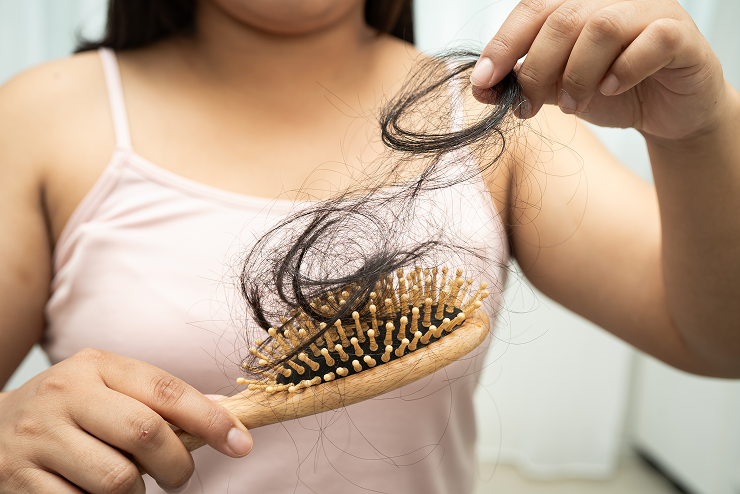
Changes in your hair can feel unsettling, especially when weight loss progress is becoming visible. Mounjaro is a clinically prescribed treatment that helps regulate appetite and support weight management, but some patients may notice increased shedding during this phase. This often leads to concerns about Mounjaro hair loss, particularly around whether the medication itself is responsible.
In most cases, hair shedding during treatment is linked to the body’s response to weight loss rather than a direct effect of the medication. Factors such as reduced calorie intake, nutritional shifts, and overall physical adjustment can influence the hair cycle. Understanding this distinction is key to managing expectations safely but what actually triggers these changes in the first place may not be what most patients assume.
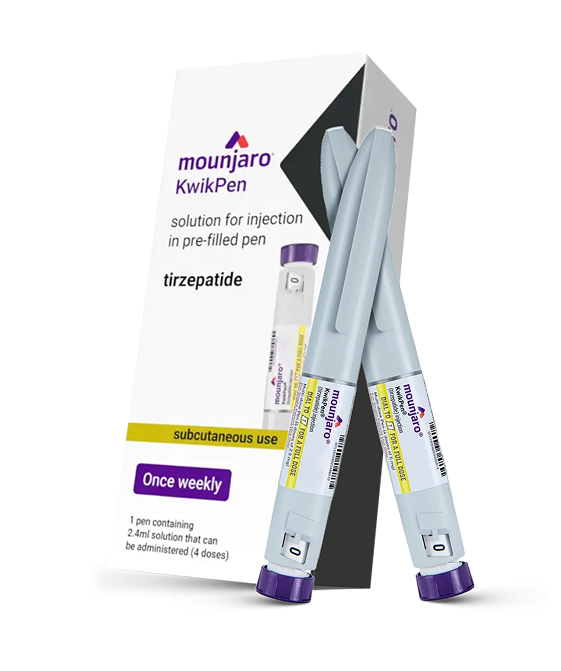
Mounjaro
- ✔ ~22.5% average body weight loss
- ✔ Significant weight reduction
- ✔ Improves blood sugar levels
- ✔ Clinically proven weight loss
Key Insights: Mounjaro Leads to Hair Loss
- Mounjaro is not a direct cause of hair loss; shedding is often linked to weight loss changes
- Temporary hair shedding (telogen effluvium) is common during rapid weight loss
- Nutritional intake, especially protein and micronutrients, plays a key role in hair health
- Stress, sleep, and hormonal changes can influence hair growth cycles
- Most cases are reversible with time, proper care, and clinician-led support
Is Hair Loss a Side Effect of Mounjaro?
Mounjaro is not considered a direct cause of hair loss and is not listed as a primary side effect. However, some patients may notice increased shedding during treatment, usually linked to rapid weight loss rather than the medication itself, as the body adjusts to changes in calorie intake and metabolism.
This temporary shedding occurs when more hair enters the resting phase of the growth cycle, often becoming noticeable within the first few months. While it can feel concerning, it is generally short-term and improves as the body stabilises though the exact pattern may vary between individuals.
Find Out If Mounjaro is Clinically Suitable
Start Your Free Consultation Now
 Clinician-led medical assessment
Personalised dosing and nutrition support
Ongoing clinical monitoring throughout treatment
Clinician-led medical assessment
Personalised dosing and nutrition support
Ongoing clinical monitoring throughout treatment 
Understanding Hair Growth and Shedding Cycles
Hair grows in natural cycles, which explains why shedding can occur during periods of change. These phases include:
- Anagen (growth phase): Hair actively grows for several years
- Catagen (transition phase): Growth slows briefly
- Telogen (resting phase): Hair sheds and new strands begin to form
When the body undergoes stress, such as rapid weight loss, more hairs may shift into the resting phase. This condition, known as telogen effluvium, is a common explanation behind hair loss Mounjaro cases.
Why Hair Loss Can Happen While Using Mounjaro
Hair changes during treatment are usually linked to how the body adapts to weight loss rather than the medication itself. Multiple factors can influence this process, and recognising them helps explain why shedding may occur during treatment.
Rapid Weight Loss and Telogen Effluvium
Rapid weight loss creates a sudden calorie deficit, which can push more hair follicles into the resting phase. This leads to increased shedding after a few weeks or months. It is a common response when the body prioritises essential functions over hair growth during periods of energy restriction.
Nutrient Deficiencies
Reduced appetite during treatment may lower intake of essential nutrients such as protein, iron, zinc, and biotin. These nutrients support healthy hair structure and growth. When intake is insufficient, hair may become weaker or shed more easily, especially if dietary balance is not maintained consistently.
Hormonal Changes
Weight loss can influence hormone levels, including those linked to metabolism and overall body balance. These changes may affect the hair growth cycle, temporarily increasing shedding. Although these shifts are usually short-term, they can still impact hair density during the adjustment phase of treatment.
Physical and Emotional Stress
Starting a new treatment routine, adjusting eating habits, and managing lifestyle changes can create physical and emotional stress. This stress can disrupt the normal hair cycle, leading to temporary shedding. The body often reacts to internal stress signals by redirecting energy away from non-essential processes like hair growth.
Other Contributing Factors
Additional factors such as poor sleep, existing health conditions, or the use of other medications may also contribute to hair changes. These influences can combine with weight loss-related effects, making shedding more noticeable. Identifying and managing these factors helps support overall hair health during treatment.
How Common Is Hair Loss with Mounjaro?
Hair loss is not experienced by everyone using Mounjaro. While some patients notice increased shedding, many complete treatment without any visible hair changes. When it does occur, it is usually linked to weight loss-related changes in the body rather than a direct effect of the medication itself.
Similar patterns have been observed with other GLP-1-based treatments, where temporary shedding may follow periods of rapid weight reduction. In most cases, this type of hair loss is short-term and improves as the body adjusts, making it a manageable and often reversible concern.
How to Prevent or Reduce Hair Loss on Mounjaro
Managing hair health during treatment focuses on supporting the body through balanced, sustainable changes rather than quick fixes. Small adjustments in diet, routine, and care can help reduce the likelihood or severity of shedding.
Aim for Gradual Weight Loss
Rapid weight loss increases the likelihood of hair shedding. Following a steady, clinician-guided plan helps the body adapt more smoothly and reduces stress on the hair growth cycle, supporting more stable results over time.
Focus on Nutrient-Dense Foods
Prioritising foods rich in protein, iron, zinc, and essential vitamins supports hair strength and growth. A balanced intake becomes especially important during treatment, as reduced appetite may otherwise lead to gaps in key nutrients needed for healthy hair.
Stay Hydrated
Adequate hydration supports overall body function, including nutrient transport and scalp health. Drinking enough fluids helps maintain balance within the body, which can indirectly support healthier hair during periods of weight loss.
Manage Stress and Sleep
Stress and poor sleep can increase cortisol levels, which may disrupt the hair growth cycle. Maintaining regular sleep patterns and managing daily stress can help reduce this impact and support both weight loss and overall well-being.
Gentle Hair Care Practices
Using mild hair care routines can help minimise additional stress on the hair. Avoiding excessive heat styling, tight hairstyles, and harsh chemical treatments can reduce breakage and make shedding less noticeable during treatment.
Consider Supplements (If Appropriate)
In some cases, supplements may help address nutritional gaps. However, these should only be taken following professional advice to ensure they are suitable and safe alongside your treatment plan.
Should You Stop Mounjaro If You Notice Hair Loss?
In most cases, stopping Mounjaro immediately is not necessary. Hair shedding linked to weight loss is usually temporary and may improve without changing your treatment plan. However, any concerns should be discussed with a clinician rather than making changes independently.
A careful assessment helps weigh the benefits of continued weight loss against the impact of side effects. Your clinician may adjust your approach, review your nutrition, or monitor progress to ensure treatment remains appropriate, safe, and aligned with your long-term health goals.
When Hair Loss Needs Professional Evaluation
Hair shedding during weight loss is often temporary, but there are situations where medical advice becomes important. If hair loss continues beyond three to six months, becomes more severe, or appears patchy rather than evenly distributed, it should be assessed to rule out other causes.
You should also seek guidance if hair loss is accompanied by symptoms such as ongoing fatigue, weakness, or low energy levels, as these may संकेत underlying nutritional deficiencies. In such cases, a clinician may recommend blood tests to check levels of iron, vitamins, and other key markers to ensure your treatment remains safe and balanced.
The Bottom Line
Hair loss during treatment can feel concerning, but it is important to understand that Mounjaro itself is not typically the direct cause. In most cases, shedding is linked to how the body responds to weight loss, particularly when changes happen quickly. This type of hair loss is usually temporary and tends to improve as your body adjusts.
Focusing on steady, sustainable progress, maintaining proper nutrition, and monitoring any changes closely can help minimise its impact. If you notice ongoing concerns, the best step is to review your plan with a qualified clinician. For personalised guidance and safe, structured support, speak to the team at Mayfair Weight Loss Clinic, where treatment is always tailored to your individual needs.
FAQs About Mounjaro and Hair Loss
Can Mounjaro cause hair loss?
Hair shedding can occur during treatment, but it is usually linked to rapid weight loss rather than the medication itself. Changes in metabolism, nutrition, and stress levels may temporarily disrupt the hair growth cycle, leading to increased shedding.
How to stop Mounjaro hair loss?
Hair shedding can be reduced by maintaining a balanced diet, especially with adequate protein and essential nutrients, alongside steady, gradual weight loss. Managing stress and following a structured treatment plan also helps support normal hair growth over time.
Is hair loss permanent with Mounjaro?
In most cases, hair loss is temporary and improves as the body adapts to weight changes. Once weight stabilises and nutritional balance is restored, normal hair growth typically resumes within a few months.
Why is my hair falling out on Mounjaro?
This is often due to telogen effluvium, where rapid weight loss or internal stress shifts more hair into the shedding phase. Factors like reduced calorie intake, hormonal changes, or nutrient gaps can also contribute.
Should I be worried about hair thinning?
Mild thinning is usually temporary and part of the body’s adjustment to weight loss. However, if shedding becomes severe, patchy, or long-lasting, it is important to seek medical advice to rule out deficiencies or other causes.
Can diet help reduce hair loss?
Yes, a nutrient-rich diet plays a key role in supporting hair health. Adequate protein, iron, zinc, and vitamins help maintain the hair growth cycle and can reduce the risk of shedding during treatment.
How long does hair loss last on Mounjaro?
Hair shedding linked to weight loss is usually temporary and may last a few weeks to a few months. In most cases, it improves as the body adjusts to treatment and stabilises nutritionally, allowing the hair growth cycle to return to normal.
Does Mounjaro slow down hair regrowth after shedding?
Mounjaro does not directly slow hair regrowth. Once the underlying trigger, such as rapid weight loss or nutritional imbalance, is managed, hair typically begins to regrow naturally as the body returns to balance.
Mounjaro
- ✔ ~22.5% average body weight loss
- ✔ Significant weight reduction
- ✔ Improves blood sugar levels
- ✔ Clinically proven weight loss
Wegovy
- ✔ ~16.9% average body weight loss
- ✔ Boosts metabolic & cardiovascular health
- ✔ Proven, long-established safety profile
- ✔ Weekly injection, easy to use