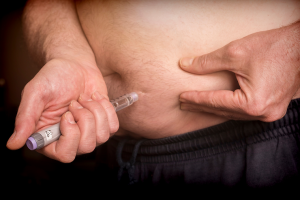
Do You Need Electrolytes While Using Mounjaro? UK Safety Insights
Get to know whether you actually need electrolytes while using Mounjaro and when hydration alone is enough to keep you feeling well.
Last updated Apr 29, 2026
 8 min read

Your body does not just change what you eat on Mounjaro, it often changes how much you drink as well. A reduced appetite and occasional nausea can quietly lower daily fluid intake, making hydration feel harder to manage. This is why questions around electrolytes and Mounjaro come up early in treatment.
However, electrolyte use is not a default requirement and should be based on actual need rather than assumption. Clinical guidance focuses on maintaining simple hydration habits first, with supplements only considered in specific situations. Understanding when support is truly necessary helps you avoid unnecessary intake and manage your routine more effectively.
Mounjaro
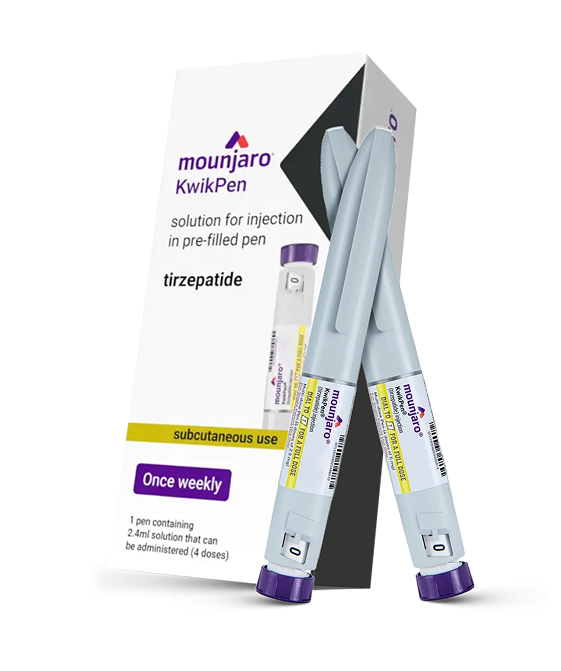
Key Insights: Electrolytes on Mounjaro
- Most patients do not need electrolyte supplements
- Hydration changes may occur due to reduced intake
- Electrolytes may help in specific situations only
- A food-first approach is safer and more sustainable
- Overuse of supplements is usually unnecessary
When Do You Actually Need Electrolytes on Mounjaro?
Electrolytes are not typically necessary for most people using Mounjaro unless there are specific symptoms like dehydration, vomiting, or diarrhoea. These issues can lead to fluid and mineral loss, so supplementation may be helpful in those cases, but it is not required on a regular basis for everyone.
When Electrolytes May Help on Mounjaro
- Vomiting or diarrhoea can lead to fluid and electrolyte loss
- Reduced food or fluid intake may necessitate electrolyte replenishment
- Symptoms like dizziness or muscle cramps can indicate mild imbalance
- Intense exercise or hot weather may increase the need for electrolytes
Why Mounjaro Can Affect Hydration and Electrolyte Balance
Mounjaro affects hydration and electrolyte balance indirectly through appetite suppression. As appetite decreases, fluid intake can drop, and gastrointestinal side effects like nausea or vomiting further reduce hydration. These changes can increase the risk of mild electrolyte imbalances, especially when fluid and food intake are insufficient.
Appetite and Fluid Intake
Mounjaro reduces appetite, leading to less food and fluid intake, which can increase dehydration risk. Keeping up with hydration is important to balance any changes caused by the medication, especially when you may not feel as thirsty or hungry.
Gastrointestinal Side Effects
Nausea, vomiting, and other gastrointestinal issues are common side effects of Mounjaro. These can further reduce fluid intake and cause mineral loss, increasing the need for electrolyte supplementation to maintain balance and prevent dehydration.
Find Out If Mounjaro is Clinically Suitable
Start Your Free Consultation Now
 Clinician-led medical assessment
Personalised dosing and nutrition support
Ongoing clinical monitoring throughout treatment
Clinician-led medical assessment
Personalised dosing and nutrition support
Ongoing clinical monitoring throughout treatment 
Signs You Might Be Low on Electrolytes
Electrolyte imbalances may present through symptoms like fatigue, dizziness, and headaches, which overlap with dehydration. If you also experience muscle cramps, weakness, or lightheadedness, these could be signs of a mild imbalance that may need addressing.
Mild Symptoms to Look Out For
- Fatigue, dizziness, or headaches can occur with dehydration or low electrolytes
- Muscle cramps and weakness are common signs of a mild imbalance
- Low appetite or reduced fluid intake can lead to electrolyte depletion
Severe Symptoms to Watch For
- Confusion or an irregular heartbeat are rare but severe symptoms
- These may indicate a significant imbalance that requires immediate attention
- If these symptoms occur, seek medical advice as soon as possible
Food vs Supplements: Which Is Better for Electrolyte Balance
Whole foods offer a natural source of electrolytes, with potassium, magnesium, and sodium found in many fruits, vegetables, and dairy products. Electrolyte supplements should only be used when needed, such as during illness, after exercise, or when food intake is insufficient.
The Benefits of Whole Foods
Whole foods like bananas, leafy greens, and dairy products provide balanced electrolytes in a safe, natural form. These foods are often more effective and cost-efficient compared to relying on supplements or sports drinks for electrolytes.
When Supplements Are Useful
Supplements may be helpful during specific situations, such as when you are ill, experiencing extreme fluid loss, or have reduced food intake. However, they should not be part of a daily routine and are generally only necessary in cases of acute need.
Practical Ways to Maintain Electrolyte Balance on Mounjaro
Maintaining hydration on Mounjaro requires consistent fluid intake throughout the day. Drinking small amounts regularly can help prevent dehydration and support electrolyte balance. Adding electrolyte-rich foods such as bananas, spinach, and avocados to your diet also helps naturally replenish minerals.
Hydration Strategies
- Drink 1.5–2.5 litres of fluids throughout the day, sipping regularly. You can learn more about how much water to drink while using Mounjaro for best results.
- Use oral rehydration solutions (ORS) when needed, especially after illness
- Coconut water is an excellent natural source of potassium and magnesium
Electrolyte-Rich Foods
- Include potassium-rich foods like bananas and potatoes, and magnesium-rich foods like almonds and spinach
- Moderate amounts of sodium can be found in sea salt, olives, or bone broth, supporting hydration
Conclusion: Stay Hydrated with a Balanced Diet
Most people don’t need electrolyte supplements while on Mounjaro unless there are specific circumstances, like dehydration from illness or excessive sweating. The key is focusing on maintaining proper hydration and a balanced diet, which naturally supports electrolyte levels. Electrolytes should only be used in situational cases, not as a daily requirement.
If you experience persistent symptoms like dizziness or muscle cramps, consult with a healthcare provider for personalised advice. At Mayfair Weight Loss Clinic, our team can guide you through managing your hydration and nutritional needs while on Mounjaro to ensure safe and effective treatment. Always follow your prescribed guidance for the best results.
FAQs about Mounjaro and Electrolytes
Do I need hydration sachets while using Mounjaro?
Hydration sachets are not typically necessary unless you experience dehydration symptoms, such as dizziness, or reduced fluid intake due to illness. They can be useful for restoring hydration quickly but are not required for most patients using Mounjaro who maintain regular fluid intake.
Are electrolyte tablets for water necessary on Mounjaro?
Electrolyte tablets for water should only be used in specific situations, such as fluid loss from vomiting, diarrhoea, or heavy sweating. They are not a daily necessity, as most people can maintain their electrolyte balance through regular hydration and a balanced diet while on Mounjaro.
What are the best drinks for hydration on Mounjaro?
Water is the best drink for hydration while on Mounjaro, as it helps maintain fluid balance without added sugars. Nutrient-rich fluids like soups or milk can also support hydration and provide additional electrolytes, especially when your appetite is reduced or you are struggling to eat enough.
Where to get electrolytes if needed?
Electrolytes can be obtained from a variety of foods, including fruits like bananas, vegetables, dairy products, and nuts. If necessary, pharmacy-based electrolyte solutions can be used to replenish lost minerals during illness or after intense physical activity, but these are not needed as part of a regular routine.
Is an electrolyte supplement required daily?
No, an electrolyte supplement is not required daily unless there is a clear need due to specific symptoms like dehydration or low intake of fluids and nutrients. Most people can meet their electrolyte needs through a balanced diet and proper hydration.
What is the best beverage for dehydration?
While oral rehydration solutions (ORS) may be helpful in cases of short-term dehydration, water is usually the best and most effective beverage for most people. Drinking water consistently throughout the day helps maintain hydration without added sugars or unnecessary chemicals.
Can low appetite cause electrolyte imbalance?
Yes, a reduced appetite can contribute to an electrolyte imbalance, especially if fluid and nutrient intake are insufficient. If hydration is not maintained, mild imbalances in electrolytes like sodium, potassium, and magnesium may occur, particularly in the early stages of Mounjaro treatment.
Should I take electrolytes with every dose of Mounjaro?
No, you do not need to take electrolytes with every dose of Mounjaro. Electrolytes should only be used when there is a clinical need, such as during illness, after excessive sweating, or when you experience symptoms like dizziness or fatigue. Regular hydration should be enough for most patients.
Mounjaro
Wegovy